
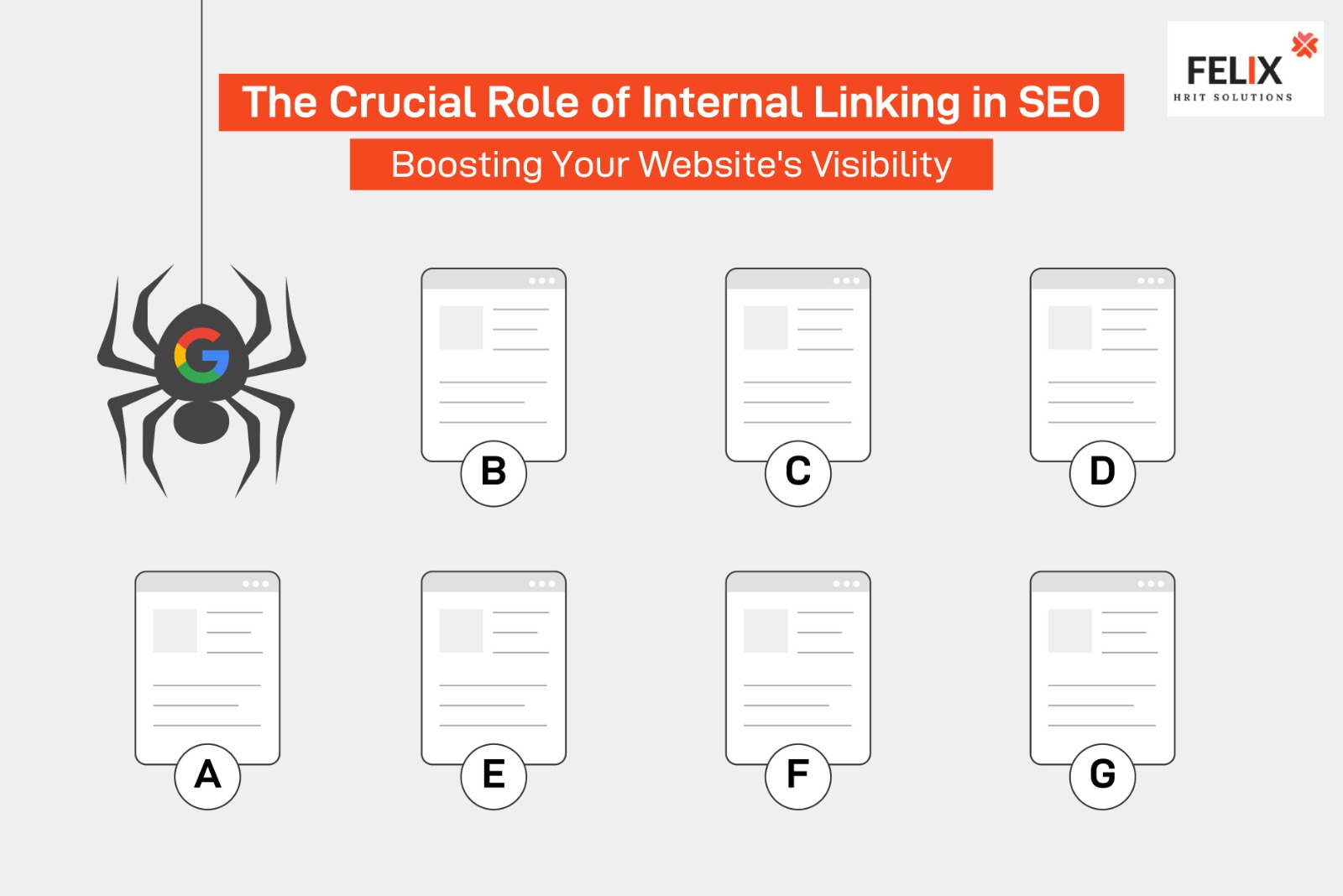
Understanding Internal Linking for SEO
Definition of Internal Linking
Internal linking refers to the practice of hyperlinking text or images within a website to connect one page to another. This method not only navigates users between pages but also assists search engine crawlers in understanding the structure of your site. For instance, when you mention “blogging tips” on one page and link it to a dedicated article about the topic, you’re not just enriching the user’s journey; you’re also reinforcing the content’s relevance within your site’s architecture.
Importance of Internal Linking in SEO
The significance of internal linking in SEO cannot be overstated. It serves multiple purposes:
- Improves Navigation: By guiding users through relevant content, internal links enhance the overall user experience. If someone is reading about digital marketing, a well-placed link to a related article on SEO can keep them engaged longer.
- Distributes Page Authority : Internal links help spread link equity across pages. Thus, if one page earns authority, it can boost the rankings of linked pages.
- Encourages Crawlability : Search engine bots utilize internal links to crawl your site efficiently. An organized linking structure ensures that important pages don’t go unnoticed.
In essence, effective internal linking not only enhances user navigation but also fortifies your website’s SEO strategy, making it an indispensable tool for any digital marketer.
Benefits of Effective Internal Linking
Enhancing User Experience
Effective internal linking plays a pivotal role in enhancing user experience on a website. Imagine browsing a website where every article seamlessly connects to another fascinating piece of content. It’s like being taken on an informative journey without barriers. Internal links guide users to related content, maintaining their interest and engagement.
- Keeps Visitors On-Site Longer : By linking to relevant articles, visitors are more likely to explore additional pages on your site, rather than bouncing off to competitors. This not only boosts page views but also signals to search engines that your content is valuable.
- Facilitates Content Discovery : Users often don’t start with a specific article in mind. Internal linking facilitates easy navigation, guiding them from one useful article to another, leading to increased satisfaction.
Increasing Website Crawlability
Another essential benefit of effective internal linking is the improvement in website crawlability. Search engine bots must navigate your site to index content, and well-structured internal links are crucial for this process.
- Directs Bots to Important Content : By strategically placing internal links, you highlight your most valuable pages. Bots are more likely to prioritize pages that receive internal links when crawling.
- Reduces Crawl Errors : A well-linked site cleanly presents the hierarchy of content. This organization minimizes the chances of orphaned pages—pages without any links pointing to them—which could remain unnoticed by search engines.
In summary, enhancing user experience and increasing website crawlability through effective internal linking can significantly boost both user satisfaction and search engine visibility.
Types of Internal Links
Navigational Links
Navigational links are crucial for enhancing the overall usability of a website. These links typically appear in the header, footer, or sidebar of a webpage, guiding users to key sections. For example, a blog might have a navigation menu with links to “About Us,” “Contact,” “Blog Categories,” and “Services.”
- User-Friendly Navigation : A well-structured navigation bar allows users to explore your site easily, reducing bounce rates and keeping them engaged longer.
- Hierarchy Representation : Navigational links establish a clear hierarchy, aiding both users and search engines in understanding the layout and significance of various pages.
Contextual Links
Contextual links are embedded within the content itself, allowing for a more organic connection between related topics. For instance, while discussing “SEO strategies” in a blog post, linking to an article on “keyword research” helps provide context.
- Enhances Relevance : These links make your content more valuable by providing direct access to additional information that complements what the user is currently reading.
- Improves SEO : Search engines recognize these links as indicators of content relationships, which can enhance the ranking of both the linking and linked pages.
Image Links
Image links not only enhance visual engagement but also serve as effective internal links. You might see an image gallery where each image links to a related article or product page.
- Boosts Engagement : A well-placed image link draws attention, encouraging users to click through to more detailed content.
- Accessibility Features : Incorporating alt text in image links can also aid in SEO and improve accessibility for visually impaired users.
In summary, understanding the various types of internal links—navigational, contextual, and image links—can significantly improve both user interaction and search engine optimization on your website.
Best Practices for Internal Linking
Anchor Text Optimization
Anchor text is the clickable text in a hyperlink, and optimizing it is essential for both user experience and SEO. For instance, if you link the phrase “best coffee recipes” to a relevant page, users will know exactly what to expect when they click the link.
- Descriptive Text : Use clear, descriptive phrases that accurately reflect the content of the linked page, rather than vague terms like “click here.”
- Variety : Vary your anchor texts to avoid being repetitive. This not only improves the user experience but also helps search engines understand the context of the linked content.
Link Relevancy
Link relevancy is crucial for maintaining user interest and ensuring that the internal links serve a purpose. Internal links should connect related topics to create a meaningful navigation experience.
- Content Relationship : Always link to content that is contextually relevant. For example, linking a blog post about “social media marketing tips” to an article on “content creation” keeps users engaged with related subjects.
- User Intent : Consider what users might be searching for. If they’re interested in learning about emerging digital trends, linking to an article about “2024 marketing forecasts” would provide valuable additional information.
Proper Link Structure
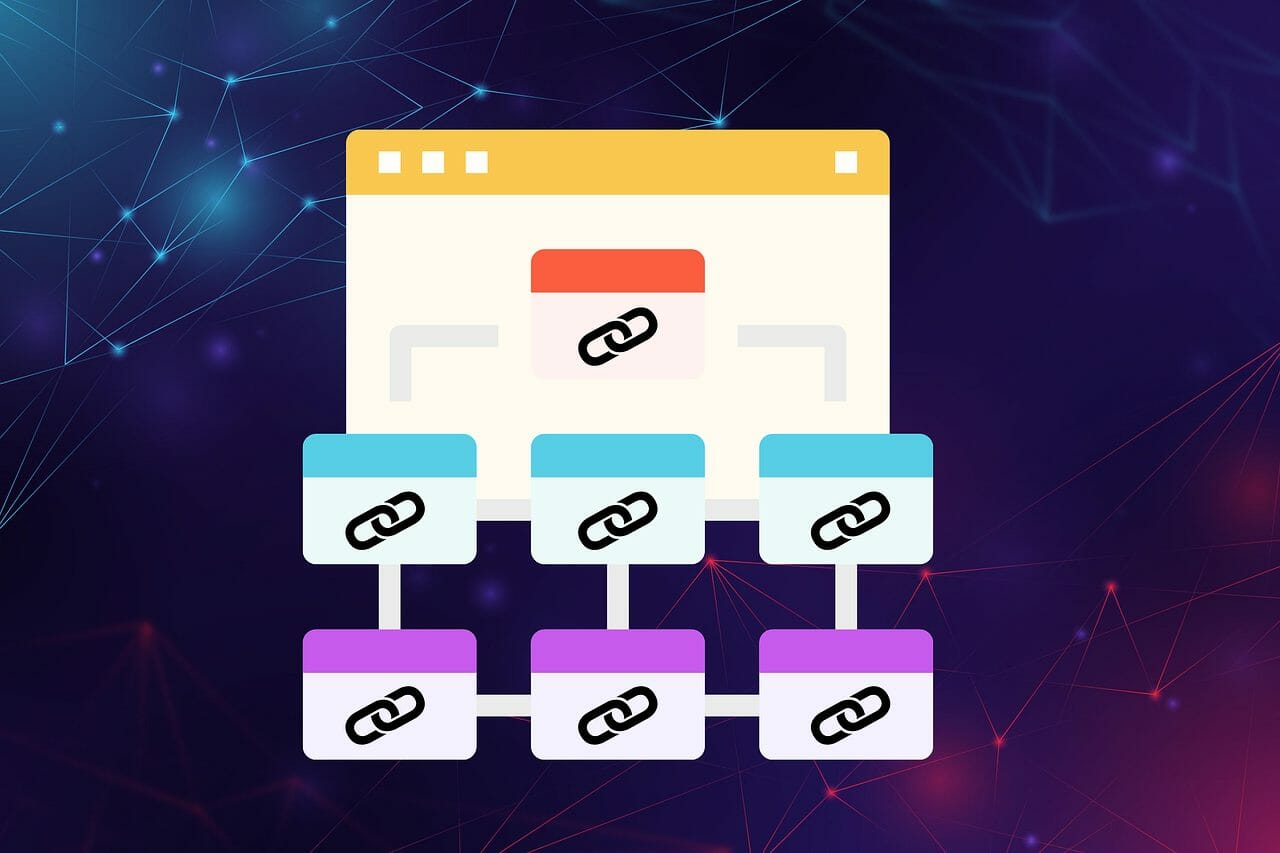
Creating a proper link structure enhances both user navigation and site crawlability. A well-organized internal linking system allows both users and search engines to navigate easily.
- Hierarchy and Clarity : Ensure a logical flow from general topics to more specific subtopics. Placing links at relevant points in content can help users navigate seamlessly through your site.
- Limit the Number of Links : While it’s tempting to create many internal links, too many can overwhelm users. Aim for a balance—typically, 2-5 internal links per page is effective.
Incorporating these best practices will ensure that internal linking not only boosts SEO but also enhances the user experience, ultimately contributing to your website’s success.
Tools for Internal Linking Analysis
Google Search Console
Google Search Console is an invaluable tool for monitoring your website’s performance and analyzing internal linking strategies. It provides a wealth of information that can help you optimize your linking structure.
- Link Reports : The “Links” section allows you to see which pages are receiving the most internal links. This insight helps you identify strong pages that can pass their authority to others.
- Performance Tracking : You can also track how different pages rank in search results, allowing you to evaluate whether your internal links are positively impacting SEO.
In my experience, using Google Search Console to identify and refine links has led to significant increases in organic traffic for specific content, illustrating the importance of strategic internal linking.
SEO Crawlers
SEO crawlers, like Screaming Frog or Ahrefs, provide a more detailed analysis of your internal linking structure. These tools can create comprehensive site audits that shed light on how links are distributed throughout your website.
- Crawl Reports : SEO crawlers analyze every page of your site, providing reports on broken links, orphaned pages, and pages with excessive links.
- Visualization : Many of these tools offer visual sitemaps that help you understand how the pages are interlinked. This clarity can assist in restructuring your site for optimal navigation.
Utilizing tools like Google Search Console and SEO crawlers presents a clear advantage in internal linking analysis. With these insights, you can strategically enhance your linking framework, thereby improving both user experience and search engine rankings.
Measuring Internal Linking Success
Monitoring Traffic and Engagement
Measuring the success of your internal linking strategy begins with closely monitoring traffic and user engagement metrics. Tools like Google Analytics can provide valuable insights into how users interact with your site.
- Page Views : Keep an eye on the number of page views for content that you’ve heavily linked to. An increase can indicate that users are finding their way to these pages more effectively.
- Average Session Duration : A longer average session duration often signifies that users are engaging with your content. If you notice this metric rising after implementing changes to your internal links, it’s a positive indication of success.
For example, after refining an internal linking strategy for a travel blog, the average session duration increased by 30%, showing that users were exploring more content than before.
Evaluating Ranking Improvements
In addition to monitoring traffic, evaluating the impact on search engine rankings is critical for assessing internal linking success. Keep a close watch on keyword rankings for pages that have been linked.
- Keyword Performance : Use tools like SEMrush or Moz to track how your linked pages are performing for relevant keywords. A rise in rankings often correlates with effective internal linking.
- Changes in Search Visibility : Evaluate the overall visibility of your website on search engine results pages (SERPs). If you notice a boost in visibility for key pages following an internal linking overhaul, it’s a sign that your efforts are paying off.
In summary, by diligently monitoring traffic, user engagement, and keyword rankings, you can effectively measure the success of your internal linking strategy, leading to continued optimization and growth for your website.
Common Internal Linking Mistakes to Avoid
Over-Optimization of Anchor Text
One of the most common mistakes in internal linking is the over-optimization of anchor text. While it’s important to use descriptive and relevant anchor text, overdoing it can backfire by appearing spammy to both users and search engines.
- Keyword Stuffing : Cramming too many keywords into anchor text can dilute its effectiveness. For example, repeatedly linking the phrase “affordable digital cameras” instead of varying your anchor text will likely raise red flags for search engines.
- Natural Language : Aim for a natural, conversational tone in your anchor text. Using a variety of phrases will not only improve user experience but also enhance the credibility of your content.
In my experience, after adjusting anchor text to include a mix of relevant terms and natural phrases, the user engagement for those articles noticeably improved.
Orphaned Pages
Another significant internal linking mistake is having orphaned pages—content that has no internal links pointing to it. These pages may be valuable, but without links, they become difficult for users and search engines to discover.
- Identify Orphaned Content : Use tools like SEO crawlers to pinpoint orphaned pages. Once identified, consider linking to these pages from related content to enhance visibility.
- Reinforce Relationships : Orphaned pages can detract from your website’s overall SEO strategy. By creating links to these pages, you strengthen the contextual relationships between your content, improving the user journey.
In summary, avoiding over-optimization of anchor text and ensuring that all valuable content is interlinked helps create a more effective internal linking strategy. This not only helps with SEO but also fosters a better user experience on your website.
Advanced Strategies for Internal Linking
Implementing Silo Structure
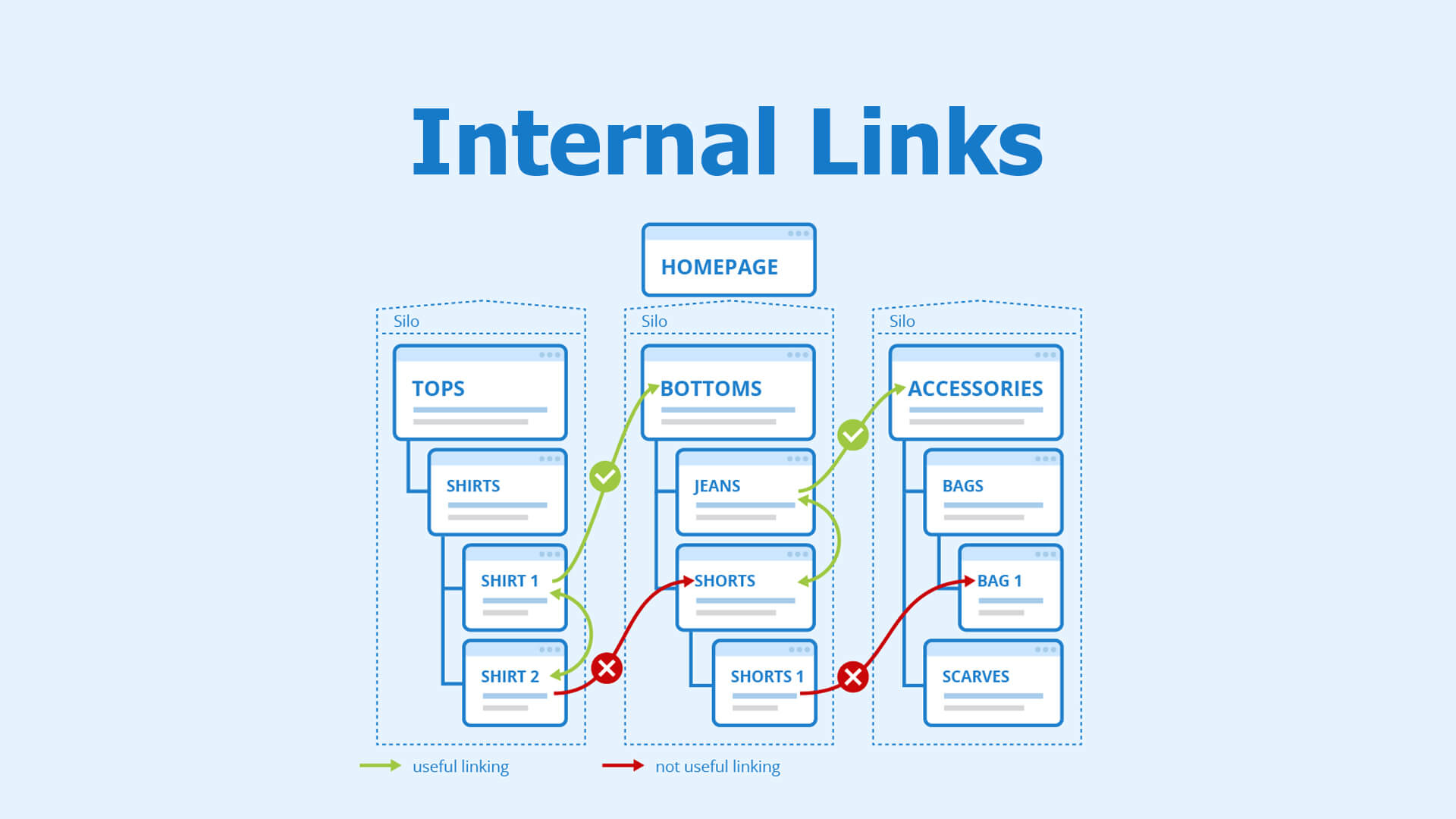
One advanced strategy for internal linking is implementing a silo structure. This method involves organizing your website’s content into related topical clusters, making it easier for both users and search engines to navigate.
- Thematic Grouping : Each silo should focus on a single topic. For example, a health website might have silos for “Nutrition,” “Exercise,” and “Mental Health.” Each silo would contain several articles related to its theme.
- Enhanced Contextual Linkage : By linking articles within the same silo, you create a strong contextual relationship, which helps search engines understand the relevance and depth of your content. Additionally, this keeps readers engaged, encouraging them to explore related articles within the same topic.
From personal experience, employing a silo structure on a niche blog led to a remarkable increase in page views and average time spent on the site, showcasing its effectiveness.
Leveraging Hub Pages
Another effective strategy is leveraging hub pages, which act as central points for specific topics or categories. A hub page compiles and organizes links to several related articles, serving as a comprehensive resource for users.
- Improved User Navigation : Hub pages direct users to various subtopics in one place, making it easy for them to find related content without endless searching.
- SEO Benefits : By consolidating internal links on a hub page, you signal to search engines that this page is authoritative on the topic. This can result in better rankings for both the hub page and the linked articles.
In summary, utilizing advanced internal linking strategies like implementing a silo structure and leveraging hub pages not only improves user experience but can also enhance your website’s performance in search engine rankings. These tactics create a more organized and navigable site, fostering increased engagement from visitors.

Internal Linking Case Studies
Real-world Examples of Successful Internal Linking Strategies
Examining real-world case studies can provide valuable insights into the effectiveness of various internal linking strategies. Let’s take a look at some notable examples of organizations that have successfully harnessed the power of internal linking.
- Moz : This well-known SEO tool provider effectively uses internal linking by organizing their blog content into specific categories. For instance, each blog post linking to a “Beginner’s Guide to SEO” serves as a central hub for newcomers. This strategy not only strengthens content relevance but also enhances user experience by guiding readers to valuable resources.
- HubSpot : HubSpot’s content is an excellent example of leveraging hub pages. They create comprehensive guides on specific topics, such as inbound marketing, which then link to numerous related articles and pieces of content. This approach not only provides a holistic view of the subject but also ensures that users remain engaged with interconnected content, ultimately driving traffic to less visited pages.
- Tailwind : After analyzing their internal linking strategy, Tailwind implemented contextual linking in their resources and blog posts. By embedding links to product tutorials directly within their blog content, they saw a significant uptick in page views and time spent on site.
These examples highlight how strategic internal linking can enhance user navigation, improve content discoverability, and ultimately drive better results in terms of engagement and traffic. By learning from these successful case studies, businesses can refine their own internal linking strategies to achieve similar outcomes.
Conclusion and Next Steps
Recap of Internal Linking Importance
In conclusion, internal linking is an essential aspect of a successful SEO strategy. It not only enhances user experience by facilitating easy navigation but also boosts your website’s crawlability, helping search engines recognize the structure and relevance of your content. As we’ve seen through various case studies, effective internal linking can drive more traffic, keep users engaged longer, and ultimately improve your rankings on search engines.
Reflecting on the importance of internal linking, it’s evident that businesses failing to leverage this strategy are missing out on significant opportunities for growth and visibility.
Actionable Steps for Improving Internal Linking Strategy
To enhance your internal linking strategy, consider implementing the following actionable steps:
- Conduct an Audit : Regularly review your existing internal links to identify broken or outdated links. Tools like Screaming Frog can help streamline this process.
- Create a Silo Structure : Organize your content into thematic categories to enhance clarity and relevance. Each topic should clearly link to related articles.
- Optimize Anchor Text : Use a variety of descriptive phrases as anchor text to promote user engagement while avoiding over-optimization.
- Utilize Hub Pages : Develop hub pages that consolidate related content, guiding users through complex topics seamlessly.
By following these steps and embracing the power of internal linking, you can elevate your website’s performance, maximize user engagement, and reap the substantial benefits that come with a well-structured internal linking strategy.