

Introduction
Understanding the Importance of SEO Audits
In the ever-evolving digital landscape, businesses must adapt to remain relevant. One crucial aspect of this adaptation is a comprehensive SEO audit. This process not only identifies issues but also uncovers opportunities that can enhance a website’s performance in search engine rankings.
Consider an example of a small local bakery that noticed a decline in online orders. After conducting an SEO audit, they discovered multiple technical issues, including broken links and poor mobile optimization. With targeted changes, they improved their visibility, leading to increased traffic and sales.
Here’s why SEO audits are paramount:
- Identify Weaknesses : An audit highlights technical flaws, content gaps, and user experience hurdles that may hinder performance.
- Benchmark Performance : It establishes a baseline, enabling you to measure progress against set goals over time.
- Enhance User Experience : A thorough audit delves into the aspects that affect user interaction, ensuring visitors have a seamless browsing experience.
- Stay Competitive : Regular audits help businesses keep pace with competitors who are constantly optimizing their strategies to outperform others.
Overall, understanding the importance of SEO audits is the first step toward bolstering a website’s effectiveness and securing a spot at the top of search engine results.
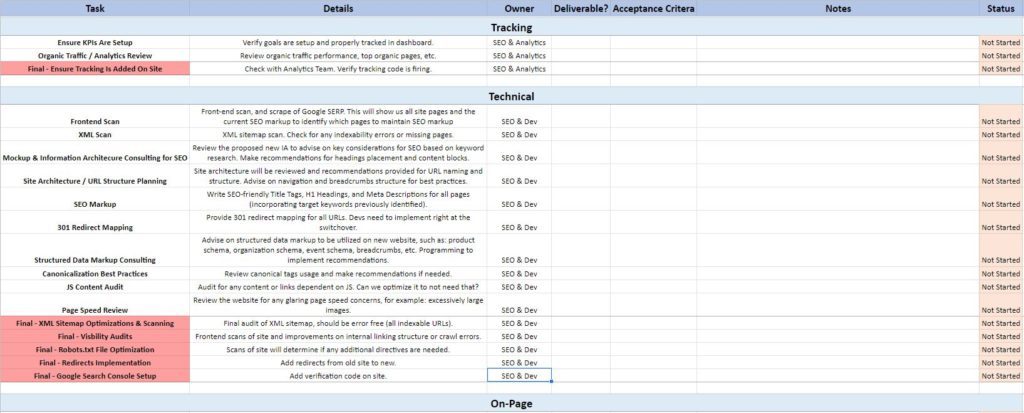
Pre-Audit Preparation
Setting Clear Objectives
Before diving headfirst into an SEO audit, it’s essential to set clear objectives. This step serves as your roadmap, ensuring that all efforts are aligned with specific goals. For instance, a growing e-commerce site may aim to improve conversion rates or enhance organic traffic by a certain percentage over the next quarter.
Here are some tips for establishing effective objectives:
- Be Specific : Instead of a vague goal like “improve SEO,” aim for “increase organic traffic by 30% in six months.”
- Make Them Measurable : Ensure that each objective can be quantified. For example, track changes in website rankings or user engagement metrics like bounce rate.
- Set Achievable Targets : While it’s vital to be ambitious, setting unrealistic goals can be discouraging. Aim for targets that challenge yet motivate your team.
With clearly defined objectives, the audit can be strategically focused, maximizing its impact.
Gathering Essential Data and Tools
Once objectives are set, the next crucial step involves gathering essential data and tools. This preparation ensures that the audit process is thorough and efficient.
- Data Collection : Compile current performance metrics using tools like Google Analytics and Google Search Console. This data serves as the starting point for your audit.
- SEO Tools : Equip yourself with tools such as SEMrush, Ahrefs, or Moz. These platforms can provide insights into keyword rankings, backlink profiles, and more, making it easier to identify growth opportunities.
- Competitor Analysis : Understand what similar businesses are doing. Tools like SimilarWeb can help you analyze competitor traffic and strategies.
With clear objectives and the right data in hand, you’re set to begin an insightful SEO audit that can lead to tangible improvements for your website.

Technical SEO Audit
Website Structure Analysis
As you progress into the heart of your SEO audit, examining the website’s structure is paramount. A well-structured website not only enhances user experience but also makes it easier for search engines to index your pages. Think of it like organizing a library—when everything is neatly categorized, finding a book becomes a breeze.
Here’s what to focus on during your website structure analysis:
- Hierarchy : Ensure that your website has a clear hierarchy where main topics lead to subtopics. This can be visualized as a pyramid, allowing easy navigation for users and crawlers alike.
- Internal Linking : Check if your pages are linked together effectively. This helps distribute page authority and keeps users engaged.
- URL Structure : Clean, descriptive URLs not only make it easier for users to understand the content of your pages but also help search engines evaluate their relevance.
A personal anecdote from a recent project highlighted the importance of solid structure. A client struggled with low traffic; upon restructuring their site, they saw a significant increase in user engagement.
Checking Indexing and Crawlability
Once the structure is in place, the next step is ensuring that your pages are indexed and crawlable by search engines. This part of the audit is crucial because even the best content is useless if it remains hidden from search engines.
Here are some key areas to focus on:
- Robots.txt File : Verify that your robots.txt file isn’t inadvertently blocking important pages from being crawled.
- XML Sitemap : An updated XML sitemap should be submitted to search engines. This allows crawlers to easily find and index your pages.
- Crawl Errors : Use tools like Google Search Console to identify crawl errors. Addressing these issues can significantly improve your site’s visibility.
By meticulously analyzing your website’s structure and ensuring effective indexing and crawlability, you pave the way for better SEO performance and increased organic traffic.
On-Page SEO Audit
Content Evaluation
Transitioning from the technical aspects of your SEO audit, it’s time to delve into the on-page elements, starting with content evaluation. Quality content serves as the backbone of SEO, impacting how well your site ranks and engages users. Imagine pouring time and resources into creating a fantastic product but neglecting to showcase it effectively. That’s where content evaluation comes in.
When assessing your content, consider the following:
- Relevance : Ensure your content meets the needs and interests of your target audience. It should be aligned with the keywords you aim to rank for.
- Quality : High-quality content engages visitors and encourages them to share it. Aim for unique insights, compelling storytelling, and accurate information.
- Length : Longer content often performs better in search rankings, but it should remain relevant and valuable. As a rule of thumb, aim for a minimum of 1,000 words when appropriate.
Reflecting on a client who revamped their blog articles, they found that users spent more time on their site and even increased conversion rates after enhancing content quality and relevance.
Optimizing Meta Tags and URLs
Next, it’s essential to focus on optimizing meta tags and URLs. These elements might seem minor but can significantly influence your click-through rates and search rankings.
Here’s what to keep in mind:
- Title Tags : Ensure each page has a unique title tag that includes relevant keywords. Keep it under 60 characters for optimal visibility in search results.
- Meta Descriptions : Write compelling meta descriptions that summarize the page content while enticing users to click. Aim for around 150-160 characters to avoid truncation.
- URL Structure : As established earlier, URLs should be concise and descriptive. Avoid long strings of numbers or unnecessary characters—opt for a format like “www.example.com/on-page-seo-audit.”
By conducting thorough content evaluations and optimizing meta tags and URLs, you enhance your website’s ability not only to rank higher but also to captivate your audience’s attention effectively.
.jpg)
Off-Page SEO Audit
Backlink Analysis
Shifting gears to the off-page SEO audit, one of the most critical areas to focus on is backlink analysis. Backlinks act like votes of confidence from other sites, signaling to search engines that your content is credible and valuable. However, not all backlinks are created equal.
When analyzing your backlinks, consider these essential factors:
- Quality over Quantity : A few backlinks from high-authority sites can significantly boost your SEO compared to many from low-quality sources.
- Relevance : Ensure that the sites linking to you are related to your niche. A link from a reputable website in the same field is far more beneficial.
- Anchor Text : Look at the anchor text used in your backlinks. It should be relevant to the linked content rather than generic phrases like “click here.”
In a past experience, a client discovered they had numerous low-quality backlinks affecting their SEO. A focused outreach campaign helped them replace those with high-quality links, resulting in improved rankings.
Assessing Online Reputation
Next on the agenda is assessing your online reputation. In today’s digital age, what others say about your brand can influence your SEO efforts and, ultimately, your business success. A positive online reputation can enhance trust and credibility, while a negative one can deter potential customers.
To gauge your online reputation, consider these strategies:
- Monitor Reviews : Regularly check platforms like Google My Business, Yelp, or Trustpilot for customer reviews. Address any negative feedback promptly.
- Social Media Sentiment : Review mentions of your brand across social media channels. Tools like Sprout Social or Hootsuite can help you track what people are saying.
- Engagement Metrics : Analyze how your audience interacts with your online content. High engagement can indicate a positive reputation.
Reflecting on an incident with a past client, a review addressed a delivery issue that, when resolved publicly, showcased their commitment to customer service. This not only improved their online reputation but also positively impacted their SEO.
By conducting a thorough backlink analysis and assessing your online reputation, you pave the way for a robust off-page SEO strategy that builds authority and trust in your brand.

Mobile Optimization Audit
Checking Responsiveness
As we delve deeper into the audit process, mobile optimization is an essential area that cannot be overlooked. With mobile traffic accounting for over half of all web traffic globally, ensuring your website is responsive is no longer optional.
When checking responsiveness, consider the following:
- Responsive Design : Your website should automatically adjust to different screen sizes, whether it’s a smartphone, tablet, or desktop. Tools like Google’s Mobile-Friendly Test can help you analyze your site’s responsiveness easily.
- Navigation : Ensure that your menu is easily accessible and intuitive on mobile devices. A complex navigation can frustrate users and lead to higher bounce rates.
- Loading Speed : Mobile users expect fast loading times. Aim for a load time of fewer than three seconds; otherwise, you risk losing potential visitors. Tools like PageSpeed Insights can provide valuable insights on how to boost speed.
During a recent project for a local restaurant, they noticed a spike in mobile traffic but a high bounce rate. After improving their site’s responsiveness, engagement increased substantially.
Enhancing User Experience
Next, let’s discuss how to enhance user experience for mobile users. A positive mobile experience can significantly influence conversions and overall user satisfaction.
Here are a few strategies to consider:
- Touchscreen Optimization : Ensure buttons and links are adequately sized for easy tapping. Aim for a minimum target area of around 44px by 44px, as suggested by usability studies.
- Content Formatting : Break up large blocks of text into shorter paragraphs or bullet points for easier reading. High-quality images and videos should also be optimized to load quickly without compromising quality.
- Clear Calls to Action : Make sure that your calls to action (CTAs) are mobile-friendly and easy to find. Whether it’s a “Book Now” button or a “Contact Us” link, CTAs should stand out.
A personal anecdote involves a client who had a beautifully designed website but received complaints about its mobile usability. By implementing user experience improvements tailored to mobile, they experienced an uptick in online reservations and positive feedback.
By rigorously checking responsiveness and enhancing user experience for your mobile audience, you’ll not only meet search engine criteria but also elevate engagement, ultimately propelling your website’s success.

Local SEO Audit
Verifying NAP Consistency
As we continue our SEO audit journey, it’s time to focus on local SEO—an essential aspect for businesses aiming to attract nearby customers. One of the foundational elements of local SEO is ensuring your NAP (Name, Address, Phone Number) consistency across all online platforms.
Why is NAP consistency important? Here are a few key points:
- Credibility : Search engines prefer businesses that provide consistent information. Variations can confuse users and lead to lower rankings.
- User Trust : Accurate NAP details help establish trust with potential customers. If they find differing addresses or phone numbers, they may question your reliability.
- Local Listings : Check platforms like Yelp, Yellow Pages, and social media profiles. Each citation should have the exact same information to avoid discrepancies.
I once worked with a local coffee shop that had inconsistent NAP data across various directories. Rectifying this not only improved their local search rankings but also increased foot traffic, as customers could easily locate them.
Leveraging Google My Business
Once you have confirmed your NAP consistency, the next step is leveraging Google My Business (GMB). This tool is vital for local businesses, allowing you to control how your business appears in local search results.
Here are ways to maximize GMB:
- Complete Your Profile : Fill out every section of your profile, including business hours, photos, and services offered. A complete profile can significantly enhance visibility.
- Posts and Updates : Utilize the posting feature to share updates, promotions, or events. Regular posts keep your audience informed and engaged.
- Customer Interaction : Encourage satisfied customers to leave reviews. Responding to reviews—both positive and negative—shows potential clients that you value feedback and fosters trust.
In one instance, a client in the home improvement industry saw a 40% increase in local inquiries after optimizing their Google My Business profile. This illustrates just how impactful a fully fleshed-out GMB listing can be.
By verifying NAP consistency and effectively leveraging Google My Business, you solidify your local presence and connect with the community, ultimately driving more foot traffic and inquiries for your business.

SEO Audit Tools and Software
Overview of Popular Tools
As we wrap up our discussion on local SEO, let’s turn our attention to SEO audit tools and software that can enhance your optimization efforts. In a digital ecosystem filled with data, these tools act as your compass, guiding you towards strategic decisions that can elevate your online presence.
Here are some popular SEO audit tools worth considering:
- SEMrush : This powerful platform provides comprehensive SEO audits, keyword research, and traffic analysis. It’s great for tracking your website’s SEO health over time.
- Ahrefs : Known for its robust backlink analysis, Ahrefs also offers site audits and keyword tracking. Its user-friendly interface makes it easy for beginners.
- Moz Pro : Moz’s platform offers a suite of tools for keyword research and site audits. Its Domain Authority metric is invaluable for assessing your website’s credibility.
When I worked with a client in the retail sector, using Ahrefs helped uncover several high-value keywords they were missing, leading to a significant boost in organic traffic.
How to Utilize Tool Insights
Once you’ve chosen your tools, it’s important to know how to utilize their insights effectively. Simply gathering data isn’t enough; you’ll need to translate that data into actionable strategies.
Consider these tactics:
- Prioritize Issues : Use the insights from your audit tools to identify critical issues first, such as broken links or poor page speed, and address these promptly.
- Monitor Progress : Regularly check the performance metrics over time. Use tools like Google Analytics in conjunction with SEO tools to see how your changes are impacting user behavior.
- Competitor Analysis : Leverage these tools to analyze competitors. Understanding their strengths and weaknesses helps you devise strategies to outperform them.
For example, after conducting a SEMrush audit, one of my clients was able to identify the top-performing content from their competitors and created similar, targeted articles that resulted in impressive traffic growth.
By integrating these popular SEO audit tools into your strategy and utilizing their insights effectively, you’ll be equipped to make informed decisions that drive your SEO efforts forward, setting the stage for success in a competitive landscape.
Reporting and Action Plan
Documenting Audit Findings
Having gathered valuable insights from your SEO audit tools, the next crucial step is to document these audit findings. This documentation serves as the foundation for your strategy moving forward.
Here are some tips on effective documentation:
- Organized Format : Structure your report logically, breaking it down by sections such as technical SEO, on-page SEO, local SEO, and off-page SEO. This clarity helps in understanding where immediate action is required.
- Key Metrics : Highlight key metrics that indicate your website’s performance, such as organic traffic, bounce rates, and keyword rankings. This data provides a quantitative benchmark for improvement.
- Visual Representation : Use charts, tables, and graphs to present data visually. This not only makes the report more engaging but also helps stakeholders quickly grasp essential trends.
In my experience, documenting a recent SEO audit for a client in the hospitality sector revealed significant insights about their local search visibility. They were eager to implement changes based on these findings.
Creating an Effective Action Plan
Documenting your findings is only the first half of the equation; the next step is creating an actionable plan based on those insights.
Here’s how to formulate an effective action plan:
- Set Priorities : Identify high-impact issues that need immediate attention, like broken links or slow-loading pages, and tackle these first.
- Assign Responsibilities : In larger teams, assign specific tasks to relevant team members. This ensures accountability and a streamlined approach to implementing changes.
- Set a Timeline : Establish realistic deadlines for each task. This keeps your team motivated and on track, with a clear understanding of when improvements should take place.
For instance, after an audit revealed poor mobile optimization for a client’s site, we developed a concise action plan. By dividing tasks among team members and setting a completion deadline, we improved their mobile experience within a month.
By properly documenting your audit findings and crafting a comprehensive action plan, your efforts will not only lay a solid foundation for ongoing improvements but also steer your SEO strategy in the right direction.
Continuous Monitoring and Optimization
Importance of Ongoing SEO Audits
After implementing your action plan, the journey doesn’t end there. Continuous monitoring and optimization are vital to ensuring that your SEO efforts remain effective in a dynamic digital landscape. Ongoing SEO audits provide you with a clear understanding of how your strategies are performing over time.
Here’s why these audits are so important:
- Adaptation to Algorithm Changes : Search engines frequently update their algorithms. Regular audits help you identify shifts in performance and adapt accordingly.
- Track Progress : By consistently monitoring key metrics, such as organic traffic, bounce rates, and keyword rankings, you can assess the effectiveness of your strategies and make necessary adjustments.
- Competitive Landscape : The online market is constantly evolving. Keeping an eye on competitors can help you maintain or improve your position.
For example, after committing to quarterly SEO audits for a retail client, we discovered that a keyword they were targeting was losing relevance. Pivoting quickly allowed them to stay ahead of trends and maintain their traffic.
Adapting Strategies for Success
Once you’ve established a routine of ongoing audits, the next step is to adapt your strategies based on what the data reveals.
Consider these adaptation strategies:
- Be Agile : If certain keywords aren’t performing as well as expected, be ready to pivot your focus. This means researching and implementing new keywords that align with current trends.
- Experiment with New Content : Regularly assess what content resonates most with your audience. Use this insight to create fresh, targeted pieces that can reinvigorate engagement.
- Review User Feedback : Customer reviews and feedback can shed light on areas needing improvement. Regularly incorporating user suggestions can enhance the user experience and build loyalty.
In a recent case with an educational website, we noticed declining traffic to their older articles. By adapting our strategy to include interactive content and updated information, we saw a significant uptick in user engagement.
By committing to continuous monitoring and being flexible enough to adapt your strategies, you’ll be well-equipped to maintain your SEO performance and achieve sustained success in a competitive landscape.