

Importance of SEO in Staying Ahead of the Competition
Understanding Search Engine Algorithms
To effectively refine your SEO strategies, grasping the fundamentals of search engine algorithms is crucial. These algorithms are the complex formulas that search engines, like Google, use to determine the ranking of pages in search results. It’s important to remember that these algorithms are constantly evolving.
For instance, Google makes thousands of updates each year. Some updates may focus on rewarding high-quality content, while others might aim to filter out websites that engage in black-hat SEO practices.
A personal anecdote illustrates this perfectly. A small e-commerce website I consulted for was struggling with visibility despite having attractive products. After analyzing their approach, we discovered they were not aligning their content with current algorithm updates. By focusing on quality content and user engagement metrics, they saw a substantial improvement in their rankings.
Here are a few key factors affecting search engine algorithms:
- Relevance : Content needs to match what users are actually searching for.
- Backlinks : Quality backlinks from reputable sites signal trustworthiness.
- User Experience : Factors like page load speed and mobile responsiveness can significantly influence rankings.
Understanding these components not only helps identify areas for improvement but also serves as a foundation for creating an effective SEO strategy.
Competitor Analysis Techniques
Once you’re familiar with search engine algorithms, the next step is to keep an eye on your competition. Conducting thorough competitor analysis allows you to identify not only what they are doing right but also potential gaps in your own strategy.
Here are a few effective techniques to consider:
- Keyword Analysis : Utilize tools like SEMrush or Ahrefs to analyze the keywords your competitors are ranking for. Identify keywords that may present an opportunity for you to rank higher.
- Content Review : Assess the type of content your competitors are producing. Are they focusing on blogs, videos, or infographics? Understanding their content strategy can provide insights into what works within your industry.
- Backlink Tracking : Check which sites are linking to your competitors. Knowing their link-building tactics can help you devise your own strategies for gaining quality backlinks.
- Site Performance Assessment : Use tools like Google PageSpeed Insights to evaluate your competitors’ site performance in terms of speed and user experience.
- Social Media Monitoring : Observe how competitors engage with audiences on social platforms. This can unveil effective promotional tactics that you can adapt or improve upon.
By implementing these techniques, businesses can stay informed about market trends, adapt swiftly, and maintain a competitive edge.
In summary, understanding search engine algorithms and conducting comprehensive competitor analysis are essential steps in crafting an SEO strategy that keeps you ahead in a dynamic digital landscape.
Key Components of an Effective SEO Strategy
Keyword Research and Optimization
Transitioning from understanding competitor analysis, the next pillar of an effective SEO strategy lies in keyword research and optimization.
Keyword research is the process of identifying the terms and phrases that your target audience is searching for. This initial step serves as the foundation for your entire SEO strategy. It allows you to create content that resonates with users and increases your chances of appearing on the first page of search results.
For example, a client running a local bakery approached me for help. They were using the term “bread” in their SEO strategy but were missing more specific keywords like ” artisan sourdough bread near me.” After conducting thorough keyword research, we identified high-volume keywords relevant to their offerings, enhancing their visibility dramatically.
To conduct effective keyword research, consider these steps:
- Use Keyword Tools : Tools like Google Keyword Planner, Ubersuggest, and Moz Keyword Explorer can help identify popular search terms related to your niche.
- Analyze Search Intent : Understand whether users are looking for information, trying to make a purchase, or seeking a specific service. Tailor your keywords accordingly.
- Long-Tail Keywords : Focus on long-tail keywords (phrases of three or more words) that are less competitive but usually possess higher conversion rates.
Once you have a list of targeted keywords, the next step is optimization. Make sure your selected keywords are seamlessly integrated into:
- Page titles
- Meta descriptions
- Headers (H1, H2, H3)
- Alt text in images
- Content throughout the page
This strategic placement helps search engines understand the context of your content, ultimately improving your rankings.
On-Page and Off-Page SEO Tactics
Alongside keyword research, integrating on-page and off-page SEO tactics is crucial for a comprehensive strategy.
On-page SEO refers to the elements you can control on your own website, while off-page SEO involves external factors that affect your site’s credibility and authority.
On-Page SEO Tactics:
- High-Quality Content : Create informative, engaging, and original content that addresses users’ questions and pain points. The more valuable your content is, the longer users will stay on your site.
- Page Load Speed : Ensure that your website loads quickly, as speed is a critical factor for both user experience and search engine rankings.
- Mobile Responsiveness : With more users accessing sites via mobile devices, having a responsive design ensures a pleasant user experience across all platforms.
Off-Page SEO Tactics:
- Link Building : Cultivating backlinks from reputable websites signals trust to search engines. You can achieve this by guest blogging, partnerships, or creating shareable content.
- Social Media Engagement : Actively sharing your content on social media platforms increases visibility and can drive traffic to your website. The more people that engage with your content, the more likely it is to be shared, generating valuable backlinks.
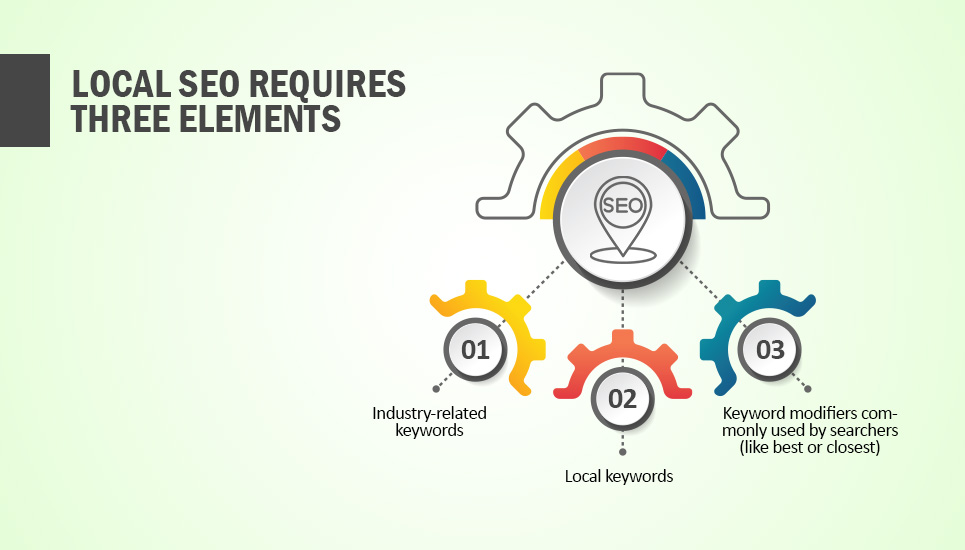
- Local SEO : For businesses with a physical presence, optimizing for local search through Google My Business, and local citations helps capture relevant local traffic.
By combining keyword research with both on-page and off-page strategies, businesses can create a robust SEO framework that enhances visibility and drives more organic traffic. Remember that SEO is an ongoing practice, and adjusting these tactics based on performance metrics can lead to sustained success over time.

Leveraging Content Marketing for SEO Success
Creating High-Quality and Engaging Content
As we delve deeper into the realm of SEO strategy, it becomes increasingly evident that leveraging content marketing is pivotal to achieving SEO success. At the heart of this tactic is the creation of high-quality and engaging content, which not only attracts visitors but also retains them, ultimately improving your website’s ranking.
When we talk about high-quality content, we’re referring to material that is informative, well-researched, and relevant to your audience’s needs. A personal experience illustrates this nicely. A client in the health and wellness industry was creating generic content that failed to capture audience interest. By pivoting to in-depth articles on specific health topics—for instance, the benefits of mindfulness or keto diets—they began receiving increased engagement and shares.
Here are a few strategies to enhance the quality and engagement of your content:
- Know Your Audience : Understanding your audience’s pain points and interests allows you to tailor content that addresses their specific needs.
- Be Informative and Educational : Provide actionable insights and valuable information that readers can apply. Consider using data, case studies, or expert opinions to back up your claims.
- Incorporate Visuals : Use images, infographics, and videos to break up text and make your content more visually appealing. Studies show that visuals can increase user engagement significantly.
- Use Storytelling : Integrate storytelling into your content. Narratives can make your material relatable and memorable.
Moreover, regularly updating existing content also signals to search engines that your website is active, which can help sustain and enhance rankings.
Utilizing Blogs and Social Media Platforms
Once you have compelling content, it’s crucial to distribute it effectively. Blogs and social media platforms serve as excellent channels for reaching a broader audience and driving traffic back to your website.
Blog Utilization:
- Establish Authority : Creating a blog related to your niche allows you to showcase expertise and establish authority. Regular postings can significantly improve SEO by using targeted keywords and covering trending topics.
- Internal Linking : When you blog, incorporate internal links to connect related articles on your site. This not only aids in SEO but also improves user experience by guiding them to additional relevant content.
- Encourage Interaction : Foster a community by encouraging comments and discussions on your blog posts. Engaged readers are more likely to share your content, extending your reach.
Social Media Platforms:
- Wider Distribution : Share your blog posts across various social media platforms such as Facebook, Twitter, Instagram, and LinkedIn. This can drive traffic immediately and increase backlink opportunities.
- Build Relationships : Engage with your audience through comments and direct messages. Building these relationships can enhance loyalty and make readers more likely to return.
- Monitor Trends : Keep an eye on trending topics within your industry. Aligning your content with these trends can position you as a thought leader, garnering more traffic and credibility.
By effectively leveraging both high-quality content and distribution platforms, businesses can greatly enhance their SEO efforts. This dual approach not only boosts visibility but cultivates a loyal audience—an invaluable asset in today’s competitive digital marketplace. In conclusion, the synergy between content marketing and SEO is undeniable, creating a foundation for long-term online success.
The Role of Mobile Optimization in SEO Strategies
Responsive Web Design
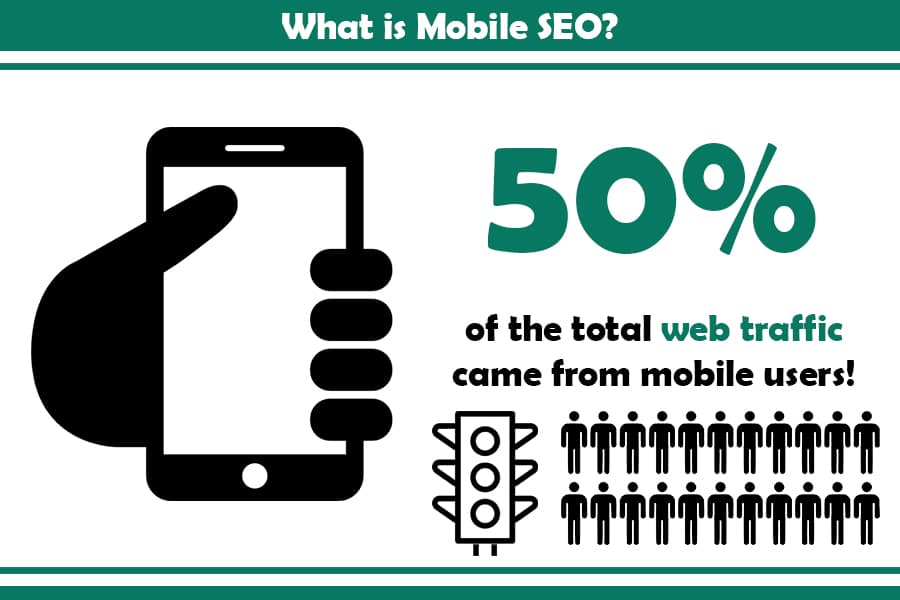
Transitioning from the importance of content marketing, we now turn our attention to an increasingly critical aspect of SEO—mobile optimization. With mobile devices generating over half of global website traffic, having a responsive web design is no longer optional; it’s essential for any effective SEO strategy.
Responsive web design ensures that your website adapts seamlessly to different screen sizes and orientations. This means whether users are accessing your site via smartphones, tablets, or desktop computers, they receive an optimal viewing experience.
For instance, I once worked with a local restaurant that had a beautiful website designed for desktop use but was cumbersome on mobile devices. Users found themselves pinching and zooming to read menus, leading to high bounce rates. By implementing responsive design, the restaurant saw their user engagement improve significantly, resulting in a notable uptick in reservations made via mobile.
Here are several key benefits of responsive web design:
- Enhanced User Experience : A seamless transition across devices ensures users can navigate easily, regardless of their access point.
- Improved SEO Ranking : Google favors mobile-friendly websites in its search algorithm. Sites that aren’t optimized for mobile risk dropping in search rankings.
- Lower Bounce Rates : When users find a website easy to navigate, they’re more likely to stick around rather than leave in frustration.
- Simplified Maintenance : With a single responsive site, you avoid the hassle of managing separate mobile and desktop versions.
Investing in responsive design allows businesses to accommodate a diverse audience, reinforcing their commitment to quality user experience and enhancing SEO efforts.
Mobile Site Speed and User Experience
In addition to responsive design, mobile site speed is another linchpin of mobile optimization that directly impacts SEO and user experience. Google has indicated that site speed is a ranking factor in mobile searches; slow loading times can deter users and result in high abandonment rates.
Think about it: when was the last time you waited more than a few seconds for a website to load on your phone? Personally, I’ve often closed tabs that took too long to load, opting instead for a competitor with a more responsive design.
To enhance mobile site speed, consider the following tactics:
- Optimize Images : Compress images to reduce their file size without sacrificing quality. Tools like TinyPNG can help achieve this.
- Minimize HTTP Requests : Reducing the number of elements on your page can lead to faster load times. Aim for a clean, streamlined design.
- Leverage Browser Caching : Enabling browser caching allows repeat visitors to load your site faster since their browser will store elements locally.
- Use Mobile-Specific Solutions : Consider implementing Accelerated Mobile Pages (AMP) which are designed to load quickly on mobile devices.
Finally, ensure that the overall user experience on mobile devices is intuitive. Clear navigation, readable text sizes, and clickable buttons that are properly sized can significantly enhance usability.
In conclusion, mobile optimization is a crucial element of contemporary SEO strategies. By focusing on responsive web design and mobile site speed, businesses not only improve their chances of ranking higher on search engines but also foster a positive experience that keeps users coming back. Making these adjustments can lead to a well-rounded SEO strategy, paving the way for increased organic traffic and improved conversion rates.
Measuring and Analyzing SEO Performance
Monitoring Traffic and Conversion Rates
As we conclude our examination of mobile optimization, it’s vital to pivot to the measuring and analyzing of SEO performance. Just as in any strategic initiative, understanding the results of your efforts is paramount to continuous improvement. Monitoring traffic and conversion rates provides insights into how well your SEO tactics are performing.
Traffic monitoring involves keeping an eye on the number of visitors your site receives and where they’re coming from. A personal experience comes to mind: while helping a nonprofit organization with their website, we set up regular traffic monitoring. Initially, we noticed a spike in visits without a corresponding increase in donations. This discrepancy led us to investigate further, revealing that while we had traffic, we weren’t converting these visitors into donors effectively.
Here are key metrics to track in this regard:
- Organic Traffic : Measure the number of visitors arriving at your site through unpaid search results. This metric indicates how well your SEO strategies are working.
- Bounce Rate : A high bounce rate may signal that visitors are not finding what they expect on your site. Strive for a bounce rate below 40%.
- Conversion Rate : This refers to the percentage of visitors who complete a desired action, such as signing up for a newsletter or making a purchase. A low conversion rate, even with high traffic, indicates a need for optimizing landing pages.
- Average Session Duration : This metric shows how long visitors engage with your site. Longer sessions typically suggest that users find your content valuable.
By closely monitoring these metrics, businesses can make informed adjustments to their SEO strategies, helping drive greater engagement and conversions over time.
Using Analytics Tools for Data-driven Decision Making
Once you’ve established a way to monitor these important metrics, the next step is utilizing analytics tools for data-driven decision-making. The right tools help you distill vast amounts of data into actionable insights, guiding future SEO strategies with precision.
Google Analytics is perhaps the most commonly used tool for this purpose. It provides comprehensive reports on website traffic, user behavior, acquisition channels, and more. Setting up goals in Google Analytics lets you track specific actions on your site, such as newsletter sign-ups or product purchases. Here’s how to get started:
- Setting Up Tracking : Ensure that Google Analytics is properly set up with your site. Use UTM parameters for tracking campaigns effectively.
- Regular Reporting : Create regular reports to understand how your SEO strategies contribute to your business goals. Weekly or monthly reports allow for timely adjustments.
- Utilizing Heatmaps : Tools like Hotjar or Crazy Egg provide heatmaps that visually represent user interaction on your site. Analyzing this data can reveal where users click most often, helping refine your content layout.
- A/B Testing : Employ tools like Optimizely to conduct A/B tests on key landing pages. This can help determine which elements lead to higher conversion rates.
- Competitor Analysis Tools : Using tools such as SEMrush or Ahrefs can provide insight into how your competitors are performing, highlighting potential keywords or strategies to adopt.
In summary, measuring and analyzing SEO performance through traffic monitoring and analytics tools is essential for creating a successful SEO strategy. These practices not only provide clarity on the effectiveness of your efforts but also point the way toward continuous improvement. By adapting based on real data, businesses can enhance their online presence, ultimately leading to more traffic, higher engagement, and improved conversion rates.