

Introduction
What is White Label Keyword Research?
White label keyword research is an invaluable service offered by SEO agencies that enables businesses to tap into keyword insights without needing to invest heavily in powerful tools or extensive expertise themselves. With white label solutions, agencies can provide their clients with keyword data under their own branding. This means a small business can gain access to comprehensive keyword research capabilities while maintaining its unique identity.
Imagine you’re running a local bakery. You want to attract customers searching for “fresh bread near me” or “best cupcakes in [Your City].” Instead of figuring all this out on your own, you partner with an agency that performs white label keyword research. They handle the complex analysis and deliver tailor-made reports that you can directly share with your customers, presenting a polished image.
Importance of Keyword Research in SEO
Keyword research forms the backbone of any effective SEO strategy. It’s not just about picking random words that seem relevant; it involves understanding what potential customers are actively searching for. Here’s why keyword research is crucial:
- Targeted Traffic: By identifying the right keywords, businesses attract users who are ready to convert rather than just casual browsers.
- Competitive Edge: Understanding the keywords your competitors are targeting can help you carve out a niche where you can effectively compete.
- Content Development: Keyword insights align your content strategy with what users want to see, making your content more relatable and engaging.
For instance, when I started a blog focused on healthy eating, I invested time in keyword research. I discovered that “quick healthy recipes” was a rising search term. Because of this insight, I crafted content that directly spoke to that audience, and as a result, my site saw a substantial uptick in visitors.
Ultimately, the goal of keyword research is to bridge the gap between what users search for and what businesses can offer, ensuring optimal reach and engagement online.

Understanding Your Competitors
Analyzing Competitors’ Keywords
Understanding your competitors is a crucial part of effective keyword research. By analyzing the keywords your competitors are targeting, you can gain insights into their strategies and identify opportunities for your own SEO efforts. This process is not about copying them but rather about learning from their successes and challenges.
For example, let’s say you run a local gym. If you notice that your competitors rank highly for keywords like “affordable fitness classes” or “personal training in [Your City],” it suggests those phrases resonate well with local customers.
To get started with keyword analysis, consider:
- Using Keyword Research Tools: Tools such as SEMrush, Ahrefs, or Moz can help you uncover the keywords your competitors are targeting.
- Monitoring Search Engine Results: Regularly search for relevant terms and analyze who appears in the top results. Take note of their meta descriptions, headings, and content topics.
- Tracking Content Performance: Look at the type of blog posts or articles your competitors produce. Are they focusing on guides, tips, listicles, or stories?
Identifying Competitors’ Keyword Strategies
Once you have a grasp of the keywords your competitors are using, the next step is to identify their keyword strategies. This involves understanding how they position themselves in the market and what methods they employ to engage their audiences.
Consider these key points when assessing your competitors’ strategies:
- Content Themes: What topics do they focus on? For instance, if your competitor publishes numerous posts about “home workout routines,” they’re likely trying to attract users who prefer exercising at home.
- SEO Practices: Observe their on-page SEO techniques, such as keyword placement in titles, headings, and body copy. This will give you clues on how to optimize your own content.
- Social Media Integration: Check if they promote their keyword-rich content on social media. A strong social presence often complements their SEO efforts.
In my experience, analyzing what my competitors did right—and even wrong—shaped my approach. It turned out that focusing on niche keywords that my competitors overlooked helped me carve out my unique space in the blogging world. By understanding their strategies, you can enhance your own approach and ensure you’re staying relevant in today’s competitive digital landscape.

Implementing White Label Keyword Research Tools
Top White Label Keyword Research Tools
When diving into the world of white label keyword research, choosing the right tools can make all the difference. Here are some of the top options that can help streamline your process and deliver valuable insights without brand clutter:
- SEMrush: Widely recognized as a powerhouse in digital marketing, SEMrush offers a robust suite of tools. Their white label capabilities allow you to create custom reports featuring keyword analysis, site audits, and competitor tracking.
- Ahrefs: This tool is particularly known for its extensive backlink analysis, but its keyword research features are just as strong. Ahrefs provides you with keyword ideas based on search volume, difficulty, and click potential, making it a favorite for many marketers.
- Moz Pro: Moz’s keyword explorer is user-friendly and provides accurate metric data for keywords, including monthly search volume and keyword difficulty. The white label reporting option makes it easy to present findings to clients professionally.
- SpyFu: A go-to tool for competitive analysis, SpyFu reveals the keywords your competitors are using, as well as their ad campaigns. The best part? You can white label your reports to keep your branding front and center.
By leveraging these tools, you not only enhance your keyword research capabilities but also maintain a professional appearance when presenting data to clients.
Features to Look for in a White Label Keyword Research Tool
Selecting the right white label keyword research tool goes beyond popularity—certain features can truly elevate your analysis process:
- Comprehensive Keyword Database: Ensure the tool has vast keyword coverage, including long-tail keywords and related variations, to maximize search potential.
- User-Friendly Interface: A straightforward interface allows you to navigate easily and present findings without unnecessary complication.
- Customization Options: Look for tools that allow you to brand reports with your logo, colors, and style, making the output feel personal to your clients.
- Data Accuracy: The effectiveness of keyword research hinges on data quality. Tools should provide current and reliable metrics, which impact your overall strategy positively.
- Integration with Other Tools: Choose a tool that easily integrates with other platforms for SEO and analytics, streamlining your workflow.
In a past project, I found success using a particular white label tool that combined seamless reporting with extensive analytics. This not only saved me time but also wowed my clients with polished presentations of their keyword data. Ultimately, the right tool can enhance productivity and lead to better outcomes in your keyword research efforts.
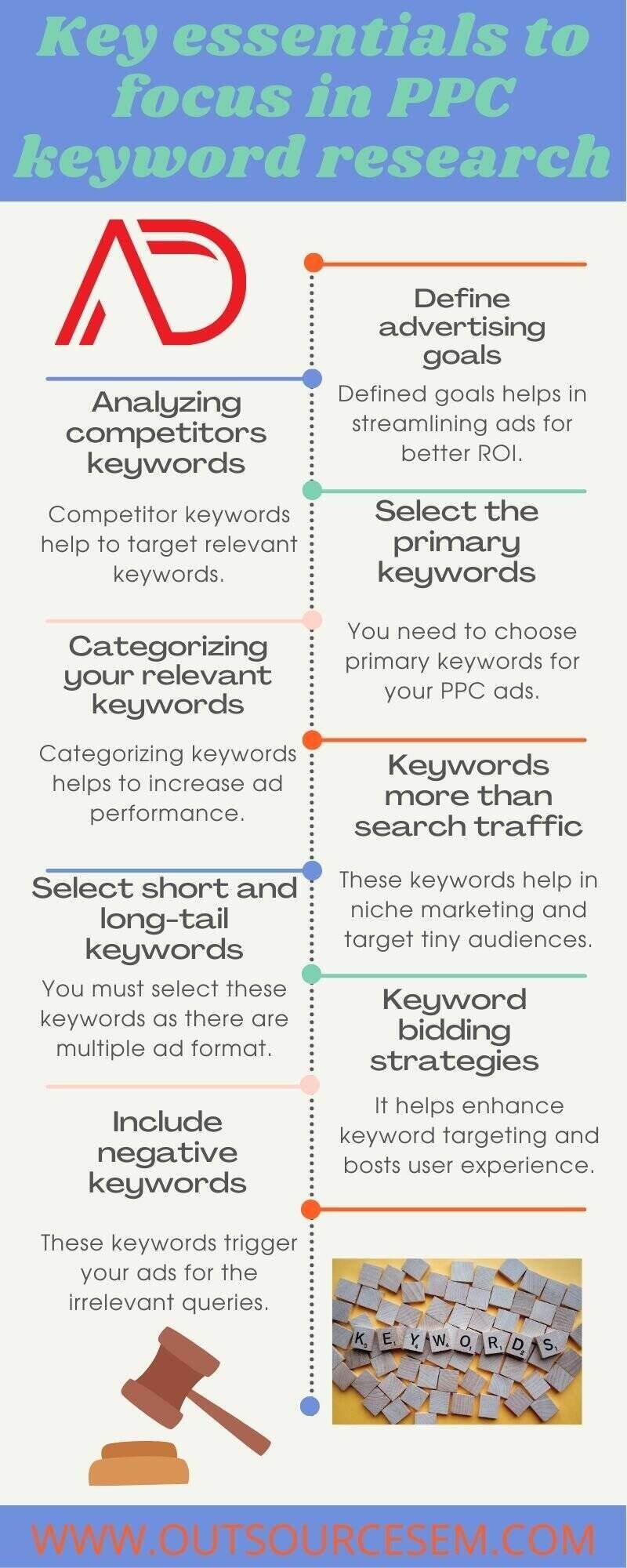
Conducting Keyword Analysis
Choosing Relevant Keywords
Now that you have a solid understanding of your competitors and the necessary tools at your disposal, it’s time to dive into the heart of your SEO strategy: conducting keyword analysis. The first step in this process is choosing relevant keywords that align with both your business goals and your target audience’s needs.
Start by reflecting on your business niche. For instance, if you operate an online store selling sustainable home goods, you might consider keywords like:
- “Eco-friendly kitchen products”
- “Sustainable home décor”
- “Zero waste living tips”
Here are some effective methods to identify relevant keywords:
- Customer Insights: Engage with your customers through surveys or feedback forms. What terms are they using to describe your products or services?
- Long-Tail Keywords: Don’t shy away from longer phrases. They are often less competitive and can attract highly targeted traffic. For example, “affordable eco-friendly kitchen supplies” might yield better results than just “kitchen products.”
- Use Your Tools: Leverage your chosen white label keyword tools to analyze search volume and competition levels. Focus on those that not only have substantial search numbers but also decent engagement rates.
Choosing the right keywords is crucial, as they serve as the entry point for users to discover your content.
Refining Keyword Selection Through Analysis
Once you’ve selected a set of potential keywords, it’s time to refine your list. Analysis is essential for ensuring you focus on terms that will truly drive traffic and conversions.
Consider these steps to refine your keyword selection:
- Analyze Search Intent: Are customers looking for information, products, or services? Match your keywords to this intent. For instance, “how to reduce plastic waste” indicates informational intent, while “buy biodegradable bags” signals transactional intent.
- Performance Metrics: Regularly review how your chosen keywords perform. Are they driving traffic? Are users engaged with your content? Tools can provide insights like click-through rates (CTR) and bounce rates, helping you pinpoint underperforming keywords.
- Experimentation: Try A/B testing with different keywords in your campaigns. This hands-on approach can reveal which terms resonate best with your audience and adjust your strategy accordingly.
In my own experience, refining keywords over time has proved invaluable. Initially, I struggled with overly competitive words, but a little tweaking brought in more relevant traffic. By focusing on the analysis phase, I could shift gears and tailor my content to meet my audience’s demands, leading to notable improvements in engagement and conversions. Remember, keyword analysis is an ongoing journey—keep evolving and adapting!

Optimizing SEO with White Label Keyword Research
Integrating Keywords in Content
With a refined keyword list in hand, the next big step is integrating those keywords effectively into your content. This isn’t about forcing keywords into every sentence; it’s about weaving them into your articles to enhance the readability and relevance of your messaging.
Here are some key strategies to consider when integrating keywords:
- Natural Placement: Aim to include your primary keywords in vital areas like the title, headings, and first paragraph. This helps search engines understand your content’s focus while maintaining a natural reading flow.
- Use Variants: Don’t limit yourself to just one keyword. Incorporate synonyms and related phrases throughout your content. For instance, if “sustainable home products” is your primary keyword, you might also use “eco-friendly goods” or “green home supplies.”
- Engaging Content: While keywords are essential, engaging content keeps visitors on your page. For instance, sharing personal stories about how you transitioned to eco-friendly living can make your content relatable and memorable.
- Optimized Meta Tags: Ensure your page’s meta title and description also include your target keywords. This not only helps with SEO but also improves click-through rates as users are drawn to relevant search results.
Monitoring and Adjusting Keyword Performance
The journey doesn’t end once you publish your content; ongoing monitoring and adjustment of keyword performance is crucial for long-term SEO success. This process involves analyzing how well your keywords are performing and tweaking your strategy as needed.
Here’s how to effectively monitor and adjust:
- Utilize Analytics Tools: Platforms like Google Analytics or your selected SEO tools can provide insights into which keywords are driving traffic and which aren’t. Pay attention to bounce rates and dwell times as indicators of user engagement.
- Adjust Based on Performance: If certain keywords are underperforming, consider changing your content to better align with what users are searching for. A compelling blog post about “top eco-friendly products” might outperform a less specific title.
- Be Adaptive: SEO is not static; trends can shift rapidly. Stay updated on changes in keyword usage or emerging topics within your niche. Regularly revisiting our keyword strategy can keep your content fresh and relevant.
In my experience, monitoring keyword performance has led to significant gains. I once discovered that a piece that focused on “DIY eco-friendly tips” was performing better than expected, so I created related content and expanded on the topic. This approach filled my content pipeline while attracting even more visitors. Building a habit of monitoring can provide ongoing opportunities for improvement and growth in your SEO strategy.

Measuring Success
Tracking Keyword Rankings
Once you’ve integrated your keywords and optimized your content, it’s time to measure the effectiveness of your efforts. Tracking keyword rankings allows you to see how well your site performs over time and understand which keywords are driving traffic to your pages.
Here are a few strategies to effectively track your keyword rankings:
- Utilize SEO Tools: Tools like Ahrefs, SEMrush, or Moz can automatically track your keyword rankings and provide detailed reports. They often allow you to set up alerts, so you’ll know when your rankings change.
- Monitor Search Results Regularly: Schedule consistent check-ins on search engine results pages (SERPs) for your target keywords. This can provide a hands-on understanding of your rankings and how they fluctuate over time.
- Focus on Long-Tail Keywords: Don’t just track high-volume keywords. Long-tail keywords might not have massive search volumes but can attract highly engaged visitors. For instance, “best gluten-free pizza near me” may not get as many searches as “pizza,” but it often indicates more intent to purchase.
Tracking keyword rankings not only shows you where you stand but also serves as a necessary foundation for future SEO strategies.
Analyzing Keyword Data for Improvement
The ability to analyze keyword data is critical for continuous improvement in your SEO efforts. Once you have the ranking information at your disposal, it’s time to delve deeper into the data.
To make the most of your keyword data analysis, consider these steps:
- Identify Trends: Look for patterns in your data. Are there specific times when certain keywords perform better? Seasonal trends can help you tailor your content calendar.
- Assess User Engagement: Examine metrics such as click-through rates (CTR), average time on page, and bounce rates associated with your keywords. High bounce rates on certain pages may signal that your content isn’t addressing user intent.
- Adjust Your Strategy: If certain keywords consistently underperform, consider refining your content or wishing to target new keywords based on the insights you’ve gathered. Be prepared to pivot; sometimes a simple change in wording can make a big difference.
In my own journey, consistently analyzing keyword performance revealed opportunity gaps I’d previously missed. For instance, a focus on holistic health content allowed me to penetrate niche markets that my competitors weren’t targeting. Regularly evaluating this data contributed to the sustained growth of my blog, confirming that measurement and adaptation are vital components of SEO success. By being proactive in measuring and analyzing your keyword performance, you can continuously refine your strategy to evolve with your audience’s needs.