

Understanding SEO Software
Importance of SEO Tools
In today’s digital landscape, the significance of SEO tools cannot be overstated. These platforms are critical in helping businesses and website owners enhance their online presence. They provide insights into how a site ranks in search engines, track performance, and identify issues that may hinder search engine optimization efforts.
Consider an example: a small e-commerce business aims to boost its online sales. Utilizing SEO tools enables them to analyze keywords effectively, monitor backlink profiles, and understand customer search behavior, ultimately leading to informed decisions.
Key benefits of SEO tools include:
- Enhanced Visibility : Helps your site appear in search results.
- Data-Driven Decisions : Provides analytics that guide strategy adjustments.
- Competitive Analysis : Allows businesses to understand their competitors’ strategies.
Types of SEO Software
When it comes to SEO software, they generally fall into two main categories: on-page and off-page tools.
On-Page SEO Tools
On-page SEO tools focus on optimizing individual web pages to rank higher. They analyze various elements like titles, meta descriptions, and content structure. Examples include:
- Yoast SEO : Simplifies optimization for WordPress sites.
- Screaming Frog : Crawls websites to identify SEO-related issues.
Off-Page SEO Tools
Off-page SEO tools, on the other hand, address external factors influencing rankings, such as backlinks. These tools help businesses build and monitor their online authority. Notable examples are:
- Ahrefs : Offers extensive backlink analysis.
- Moz Link Explorer : Provides insights into link quality.
By understanding and leveraging these tools, businesses can gain a significant edge in their SEO efforts, leading to better search engine ranking and increased traffic.
Free SEO Software Options
Google Search Console
Among the wealth of free SEO tools available, Google Search Console stands out as an essential resource for website owners. This platform allows users to monitor, maintain, and troubleshoot their site’s presence in Google search results.
Imagine you recently launched a blog and want to ensure it’s indexed properly. Google Search Console enables you to submit your sitemap, check for crawl errors, and even view which keywords are driving traffic to your site.
Key features include:
- Performance Reports : See how your pages perform in search results.
- Index Coverage : Understand which pages Google has successfully indexed.
- Mobile Usability : Identify any issues impacting mobile users.
Google Analytics
Another powerhouse in the realm of free SEO software is Google Analytics. This tool provides profound insights into visitor behavior, helping you gauge how well your content resonates with your audience.
For instance, after launching a new product page, Google Analytics allows you to track its performance by examining metrics such as user sessions, bounce rates, and conversion rates. This data can be invaluable for refining your marketing strategy.
Notable features of Google Analytics:
- Audience Insights : Learn who visits your site and their demographics.
- Traffic Sources : Discover where your visitors are coming from.
- Behavior Flow : Visualize how users navigate your site.
AnswerThePublic
Lastly, AnswerThePublic is a fantastic free tool that shines in its ability to generate content ideas. It works by showing common questions and phrases people search for related to your keywords.
When planning your next blog post, you can enter a keyword and receive a comprehensive list of queries—helpful for creating relevant and engaging content.
The main benefits include:
- Content Inspiration : Find out what your audience is curious about.
- SEO Optimization : Identify long-tail keywords to target in your articles.
Incorporating these free tools into your SEO strategy not only amplifies your online presence but also helps tailor your content to meet the needs of your audience effectively.

Utilizing Keyword Research Tools
When it comes to effective SEO strategies, keyword research is at the heart of it all. The right keywords can propel your content to the top of search engine results, making your website more accessible to potential visitors. Here are three powerful keyword research tools that can transform your approach.
SEMrush Keyword Magic Tool
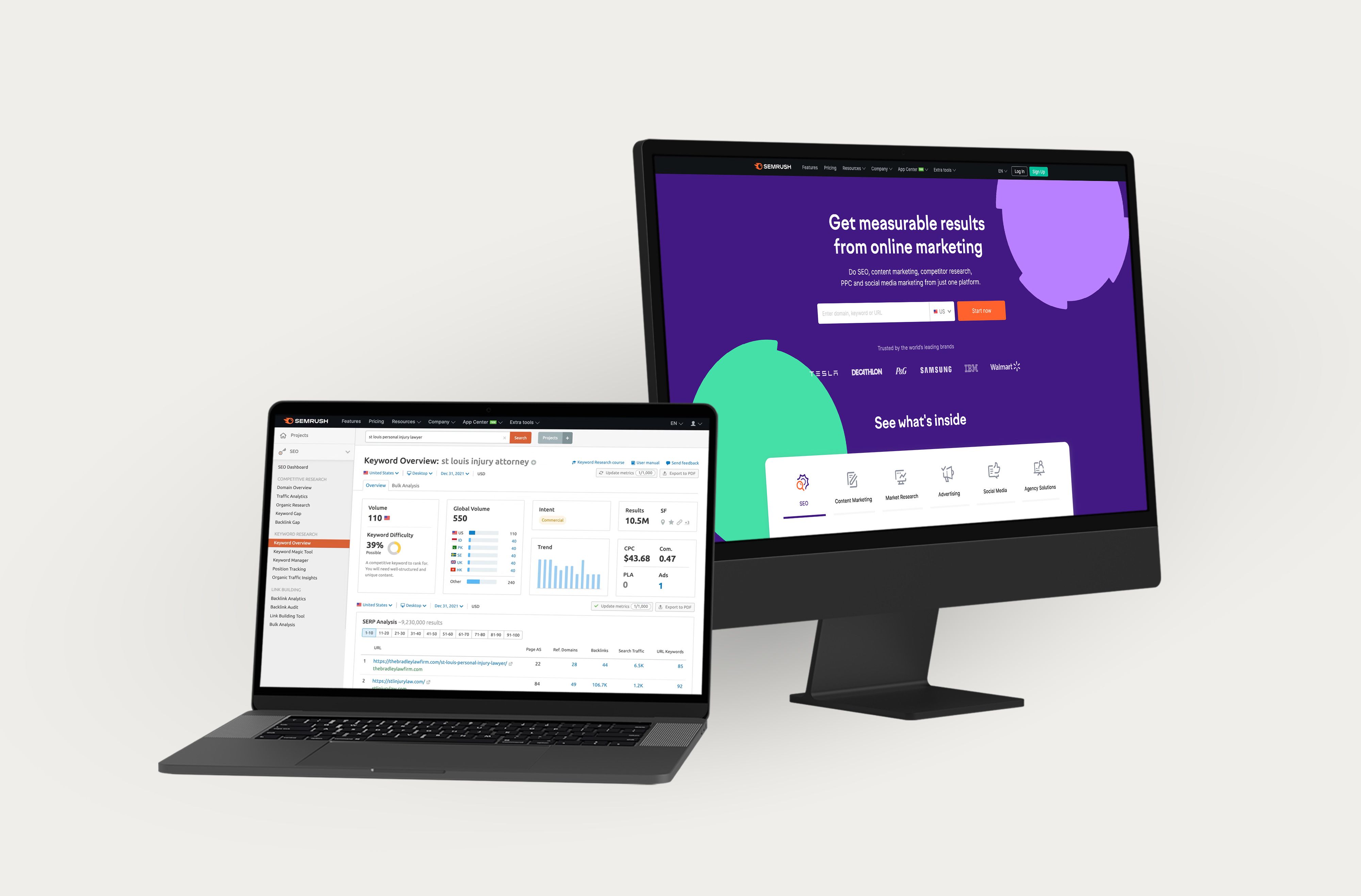
One of the heavyweights in keyword research is the SEMrush Keyword Magic Tool. This tool allows users to generate thousands of keyword suggestions based on a single seed keyword.
Imagine you run a health blog and type in “nutrition.” SEMrush will provide a comprehensive list of related keywords, including long-tail variations that potential readers are searching for. Some standout features include:
- Keyword Difficulty Score : Understand how tough it is to rank for specific keywords.
- Search Volume : Gain insights into how many times a keyword is searched monthly.
- SERP Analysis : Look at the current search results to identify your competition.
Ubersuggest
Another gem in the keyword research arena is Ubersuggest. This user-friendly tool offers a straightforward interface that displays keyword ideas, along with detailed information on search volume, competition, and cost-per-click (CPC).
For instance, if you’re focusing on “digital marketing,” Ubersuggest will unveil numerous suggestions and help you determine which terms to target based on your audience’s interests. Its key features include:
- Content Ideas : Get topic suggestions based on keywords.
- Trends Over Time : See how search volume fluctuates over months.
Keywords Everywhere
Lastly, Keywords Everywhere is a browser extension that brings keyword data directly into your search results. It displays useful metrics like search volume and competition anytime you perform a Google search.
Imagine typing in “best running shoes” and immediately seeing valuable insights without needing to switch between platforms. Its benefits include:
- Easy Access : View metrics alongside search results.
- Cost-Effective : Use a pay-per-use credit system rather than a subscription.
By integrating these keyword research tools into your SEO strategy, you can generate content that resonates with your audience, ranks well, and ultimately draws traffic to your website.

Enhancing Website Performance
While creating great content and utilizing effective SEO tools are critical steps, ensuring that your website performs well is equally important. A fast-loading website not only enhances user experience but also positively impacts your search engine rankings. Here are three key tools to help you optimize website performance.
PageSpeed Insights
One of the top contenders for measuring website speed is Google’s PageSpeed Insights. This tool analyzes the content of a web page and provides suggestions for improving its speed. Simply input your URL, and you’ll receive a score along with detailed analysis.
For example, if your blog page takes too long to load, PageSpeed will pinpoint issues—such as unoptimized images or excessive script files—allowing you to correct them effectively. Notable features include:
- Mobile Optimization Reports : Check how well your site performs on mobile devices.
- Real-World Data : Review actual user experience metrics through Core Web Vitals.
GTmetrix
Another excellent option for measuring site speed is GTmetrix. This tool combines metrics from Google Lighthouse and WebPageTest, giving you a comprehensive look at your site’s performance.
After running a test, GTmetrix provides a report that breaks down loading times by page components, letting you see where you can improve. Key features include:
- Waterfall Chart : Visualize the load order of all your resources.
- Performance Scores : Get actionable insights categorized into “Structure” and “Page Speed.”
Pingdom
Lastly, Pingdom is a user-friendly tool that assesses website performance with just a few clicks. It focuses on speed testing, showing how quickly your page loads and pinpointing any delays.
With Pingdom, you can:
- Monitor Uptime : Receive alerts if your site goes down.
- Test from Multiple Locations : See how your site performs globally.
By leveraging these performance-enhancing tools, webmasters can create a faster, smoother experience for their visitors, leading to better engagement and higher retention rates. A speedy website is not just a luxury but a necessity in today’s digital world.
On-Page SEO Tools
Once your website performance has been optimized, the next step is focusing on on-page SEO. Effective on-page optimization ensures that your content ranks well and accurately meets user intent. Here are three powerful tools to consider that can streamline this process.
Yoast SEO
Yoast SEO is a must-have for WordPress users looking to enhance their on-page SEO effortlessly. This plugin simplifies complex optimization tasks, allowing even beginners to implement best practices.
For instance, imagine writing a blog post and wondering if you’re using keywords effectively; Yoast provides real-time feedback on keyword usage, readability, and formatting. Some standout features include:
- Focus Keyphrase : Set a primary keyword and receive suggestions to optimize your content.
- Readability Analysis : Get tips on sentence length and passive voice usage.
Rank Math
Another excellent option for WordPress is Rank Math, known for its user-friendly interface and robust features. This tool allows users to optimize multiple keywords in a single post, which can be quite beneficial for competitive topics.
After testing Rank Math, many users find its setup process intuitive, making it easy to get started. Key features include:
- Advanced SEO Analytics : Gain insights into your content’s performance.
- Schema Markup : Help search engines understand your content better through structured data.
Screaming Frog
For those who prefer a more technical approach to on-page SEO, Screaming Frog is an invaluable tool. This desktop application crawls websites to identify SEO issues such as broken links, duplicate content, and missing meta tags.
Using Screaming Frog can feel like having your own SEO audit team. After a crawl, you’ll receive detailed reports that highlight specific areas needing attention. Notable features include:
- Custom Filters : Tailor the crawl based on your specific goals.
- Exportable Reports : Easily share findings with your team or clients.
By integrating these on-page SEO tools into your strategy, you can ensure that your content is not only search-engine friendly but also engaging for your audience. A well-optimized page can lead to increased traffic and better user experience, ultimately contributing to your website’s success.

Off-Page SEO Tools
After optimizing your on-page elements, it’s crucial to focus on off-page SEO to boost your website’s authority and visibility. Off-page SEO primarily revolves around building backlinks and enhancing your overall online reputation. Here are three prominent tools that can aid in your off-page SEO efforts.
Ahrefs Backlink Checker
Ahrefs is well-known in the SEO community, offering one of the most comprehensive backlink checkers available. With its extensive database, it provides insights into your backlink profile and those of your competitors.
Imagine you’re analyzing a competitor’s blog post that ranks high. By using Ahrefs, you can discover all the backlinks pointing to that post, allowing you to strategize your own link-building efforts effectively. Key features include:
- Domain Rating : Assess the strength of a website based on its backlink profile.
- Link Growth Over Time : Track how your backlinks evolve to understand the effectiveness of your strategies.
Moz Link Explorer
Another favorite among marketers is Moz Link Explorer, which simplifies link analysis with an intuitive interface. This tool not only allows you to check backlinks but also gives insights on domain authority and spam scores.
For instance, you might be looking to identify reputable sites for guest posting opportunities. Moz can help you filter through potential sites based on domain authority. Notable features include:
- Page Authority & Domain Authority : Measure the ranking potential of individual pages and entire domains.
- Anchor Text Distribution : Understand the types of anchor texts used in your backlinks.
Majestic SEO
Majestic SEO is another powerful tool, particularly known for its robust link index. It offers unique insights into backlinks, allowing users to analyze their link-building campaigns more deeply.
When using Majestic, you can access the “Trust Flow” and “Citation Flow” metrics, which help gauge link quality and overall influence. Essential features include:
- Site Explorer : Gain detailed insights into any website’s backlinks.
- Historic Index : Access data on a website’s backlinks over time.
Leveraging these off-page SEO tools is vital for enhancing your website’s visibility and authority. By strategically building backlinks and analyzing competitor profiles, you create pathways for increased organic traffic and better rankings in search engine results. Together, on-page and off-page SEO create a holistic approach that can lead to long-term success.

Monitoring and Tracking Progress
To ensure that your SEO strategies are effective, monitoring and tracking progress is essential. It allows you to understand what’s working, what isn’t, and where adjustments are needed. Here are three powerful tools that can help you stay on top of your SEO game.
Google Data Studio
Google Data Studio is a fantastic tool for visualizing your SEO efforts. It allows you to create customizable dashboards, pulling data from various sources like Google Analytics and Google Search Console.
Imagine tracking your website’s performance metrics in real-time, providing clear visuals to identify trends at a glance. With Data Studio, you can create reports showcasing key metrics, like:
- Traffic Overview : Understand visitor behavior.
- Conversion Rates : Measure how effective your SEO efforts are.
Using Data Studio makes it easy to share insights with your team or clients, fostering collaboration and informed decision-making.
SEOquake
Next up is SEOquake, a versatile browser extension that offers instant SEO metrics for any webpage. It’s perfect for quick audits while browsing and provides valuable insights such as:
- Domain Age : A quick check to assess the credibility of a site.
- Page Quality : Monitor link strength and other metrics at a glance.
For example, while you’re researching competitors, SEOquake can provide immediate information that can shape your strategy. It can act as your instant reference for assessing on-page SEO elements too.
Seobility
Lastly, Seobility is a comprehensive SEO tool that focuses on site auditing and keyword tracking. It allows you to scan your website for SEO issues like broken links and missing meta tags, making it easy to maintain your site’s health.
With Seobility, you can:
- Track Keyword Rankings : Monitor how your keywords perform over time.
- Content Optimization Suggestions : Receive actionable tips based on your website’s SEO audit.
Using these tools in tandem can create a robust framework for continually assessing the effectiveness of your SEO strategies. By tracking progress and making data-driven decisions, you can refine your approach, enhance engagement, and ultimately drive more traffic to your website. Staying proactive in monitoring not only safeguards your efforts but can also set you ahead of competitors in the long run.

Conclusion
As we’ve explored throughout this blog, utilizing SEO tools—both on-page and off-page—plays a pivotal role in driving online success. The emphasis on free SEO software options, like Google Search Console and Ubersuggest, demonstrates that effective optimization doesn’t have to break the bank.
Importance of Using Free SEO Software
Free SEO software tools empower website owners, digital marketers, and small business operators to harness the power of search engine optimization without incurring hefty costs. They help illuminate various aspects of website performance, keyword research, and backlink analysis, which are critical for improving search visibility.
For instance, when I started my first blog, I heavily relied on Google Analytics and SEMrush’s free features. These tools provided surprisingly comprehensive insights into my website’s traffic and performance, enabling me to make informed adjustments that increased my readership significantly. The importance of free resources cannot be overstated:
- Cost-Effective : Allows businesses of all sizes to implement SEO strategies.
- User-Friendly : Many tools offer intuitive interfaces that simplify complex tasks.
- Accessibility : With just an internet connection, anyone can start optimizing their site.
Future Trends in SEO Tools
Looking ahead, the landscape of SEO tools is continuously evolving. As artificial intelligence and machine learning gain traction, we can expect more sophisticated tools that analyze data more effectively and provide tailored recommendations.
Insights driven by AI will likely lead to:
- Predictive Analytics : Tools that can forecast trends and user behaviors before they happen.
- Voice Search Optimization : As voice searches grow, SEO tools will need to adapt to focus on natural language processing.
In conclusion, staying updated with these tools and trends is crucial for any SEO strategy. By leveraging both free and advanced SEO tools, professionals can navigate the digital marketing landscape more effectively, ensuring that they remain competitive and relevant in a constantly changing environment. As you embark on your SEO journey, embracing these tools will undoubtedly be a game changer for achieving long-term success.