

Introduction
Understanding SEO Keyword Research
At the heart of successful online visibility lies a powerful tool known as SEO keyword research. This essential process involves identifying the specific terms and phrases that potential customers are typing into search engines. By strategically incorporating these keywords into your content, website, and marketing strategies, businesses can significantly enhance their online presence.
When it comes to SEO, understanding keyword research can feel like a complex puzzle. However, breaking it down reveals its simplicity and importance. For example, consider a small local bakery aiming to attract more visitors. By researching keywords like “best homemade pastries in [city name]” or “gluten-free desserts near me,” the bakery can tailor its content to match what potential customers are searching for.
Why Keyword Research Matters
Here are a few key reasons why keyword research is crucial for any online venture:
- Targeted Marketing : It helps businesses focus on what their audience truly wants. Knowing the right keywords enables more targeted marketing campaigns.
- Content Creation : Powerful content is built around relevant keywords, ensuring that what businesses create aligns with user intent.
- Competitive Analysis : Keyword research gives insights into what competitors are ranking for, allowing businesses to adapt and optimize their strategy.
Furthermore, integrating keyword research into an SEO strategy ensures that websites can rank higher in search engine results. This not only enhances visibility but also establishes credibility, as higher-ranking sites are often perceived as trustworthy authority figures in their fields.
In the following sections, we will delve deeper into the multifaceted role of SEO keyword research and explore effective methods for enhancing online visibility.

The Role of SEO Keyword Research
Improving Search Engine Rankings
Continuing from our previous discussion, the role of SEO keyword research becomes even more apparent when we consider its direct impact on search engine rankings. Search engines like Google use complex algorithms to determine which content is most relevant to user queries. By targeting the right keywords, businesses can align their content with what search engines prioritize.
For instance, if a fitness coach wants to rank higher for “at-home workout plans,” incorporating this exact phrase strategically within their website content, blog posts, and metadata can signal to search engines that they have valuable information relevant to that query. This alignment can lead to:
- Higher Visibility : When a website ranks higher, it appears more frequently in search results, leading to greater exposure.
- Enhanced Credibility : Users tend to trust higher-ranking sites, perceiving them as more authoritative.
Increasing Organic Traffic
In addition to improving rankings, effective keyword research is a cornerstone for increasing organic traffic. Unlike paid traffic, organic traffic comes from users clicking on search results without any paid promotion, making it more sustainable in the long run. By using keywords wisely, businesses can attract users actively searching for their specific products or services.
Here are some key benefits of increasing organic traffic:
- Cost-Effective : While there may be upfront costs to optimize for keywords, organic traffic doesn’t require continuous payments like PPC advertising.
- Quality Leads : Organic visitors typically have a higher intent, making them more likely to convert into customers.
To illustrate, imagine an online bookstore that optimizes its website around keywords like “bestselling novels 2023” and “classic literature reviews.” By doing so, it targets an engaged audience, leading to higher traffic and better sales opportunities.
In blending these strategies—improving rankings through targeted keywords and increasing organic traffic—businesses can ultimately secure a more robust online presence. Next, we’ll explore various types of keywords and how they can further refine the SEO approach.
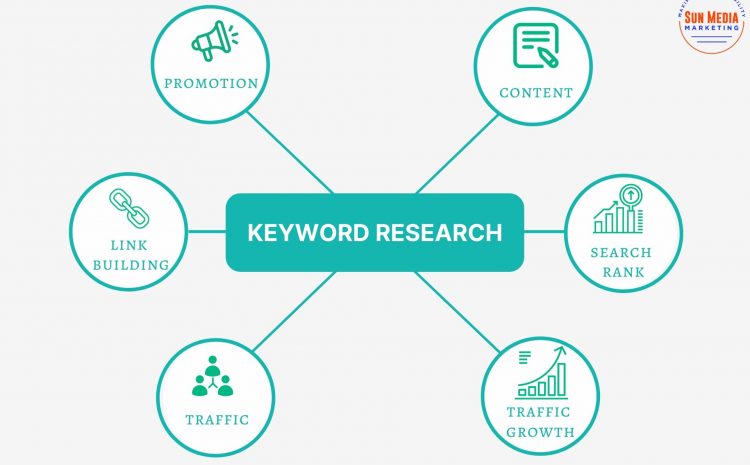
Types of Keywords
Short-Tail Keywords
Transitioning from our previous discussion on the importance of keyword research, it’s essential to recognize the different types of keywords available to marketers. Broadly speaking, keywords can be categorized into short-tail and long-tail keywords. Understanding these categories can help businesses tailor their strategies for maximum impact.
Short-tail keywords are typically one to three words long and are highly general in nature. For example, keywords like “shoes” or “travel” fall into this category. While these keywords can generate a high volume of search traffic, they come with their challenges:
- High Competition : Since short-tail keywords are so popular, many businesses are vying for the same terms, making it difficult to rank for them.
- Lower Conversion Rates : General terms often attract a wider audience, but that audience may not always be specifically interested in what you offer.
For instance, a company selling running shoes might struggle to rank for the term “shoes,” as it competes with numerous retailers and brands.
Long-Tail Keywords
On the other hand, long-tail keywords consist of three or more words and are much more specific, such as “best running shoes for flat feet.” These types of keywords hold significant advantages:
- Reduced Competition : While the search volume may be lower, the competition is also less intense, allowing businesses to rank more easily.
- Higher Conversion Rates : Because long-tail keywords target specific queries, users searching for these terms are often further along in the buying process and are more likely to convert.
For example, by focusing on long-tail keywords, a boutique flower shop might attract customers looking for “local sunflower delivery for weddings.” This specificity not only improves the chances of ranking but also ensures that the audience is genuinely interested in the offerings.
In conclusion, striking a balance between short-tail and long-tail keywords can create a well-rounded SEO strategy. Next, we will explore essential keyword research tools that can assist businesses in identifying the best keywords to leverage.

Keyword Research Tools
Google Keyword Planner
Having discussed the types of keywords, the next logical step is to delve into the tools available for effective keyword research. One of the most popular and widely used tools in the industry is Google Keyword Planner.
This free tool, offered through Google Ads, provides invaluable insights into keyword data. Here’s how it can benefit users:
- Keyword Ideas : Users can enter a broad term related to their niche, and Google Keyword Planner will generate a list of related keywords, complete with search volumes, competition levels, and suggested bids for advertising.
- Trend Analysis : It allows users to analyze how search volumes for specific keywords fluctuate over time, enabling strategic content planning.
- Localization : The tool can filter results based on geographical locations, helping businesses target local audiences effectively.
For example, a restaurant owner looking to attract more local diners can find keywords like “best Italian restaurant in [city name]” using this tool, ensuring they’re aligned with what local customers are searching for.
SEMrush
Another highly regarded tool in the SEO community is SEMrush. While it operates on a premium model, many find the investment well worth the comprehensive features it offers:
- Competitive Analysis : SEMrush enables users to spy on their competitors’ keyword strategies, revealing which keywords they rank for and their traffic estimates. This insight can help refine your own keyword tactics.
- Content Optimization : The tool provides suggestions on how to optimize content based on keyword focus, ensuring on-page SEO practices are adequately followed.
- SEO Audits : Users can perform website audits to identify areas that need improvement, including keyword usage and site performance metrics.
For instance, if a competing local bakery is successfully ranking for “vegan cakes [city name]” but your bakery hasn’t explored this niche, SEMrush could flag this opportunity for potential traffic growth.
In summary, utilizing tools like Google Keyword Planner and SEMrush can transform keyword research from a daunting task into a systematic approach, helping businesses hone in on the right keywords effectively. Up next, we’ll look into the importance of competitive analysis in keyword research.
Importance of Competitive Analysis
Identifying Competitors’ Keywords
Building upon our exploration of keyword research tools, let’s discuss the significance of competitive analysis. Understanding what your competitors are doing can provide key insights into your own SEO strategy. One major component of this analysis is identifying competitors’ keywords.
By uncovering which keywords competitors are targeting, businesses can tailor their own strategies. For example, an e-commerce store selling organic skincare products might find that a competitor is ranking well for “eco-friendly moisturizers.” This revelation allows the store to reassess its keyword approach, potentially leading to the addition of similar terms to their content.
Here are some valuable techniques for identifying competitors’ keywords:
- Keyword Gap Analysis : Utilize tools like SEMrush to compare your website’s keyword rankings against competitors, identifying missed opportunities.
- Content Review : Look at the keywords used in top-ranking pages of competitors. This can inspire your content creation and keyword inclusion.
By taking note of what works for others, brands can refine their own keyword strategy and avoid reinventing the wheel.
Gaining Insights for Strategy
The process of competitive analysis goes beyond just pinpointing keywords; it also provides insights for strategy. Understanding how competitors approach their SEO can unveil valuable lessons and opportunities:
- Content Strategies : Analyzing the types of content that rank highly can guide your own content creation. For instance, if a competitor frequently publishes detailed guides, it may be worthwhile to consider similar content.
- Engagement Metrics : Observing how competitors engage their audience can reveal what resonates. Are they more successful on social media or in their email campaigns? This information could shape your promotional strategies.
For instance, if a competitor’s blog posts regularly generate comments and shares, it’s worth investigating their approach to content that may not yet be employed in your own tactics.
In conclusion, integrating competitive analysis into your keyword research not only helps pinpoint valuable keywords but also shapes a more robust overall strategy. In the next section, we will explore how to effectively incorporate keywords in content for maximum impact.
Incorporating Keywords in Content
On-Page Optimization
As we move forward in our discussion about keyword research and strategy, it’s crucial to understand how to effectively incorporate keywords into your content. The first area to focus on is on-page optimization, which refers to the strategies you can implement directly within your website.
Effective on-page optimization includes:
- Strategic Placement : Ensure that your primary keyword appears in critical locations, such as the title tag, headers (H1, H2), and meta descriptions. This helps search engines understand the relevance of your content.
- Content Quality : Aim for high-quality, informative content that naturally incorporates keywords. Overstuffing keywords can lead to a poor user experience and penalties from search engines.
- Internal Linking : Use your keywords as anchor text to link to other relevant pages on your website, helping to improve navigation and providing additional context for search engines.
For example, if you’re running a travel blog, using a primary keyword like “budget travel tips” in headings and throughout a post about affordable vacation options will not only improve your SEO but also keep readers engaged.
Off-Page Optimization
While on-page optimization focuses on the content within your site, off-page optimization refers to actions taken outside of your own website that can influence your rankings. This includes backlinking strategies and social media promotion.
Key aspects of off-page optimization include:
- Quality Backlinks : Aim to earn links from reputable sites within your niche. For instance, collaborating with influencers or guest posting on relevant blogs can drive traffic back to your site and enhance your authority.
- Social Media Engagement : Promoting your content on social media platforms can lead to shares and interactions, which can indirectly boost your visibility and organic search rankings.
Consider a fitness expert who starts a podcast and promotes episodes through Instagram. By reaching a wider audience and encouraging listeners to visit their blog for more tips, they enhance their website’s traffic and authority—all linked to their targeted keywords.
In summary, effectively incorporating keywords through both on-page and off-page optimization is essential for improving your site’s visibility and overall SEO strategy. Next, we will discuss the importance of monitoring and adjusting keywords for perpetual growth in traffic and engagement.
Monitoring and Adjusting Keywords
Tracking Performance Metrics
As we wrap up our discussion about incorporating keywords, it’s equally vital to focus on monitoring and adjusting keywords over time. This ongoing process ensures that your keyword strategy remains effective and relevant in a constantly evolving digital landscape. The first step in this journey is tracking performance metrics.
By keeping a close eye on key performance indicators (KPIs), you can assess how well your keywords are performing. Some essential metrics to track include:
- Organic Traffic : Use tools like Google Analytics to monitor the number of visitors arriving at your site via search engines. An increase in organic traffic often indicates that your keyword strategy is working.
- Keyword Rankings : Regularly check where your target keywords rank in search engine results pages (SERPs). This can help you identify which keywords are gaining traction and which might need more focus.
- Click-Through Rate (CTR) : This metric indicates how many people click on your links compared to how many see them. A low CTR may signal that your title or meta description needs optimization to entice more clicks.
For example, a local gym might notice that their blog post on “home workout routines” is attracting a lot of traffic. By pinpointing this trend, they can decide to create more content around related keywords, such as “strength training at home” to capitalize on this interest.
Making Adjustments for Improvement
Once you have a solid grasp on your tracking metrics, it’s time to start making adjustments for improvement. Keyword strategies should never be static; they need to evolve based on performance data.
Consider these adjustment strategies:
- Refine Your Keyword List : Based on performance data, drop underperforming keywords and replace them with more promising ones. For instance, if “energy-boosting snacks” isn’t yielding results, it might be beneficial to explore the keyword “healthy snack options” instead.
- Content Updates : Revamp existing content to include updated keywords or new insights based on current trends. This not only enhances SEO but can also improve user engagement as the content stays relevant and fresh.
For example, a travel agency that focuses on eco-tourism might find that a new eco-destination is trending. By adjusting their keyword focus to include this new information and updating their blog posts, they can attract a larger audience looking for sustainable travel options.
In conclusion, monitoring and adjusting keywords are critical for maintaining an effective SEO strategy. By regularly tracking performance metrics and making necessary improvements, businesses can enhance their online visibility and remain competitive in their industries. In our final section, we’ll summarize the key takeaways from our discussion on SEO keyword research.