
Introduction to SEO Web Analysis
Understanding the Basics of SEO
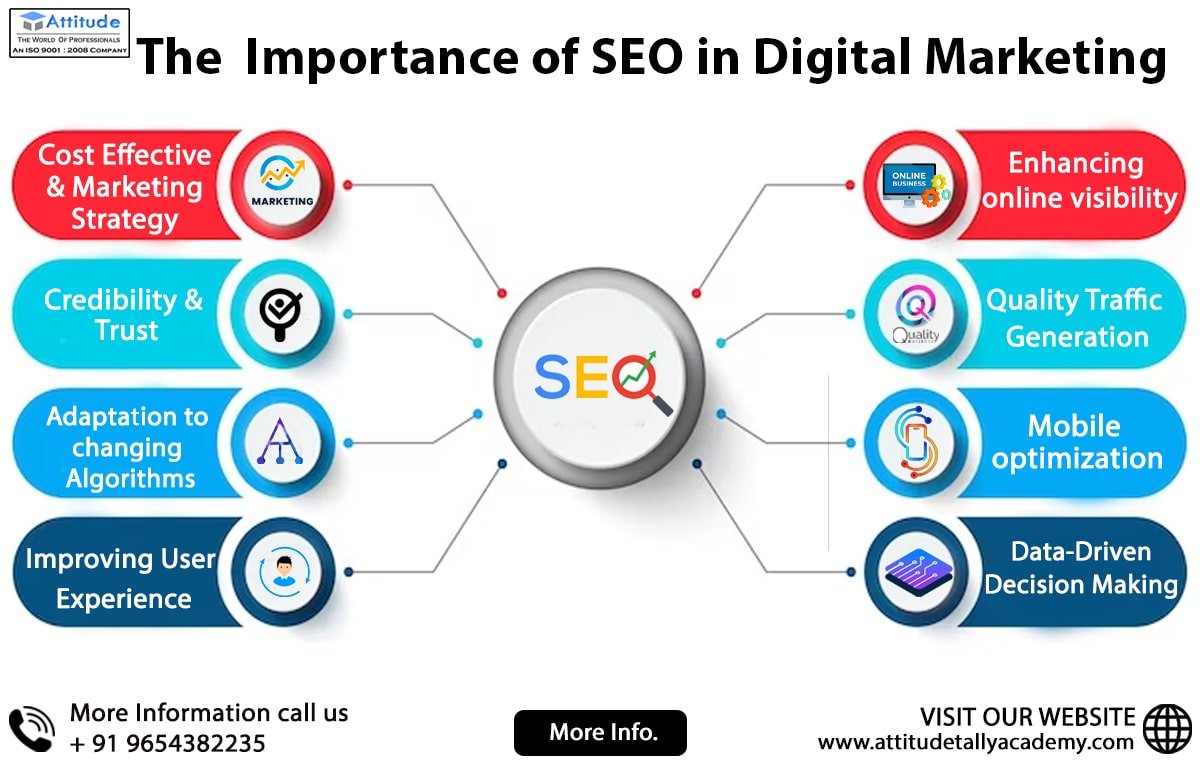
Search Engine Optimization (SEO) is the art and science of improving a website’s visibility on search engines like Google. It’s not just about using the right keywords; it’s about creating a holistic approach that encompasses various elements.
Imagine you’ve created the most visually stunning online store, but if no one can find it, will it be a success? That’s where SEO comes in. Key components of SEO include:
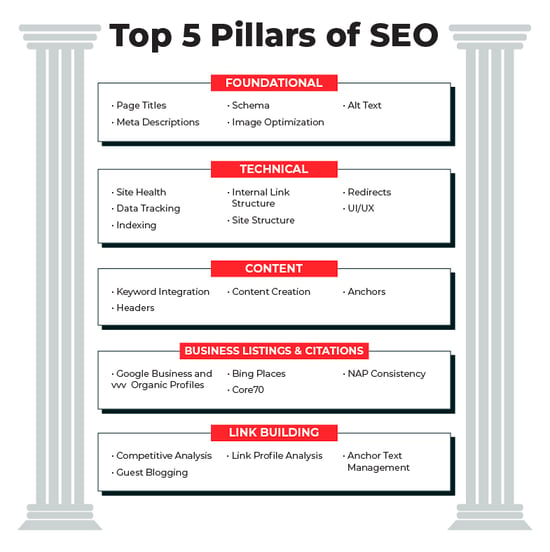
- On-page SEO : This involves optimizing individual pages, including content quality, keyword usage, and meta tags.
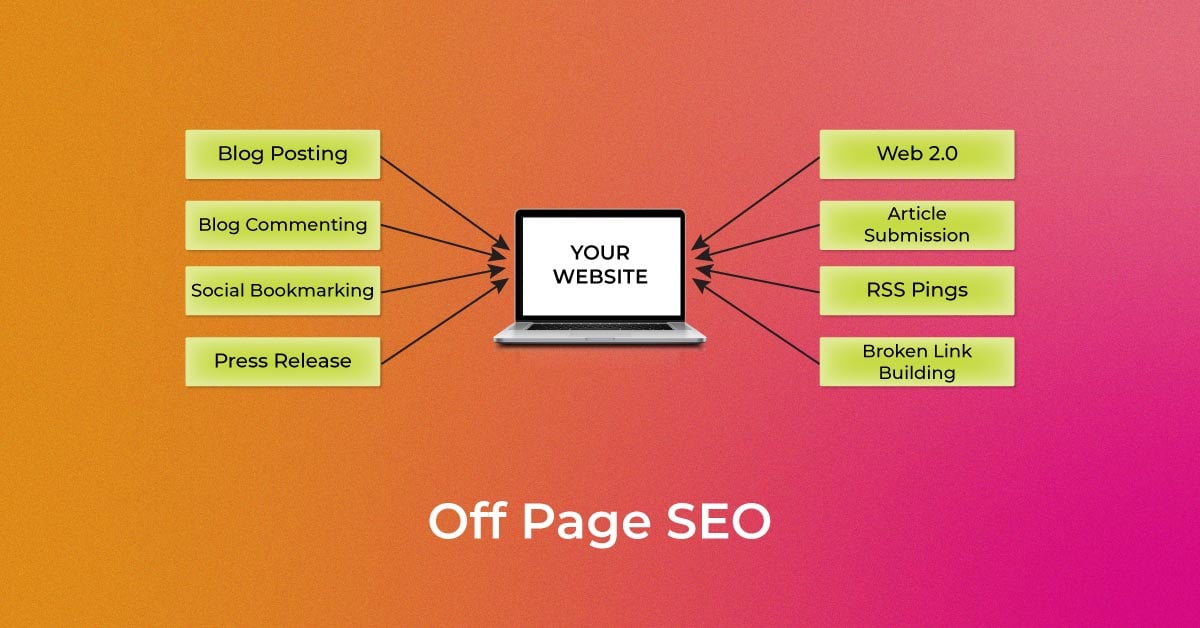
- Off-page SEO : Building authority through backlinks and creating a reputation from external sources.
- Technical SEO : Ensuring your website is engineered for crawlers and proper indexing.
Importance of Web Analysis
Now, why is web analysis crucial? Think of it as a diagnostic tool for your website. Just like a doctor analyzes symptoms to prescribe treatment, web analysis helps identify areas where your site may be lagging.
Here are some reasons why web analysis is essential:
- Performance Tracking : Understanding how your SEO efforts translate into traffic and engagement.
- Informed Decision Making : Data-driven insights allow for strategic adjustments.
- User Experience Improvement : Analyzing user behavior helps refine navigation and content strategies.
By regularly assessing these aspects, a website not only enhances its SEO performance but also delivers a better experience for its users.
Key Metrics for SEO Web Analysis
Organic Traffic Analysis
Continuing with the theme of investigating website performance, one of the first key metrics to consider is organic traffic. This refers to the visitors that come to your site through unpaid search results. Analyzing organic traffic gives valuable insights into how well your SEO strategies are working.
For instance, a few months ago, a friend of mine launched a new blog. After diligently optimizing her content for SEO, she started using tools to monitor her organic traffic. She was thrilled to discover that targeted keywords were driving more visitors than she anticipated. Here are a few things to focus on during organic traffic analysis:
- Traffic Sources : Understand where your traffic is coming from (e.g., search engines, specific pages).
- Trends Over Time : Track how organic traffic changes month-over-month. Is there a seasonal spike or a particular trend?
- User Engagement : Analyze bounce rates and time-on-page to gauge interest in your content.
Keyword Performance Tracking
Next up is keyword performance tracking, which is essentially measuring how well your chosen keywords are performing in driving traffic. This metric allows you to identify which keywords resonate with your audience and which ones might need a little more TLC.
For instance, in my experience, tracking keywords revealed that while certain keywords were high in volume, they were not yielding conversions. To effectively track keyword performance, consider these aspects:
- Ranking Position : Monitor where your keywords rank in search engine results.
- Search Volume : Evaluate the number of searches for your keywords to ensure they align with user interest.
- Click-Through Rates (CTR) : Measure how often people click on your links when they see them in search results.
By focusing on these metrics, website owners can refine their SEO strategies and enhance their overall web performance.
Tools for SEO Web Analysis
Google Analytics
Shifting gears, let’s talk about some essential tools that can make SEO web analysis much easier. One of the giants in this space is Google Analytics. This tool offers a wealth of data that can help you understand user behavior on your website.
For example, I remember when I first set up Google Analytics for my personal blog. I was amazed by the depth of insights I received! Here are some key features to leverage:
- Audience Insights : Who is visiting your site? Google Analytics provides demographic and geographic data.
- Acquisition Reports : These show how visitors find your site—be it through organic search, paid ads, social media, or direct links.
- Conversion Tracking : This feature allows you to measure whether specific goals are met, such as form submissions or purchases.
By utilizing these features, site owners can make informed decisions about their content and marketing strategies.
SEMrush
Another powerful tool is SEMrush, which is particularly well-loved in the digital marketing community. It’s an all-in-one solution that goes beyond just traffic analysis, making it a robust choice for anyone serious about SEO.
When I first explored SEMrush, I found its keyword research tool invaluable. Here’s how you can make the most of it:
- Keyword Tracking : Keep tabs on your rankings over time, and see how you stack up against competitors.
- Site Audits : Identify SEO issues and areas for improvement, such as broken links and missing meta tags.
- Competitor Analysis : Gain insights into your competitors’ strategies and discover new opportunities for your own site.
Using Google Analytics and SEMrush together can significantly enhance your SEO web analysis efforts, providing a comprehensive view of your site’s performance.
On-page Optimization Techniques
Meta Tags Analysis
As we dive deeper into enhancing your website’s performance, let’s focus on on-page optimization techniques that can make a significant impact. One key area to start with is meta tags analysis. Meta tags are pieces of HTML code that provide information about your webpage to search engines and users. They may seem small, but they play a big role in SEO.
When I revamped my own website, I learned how critical crafting effective meta titles and descriptions can be. Here are a few tips to optimize them:
- Unique Titles : Each page should have a distinct title that includes relevant keywords. Aim for 50-60 characters to ensure they display properly in search results.
- Compelling Descriptions : Write engaging meta descriptions that summarize your content and encourage clicks. Aim for around 150-160 characters.
- Use Keywords Wisely : Place your primary keywords near the beginning of both titles and descriptions.
Using these strategies, your website will not only attract clicks but also provide accurate expectations of the content.
Content Quality Evaluation
Next up is content quality evaluation, which is perhaps the most substantial aspect of on-page optimization. High-quality content keeps users engaged and establishes your site as a credible source.
Reflecting on my own experience, I realized that quality trumps quantity. Here’s how to ensure your content shines:
- Value-Driven Content : Always aim to provide valuable, actionable information that solves problems for your audience.
- Readability : Keep paragraphs short, use bullet points, and incorporate headers to enhance readability.
- Keyword Optimization : Naturally incorporate keywords throughout your content but avoid stuffing them. Aim for a keyword density of around 1-2%.
By focusing on these on-page optimization techniques, your website can improve its search engine rankings and create a better overall user experience.
Off-page SEO Strategies
Backlink Profile Audit
Transitioning now to off-page SEO strategies, let’s dive into two crucial areas: backlink profile audits and social media impact analysis. Backlinks, or incoming links from other websites, are a significant factor in how search engines rank your site. They act like votes of confidence, signaling to search engines that your content is credible.
I recall when I first started learning about backlinks; conducting a backlink profile audit was a revelation. Here’s how you can effectively audit your backlinks:
- Identify Quality Links : Use tools like Ahrefs or SEMrush to check which sites link to you. Focus on high-authority domains.
- Disavow Toxic Links : If you find low-quality or spammy links, consider disavowing them to protect your site’s reputation.
- Analyze Competitor Backlinks : Look at where your competitors are getting their backlinks from. This can help uncover new opportunities for your own site.
Conducting regular audits ensures that your backlink profile remains healthy and supports your SEO efforts.
Social Media Impact Analysis
Alongside backlink audits, social media impact analysis is vital for a well-rounded off-page SEO strategy. While social media may not have a direct influence on search rankings, its effects on audience engagement and brand visibility are invaluable.
When I integrated social media into my marketing strategy, I noticed a significant uptick in website traffic. Here are some things to focus on in your analysis:
- Engagement Metrics : Track likes, shares, comments, and overall engagement on your posts to evaluate what resonates with your audience.
- Traffic Referrals : Use tools like Google Analytics to see how much traffic comes from social media platforms.
- Content Sharing : Encourage sharing of your content by creating compelling posts that invite interactions.
By effectively auditing your backlinks and analyzing your social media presence, you can build a stronger off-page strategy that boosts your site’s SEO performance and visibility.

Understanding User Behavior through Data Analysis
Bounce Rate Analysis
Now, let’s explore how to understand user behavior through data analysis, starting with bounce rate analysis. The bounce rate is the percentage of visitors who leave your site after viewing only one page. A high bounce rate might signal that your content isn’t engaging or relevant to your audience.
Reflecting on my own experiences, I once noticed that my site’s bounce rate was skyrocketing. After digging deeper, I discovered that my landing pages didn’t match visitors’ expectations, which was a wake-up call! Here are some effective strategies for analyzing and improving bounce rates:
- Content Relevance : Ensure that your content aligns with the keywords driving traffic. If users find unexpected content, they’re quick to leave.
- Improve Load Times : A slow website can frustrate users. Tools like Google PageSpeed Insights can help identify areas for improvement.
- Clear Call-to-Actions : Make sure that visitors know what to do next. Whether it’s reading more articles or signing up for a newsletter, guide them clearly.
Conversion Rate Optimization
Once you’ve tackled bounce rates, your focus should shift to conversion rate optimization (CRO). This refers to your efforts to increase the percentage of visitors who complete a desired action, whether that’s signing up for a newsletter, making a purchase, or downloading a resource.
I’ve found that even small tweaks can lead to significant improvements in conversion rates. Here are a few powerful CRO tactics:
- A/B Testing : Experiment with different headlines, images, or CTAs to see what resonates most with your audience.
- Simplify Forms : If your conversion requires filling out forms, keep them concise. The longer the form, the less likely users are to complete it.
- Trust Signals : Add customer reviews, testimonials, and trust badges to instill confidence in your visitors.
By combining bounce rate analysis with conversion rate optimization strategies, you can create a more engaging user experience that not only reduces bounce rates but also drives conversions effectively.

SEO Web Analysis Best Practices
Regular Monitoring and Reporting
As we wrap up our exploration of user behavior through data analysis, it’s essential to discuss SEO web analysis best practices. One of the most crucial practices is regular monitoring and reporting. Consistency is key when it comes to tracking your site’s performance and making informed decisions.
When I first started monitoring my website metrics, I made it a habit to review my analytics weekly. This allowed me to spot trends and changes quickly. Here are some best practices to consider:
- Set Up Dashboards : Use tools like Google Data Studio to create visual dashboards that summarize key metrics for easy access.
- Monthly Reports : Prepare comprehensive monthly reports to track progress, identify areas for improvement, and celebrate wins.
- Alerts for Anomalies : Set up alerts for significant changes in traffic or engagement, so you can address potential issues proactively.
Continuous Optimization Strategies
Following regular monitoring, the next step involves implementing continuous optimization strategies. The digital landscape is ever-changing, and your SEO efforts must adapt accordingly.
From my experience, I’ve learned that small, incremental improvements can make a huge difference over time. Here’s how you can adopt a culture of ongoing optimization:
- User Feedback : Regularly collect user feedback through surveys or social media to understand their needs better and adjust your content accordingly.
- Revisit Old Content : Update older articles with new information, keywords, or even revised formatting to enhance their relevance and performance.
- Stay Informed : Keep up with SEO trends and algorithm changes by following industry experts and participating in webinars.
By prioritizing regular monitoring and adopting continuous optimization strategies, you can ensure that your SEO efforts remain effective and that your website continuously evolves to meet user expectations.

Case Studies of Successful Website Transformations
E-commerce Website Optimization
Jumping into the real-world applications of our previous discussions, let’s examine some compelling case studies of successful website transformations, starting with e-commerce website optimization. A few months back, a prominent online retailer I know faced declining sales despite a strong product lineup. After conducting an SEO audit, they discovered several key areas for improvement.
- Site Speed and Mobile Optimization : They optimized images and improved their website’s load time. This alone boosted their mobile conversion rates significantly.
- User Experience Enhancements : By simplifying the navigation and making it easier for customers to filter products, they significantly reduced bounce rates.
- Targeted SEO Strategies : They updated product descriptions with SEO-friendly content that included rich keywords while still engaging customers.
As a result of these changes, the e-commerce site experienced a 40% increase in conversions over six months, demonstrating the tangible benefits of focused optimization efforts.
Blog Website Revamp
Next up, let’s look at a blog website revamp. A friend of mine ran a lifestyle blog that struggled with traffic and engagement. After implementing targeted strategies based on data analysis, the transformation was impressive.
- Content Strategy Overhaul : They shifted to producing longer, more in-depth articles which resulted in increased dwell time on the site.
- SEO Best Practices : Each post was optimized with effective meta tags and keywords, driving organic traffic.
- Social Media Amplification : By creating shareable content tailored for specific social media platforms, they expanded their reach significantly.
Through these efforts, the blog saw a 300% increase in organic traffic within just four months, solidifying the importance of both content quality and effective SEO strategies in driving online success.
These case studies highlight that by applying the principles of SEO web analysis and optimization, significant improvements can be achieved, regardless of the type of website.

Future Trends in SEO Web Analysis
Voice Search Optimization
As we wrap up our exploration of successful website transformations, it’s critical to look ahead and consider the future trends in SEO web analysis. One of the most pivotal shifts is the rise of voice search optimization. With the proliferation of smart speakers and voice-activated devices, users are increasingly turning to voice commands to find information.
From my experience, optimizing for voice search involves focusing on natural language queries and conversational phrases. For instance, instead of searching for “best running shoes,” a user might ask, “What are the best running shoes for beginners?”
Here are key strategies for optimizing for voice search:
- Focus on Keywords : Use long-tail keywords and question-based phrases to align with how people speak.
- Structured Data : Implement schema markup to help search engines better understand your content, making it easier for them to respond to voice queries.
- Mobile Optimization : Ensure your site is mobile-friendly, as most voice searches are conducted on mobile devices.
AI and Machine Learning Integration
Another significant trend is the integration of AI and machine learning into SEO analysis. These technologies have the potential to transform how we approach optimization and web analysis.
I recently attended a workshop where an expert discussed the impact of AI on content creation and user personalization. Here’s how these advancements can enhance your SEO efforts:
- Predictive Analytics : AI tools can analyze data patterns to predict which keywords and topics are likely to gain traction in the near future.
- Content Optimization : AI-driven tools can suggest improvements for content based on current trends and user preferences.
- Enhanced User Experience : Machine learning algorithms can be used to analyze user behavior and tailor website experiences, ultimately increasing engagement and conversions.
By keeping an eye on voice search optimization and embracing AI and machine learning, businesses can stay ahead in the ever-evolving digital landscape and ensure their SEO strategies are robust and future-ready.

Conclusion and Takeaways
Wrapping up our discussion on SEO web analysis, it’s clear that the landscape of digital marketing is ever-evolving. From understanding user behavior to implementing the latest trends, there are numerous strategies that can significantly enhance your online presence.
Reflecting on my own journey in the world of SEO, I’ve witnessed firsthand how consistent effort and adaptation lead to tangible results. Here are a few key takeaways to keep in mind:
Key Points to Remember
- Regular Monitoring Is Essential : Consistent analysis of your website’s performance through tools like Google Analytics and SEMrush can unveil crucial insights about your audience and their preferences.
- Embrace Continuous Optimization : SEO is not a one-time task; it requires ongoing adjustments based on data insights, user feedback, and emerging trends.
- Adapt to Future Trends : Staying ahead of the curve by optimizing for voice search and integrating AI into your web strategies will give you a competitive edge.
- Focus on Quality Content : High-quality, relevant, and engaging content remains at the heart of any successful SEO strategy.
With these principles in mind, you can navigate the challenges of SEO with confidence. As you implement these strategies in your own efforts, remember that the digital landscape is a journey—every step taken can lead to greater visibility and success in the ever-competitive online marketplace.