
Introduction
Importance of SEO Site Analysis
In today’s digital landscape, having a website is just the beginning. To truly succeed online, businesses must understand the vital role of SEO site analysis. This process involves evaluating various elements of a website to identify strengths and weaknesses that can significantly impact visibility and ranking on search engines.
Imagine launching a new online store. Selling the best products is essential, but if potential customers can’t find your site, all that effort is in vain. SEO site analysis acts as a compass, guiding websites to optimize digital presence effectively. It helps businesses to:
- Enhance visibility : By identifying SEO weaknesses, such as slow loading times or broken links, businesses can improve their rankings.
- Understand audience behavior : Analysis reveals how users interact with the site, aiding in refining user experience.
- Stay ahead of competitors : Regular reviews allow businesses to adapt to changing trends and algorithms in a competitive online landscape.
Goals of SEO Site Analysis
The ultimate aim of conducting an SEO site analysis is to create a roadmap for improving a website’s performance. Key goals include:
- Identifying technical issues : Discovering and fixing issues that might hinder site performance, like crawl errors or HTTPS issues.
- Evaluating on-page elements : Auditing each page for content, keywords, and meta tags to ensure they align with SEO best practices.
- Assessing off-page factors : Understanding how backlinks and social signals contribute to or detract from online visibility.
In summary, effective SEO site analysis is essential for understanding a website’s current state and making informed decisions to enhance its performance in search engines. By systematically approaching this task, businesses can establish a solid foundation for ongoing SEO efforts, ensuring they not only reach their audience but also resonate with them.
Preparing for Analysis
To set the stage for a thorough SEO site analysis, it’s crucial to prepare effectively. This preparation consists of defining clear objectives and gathering the necessary data. These steps will ensure that the analysis is both targeted and productive.
Defining Objectives
Every successful analysis starts with clear goals. Without a defined objective, it’s all too easy to get lost in a sea of metrics and data. Think back to a time when you felt overwhelmed by information but didn’t know what you were looking for. That’s exactly what can happen during SEO analysis without established objectives.
Start by asking some fundamental questions, such as:
- What specific areas of the site need improvement?
- Are you aiming to boost organic traffic, enhance user experience, or increase conversion rates?
- Do you want to focus on a particular target audience or geographic area?
Once you’ve identified your goals, write them down. Creating actionable objectives can streamline your analysis and keep your efforts aligned with your business’s overall strategy.
Gathering Necessary Data
With objectives set, collecting relevant data becomes the next focus. Having the right data will empower your analysis, helping to illuminate the path towards your goals. Here’s a basic checklist of data points to gather:
- Website Traffic Reports : Analyze traffic sources and user behavior using tools like Google Analytics.
- Technical Parameters : Gather information on site speed, mobile responsiveness, and domain authority.
- On-page Metrics : Review content quality, keyword rankings, and meta descriptions.
- Backlink Profile : Examine the number and quality of backlinks pointing to your site.
By compiling this data, you will create a robust foundation for your SEO site analysis. As you embark on this analytical journey, remember that preparation is key to efficiently uncovering insights, leading to impactful recommendations.
Technical SEO Analysis
Having laid the groundwork for your SEO site analysis, the next step is to dive into the technical aspects. Technical SEO forms the backbone of a website’s performance and can significantly influence its search engine ranking. Two critical components of this analysis are site speed and mobile responsiveness.
Site Speed Analysis
When it comes to site speed, every second counts. Research shows that even a 1-second delay in page load time can lead to a 7% reduction in conversions! Imagine waiting for a webpage to load while you’re eager to learn more about a new product. Frustrating, isn’t it?
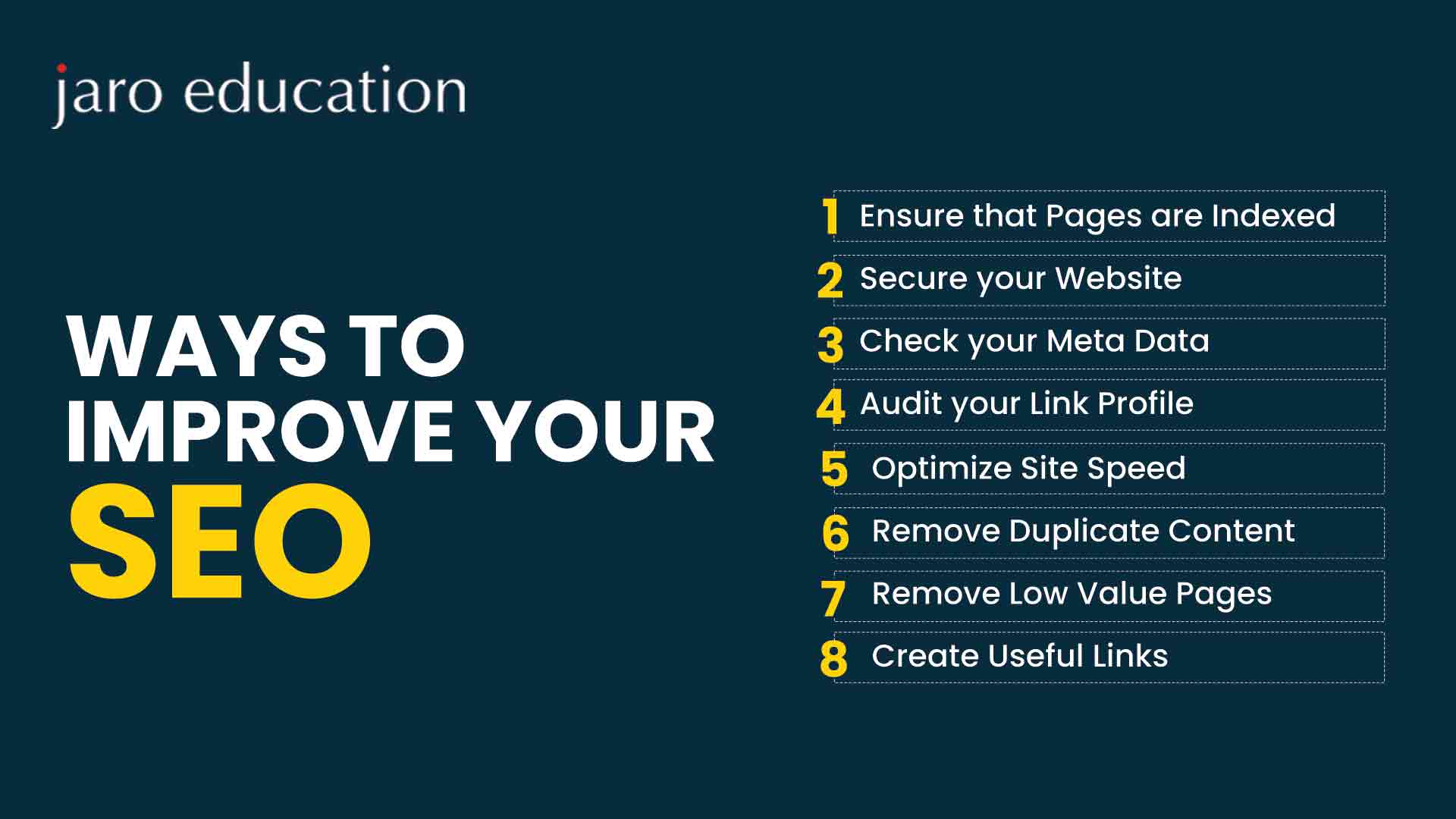
To assess site speed, use tools like Google PageSpeed Insights or GTmetrix. These platforms provide invaluable insights and highlight areas that require improvement, such as:
- Image optimization : Large images can slow down a site. Compressing images without losing quality can boost loading times.
- Browser caching : Enabling caching allows frequently visited pages to load faster, improving user experience.
- Minifying code : Removing unnecessary characters from HTML, CSS, and JavaScript can significantly contribute to quicker load times.
By addressing these areas, businesses can create a smoother, more enjoyable browsing experience.
Mobile Responsiveness Check
In an age where mobile devices account for over half of all web traffic, ensuring a website is mobile responsive is no longer optional. A responsive design adjusts seamlessly to different screen sizes, providing a user-friendly experience regardless of the device being used.
To check mobile responsiveness, there are various tools available, such as Google’s Mobile-Friendly Test. Here are key factors to consider:
- Layout : Ensure content scales correctly and is easy to read on smaller screens.
- Navigation : Implementing touch-friendly navigation can make browsing simpler and more intuitive.
- Loading Speed on Mobile : Often, mobile versions of sites can be slower; optimizing them is essential.
By prioritizing both site speed and mobile responsiveness, businesses can enhance user experience, which not only improves SEO performance but also leads to higher engagement and conversion rates. Taking these technical steps will set the foundation for an effective overall SEO strategy.

On-Page SEO Analysis
Now that the technical aspects of the site are in check, it’s time to transition into on-page SEO analysis. This critical phase focuses on evaluating content quality and keyword optimization, which are vital in determining how well a site ranks on search engines.
Content Quality Assessment
High-quality content is the heartbeat of effective SEO. It not only engages users but also signals to search engines that your site is a credible source of information. Remember that captivating blog post you couldn’t put down? Content like that is what sets successful websites apart!
When assessing content quality, consider the following elements:
- Relevance : Does the content address the needs and questions of your audience?
- Originality : Duplicate content can harm rankings. It’s vital to ensure that your posts are unique and provide fresh insights.
- Readability : Content should be easily digestible. Use shorter paragraphs, bullet points, and subheadings to make information more accessible.
- Value : Ask yourself if the content provides value to the reader—be it entertaining, informative, or actionable.
A well-articulated assessment will help identify areas for improvement, ensuring that your content resonates with both users and search engines.
Keyword Optimization Review
Once you have a quality content strategy in place, next comes keyword optimization. Keywords are the terms and phrases that users typically search for. If your content aligns with what users are searching for, you’re much more likely to drive organic traffic.
To conduct a thorough keyword optimization review, focus on:
- Keyword Placement : Ensure that primary keywords appear in key areas, such as the title, headings, and first 100 words of the content.
- Content Length : Longer, comprehensive content often performs better. Aim for at least 1,000 words, as this provides ample opportunity to include various related keywords.
- Internal Linking : Use relevant internal links to enhance user experience and distribute page authority across the site.
By meticulously assessing both content quality and keyword optimization, a business can lay down the groundwork for successful on-page SEO, ultimately leading to improved visibility in search results and better engagement with users.
Off-Page SEO Analysis
With the on-page elements polished, it’s essential to focus on off-page SEO analysis. This dimension goes beyond the confines of your website and revolves around building your brand’s authority and reputation online. Two pivotal areas in off-page SEO analysis are evaluating the backlink profile and auditing social media presence.
Backlink Profile Evaluation
Backlinks are often referred to as the “currency” of the internet. They are links from other websites leading back to yours and are critical for enhancing your site’s credibility. Picture this: you’re looking for recommendations before trying a new restaurant. When others vouch for it, you’re more likely to trust it—this is how backlinks work in the SEO world.
To evaluate your backlink profile, consider these factors:
- Quantity and Quality : Not all backlinks are created equal. While having numerous links is beneficial, high-quality backlinks from reputable sites weigh more in the SEO game.
- Diversity of Sources : A diverse backlink portfolio reflects a broader support base. Aim for links from various domains rather than relying on just a few.
- Anchor Text Optimization : The clickable text in a hyperlink, known as anchor text, should be relevant to the content. This relevance can help improve keyword rankings.
Tools like Ahrefs or Moz can aid in analyzing your backlink profile effectively, providing insights into areas that may require improvement.
Social Media Presence Audit
In today’s digital age, social media presence plays a crucial role in off-page SEO. While it may not directly influence search rankings, strong social engagement can drive traffic to your site and boost brand awareness. Think of it as the loudspeaker announcing the great things your website has to offer!
Auditing your social media presence should include:
- Consistency Across Platforms : Ensure your brand’s voice and visuals are consistent across different platforms—be it Instagram, Facebook, or LinkedIn.
- Engagement Metrics : Look for how often your content is liked, shared, and commented on. A high engagement rate indicates a receptive audience and higher visibility.
- Content Strategy : Assess the types of content that are performing best. Tailor future posts based on what resonates with your audience.
By thoroughly evaluating both your backlink profile and social media presence, you’ll gain valuable insights into building authority and reaching wider audiences online. This off-page SEO analysis is key to establishing a robust online presence, fostering trust with users, and, ultimately, driving more traffic to your site.

Competitor Analysis
After diving deep into off-page elements, the next phase of your SEO site analysis is competitor analysis. Understanding the competitive landscape is crucial for identifying opportunities and developing strategies that can set your brand apart. This process involves identifying key competitors and analyzing their strategies, allowing you to refine and enhance your own SEO efforts.
Identifying Key Competitors
The first step in competitor analysis is to pinpoint who your key competitors are. This can be more nuanced than it seems. While it might be straightforward to identify direct competitors—those offering similar products or services—consider also including indirect competitors who target the same audience.
To identify your key competitors, consider these steps:
- Keyword Research : Use tools like SEMrush or Ahrefs to see which companies rank for the keywords you’re targeting. If they’re competing for the same phrases, they’re contenders.
- Industry Reports : Look for reports or articles within your industry that highlight market leaders. This can provide a comprehensive view of who’s active in your domain.
- Social Media : Monitor social channels to discover brands that engage with your target audience. This can shed light on who they consider to be competitors.
This groundwork sets the foundation for the next step: analyzing their strategies.
Analyzing Competitors’ Strategies
Once you’ve identified your competitors, the next logical step is to dive into their strategies. Understanding what works for them can offer insights into what might work for you as well.
Here are elements to consider:
- Content Quality and Types : Evaluate the kind of content they’re producing. Are they focusing on blogs, videos, or social media posts? Note the topics that garner the most engagement.
- SEO Techniques : Analyze their on-page SEO tactics—keyword usage, meta descriptions, and the structure of their web pages. Tools like Moz can help you assess their backlinks, which can offer clues on their outreach efforts.
- Social Media Engagement : Observe how often they post and the level of engagement they receive. Look for trends in their posts that generate discussions or shares.
By identifying your competitors and analyzing their strategies, you can absorb valuable lessons that will help you chart a unique path for your brand. This knowledge equips you to cultivate a strategy that’s not only competitive but also tailor-fitted to your audience’s needs and preferences, ensuring that you stand out in a crowded digital landscape.
Reporting and Implementation
With a thorough understanding of your site’s strengths, weaknesses, and competitive landscape, the final phase of your SEO analysis is focusing on reporting and implementation. This is where insights turn into action, driving measurable improvements over time.
Creating Actionable Recommendations
The first step in this phase is crafting actionable recommendations based on your findings. This process involves translating complex data into clear, practical steps that can be executed. Imagine you’re trying to navigate a new city without a map—following precise directions will make the journey so much smoother.
Here’s how to create actionable recommendations:
- Prioritize : Not all recommendations are created equal. Focus on issues that will have the most significant impact first. For example, if page load speed is a problem, address that before moving on to less critical factors.
- Be Specific : Instead of vaguely suggesting improvements, provide concrete actions. For instance, recommend specific tools for optimizing images rather than just stating “improve page speed.”
- Set Timelines : Assign timeframes for each recommendation. This helps to create accountability and keeps efforts on track.
By distilling your findings into clear steps, you empower your team to take informed actions that drive results.
Monitoring and Tracking Progress
After implementing your recommendations, the next essential step is monitoring and tracking progress. Just as you would keep an eye on the scoreboard during a game, constant evaluation allows you to gauge the effectiveness of your strategies.
Consider using:
- Analytics Tools : Platforms like Google Analytics and SEMrush can provide ongoing insights into your site’s performance—like traffic increases or drops in bounce rates.
- Regular Reporting : Establish a regular reporting cadence, whether it’s weekly, monthly, or quarterly. This ensures that everyone involved remains informed about the progress and ongoing improvements.
- Key Performance Indicators (KPIs) : Define and track KPIs that align with your objectives. Whether it’s organic traffic growth, improved rankings, or increased conversions, knowing what to measure will keep your team focused.
By diligently monitoring progress and adjusting strategies as needed, businesses can stay agile in the ever-evolving digital landscape. This continuous loop of reporting and implementation is essential for achieving long-term SEO success and ensuring that your efforts translate into real results.