
Overview of SEO Optimization
Importance of SEO
In today’s digital landscape, SEO (Search Engine Optimization) plays a crucial role in ensuring that websites rank high on search engines, ultimately driving quality traffic. Businesses that neglect SEO are likely to miss out on potential customers, as studies show that about 75% of users don’t scroll past the first page of search results.
Imagine you own a bakery. Without SEO, your website might be buried beneath competitors, making it hard for local customers to discover your delicious pastries. Implementing effective SEO strategies can:
- Enhance online visibility
- Improve user experience
- Increase credibility and trust
- Drive organic traffic
The bottom line is, SEO isn’t just an option; it’s a necessity for success in the online marketplace.
Understanding Search Engine Algorithms
Now, let’s discuss search engine algorithms. These complex systems determine how content is ranked on search results, taking into account various factors. Think of them as secret recipes that Google and other search engines use to serve the most relevant results to users.
Some key elements that algorithms consider include:
- Keyword relevance : How well does your content match the user’s query?
- Quality of content : Is the content well-written, informative, and engaging?
- Backlinks : Does your site receive links from reputable sources?
By understanding these components, businesses can better align their strategies to meet the expectations of search engines, ultimately leading to improved visibility and success in digital marketing.
Keyword Research and Strategy
Identifying Relevant Keywords
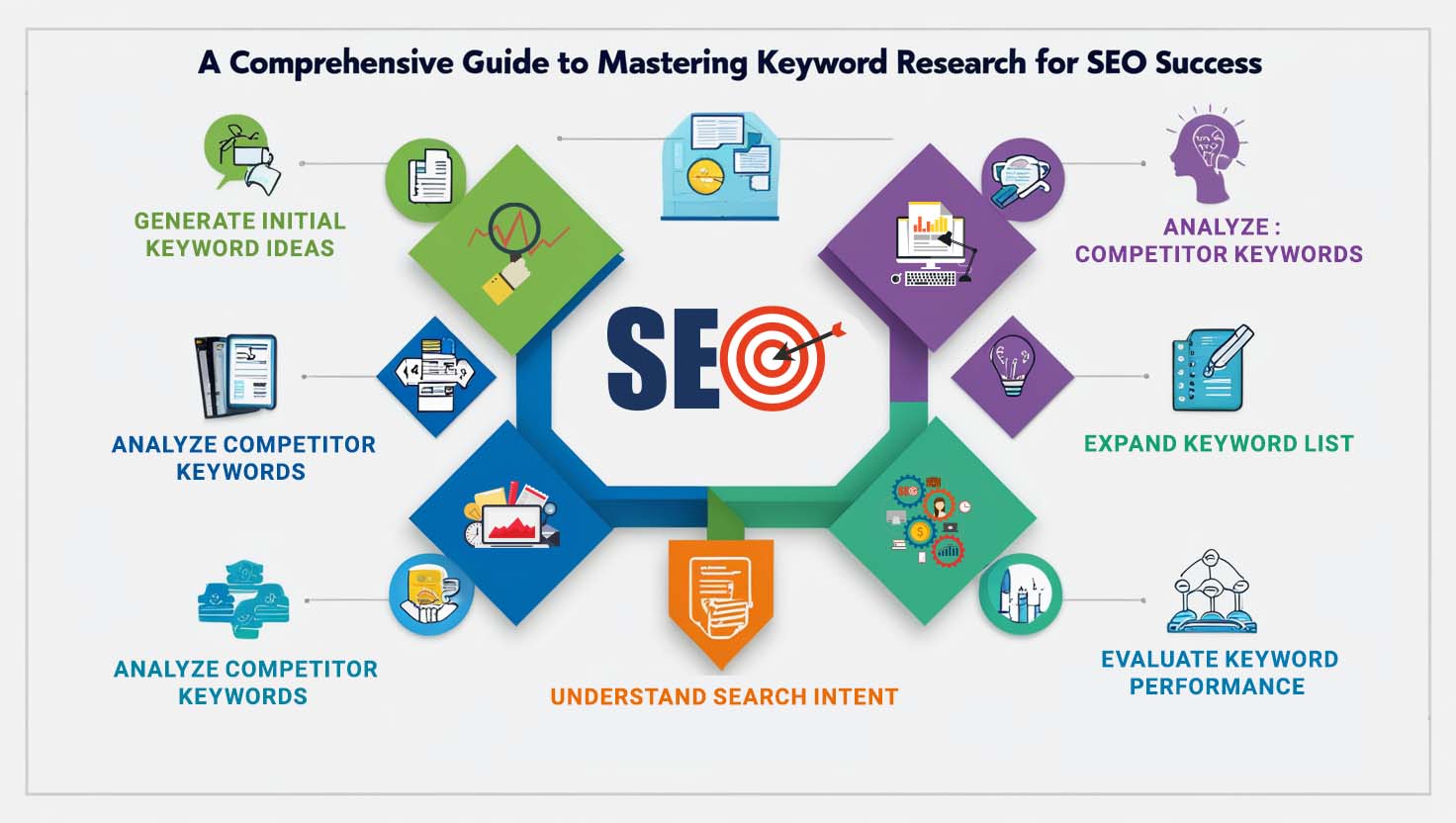
Picking the right keywords is akin to choosing the perfect ingredients for a dish—it’s essential for the success of your SEO strategy. Identifying relevant keywords involves researching terms that potential customers use when searching for products or services similar to yours.
Consider this: If you run an online bookstore, you wouldn’t want to only focus on broad terms like “books.” Instead, think about what specific titles, genres, or themes your audience might be searching for. Use tools like Google Keyword Planner or SEMrush to uncover valuable insights. When conducting keyword research, keep the following tips in mind:
- Long-tail keywords : These are more specific phrases that usually have lower competition and higher conversion rates (e.g., “best mystery novels for teens”).
- Search intent : Understand the purpose behind the search. Are users looking for information, or are they ready to purchase?
- Competitor analysis : Look at the keywords your competitors are ranking for and evaluate their effectiveness.
Implementing Keyword Strategy
Once you’ve identified relevant keywords, the next step is to implement a robust keyword strategy. This is where the real magic happens! Here’s how to put your keywords into action:
- Content Creation : Craft high-quality content that incorporates your identified keywords naturally. Aim for comprehensive articles that solve user problems.
- SEO Elements : Integrate keywords into critical SEO elements such as title tags, meta descriptions, and headers. This helps search engines understand what your content is about.
- Regular Updates : SEO isn’t a one-time effort. Regularly update your content and keywords to keep up with changing trends.
By taking a strategic approach to keyword research and implementation, businesses can increase their visibility and drive relevant traffic effectively.
On-Page SEO Techniques
Title Tags and Meta Descriptions
With a solid keyword strategy in place, it’s time to focus on some essential on-page SEO techniques, starting with title tags and meta descriptions. Think of these elements as the shop window for your website—they compel users to click and explore further.
A good title tag should be concise, ideally between 50-60 characters, and should include your target keyword. For example, if you’re running a travel blog, a title like “Top 10 Tips for Budget Travel in Europe” is catchy and informative.
Meta descriptions are equally important, acting as a brief synopsis of your page in search results. Aim for around 150-160 characters and incorporate relevant keywords. An engaging description could be: “Discover budget-friendly travel tips for unforgettable European adventures without breaking the bank!”
Both these elements impact your click-through rate (CTR), so invest time in crafting them to attract more visitors.
Optimizing Content with Keywords
Once your title tags and meta descriptions are set, it’s time to dive into the content itself. Optimizing content with keywords involves a natural integration of your keywords throughout the text without overstuffing, which can lead to penalties from search engines.
Here are some tips for effective content optimization:
- Keyword Placement : Use your primary keyword in the first 100 words, headers, and the conclusion.
- Semantics and LSI : Incorporate related keywords (Latent Semantic Indexing) to provide context and depth to your writing.
- Readable Structure : Break your content into digestible paragraphs and bullet points to improve readability.
By mastering title tags, meta descriptions, and content optimization, businesses can enhance user engagement and boost their rankings in search results.

Technical SEO Best Practices
Site Speed Optimization
Continuing from the importance of on-page techniques, it’s essential to delve into technical SEO best practices. One of the most critical aspects is site speed optimization. After all, in a world where every second counts, users are quick to abandon a site that takes too long to load. A mere one-second delay can result in a 7% drop in conversions!
To enhance your site speed, consider these actionable strategies:
- Image Compression : Use tools like TinyPNG or JPEGmini to reduce file sizes without sacrificing quality.
- Minify CSS and JavaScript : By removing unnecessary spaces and comments, you can reduce file sizes and boost loading time.
- Leverage Browser Caching : This allows repeat visitors to load your site faster by storing parts of the site in their browser.
Each little tweak can contribute substantially to your site’s overall performance.
Mobile-Friendliness and Responsiveness
Next up is mobile-friendliness and responsiveness—two critical elements of technical SEO. With over 50% of global web traffic coming from mobile devices, ensuring that your website is mobile-ready is essential.
Factors to consider include:
- Responsive Design : Your site should adapt seamlessly to various screen sizes. Use CSS media queries to adjust styles based on device capabilities.
- Viewport Meta Tag : This tag helps control the layout on mobile browsers, ensuring that your site displays correctly on any device.
- Touch-Friendly Elements : Make buttons and links large enough for easy tapping, enhancing user experience on touch screens.
By focusing on site speed and mobile optimization, businesses can significantly improve user experience and boost their chances of ranking higher in search engine results.
Link Building Strategies
Importance of Backlinks
With a solid foundation in technical SEO, let’s shift our focus to link building strategies, starting with the importance of backlinks. Backlinks are essentially votes of confidence from one site to another, significantly influencing how search engines view your website’s authority and relevance.
Imagine you’re hosting a dinner party. If your friends recommend your culinary skills, guests are more likely to trust they’ll enjoy the meal. In the digital world, the same principle applies—backlinks from reputable sites can boost your credibility and improve your search engine ranking. Some key benefits of backlinks include:
- Increased Traffic : Quality backlinks can drive referral traffic from related websites.
- Enhanced Search Rankings : A strong backlink profile signals to search engines that your content is valuable.
- Improved Brand Awareness : Collaborating with credible sites increases your visibility and helps establish your brand.
Creating a Link-Building Plan
Now that we’ve established the significance of backlinks, it’s time to create an effective link-building plan. A well-organized approach can make all the difference. Here are some steps to consider:
- Identify Target Websites : Focus on websites in your niche that have a good domain authority.
- Content Creation : Develop high-quality, shareable content like infographics, guides, and case studies that naturally attract backlinks.
- Outreach Campaign : Connect with site owners or bloggers via email or social media, presenting your content and explaining its value to their audience.
- Monitor Your Backlink Profile : Use tools like Ahrefs or Moz to track new backlinks and identify opportunities for improvement.
By investing time in a strategic link-building plan, businesses can enhance their online visibility and credibility, driving consistent growth in organic traffic.

Local SEO Optimization
Optimizing Google My Business
As we pivot from link-building strategies, it’s crucial to discuss local SEO optimization—especially if you operate a business that relies on local customers. One of the best tools at your disposal is Google My Business (GMB). Properly optimizing your GMB profile can significantly enhance your visibility in local search results.
First, ensure that your business information is accurate and complete. This includes:
- Business Name : Use your official business name for consistency.
- Address and Phone Number : Make sure these are correct and match your website information.
- Business Hours : Keep your hours up-to-date, especially during holidays or special events.
Additionally, actively encourage satisfied customers to leave reviews. Positive feedback not only builds trust but also boosts your ranking in local search results.
Local Keyword Targeting
Next, let’s discuss local keyword targeting. This involves using keywords specific to your geographical area to attract clientele who are searching for your services locally.
A few strategies for effective local keyword targeting include:
- Incorporating Location : Use city or neighborhood names in your content and metadata (e.g., “best coffee shop in downtown Boston”).
- Creating Location-Based Landing Pages : If you serve multiple areas, create specific pages for each location.
- Using Localized Content : Blog about local events, sponsorships, or community involvement to enhance your relevance.
By focusing on optimizing Google My Business and targeting local keywords, businesses can effectively reach potential customers, ensuring they appear front and center in local searches. This approach can ultimately drive foot traffic and convert online inquiries into loyal customers.

Measuring SEO Success
Using Google Analytics
Transitioning from local SEO strategies, it’s vital to focus on measuring SEO success to evaluate the effectiveness of your efforts. A powerful tool for this is Google Analytics, a free platform that provides valuable insights into your website’s performance.
By setting up Google Analytics, you can track a range of metrics to understand user behavior. Here are some key features to leverage:
- Traffic Sources : Identify where your traffic comes from—organic search, referrals, or social media. This helps you understand which channels are performing best.
- User Behavior : Monitor how visitors interact with your site; look for metrics like bounce rate and average session duration to gauge engagement.
- Conversion Tracking : Set up goals to measure actions that matter to your business, such as form submissions or purchases. This reveals how well your site converts visitors.
Tracking Key Performance Indicators
In addition to using Google Analytics, tracking key performance indicators (KPIs) is essential for assessing SEO success comprehensively. These KPIs offer quantifiable metrics that can guide your strategy. Here are a few important ones to keep in mind:
- Organic Traffic Growth : Monitor the increase in visitors from organic search to evaluate your SEO effectiveness.
- Keyword Rankings : Keep an eye on the rankings of your target keywords over time to gauge visibility improvements.
- Click-Through Rate (CTR) : Analyzing your CTR from search results can help you understand how well your title tags and meta descriptions attract clicks.
By effectively using Google Analytics and tracking relevant KPIs, businesses can not only measure their SEO success but also refine their strategies, leading to continuous growth and improvement in their online presence.
Future Trends in SEO
Voice Search Optimization
As we explore the future trends in SEO, one of the most significant shifts is the increasing prevalence of voice search. With the rise of virtual assistants like Siri, Alexa, and Google Assistant, people are now searching the web using their voice more than ever. This shift in behavior presents unique opportunities and challenges for SEO strategies.
Optimizing for voice search requires a different approach compared to traditional keyword strategies. Here are some key considerations:
- Natural Language Processing : Voice searches tend to be more conversational. Phrases like “What’s the best Italian restaurant near me?” are common. Therefore, your content should incorporate question-based keywords.
- Featured Snippets : Position zero in search results matters more for voice search, as many voice assistants read out these snippets for answers. Crafting concise, informative answers to common questions can improve your chances of being featured.
- Local SEO : Voice searches often have local intent. Ensure your Google My Business profile is optimized and that you’re targeting local phrases.
Artificial Intelligence and Machine Learning in SEO
Another key trend shaping the future of SEO is the growing influence of artificial intelligence (AI) and machine learning. Search engines are constantly evolving, using AI to better understand user intent and the relevance of content. Here’s how you can adapt:
- Personalized User Experience : AI helps create a more tailored experience for users. It’s crucial to focus on understanding your audience and delivering content that meets their needs.
- Algorithm Updates : Keep abreast of how machine learning algorithms like Google’s RankBrain affect search engine results. Regularly updating your content to align with these changes will help maintain your ranking.
- Predictive Analytics : Utilize AI tools to analyze data and predict trends, enabling you to stay ahead of the curve in your SEO efforts.
By embracing these trends—voice search optimization and the integration of AI—businesses can position themselves for success in the ever-evolving world of SEO, ensuring they meet the demands of future search behaviors.

Case Studies and Examples
Successful SEO Campaigns
As we look ahead to emerging trends, it’s beneficial to examine some real-world examples of SEO in action. Successful SEO campaigns can provide invaluable insights into effective strategies. A standout case is that of Airbnb. By focusing on localized content and optimizing their listings for search engines, they dramatically increased their organic visibility.
Key tactics used by Airbnb included:
- Local Guides and Content : They created city-specific guides that incorporated local attractions, which helped them rank for various travel-related keywords.
- User-Generated Content : Encouraging hosts to write reviews and share experiences enriched their content pool, which bolstered SEO performance.
This multifaceted approach resulted in a significant increase in site traffic and bookings, demonstrating how tailored content can enhance visibility.
Lessons Learned from Failed Strategies
However, not every SEO attempt hits the mark. A notable example is the case of J.C. Penney’s aggressive link-building strategy in the early 2010s. The retailer aimed to improve its rankings through questionable tactics, which ultimately led to a Google penalty.
Key takeaways from this misstep include:
- Avoid Black Hat Tactics : Shortcuts like buying backlinks can lead to severe consequences and deteriorate your brand’s credibility.
- Focus on Long-Term SEO Ethics : Building trust through quality content and legitimate practices pays off more than quick wins.
- Regular Audits : Conducting SEO audits can help identify areas of risk and ensure your strategies align with search engine guidelines.
By studying both successful campaigns and cautionary tales, businesses can refine their SEO approaches, making informed choices that enhance their chances of long-term success in search visibility.