
Understanding Backlinks in SEO
What are Backlinks?
Backlinks, often referred to as inbound or incoming links, are links from one website to another. They serve as an essential building block for search engine optimization (SEO). When a webpage links to another, it signals to search engines that the linked content is valuable, credible, and worth checking out.
For instance, consider a blog on healthy eating that references a scientific study published on a university’s website. This connection enhances the credibility of the blog while providing readers with resources to explore further.
Backlinks can take various forms, including:
- Text links: These are hyperlinked words that direct users to another page.
- Image links: These are links attached to images, leading users to a different site upon clicking.
Each type plays a role in how search engines evaluate the authority of a webpage.
Why Backlinks are Important for SEO
The significance of backlinks in SEO cannot be overstated. They essentially act as votes of confidence, influencing how search engines rank your website. Here’s why they matter:
- Improved Visibility: High-quality backlinks can improve a site’s rank in SERPs (Search Engine Results Pages), helping attract organic traffic.
- Increased Authority: Websites with numerous reputable backlinks are considered more authoritative, leading to higher trust from both users and search engines.
- Referral Traffic: Backlinks can drive referral traffic directly from sites that link back to yours, often leading to higher engagement and conversion rates.
As a personal example, a blog I ran saw a significant uptick in traffic after a popular health site linked to one of my articles. This gratitude fueled my desire to understand more about backlinks and their myriad benefits for my SEO strategy.
Types of Backlinks
Natural Backlinks
Natural backlinks occur spontaneously, without any direct action from the website owner. These links are typically created when other content creators find value in your work and link to it. For example, if a renowned influencer shares your article on social media or links to it in their blog, that’s a natural backlink at play.
- Characteristics of Natural Backlinks:
- No outreach required.
- Rooted in the quality and relevance of your content.
- Often evidence of credibility and authority in your niche.
Manual Backlinks
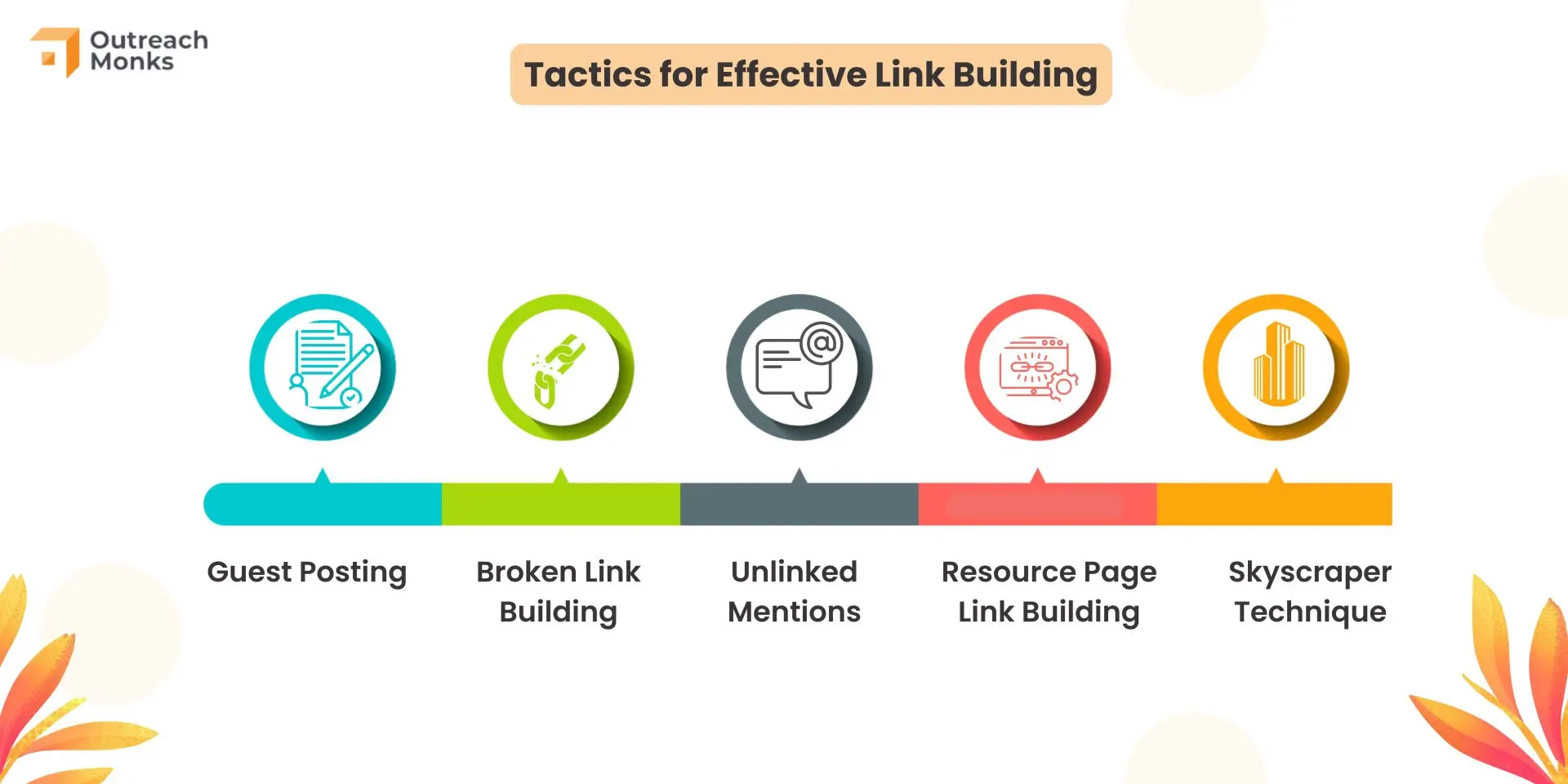
Manual backlinks, on the other hand, are created intentionally through outreach efforts. This process involves contacting webmasters, bloggers, or business owners to request a link to your site.
- How to Create Manual Backlinks:
- Networking: Building relationships within your industry opens doors for backlink opportunities.
- Directories: Submitting your website to reputable directories.
I remember manually reaching out to several local businesses in my area, promoting mutual benefits, and saw a gradual improvement in my site’s authority through manual backlinks.
Guest Posting Backlinks
Guest posting backlinks arise when you write an article for another website in exchange for a link back to yours. This method is a win-win; you provide valuable content while gaining exposure and a backlink.
- Benefits of Guest Posting:
- Enhances visibility within your target audience.
- Establishes you as an authority in your field.
I often participate in guest blogs on health websites, which not only drives traffic but also solidifies my reputation as a trusted resource.
Editorial Backlinks
Finally, editorial backlinks are included in high-quality, credible content without any direct request. These are usually incorporated by editors or authors when referencing useful information.
- Getting Editorial Backlinks:
- Create authoritative content that others want to reference.
- Share your research, statistics, or insights so they naturally fit into other articles.
For instance, due to my research on wellness trends, I’ve been lucky to receive editorial backlinks from major health publications. Exciting, right? Each type of backlink serves a distinct purpose and, effectively combined, can boost your SEO strategy.

Quality Backlinks vs. Low-Quality Backlinks
Characteristics of Quality Backlinks
When it comes to backlinks, not all links are created equal. Quality backlinks have specific traits that contribute significantly to a site’s SEO performance. Understanding these characteristics can help you prioritize your backlink strategy effectively.
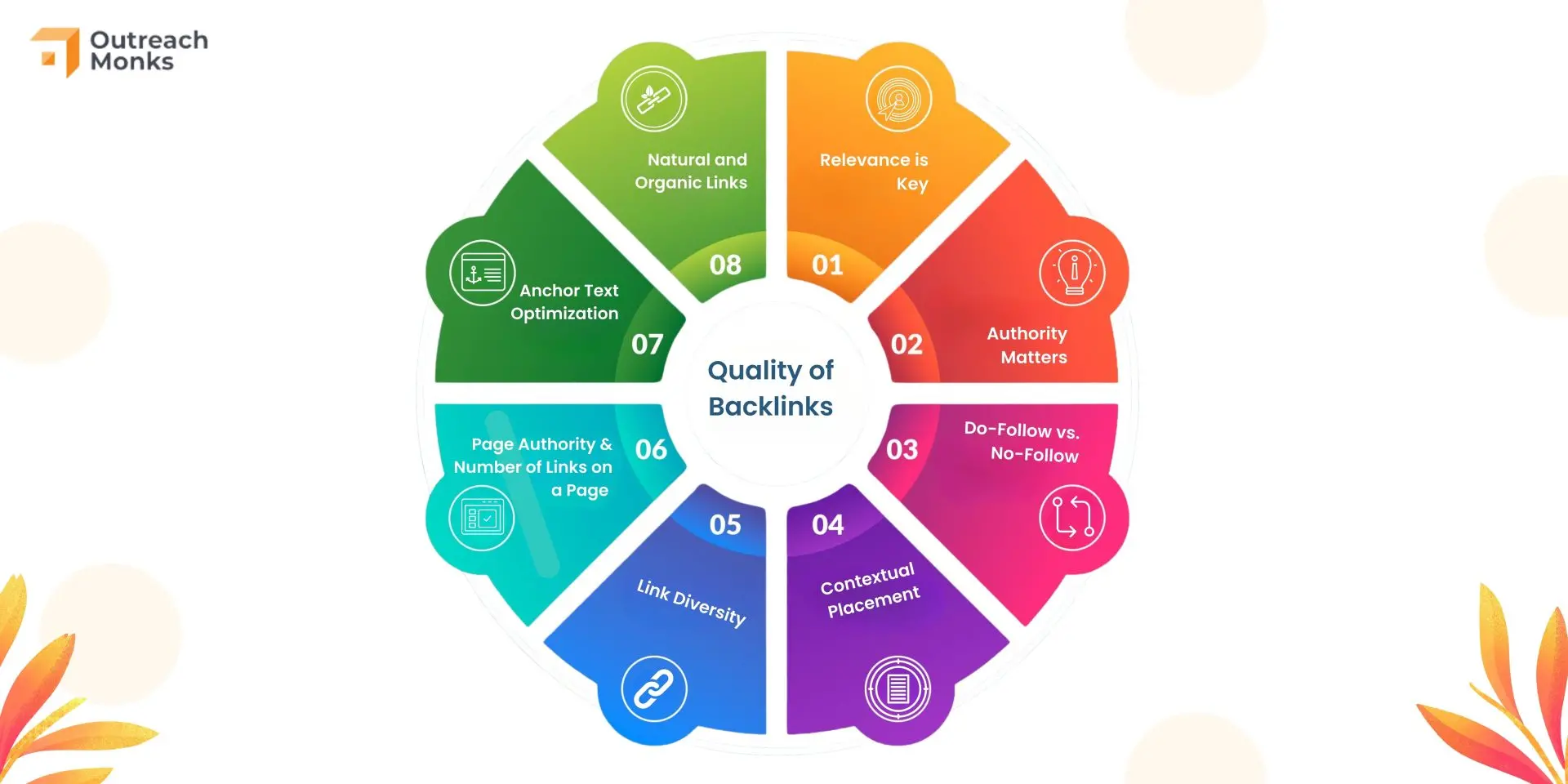
- Relevance: Quality backlinks come from websites that are related to your industry or niche. For instance, a fitness blog linking to a nutrition site showcases relevant content for their audience.
- Authority: Links from high-authority websites enhance your credibility. Websites like government sites or well-established media outlets carry more weight compared to obscure blogs.
- Trustworthiness: Quality backlinks are earned from trustworthy sources, reducing the risk of being penalized by search engines.
- Dofollow Links: While both dofollow and nofollow links have their place, dofollow links pass along link juice, helping improve your rankings.
I once received a dofollow backlink from a popular online magazine, which significantly impacted my site’s domain authority.
Risks of Low-Quality Backlinks
On the flip side, low-quality backlinks can tarnish your SEO efforts. Engaging in practices to acquire these minimal-impact links may lead to detrimental effects.
- Negative Impact on SEO: Links from spammy or unrelated sites can lead to penalties from search engines, ultimately lowering your site’s ranking.
- Association Risks: Being linked to dubious websites can harm your reputation and diminish trust among your audience.
- Wasted Resources: Pursuing cheap, low-quality links is often a waste of time and effort, diverting focus from more beneficial strategies.
I recall a time when I accidentally acquired a link from a link farm. Not only did my traffic decrease shortly afterward, but I also had to invest time in damage control. Learning the difference between quality and low-quality backlinks is crucial for long-term success in any SEO strategy.
Creating an Effective Backlink Strategy
Setting Goals for Backlinks
Creating an effective backlink strategy starts with clear goals. Defining what you want to achieve can guide your efforts and enhance your decision-making process.
- Types of Goals:
- Traffic Generation: Aim for a specific percentage increase in organic traffic.
- Enhancing Domain Authority: Set targets for improving your site’s domain authority score.
- Improving Search Rankings: Focus on ranking for specific keywords by acquiring quality backlinks.
For example, I set a goal to increase my site’s organic traffic by 30% within six months by targeting backlinks from niche-specific blogs. This metric kept me focused and motivated.
Conducting Backlink Audits
Next, conducting regular backlink audits is crucial to understanding your current link profile. A backlink audit helps identify which links are working for you and which may be harmful.
- Key Steps in Auditing:
- Use tools like Ahrefs, SEMrush, or Moz to analyze your backlink profile.
- Identify low-quality or toxic links that you may want to disavow.
- Analyze competitors’ backlinks for insights and opportunities.
After performing an audit, I was surprised to uncover a few harmful links pointing to my site. Removing those seemed to rejuvenate my rankings and traffic.
Outreach and Relationship Building
Finally, outreach and relationship building are effective methods for acquiring quality backlinks. This effort is about creating valuable connections within your industry.
- Tips for Effective Outreach:
- Personalize your outreach emails. Avoid generic templates; authenticity resonates more with recipients.
- Offer value upfront. This could be in the form of expert opinions, guest posts, or sharing valuable resources.
- Follow up politely if you don’t hear back after your initial outreach.
In one instance, I reached out to a fellow blogger in my niche with a collaborative idea, resulting in a mutually beneficial guest post exchange that raised our profiles. Building relationships ultimately leads to a stronger backlink profile, enhancing your site’s authority and visibility in the long run.
Leveraging Anchor Text for Backlinks
Importance of Anchor Text
Anchor text is the clickable text in a hyperlink, and it plays a pivotal role in SEO. The significance of anchor text lies in its ability to inform search engines about the content of the linked page. Using relevant and keyword-rich anchor text can greatly enhance your backlink strategy.
- Relevance Indicator: Anchor text provides context. For example, if you link the phrase “organic gardening tips” to a related article, it signals to search engines what the linked content entails.
- User Experience: Good anchor text improves user experience by making it clear where users will be directed when they click the link. This can reduce bounce rates and keep users engaged with your site.
A few months back, I aimed to enhance my site’s SEO by carefully crafting anchor text in my blog posts. Suddenly, my content began ranking better for niche-specific terms, demonstrating the critical role of anchor text.
Best Practices for Anchor Text Optimization
Now that we understand the importance of anchor text, let’s explore best practices to optimize it effectively.
- Be Descriptive: Use clear, descriptive phrases that convey what the linked content is about. Avoid vague phrases like “click here.”
- Diversify Your Anchor Text: Ensure a mix of exact match, partial match, branded, and generic anchor texts to create a natural link profile. This helps avoid penalties for over-optimization.
- Limit Links per Page: While it might be tempting to include several links, focus on quality over quantity. Too many links can dilute their value and confuse users.
During my own content strategy overhaul, I implemented these best practices and noticed a marked improvement in referring traffic and engagement. By leveraging anchor text wisely, you can significantly boost your overall SEO effectiveness while ensuring a better experience for users.

Monitoring and Measuring Backlink Performance
Tools for Tracking Backlinks
Monitoring and measuring your backlink performance is crucial for understanding the effectiveness of your SEO efforts. Luckily, numerous tools can help you track where your backlinks are coming from and how they’re impacting your site’s authority.
- Ahrefs: This is a popular choice for analyzing backlinks. It allows you to see the total number of backlinks, the domains they come from, and even the anchor text used.
- SEMrush: Known for its comprehensive SEO capabilities, SEMrush offers a dedicated backlink audit tool that lets users assess their link profile for toxicity and quality.
- Moz Link Explorer: This tool provides insights into your domain authority and how your backlinks stack up against competitors.
I recall using Ahrefs for the first time when I was looking to improve my site’s ranking. The insights I gained were eye-opening and helped shape my future link-building strategies.
Key Metrics to Evaluate Backlink Success
Once you have the right tools in place, you need to know which metrics to focus on when evaluating backlink success.
- Domain Authority (DA): A higher DA indicates a stronger website. Track changes to see if your backlink strategy is effective.
- Referring Domains: Monitor the number of unique domains linking to your site. An upward trend is usually a good sign.
- Traffic from Backlinks: Measure how much referral traffic is driven to your site by your backlinks. Tools like Google Analytics can provide this data.
In my experience, I found that focusing on these metrics allowed me to make informed decisions about my backlink strategy. By consistently monitoring and measuring performance, I was able to refine my approach, ultimately boosting my site’s visibility and traffic. Keeping a close eye on backlinks ensures they remain a potent part of your SEO arsenal.
Avoiding Common Backlink Pitfalls
Over-Optimization of Anchor Text
While anchor text is essential for SEO, over-optimization can lead to more harm than good. It’s crucial to strike a balance and avoid making your links look forced or unnatural.
- What is Over-Optimization? This occurs when too many backlinks use the same exact keywords as anchor text. Search engines may interpret this as manipulative behavior, which can result in penalties.
- Signs of Over-Optimization:
- A high percentage of exact match anchor texts.
- Sudden drops in rankings or traffic.
I learned this the hard way when I focused too much on exact-match anchor text for a specific keyword. Initially, my rankings improved, but when search engines caught on, I saw a significant drop. Now, I make it a point to diversify my anchor text to maintain a natural link profile.
Acquiring Backlinks from Low-Quality Sources
Another significant pitfall to avoid is acquiring backlinks from low-quality sources. While it may be tempting to gather a large number of backlinks quickly, prioritizing quality over quantity is crucial for long-term success.
- Characteristics of Low-Quality Sources:
- Spammy websites with irrelevant content.
- Sites with low domain authority.
- Link farms or networks that exist solely for link-building.
Building relationships with high-quality, relevant sites is far more beneficial. For example, I once landed a link from a highly reputable industry blog, which not only boosted my traffic but also enhanced my authority.
To avoid low-quality backlinks, always evaluate the source before linking. Use tools to analyze domain authority and assess the relevance of the linking website. By steering clear of these common pitfalls, you can build a robust and effective backlink strategy that stands the test of time.
Future Trends in Backlinking
The Impact of Artificial Intelligence on Backlinking Strategies
As technology continues to evolve, artificial intelligence (AI) is poised to revolutionize the landscape of backlinking. The ability of AI to analyze vast amounts of data quickly and accurately is reshaping how we approach link-building strategies.
- Content Personalization: AI can help identify content that resonates with specific target audiences, enabling you to secure backlinks from relevant sites more effectively.
- Predictive Analytics: By analyzing patterns, AI tools can predict which types of content are likely to gain backlinks, guiding your content creation efforts.
I’ve started using AI-driven tools to assist my backlink strategy, and the insights have been incredibly valuable. For instance, these tools can suggest potential websites that might be interested in your content before you even reach out.
Predictions for the Evolution of Backlink Algorithms
Looking ahead, we can anticipate significant changes in how search engines assess backlinks. As algorithms become more sophisticated, focusing on quality over quantity will be paramount.
- Increased Focus on Contextual Relevance: Algorithms may evolve to prioritize backlinks that are contextually relevant to the linked content. This shift will encourage more meaningful connections between websites.
- Enhanced Fraud Detection: With advancements in AI, search engines are expected to improve their ability to detect unnatural link-building practices, making it essential for website owners to adopt more ethical backlink strategies.
From my observations, smaller, niche websites will likely gain more authority as search engines refine their algorithms to reward quality relationships over sheer volume. Staying ahead of these trends requires a commitment to creating high-quality content and fostering genuine relationships in your industry.
In summary, the future of backlinking is likely to be shaped by technology and evolving search behaviors. By adapting to these changes and leveraging new tools, marketers can navigate the complexities of SEO more effectively.