

Introduction
Understanding On-Page SEO
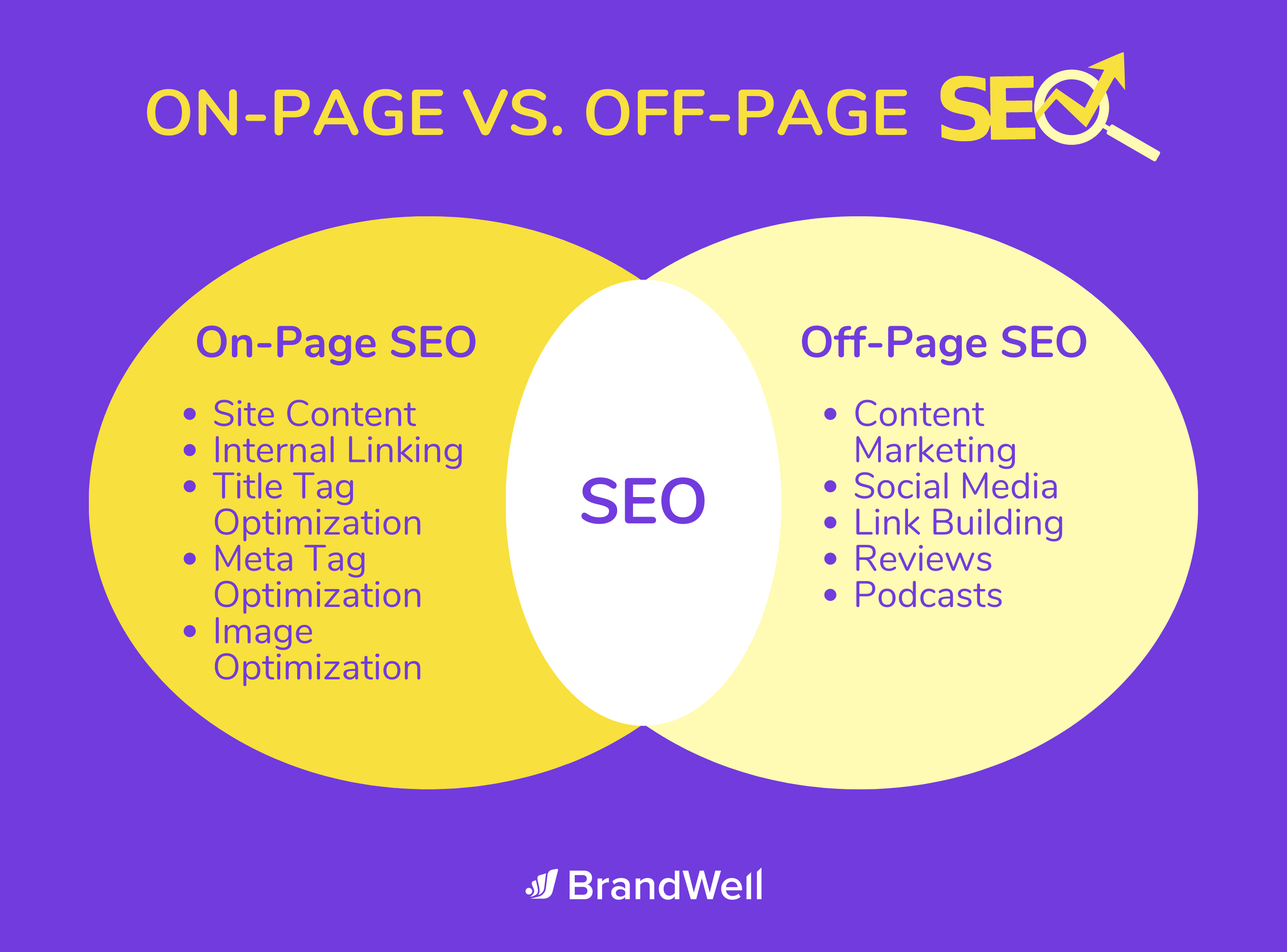
On-page SEO refers to all the strategies and techniques that can be applied directly within your website to improve its ranking potential on search engines. It encompasses various factors that aid search engines in understanding the content and context of a webpage. Imagine you have a beautifully crafted article on your blog; however, without proper on-page optimization, it might be completely invisible to your intended audience.
Key components of on-page SEO include:
- Keyword Research: Identifying the right keywords to target.
- Content Optimization: Ensuring the content is engaging and relevant to the chosen keywords.
- Meta Tags: Crafting compelling title tags and meta descriptions that draw clicks.
Significance of On-Page Optimization
The importance of on-page optimization cannot be overstated. It lays the groundwork for your website’s performance in search engine results, directly affecting visibility and traffic. For instance, when a user types a query into a search engine, it’s the on-page elements that primarily dictate the search engine’s response.
Some significant reasons why on-page SEO is crucial include:
- Enhanced User Experience: A well-structured page keeps visitors engaged, reducing bounce rates.
- Increased Search Engine Value: Optimized pages help search engines index your content, leading to better rankings.
- Higher Conversion Rates: When users find relevant content easily, they are more likely to convert into customers.
Optimizing your website through effective on-page strategies can mean the difference between obscurity and prominence in the vast digital landscape.
Fundamentals of On-Page SEO
Keyword Research and Usage
Now that we understand the importance of on-page SEO, let’s dive into its fundamentals. The first and perhaps most vital step is keyword research. Think of keywords as the bridge connecting what users are searching for and the content you provide.
To effectively identify keywords:
- Utilize Tools: Platforms like Google Keyword Planner or SEMrush can give insights into popular terms.
- Analyze Competitors: Look at what keywords competitors rank for and identify gaps in your own content.
- Focus on Long-tail Keywords: These often have lower competition and higher intent, making them valuable for attracting targeted traffic.
Meta Tags Optimization
Once you have your keywords, it’s time to optimize your meta tags. These small snippets of information play a huge role in how search engines interpret your content. Each webpage should have:
- Title Tags: Ensure they include the main keyword naturally and are engaging, ideally under 60 characters.
- Meta Descriptions: Write concise summaries (about 155 characters) that include your primary keywords and entice clicks.
For example, a well-crafted title for a baking blog could be “10 Easy Baking Recipes for Beginners” – clear, engaging, and keyword-rich.
Content Quality and Relevance
Lastly, content quality and relevance are the backbone of successful on-page SEO. After all, if your content doesn’t meet user needs, even the best keywords won’t cut it. To enhance your content:
- Provide Value: Ensure your information is accurate and addresses user questions.
- Use Visuals: Incorporate images, infographics, or videos to enrich the text and enhance readability.
- Stay Updated: Regularly revise and update content to keep it relevant.
In essence, focusing on these fundamental aspects sets the stage for a successful on-page SEO strategy that aligns with user expectations and search engine requirements.
Technical Aspects of On-Page SEO
Page Load Speed and Performance
Transitioning from the fundamental elements, it’s crucial to address the technical aspects of on-page SEO, starting with page load speed and performance. A slow-loading page can drive visitors away faster than you can say “bounce rate.” According to studies, about 40% of users abandon a webpage that takes more than three seconds to load.
To improve your page speed:
- Optimize Images: Compress images without sacrificing quality.
- Minimize HTTP Requests: Streamline code and reduce the number of elements on your page.
- Leverage Browser Caching: This saves users’ data when they first visit your site, speeding up future loads.
Mobile-Friendliness and Responsiveness
Next up is mobile-friendliness and responsiveness. With the increasing usage of mobile devices for internet access, having a responsive design is essential. Google prioritizes mobile-friendly websites in its rankings.
To ensure your site is mobile-friendly, consider:
- Responsive Design: Use flexible layouts that adapt to different screen sizes.
- Touchscreen Readiness: Make sure buttons and links are easy to tap on mobile devices.
- Testing Tools: Utilize Google’s Mobile-Friendly Test tool to check how well your site performs on mobile.
URL Structure and Internal Linking
Finally, let’s talk about URL structure and internal linking. Clear, optimized URL structures enhance SEO efforts by making it easier for search engines to understand your site’s hierarchy.
For best practices:
- Simplify URLs: Use descriptive URLs that include relevant keywords, e.g., “www.example.com/best-baking-tips” instead of “www.example.com/page123.”
- Use Internal Links Wisely: Link to relevant pages within your website to improve navigation and distribute page authority.
By focusing on these technical aspects, a well-rounded on-page SEO strategy emerges, ensuring that both users and search engines have a favorable experience on your website.

On-Page SEO Best Practices
Optimizing Images and Multimedia
Building on the technical aspects of on-page SEO, let’s explore some best practices that can elevate your website’s performance. First, optimizing images and multimedia is essential, especially since visually appealing content enhances user experience.
To effectively optimize images:
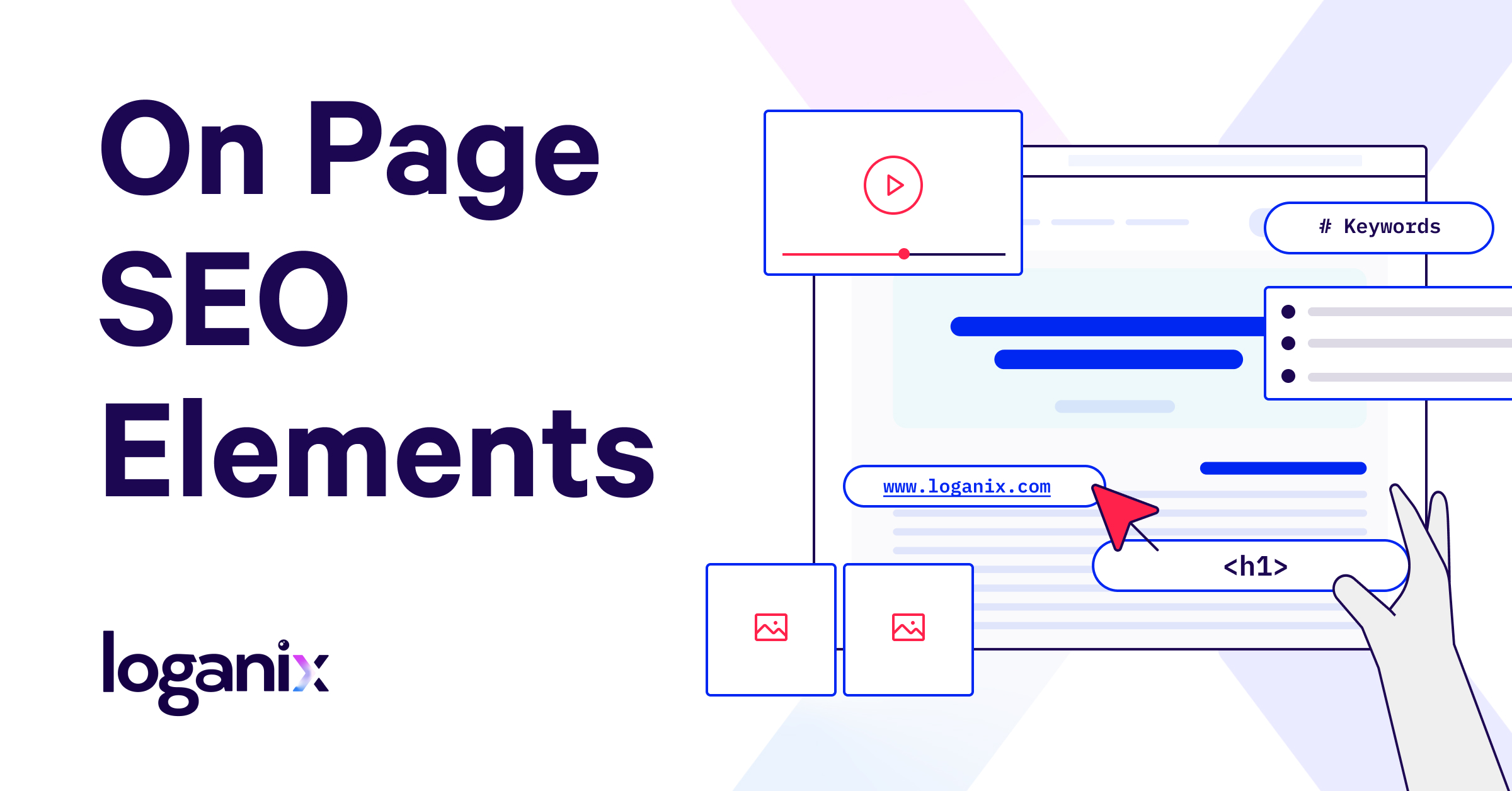
- Use Relevant File Names: Instead of generic names, rename images descriptively, like “chocolate-chip-cookies.jpg.”
- Alt Text Descriptions: Write descriptive alt text for accessibility and SEO, which also helps search engines understand what the image is about.
- File Size Reduction: Utilize image compression tools to ensure faster loading times without sacrificing quality.
Heading Tags and SEO
Next up is utilizing heading tags properly. These HTML tags not only structure your content but also signal the hierarchy of information to search engines and readers. For instance, using H1 for your main title, followed by H2 for sections, and H3 for subsections promotes clear organization.
Best practices for heading tags include:
- Keyword Integration: Naturally include relevant keywords in your headings to improve SEO.
- Organized Structure: Make sure heading tags reflect the flow of your content to enhance readability.
Schema Markup Implementation
Lastly, consider schema markup implementation. This code helps search engines comprehend the context of your content, improving the chances of appearing in rich snippets. It’s like giving search engines a cheat sheet for your website.
To get started with schema markup:
- Choose the Right Schema Type: Identify relevant types for your content, like articles, products, and events.
- Use Schema Markup Generators: Tools like Google’s Structured Data Markup Helper can simplify the process.
By incorporating these best practices, you provide valuable signals to both users and search engines, further enhancing the effectiveness of your on-page SEO strategy.
Measuring and Monitoring On-Page SEO Success
Google Search Console Overview
As we advance further into optimizing our websites, measuring and monitoring on-page SEO success is crucial. A key tool to achieve this is Google Search Console (GSC). This free service provides valuable insights into how your site is performing in search results.
With GSC, you can:
- Monitor Search Traffic: See which keywords are driving traffic and the average position of your pages.
- Inspect URL Performance: Analyze specific URLs to check for errors, indexing issues, and other performance metrics.
- Receive Alerts: Be immediately notified of any penalties or indexing issues that may arise.
Setting up GSC is straightforward, and it’s essential for anyone serious about on-page SEO.
Key Performance Indicators for On-Page SEO
To effectively monitor your SEO efforts, it’s vital to track Key Performance Indicators (KPIs). These metrics provide insight into how well your on-page strategies are working.
Some critical KPIs to monitor include:
- Organic Traffic: Track how much traffic your site receives from search engines.
- Bounce Rate: A high bounce rate may indicate that your content isn’t engaging enough.
- Conversion Rate: Measuring how many visitors complete desired actions (like signing up or making a purchase) can gauge effectiveness.
Tools for On-Page SEO Analysis
Lastly, leveraging tools for on-page SEO analysis can streamline your efforts significantly. Numerous tools can help you assess and improve your strategies.
Some popular tools include:
- SEMrush: A comprehensive SEO toolkit that provides insights into keywords, backlinks, and competitor analysis.
- Ahrefs: Excellent for backlink analysis and keyword research.
- Moz Pro: A tool for analyzing site health, tracking rankings, and optimizing keywords.
By consistently measuring, monitoring, and utilizing the right tools, you can refine your on-page SEO strategy, ensuring it delivers the results you aim for.
Advanced On-Page SEO Strategies
Featured Snippets Optimization
Now that you have a solid grasp on the fundamentals and measurement of on-page SEO, let’s explore some advanced strategies that can set your efforts apart. One of these is optimizing for featured snippets. These high-visibility results appear at the top of search engine results pages (SERPs) and can significantly increase your traffic.
To optimize for featured snippets, consider:
- Answering Common Questions: Identify questions relevant to your content and provide concise, clear answers.
- Formatting for Clarity: Use lists, tables, or bullet points so that information is easy for Google to pull.
- Structured Data: Implementing schema markup can help your content appear more affirmatively in potential snippet spaces.
Voice Search Optimization
Another advanced strategy is voice search optimization. With the rise of voice-activated devices, optimizing your content for voice search is becoming increasingly crucial. Since voice queries tend to be more conversational, consider these tips:
- Use Natural Language: Write content that mimics how people naturally speak.
- Focus on Long-Tail Keywords: Voice searches often involve longer, more specific inquiries; targeting these can enhance your visibility.
- Optimize for Local SEO: Many voice searches are location-based, so ensure your local listings are up-to-date.
Rich Snippets and Structured Data
Lastly, rich snippets and structured data play a vital role in enhancing the visibility of your content. Rich snippets provide searchers with more information at a glance, potentially leading to higher click-through rates.
To implement structured data:
- Use Schema Markup: This code helps search engines understand the context of your content, providing opportunities for enhanced listings.
- Focus on Relevant Types: Depending on your content, you may want to consider review stars, recipe details, or event dates as structured data elements.
By incorporating these advanced strategies into your on-page SEO efforts, you not only improve your chances of ranking higher but also enhance the overall user experience on your site.
Common On-Page SEO Mistakes to Avoid
Keyword Stuffing and Over-Optimization
As we explore advanced strategies in on-page SEO, it’s equally important to be aware of common mistakes that could undermine your efforts. One of the most prevalent errors is keyword stuffing and over-optimization. While incorporating keywords is essential, overdoing it can lead to poor readability and penalties from search engines.
To avoid this mistake:
- Maintain Natural Flow: Use keywords naturally within the content instead of forcing them in awkwardly.
- Focus on Variations: Instead of repeating the same keyword, use synonyms and related terms to enrich the content.
Duplicate Content Issues
Another significant pitfall is duplicate content. This occurs when identical or very similar content appears on multiple pages, confusing search engines and potentially diluting your rankings.
To prevent duplicate content:
- Use Canonical Tags: Implement canonical tags to signal to search engines which version of a page is the primary one.
- Regular Audits: Regularly check your site for duplicate content using tools like Copyscape or Screaming Frog.
Neglecting User Experience
Lastly, neglecting user experience can lead to high bounce rates and low conversion rates. A website that is difficult to navigate or has poor design will frustrate users, resulting in lost traffic.
To improve user experience:
- Streamlined Navigation: Ensure your website is easy to navigate with clear menus and links.
- Mobile Optimization: Make sure your site is responsive and looks great on all devices.
By steering clear of these common on-page SEO mistakes, you can significantly enhance both your ranking potential and the overall satisfaction of your visitors, paving the way for lasting success online.

On-Page SEO for E-Commerce Websites
Product Page Optimization
Diving into on-page SEO for e-commerce websites, it’s crucial to focus on specific strategies that cater to online retail. First up, product page optimization is fundamental for driving conversions. A well-optimized product page not only showcases your products but also ensures they are discoverable in search engines.
To optimize your product pages:
- Unique Descriptions: Write compelling, original product descriptions that highlight features and benefits. Avoid duplicate content from manufacturers.
- High-Quality Images: Use crisp images with proper alt text that includes relevant keywords to improve visibility.
- CDATA Rich Snippets: Implement structured data to provide search engines with detailed information about your products.
Category Page SEO
Next, consider category page SEO. This page serves as a gateway for customers to browse related products, making it vital for both user experience and SEO.
To enhance your category pages:
- Keyword-Rich Titles and Descriptions: Use relevant keywords in your titles and descriptions to attract the right audience.
- Filter Options: Allow users to filter products by various parameters (size, price, brand) to improve navigation and user satisfaction.
- Internal Linking: Create links to subcategories and related products to help search engines crawl your site and improve user experience.
Customer Reviews and Ratings
Finally, don’t overlook the power of customer reviews and ratings. Not only do they build credibility, but they can also influence search rankings.
To leverage reviews:
- Encourage Customer Feedback: After purchase, sending a follow-up email to request reviews encourages users to share their experiences.
- Display Reviews Prominently: Showcase ratings on product pages and category listings to build trust with new customers.
By employing these on-page SEO strategies specific to e-commerce websites, you can significantly enhance your store’s visibility, improve user experience, and ultimately boost sales.
Future Trends in On-Page SEO
AI and Machine Learning Impact
As we look to the horizon of on-page SEO, it’s exciting to see how emerging technologies like AI and machine learning are transforming the landscape. Search engines are increasingly using AI to evaluate and rank content. This means your focus should shift from simply using keywords to creating high-quality, engaging content that meets user needs.
To adapt to AI-driven changes:
- Content Quality Over Quantity: Evolve your content strategy by prioritizing depth and relevance, rather than just keyword density.
- Contextual Understanding: Develop content that answers user questions in depth, as AI is becoming proficient in understanding context and nuance.
Video SEO Evolution
Next, we have the evolution of video SEO. With platforms like YouTube and TikTok gaining immense popularity, integrating video content into your strategy is becoming essential. Video not only enhances engagement but also reduces bounce rates, signaling to search engines that your content is valuable.
To optimize video content:
- Engaging Thumbnails and Titles: Create engaging thumbnails and use keywords in your video titles to improve click-through rates.
- Transcriptions: Include transcription of the video content for accessibility and additional keyword opportunities.
User Intent Optimization
Finally, user intent optimization is becoming increasingly crucial. Understanding what users are truly seeking behind their search queries can shape your entire on-page strategy.
To hone in on user intent:
- Analyze Search Queries: Use tools like Google Analytics to understand what questions users are asking and tailor your content accordingly.
- Diversify Content Types: Consider varying your content formats to address different user intents—be it informational, navigational, or transactional.
By staying ahead of these future trends in on-page SEO, you position your website for sustained success, keeping pace with the ever-evolving dynamics of digital search.

Conclusion
Recap of Essential On-Page SEO Elements
As we wrap up this exploration of on-page SEO, it’s essential to recap the key elements that contribute to a successful strategy. From optimizing individual pages to enhancing user experience, effective on-page SEO encompasses a variety of factors:
- Keyword Research and Usage: Identify and integrate relevant keywords naturally into your content to improve searchability.
- Meta Tags and Descriptions: Craft compelling meta tags with targeted keywords that draw in clicks from search results.
- High-Quality Content: Produce valuable, engaging content that satisfies user intent and encourages longer dwell times.
- Technical Aspects: Ensure fast load times, mobile friendliness, and proper URL structure for seamless navigation.
- User Experience: Prioritize an intuitive website layout and design that keeps users engaged.
Final Thoughts on Leveraging On-Page SEO Success
Incorporating these essential elements into your on-page SEO strategy can significantly influence your website’s visibility and performance. The digital landscape is ever-evolving, and staying attuned to emerging trends, such as AI integration and user intent optimization, will further enhance your approach.
Remember, SEO is a continuous journey rather than a one-time effort. Regularly analyzing performance metrics and adapting your strategies will ensure you remain competitive. By leveraging the principles and practices outlined, you can not only improve your rankings but also offer a user-friendly experience that keeps visitors returning for more. Your commitment to mastering on-page SEO will ultimately lay the groundwork for ongoing success in the digital realm.