

Introduction to SEO Research Tools
Importance of SEO Research
In today’s digital landscape, where competition is fierce and online visibility is crucial, the importance of SEO research cannot be overstated. For businesses and website owners, SEO research serves as the backbone of their digital marketing strategy. It allows them to understand what users are searching for, how to reach their target audience, and ultimately, how to enhance their online presence.
Effective SEO research helps in:
- Identifying Keywords: Discover what terms potential customers are using to find products or services.
- Understanding Trends: Stay ahead of market trends by observing shifts in user behavior and preferences.
- Improving Content Strategy: Create tailored content that meets the needs and interests of users.
- Boosting ROI: Focusing on high-value keywords can lead to increased website traffic, conversions, and revenue.
Overview of SEO Research Tools
SEO research tools are essential assets for anyone looking to enhance their search engine optimization efforts. These tools come in various shapes and sizes, each designed to simplify the SEO process and provide valuable insights into website performance.
Common categories of SEO research tools include:
- Keyword Research Tools: For discovering the best keywords to target.
- Backlink Analysis Tools: To evaluate the strength and relevance of your website’s backlink profile.
- On-Page SEO Tools: To analyze and improve content structure and SEO practices on individual web pages.
- Competitive Analysis Tools: To monitor the strategies of competing websites and identify opportunities for improvement.
- SEO Audit Tools: For comprehensive evaluations of a website’s SEO health.
By utilizing these tools, webmasters can make data-driven decisions that propel their websites to the top of search engine results, improving their chances of being seen and engaged with by their target audience.

Keyword Research Tools
Understanding Keyword Analysis
As we dive deeper into the realm of SEO, one of the most critical aspects to focus on is keyword analysis. Many people might think that keyword research is just about finding popular terms to sprinkle across their website content. However, it’s so much more than that. Keyword analysis is about understanding user intent and the language of your audience.
Think of it as a conversation. If you can accurately identify what your audience is asking or looking for, you can provide them with answers and solutions. This not only boosts your visibility in search engines but also establishes your credibility within your niche.
Key elements of keyword analysis include:
- Search Volume: Indicates the number of times a keyword is searched in a given timeframe.
- Keyword Difficulty: Assesses how competitive a keyword is and how hard it might be to rank for it.
- Trends Over Time: Helps identify rising or declining interest in specific keywords.
- Long-Tail Keywords: These are less popular but highly specific phrases that often lead to greater conversion rates.
Top Keyword Research Tools to Use
Now that we understand the significance of keyword analysis, let’s explore some of the most effective keyword research tools available:
- Google Keyword Planner: This free tool offers keyword suggestions and search volume data, making it a favorite for beginners.
- Ahrefs: A comprehensive SEO tool with a powerful keyword explorer that provides in-depth keyword analysis and difficulty scores.
- SEMrush: Known for its competitive analysis and ability to uncover profitable keywords based on your competition.
- Ubersuggest: A user-friendly interface that not only suggests keywords but also provides content ideas based on popular search terms.
- Moz Keyword Explorer: Offers keyword suggestions, SERP analysis, and a scoring system for evaluating potential opportunities.
By utilizing these tools effectively, anyone can enhance their content strategy and connect more meaningfully with their audience, ultimately leading to better SEO outcomes.

Backlink Analysis Tools
Significance of Backlinks in SEO
As we move forward in our exploration of SEO, one topic that often surfaces is backlinks. These are not just simple links pointing to your website; they are crucial components in search engine ranking algorithms. In essence, backlinks function as endorsements for your content. The more reputable sites that link back to you, the more credible you appear to search engines like Google.
Think of backlinks as votes of confidence. For instance, if a well-respected blog links to your article, it signals to both users and search engines that your content holds value. This can significantly improve your search rankings, thereby increasing organic traffic.
Here are some key reasons why backlinks hold significant power in SEO:
- Authority Building: High-quality backlinks from respected sites enhance your website’s authority.
- Referral Traffic: Backlinks can drive traffic directly from the linking website, increasing your audience reach.
- Improved Rankings: Quality backlinks are a major factor in how search engines rank your pages.
Best Backlink Analysis Tools Available
To capitalize on the power of backlinks, it’s essential to utilize effective backlink analysis tools. Here are some of the top options available:
- Moz Link Explorer: This tool provides comprehensive link analysis, including metrics like Domain Authority and Spam Score, making it easy to evaluate your site’s link profile.
- Ahrefs: Not only does this tool offer deep insights into your backlinks, but it also tracks lost and broken links. It’s invaluable for monitoring link health.
- SEMrush: Known for its competitive intelligence, SEMrush helps you analyze your competitors’ backlinks and find opportunities for growth.
- Majestic: Focused primarily on link analysis, Majestic offers extensive data on backlinks and includes metrics such as Trust Flow and Citation Flow.
- BuzzSumo: While primarily known for content research, BuzzSumo also reveals who is linking to your content, allowing you to identify potential outreach opportunities.
By leveraging these backlink analysis tools, marketers can ensure they’re not only gaining valuable backlinks but also nurturing their SEO strategy effectively. This deep dive into backlink analysis can be a game-changer for anyone looking to improve their website’s performance.
On-Page SEO Tools
Enhancing On-Page Optimization
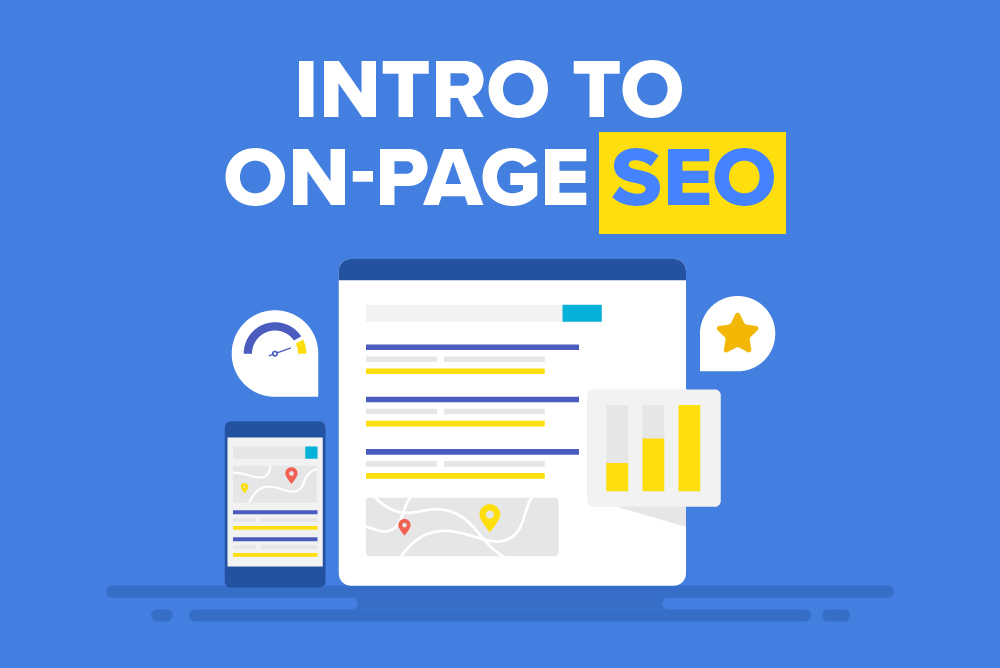
As we delve into the next critical aspect of effective SEO, let’s talk about on-page optimization. While backlinks and keyword research are vital, what happens on your website is equally important. On-page SEO focuses on all the elements on your website that can be optimized for better visibility and performance in search engines.
Imagine your website as a neatly organized library. Each webpage serves as a book, and effective on-page SEO ensures that readers—both human visitors and search engine bots—can easily locate the content they’re seeking. This involves optimizing various elements such as:
- Title Tags: Clear, concise, and rich in keywords to describe the content effectively.
- Meta Descriptions: Brief summaries that entice users to click from search results.
- Headings and Subheadings: Structured content that guides readers and enhances readability.
- Image Alt Text: Descriptive text for images to improve accessibility and indexing.
- URL Structure: Clean and keyword-rich URLs for better comprehension and organization.
A solid on-page SEO strategy not only boosts your search engine rankings but also improves the overall user experience, leading to higher engagement and lower bounce rates.
Recommended On-Page SEO Tools
To assist you in enhancing your on-page optimization, several tools can help streamline the process. Here are some top recommendations:
- Yoast SEO: A popular WordPress plugin that offers real-time analysis of your content, including readability and SEO scores.
- SEMrush On-Page SEO Checker: This tool analyzes your top pages and provides actionable recommendations for optimization based on industry standards.
- Moz Pro: Offers on-page optimization suggestions and keyword tracking to ensure your content meets SEO best practices.
- Screaming Frog SEO Spider: This desktop application crawls your website to identify on-page elements and issues such as broken links, duplicate content, and missing metadata.
- Google Search Console: Along with monitoring site performance, it highlights issues and improvements for on-page optimization.
Utilizing these on-page SEO tools can ensure that your website remains optimized, promoting not only search engine rankings but also a quality experience for your visitors. This balanced approach is essential for an effective SEO strategy.
Competitive Analysis Tools
Conducting Competitor Analysis
As we shift our focus to competitive analysis, it’s crucial to understand that knowing what your competitors are up to can give you a significant edge in the SEO game. In today’s fast-paced digital environment, staying ahead means not just understanding your audience but also knowing how your rivals attract and engage theirs.
Conducting competitor analysis helps you identify what strategies are working for them and where gaps lie that you can capitalize on. It involves examining various aspects such as:
- Keyword Targeting: What keywords are they ranking for? Are there keywords you’re overlooking that could drive traffic?
- Content Performance: Which of their articles or web pages seem to be the most successful? Analyzing their most shared content can give insights into your audience’s interests.
- Backlink Profiles: Who is linking to your competitors? This information can provide leads for potential link-building opportunities.
By adopting this analytical approach, you can not only refine your current strategies but also discover areas for improvement.
Tools for Monitoring Competitor Strategies
To keep a pulse on your competition, several tools can greatly simplify the monitoring process. Here are some standout options:
- Ahrefs: Known for its robust site explorer, Ahrefs allows you to analyze the backlink profiles and organic search performance of your competitors, giving you insights into their strategies.
- SEMrush: This all-in-one marketing tool enables users to conduct a thorough competitor analysis, providing information on traffic, keywords, and even ad strategies.
- SpyFu: As the name suggests, SpyFu lets you see which keywords your competitors are buying and ranking for, offering a glimpse into their PPC strategy.
- SimilarWeb: This tool provides insights into competitor website traffic, including sources and audience demographics.
- Buzzsumo: Great for analyzing content performance, Buzzsumo shows what content gets the most shares and engagement, helping you gauge what resonates with audiences.
By utilizing these competitive analysis tools, you can create informed strategies that not only compete but also exceed what your rivals are doing. Keeping a close eye on your competition empowers you to adapt and innovate, leading to continual growth in your online presence.

Visualizing Data with SEO Tools
Importance of Data Visualization
Transitioning from competitor analysis, let’s delve into another critical aspect of effective SEO: data visualization. In a world overflowing with information, being able to present complex data in a clear and understandable way can make all the difference.
Imagine you’ve gathered a treasure trove of SEO metrics—traffic sources, keyword rankings, and backlink information—but how do you communicate that to your team or stakeholders? Data visualization turns raw numbers into digestible graphics that tell a compelling story.
Here’s why visualizing data is paramount in SEO:
- Enhanced Understanding: Visuals can simplify complicated data sets, making it easier for you and your team to comprehend trends and insights.
- Quick Insights: A well-designed chart or graph allows you to spot patterns or anomalies at a glance, aiding in faster decision-making.
- Engagement: People are naturally drawn to visuals. Infographics, charts, and graphs can capture attention more effectively than text-heavy reports.
By incorporating data visualization, you can reinforce your findings and effectively communicate the results of your SEO strategies.
Tools for Visualizing SEO Data
To facilitate powerful data visualization, several tools come highly recommended for SEO professionals:
- Google Data Studio: This free tool offers robust capabilities for creating interactive dashboards that pull data from various sources, including Google Analytics and Google Search Console.
- Tableau: A favorite in the analytics world, Tableau allows for advanced visualizations and can handle large datasets, making it ideal for comprehensive SEO reports.
- Microsoft Power BI: Known for its user-friendly interface, Power BI helps create detailed visual analytics that can integrate with various data sources.
- Ahrefs: While primarily an SEO tool, Ahrefs offers visualizations of backlink profiles and keyword rankings, making it easier to present data in an understandable way.
- Canva: Great for quick infographics, Canva helps you create eye-catching visuals that can summarize your SEO findings effectively.
Incorporating these visualization tools not only enhances your reports but also elevates the entire SEO strategy by making your insights clearer and more impactful. The clearer the data, the easier it is to make informed decisions!
SEO Audit Tools
Conducting SEO Audits
As we wrap up our exploration of visualization in SEO, let’s transition to an essential element that underpins your entire strategy: conducting SEO audits. You might think of an SEO audit as a health check-up for your website. Just as you would assess your physical health to ensure everything is functioning optimally, an SEO audit evaluates the performance of your website to identify areas that need improvement.
Regular audits are key to maintaining high search rankings and enhancing user experience. It involves analyzing several components, including:
- Technical SEO: Examining site speed, mobile responsiveness, and website structure for optimal crawlability by search engines.
- On-Page Optimization: Ensuring that each page is properly optimized with relevant keywords, meta tags, and content quality.
- Content Quality: Identifying thin content or duplications and determining whether all pages provide value to visitors.
- Backlink Profile: Evaluating your backlinks to ensure they are high-quality and relevant, while identifying any toxic links that may harm your website’s reputation.
Conducting these audits regularly allows you to stay ahead of any potential issues, providing opportunities for refinement and enhancement of your site’s performance.
Top SEO Audit Tools to Utilize
To streamline the SEO audit process, several tools can assist in performing thorough evaluations. Here are some top-notch options:
- Screaming Frog SEO Spider: This powerful tool crawls your website and provides an in-depth analysis of various SEO elements, such as title tags, meta descriptions, and header usage, making it a must-have for SEO audits.
- SEMrush Site Audit: Known for its comprehensive reporting, SEMrush identifies over 130 technical issues and offers actionable insights to improve your site’s health.
- Ahrefs Site Audit: This tool analyzes your site’s overall SEO health, providing a detailed report on technical issues and suggestions for improvement.
- Google Search Console: Essential for any SEO strategy, it helps monitor your site’s presence in search results and identifies issues that need addressing.
- Moz Pro: A robust SEO platform that offers site audits to help identify potential on-site issues that could negatively impact your rankings.
By leveraging these SEO audit tools, you not only ensure that your website remains in top shape but also create an effective foundation for future optimization efforts. Regular audits contribute to ongoing success, making your website more competitive and user-friendly in an ever-evolving digital landscape.