

Introduction to SEO
What is SEO?
Search Engine Optimization, commonly known as SEO, refers to the practice of enhancing a website’s visibility on search engines like Google, Bing, and Yahoo. The ultimate goal of SEO is to drive organic traffic to a website by improving its ranking in search results. When a user types a query into a search engine, the algorithms evaluate numerous factors to return the most relevant pages. This is where SEO comes into play, employing various techniques to align with those algorithms.
For instance, think of a bookstore. If hundreds of books are on the shelves, how do customers find what they want? SEO acts similarly to a skilled librarian, helping users locate exactly what they are seeking amidst overwhelming choices.
Why is SEO important for websites?
SEO is crucial for any website, and here’s why:
- Increased Visibility : The higher a page ranks in search results, the greater the chances of attracting clicks. Research shows that over 70% of users ignore paid ads and focus on organic results.
- Cost-Effective Marketing : Compared to paying for ads, investing in SEO can yield long-term results without the recurring costs, allowing websites to maintain visibility over time.
- User Experience : Good SEO practices lead to a better-designed website that is easy to navigate, ensuring visitors have a positive experience. This can increase customer retention and loyalty.
- Credibility and Trust : Users tend to trust search engines. A top-ranking site often conveys authority and credibility, making it more likely for users to engage with its content.
In essence, SEO isn’t just about driving traffic; it’s about attracting the right audience. This makes it an indispensable tool for any online entity striving for sustainable growth. As we move forward, understanding search engine algorithms will further clarify how to optimize these practices effectively.

Understanding Search Engine Algorithms
How do search engines work?
To grasp the significance of SEO, it’s vital to understand how search engines operate. In simple terms, search engines like Google function through three primary processes: crawling, indexing, and ranking.
- Crawling : This is the first phase where search engines deploy bots, known as “crawlers” or “spiders,” to discover new or updated content across the web. Imagine a detective gathering clues—crawlers wander the internet to find and document all types of pages.
- Indexing : Once the content is discovered, it gets indexed, similar to how a library catalogs books. This process involves analyzing and storing information, so it is readily available for retrieval when users conduct searches.
- Ranking : The final step is ranking, where the search engine evaluates indexed content based on relevance and quality before presenting the results to users. This is akin to a judge in a competition, deciding which entries best meet the criteria.
Key factors in search engine algorithms
Now that we understand the basic mechanics, let’s delve into the key factors that influence these algorithms:
- Relevance : Search engines assess how well a webpage content matches the user’s query. High relevance leads to better rankings.
- Quality Content : Engaging, informative, and well-structured content is prioritized. Search engines favor sites that provide value to the reader.
- Backlinks : When other reputable sites link to your content, it signals authority and trustworthiness to search engines.
- User Experience : Factors such as page loading speed, mobile compatibility, and ease of navigation can impact rankings significantly.
- Freshness : Regular updates to content show that a site is active, which can improve its ranking.
Understanding these factors offers valuable insights into optimizing SEO strategies and elevating a website’s presence in search results. As we progress further, we’ll explore how keywords and content strategy intertwine with these fundamental elements.

Keywords and Content Strategy
Importance of keywords
Building on the principles of search engine algorithms, keywords become the bridge connecting user queries to website content. Keywords are specific words or phrases that potential visitors enter into search engines. Understanding their importance is crucial for successful SEO.
Think of keywords as signposts guiding visitors to your content. When you optimize your site with relevant keywords, you increase the chances of matching user intent. Here’s why keywords matter:
- Targeted Traffic : Using the right keywords attracts users who are actively looking for what you offer, leading to higher conversion rates.
- Improved Visibility : Incorporating relevant keywords boosts the chances of appearing higher in search results. This increases visibility in a cluttered online space.
- Insight into Audience : Keywords shed light on what your audience is searching for, offering valuable insights into their interests and behaviors.
- Content Relevance : Thoughtfully selected keywords help shape content that aligns with user needs, enhancing the overall effectiveness of your website.
Creating an effective content strategy
Once you grasp the importance of keywords, the next step is crafting a robust content strategy. This involves creating high-quality content that not only incorporates these keywords but also engages the audience. Here’s how to build an effective strategy:
- Research Keywords : Utilize keyword research tools such as Google Keyword Planner or SEMrush to identify valuable keywords relevant to your niche.
- Content Planning : Organize your topics around identified keywords. Create an editorial calendar to maintain a consistent flow of content.
- Quality Over Quantity : Focus on producing well-researched and engaging content that adds value. It’s about connecting with readers rather than merely filling pages with keywords.
- Diversify Content Types : Incorporate various formats, such as blog posts, infographics, videos, and podcasts, to cater to different audience preferences.
- Measure and Adjust : Regularly analyze the performance of your content using tools like Google Analytics. Be prepared to adjust your strategy based on which keywords and topics resonate most.
By focusing on keywords and crafting a solid content strategy, websites can significantly enhance their search visibility and user engagement, setting a solid foundation for effective SEO practices. Next, we will explore on-page SEO techniques that will further refine website optimization.

On-Page SEO Techniques
Optimizing meta tags
As we dive deeper into effective SEO practices, on-page optimization plays a pivotal role in enhancing a website’s visibility. One of the fundamental techniques in this realm is optimizing meta tags. Meta tags are snippets of text that describe a page’s content but don’t appear on the page itself. They’re embedded in the HTML of a webpage, offering key information to both search engines and users.
Here’s why they matter:
- Title Tags : This is the clickable headline that appears in search results. A well-crafted title tag—ideally 50 to 60 characters long—should include relevant keywords and succinctly summarize the page content.
- Meta Descriptions : These provide a brief overview (up to 155 characters) of what users can expect on a page. Crafting compelling descriptions encourages users to click through, so include phrases that resonate with your target audience.
- Header Tags (H1 to H6) : These tags organize content and improve readability. Use H1 for the main title, and subsequent H2, H3, etc., for sections and subsections. Including keywords here signals relevance to search engines.
By optimizing meta tags, you improve click-through rates and help search engines understand the content hierarchy of your site.
Improving website structure for SEO
Another crucial aspect of on-page SEO lies in enhancing your website structure. A clean, intuitive structure not only helps visitors navigate easily but also enables search engines to crawl your site more efficiently.
Here’s how to improve your website structure:
- Simplified Navigation : Use a logical hierarchy with a clear menu. Categories and subcategories should be easily accessible, enhancing user experience.
- Internal Linking : Create a network of links that connects relevant content within your site. This guides users to explore more and boosts the SEO value of pages you want to prioritize.
- URL Structure : Implement SEO-friendly URLs that are descriptive and include keywords. For example, instead of “website.com/page1,” use “website.com/optimizing-meta-tags.”
- Mobile Optimization : Ensure your website is responsive and accessible on various devices. With the growing trend of mobile browsing, this step is essential for both user engagement and SEO.
- Fast Loading Speed : Optimize images and minimize code to enhance loading times. A fast website not only improves user experience but also positively impacts search rankings.
By embracing these on-page SEO techniques, a website can significantly improve its visibility and user engagement, laying the groundwork for further off-page strategies that will be explored next.
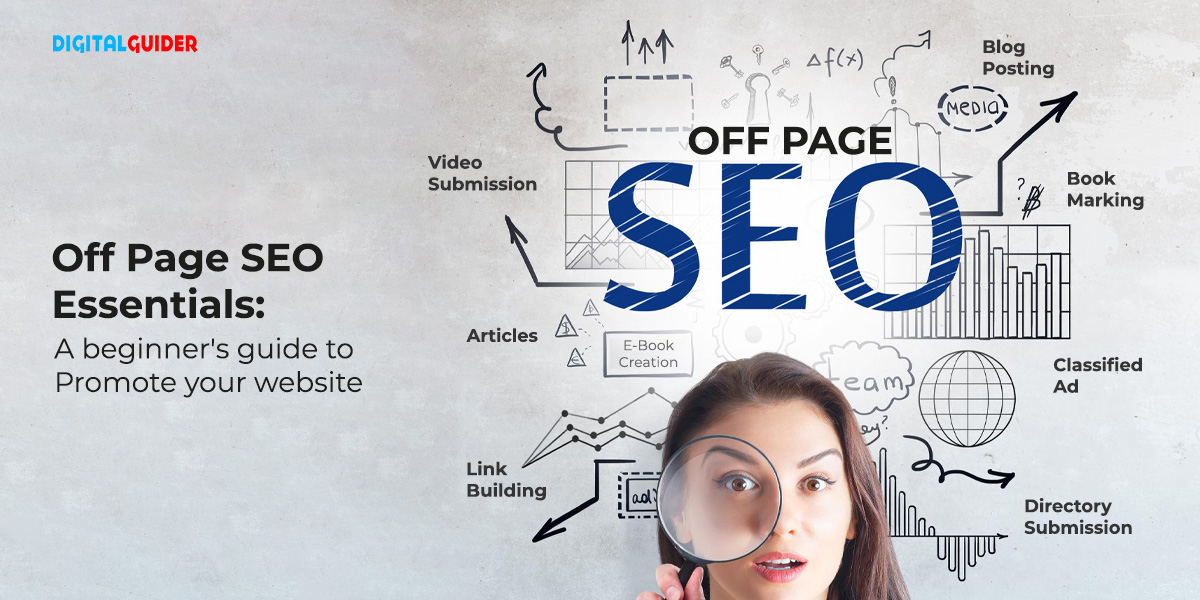
Off-Page SEO Strategies
Building quality backlinks
Transitioning from on-page techniques, it’s now time to explore off-page SEO strategies, which play a vital role in boosting a website’s authority and search rankings. One of the most effective off-page tactics is building quality backlinks. Backlinks are links from other websites that direct users to your content. Search engines view these as endorsements, and the more high-quality backlinks you have, the more credible your site appears.
Here are some key strategies for building quality backlinks:
- Guest Blogging : Contributing articles to reputable sites in your niche allows you to include a link back to your site. It’s a win-win; you gain exposure while providing valuable content to another platform.
- Engage with Influencers : Collaborate with influencers or thought leaders in your industry. They can share your content with their audience, creating opportunities for quality backlinks.
- Create Shareable Content : Invest time in creating valuable resources such as infographics, comprehensive guides, or original research. These types of content are often shared, which can earn you quality backlinks over time.
- Participate in Online Communities : Engage in forums, Q&A sites, or relevant social media groups. Sharing insights and linking back to your content in context can attract valuable traffic and backlinks.
Social media and its impact on SEO
As we delve deeper into off-page SEO strategies, it’s essential to recognize the powerful role social media plays in enhancing your website’s visibility. While social signals don’t directly influence search rankings, they significantly contribute to overall SEO success.
Consider this:
- Content Promotion : Social media acts as a catalyst for driving traffic to your website. By sharing your content consistently, you can attract more visitors, leading to organic link opportunities.
- Increased Brand Awareness : A strong social media presence enhances brand visibility and recognition, making it more likely that other websites will link to your content as they become familiar with your brand.
- Engagement and Community Building : Regular interaction on social platforms allows for building relationships with your audience. Engaged users are more likely to share your content, leading to more backlinks and referral traffic.
- Influencing Content Discovery : Shareable content can go viral on social media, exponentially increasing its reach and attracting links from other outlets. This phenomenon can create a remarkable snowball effect.
By focusing on building quality backlinks and leveraging social media effectively, websites can significantly improve their SEO performance. These strategies complement on-page efforts and lead to a holistic approach to search engine optimization. Next, we’ll explore how to measure SEO success to ensure ongoing effectiveness.

Measuring SEO Success
Key performance indicators (KPIs)
With all the off-page SEO strategies implemented, it’s vital to measure their effectiveness. This is where Key Performance Indicators (KPIs) come into play. KPIs are measurable values that indicate how well your SEO strategies are performing in achieving your goals.
Some essential KPIs to track include:
- Organic Traffic : This reflects the number of visitors coming to your site from search engines. An increase in organic traffic often signifies that your SEO efforts are paying off.
- Keyword Rankings : Monitoring the position of your target keywords allows you to gauge your site’s visibility in search results. Tools like Google Search Console can help track changes over time.
- Bounce Rate : The bounce rate measures the percentage of visitors who leave your site after viewing only one page. A high bounce rate may indicate that users are not finding what they expected, prompting you to refine your content strategy.
- Conversion Rate : Ultimately, traffic is valuable only if it converts. Tracking how many visitors take desired actions—like signing up for newsletters or making purchases—will give insight into your site’s effectiveness.
- Average Session Duration : This metric indicates how long visitors stay on your site. Longer times suggest that users are engaged, while shorter times might require investigation into content quality.
Tools for tracking SEO progress
To effectively monitor these KPIs, a variety of tools are available, making the process easier and more efficient. Here are some popular options:
- Google Analytics : This indispensable tool offers insights into website traffic, user behavior, and conversion rates. You can set goals to track specific actions that align with your business objectives.
- Google Search Console : A vital resource for monitoring keyword rankings, indexing issues, and overall site performance in search results. The data helps inform adjustments to your SEO strategy.
- SEMrush & Ahrefs : These comprehensive SEO platforms provide in-depth keyword tracking, backlink analysis, and competitive research, allowing you to tweak your strategies based on solid evidence.
- Moz : Known for its user-friendly interface, Moz’s tools help track keyword performance, domain authority, and page optimization suggestions.
By understanding and utilizing KPIs alongside the right tracking tools, businesses can accurately measure SEO success, enabling them to refine their strategies for even better results. With these insights, websites can continue to evolve and adapt in the dynamic digital landscape. The next essential aspect of SEO we’ll explore is mobile optimization, ensuring that your site remains accessible to an increasingly mobile audience.
Mobile SEO Optimization
Importance of mobile-friendliness
With the significant shift towards mobile browsing, optimizing for mobile devices has become a cornerstone of effective SEO strategies. It’s no longer sufficient to have a website that looks great on desktop; it must also provide an exceptional user experience on smartphones and tablets.
Here are a few reasons why mobile-friendliness is crucial:
- Increased Mobile Traffic : Mobile devices account for a substantial percentage of web traffic. In fact, studies indicate that more than half of global web traffic comes from mobile devices. This trend means that if your site isn’t optimized for them, you could be missing out on a significant audience.
- User Experience : A mobile-friendly site enhances user experience, leading to longer session durations and lower bounce rates. A seamless experience keeps visitors engaged and more likely to convert.
- Search Engine Ranking : Google has adopted mobile-first indexing, meaning it primarily uses the mobile version of a site for indexing and ranking. If your site is not mobile-friendly, it could suffer in search engine rankings, negatively impacting visibility.
- Local Searches : Mobile devices play a crucial role in local search queries. People often use their smartphones to search for nearby businesses, making mobile optimization essential for attracting local customers.
Tips for optimizing websites for mobile devices
Now that we understand the importance of mobile-friendliness, here are practical tips for optimizing websites for mobile devices:
- Responsive Design : Use a responsive web design that automatically adjusts layouts, images, and proportions to fit various screen sizes, ensuring your site looks good on any device.
- Fast Loading Times : Mobile users expect quick access. Optimize images, minimize scripts, and leverage browser caching to enhance loading speeds. A delay of even a few seconds could cause visitors to abandon your site.
- Simplified Navigation : Mobile screens have limited space. Simplify navigation by using dropdown menus and clearly labeled buttons, making it easy for visitors to find what they need.
- Readable Text : Ensure that your text is easily readable on smaller screens. Use larger font sizes and sufficient contrast between text and background to enhance visibility.
- Touchscreen Compatibility : Design buttons and links that are easily clickable with a finger. Make sure they are spaced adequately apart to prevent accidental clicks.
By implementing these mobile optimization strategies, sites can significantly enhance user experience and ensure robust visibility in search engine results. As the digital landscape continues to evolve, staying ahead in mobile SEO is essential for success. As we conclude, remember that a holistic approach that incorporates all these elements will drive sustainable growth and engagement in your online presence.