
Introduction
Understanding Google SEO
When diving into the realm of digital marketing, one cannot overlook the importance of Google SEO. Search Engine Optimization (SEO) refers to the techniques and strategies used to enhance a website’s visibility in search engines like Google. Essentially, it’s about making a website more appealing not just to users, but also to search engines themselves.
For instance, consider the last time you sought information online. The results that appeared on the first page likely caught your eye and led you to click on a specific link. That’s the power of effective SEO; it puts businesses right where they need to be—front and center.
Significance of SEO in Online Visibility
The significance of SEO in online visibility cannot be overstressed. Good SEO practices ensure that a website ranks higher in search results, which can directly affect:
- Traffic : More visibility leads to increased website visits.
- Credibility : Higher rankings build trust among potential customers.
- Conversion Rates : Targeted traffic typically results in better conversion rates.
In today’s digital landscape, mastering SEO is vital. By optimizing their presence, businesses can not only engage more users but also build lasting relationships with their audience.

Fundamentals of Google SEO Algorithm
Crawling and Indexing
Now that we’ve laid the groundwork for understanding SEO’s importance, let’s delve into the fundamentals of the Google SEO algorithm. One of the first stages of this process is crawling and indexing.
Every time you publish new content, search engines deploy bots, often called crawlers or spiders, to scan your website. Think of it as a librarian who meticulously checks the latest books for relevant information. Once crawled, your content is then indexed, meaning it’s organized and stored in Google’s massive database. If these bots encounter any obstacles, like broken links or errors, your content may sadly go unnoticed.
Keywords and Relevance
Next up is keywords and relevance. Utilizing the right keywords is essential for capturing your target audience’s attention. Imagine someone searching for a specific dish online; if your recipe blog is optimized with relevant keywords, it’ll likely show up in their search results.
- Research : Use tools to discover what phrases are being searched for.
- Placement : Strategically incorporate these keywords into headings, content, and meta descriptions.
Page Ranking Factors
Finally, we arrive at page ranking factors. Google uses a variety of criteria to determine a webpage’s ranking, including:
- Content Quality : Is your content informative and engaging?
- Backlinks : Are other reputable sites linking to your pages?
- User Experience : Is your website easy to navigate?
Understanding these fundamentals not only empowers website owners but also lays the foundation for effective SEO strategies moving forward.

On-Page SEO Strategies
Content Optimization
Building on our previous discussion about page ranking factors, let’s explore some effective on-page SEO strategies. At the heart of these strategies lies content optimization. Crafting high-quality, informative content is paramount, but it’s equally important to optimize it for search engines.
Consider adding variations of important keywords throughout your article, while maintaining natural language. Bullet points and subheadings can significantly enhance readability, making it easier for users and search engines alike to digest your information.
Meta Tags and Descriptions
Next, we have meta tags and descriptions. These succinct snippets play a crucial role in enticing users to click on your link when it appears in search results. Well-written meta descriptions should:
- Summarize your content in 155 characters or less.
- Contain primary keywords.
- Encourage action—not just inform.
Imagine scrolling through Google results; which descriptions seem enticing enough to make you click?
URL Structure
Lastly, let’s talk about URL structure. A clean, descriptive URL can significantly aid SEO. Search engines favor URLs that are easy to read and understand.
For instance, a URL like www.example.com/best-chocolate-cake-recipe conveys exactly what the page is about. Consolidating these strategies—content optimization, effective meta tags, and clear URL structures—promotes not just visibility, but also enhances the overall user experience.

Off-Page SEO Techniques
Backlink Building
Following our deep dive into on-page SEO, it’s essential to turn our attention to off-page SEO techniques. One of the most crucial elements here is backlink building. This process involves acquiring links from other reputable websites, which essentially act as endorsements for your content. It’s like getting a vote of confidence from a trusted source!
To effectively build backlinks, consider:
- Guest Blogging : Write articles for other blogs in your niche.
- Engaging with Influencers : Collaborate with industry leaders to expand your reach.
- Creating Shareable Content : Infographics or in-depth guides are often shared widely.
Social Signals
Next, let’s discuss social signals. While not a direct ranking factor, active social media presence can boost your visibility. Think of social media as your digital megaphone. The more shares and engagement your content generates, the higher the chances of attracting new visitors and backlinks.
- Consistent Posting : Keep your audience engaged with regular updates.
- Engagement : Respond to comments, showing that you value your community.
Domain Authority
Finally, let’s touch on domain authority (DA). A higher DA indicates that your website is a trustworthy source of information. To improve your DA:
- Focus on acquiring quality backlinks.
- Ensure your content remains relevant and up-to-date.
- Maintain a strong social media presence.
By mastering these off-page SEO techniques, businesses can enhance their online presence and build a robust digital reputation.

Mobile-Friendly and User Experience
Responsive Design
As we transition from off-page strategies, it’s vital to highlight the importance of mobile-friendly design and user experience. In today’s digital age, a responsive design is non-negotiable. This means your website should dynamically adjust to fit various screen sizes, from desktops to smartphones.
Imagine the frustration of trying to navigate a non-responsive site on your phone—pinching, zooming, and scrolling endlessly. A responsive design eliminates that hassle, creating a seamless experience for your users.
- Test Responsiveness : Regularly check how your site appears on different devices.
- Simplify Navigation : Ensure menus and buttons are easy to access, regardless of screen size.
Page Loading Speed
Next, let’s focus on page loading speed. According to research, users expect a webpage to load within a few seconds. Anything longer, and you risk losing potential visitors. Fast-loading pages enhance user satisfaction and can positively affect search rankings.
To improve loading speed:
- Optimize Images : Use compressed formats that maintain quality.
- Minimize HTTP Requests : Limit the number of elements on your page to enhance speed.
User Engagement Metrics
Lastly, consider user engagement metrics. Google values sites that keep visitors engaged. High bounce rates can indicate that your content isn’t resonating.
Key metrics to monitor include:
- Average Session Duration : Aim for longer engagement times.
- Pages per Session : Encourage users to explore more of your content.
By prioritizing mobile-friendly design and focusing on user experience, businesses can significantly enhance their online presence and foster greater visitor satisfaction.
Google Updates and SEO Adaptation
Panda, Penguin, and Hummingbird
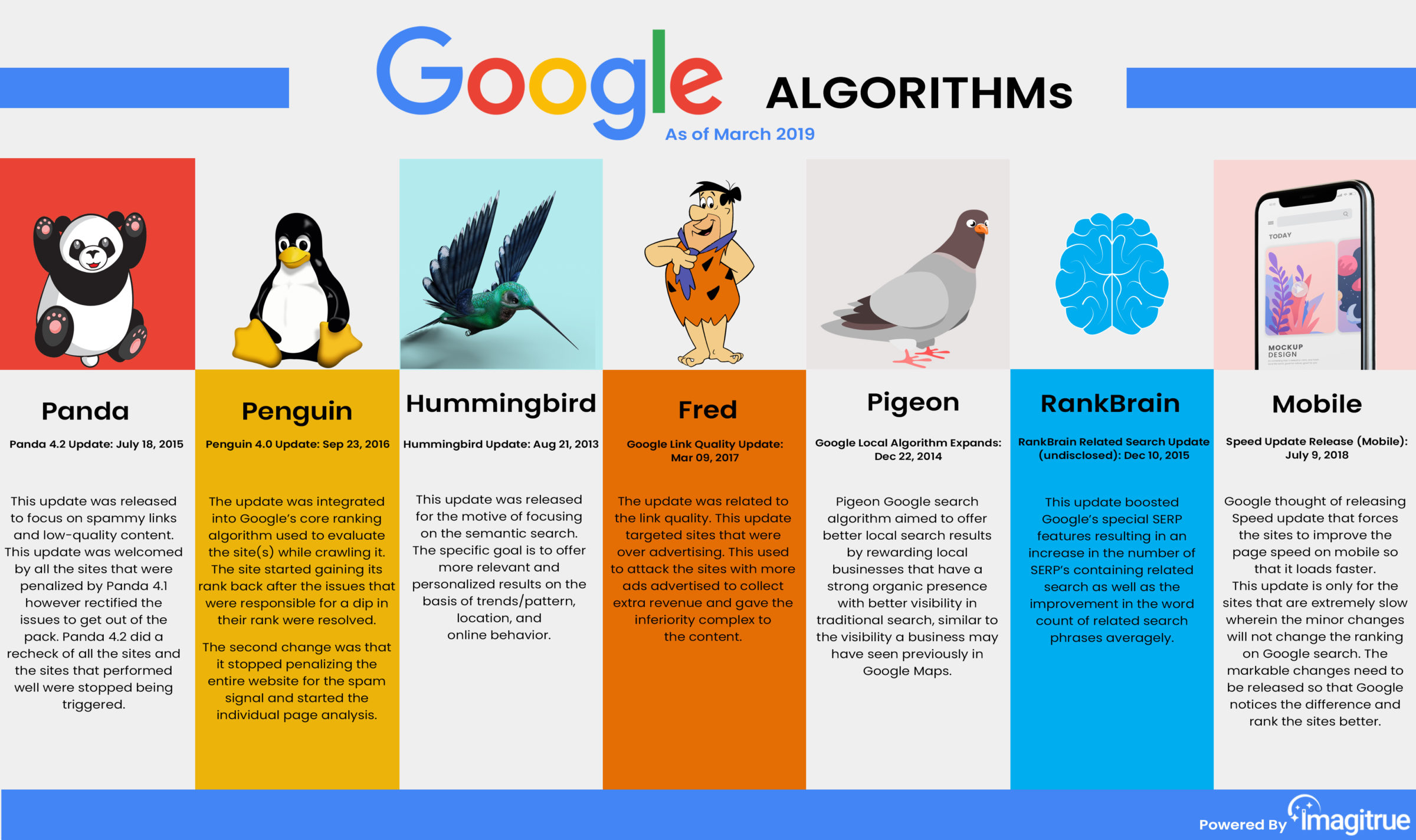
Transitioning from the technical aspects of user experience, it’s crucial to recognize the impact of Google updates and the need for SEO adaptation. Since its inception, Google has rolled out several significant updates, including Panda, Penguin, and Hummingbird, each reshaping the SEO landscape.
- Panda : Launched to improve content quality, this update penalizes sites with low-quality or duplicate content. As a strategy, producing unique and helpful content is essential.
- Penguin : Focused on combating black hat SEO tactics, such as excessive link-building. Building quality backlinks is now more important than ever.
- Hummingbird : Introduced to enhance Google’s understanding of conversational search queries. This update emphasizes the importance of context and intent in content creation.
Core Web Vitals
Fast forward to today, and we now have Core Web Vitals—the latest metric that focuses on user experience dimensions. These include loading performance, interaction readiness, and visual stability. Google assesses these metrics to determine how users experience pages.
To optimize for Core Web Vitals:
- Improve Loading Times : Compress files and leverage caching.
- Ensure Interactivity : Minimize scripts that may delay interactivity.
- Avoid Layout Shifts : Reserve space for images and ads to prevent unexpected movement.
By staying updated on Google’s evolving algorithms and adapting strategies accordingly, businesses can maintain strong search rankings and optimize user experiences.
Local SEO and Google My Business
Local Listings
Continuing from our discussion on adapting to Google updates, let’s now explore the importance of local SEO and Google My Business (GMB). Focusing on local strategy is crucial for businesses aimed at servicing geographic areas. Local listings play a significant role here. By claiming and optimizing your GMB profile, you can help potential customers find you easily when they search for services nearby.
For effective local listings, remember to:
- Complete Your Profile : Fill in all the business details—address, phone number, hours of operation.
- Add Photos : Showcase your business with appealing images that authentically represent your services.
NAP Consistency
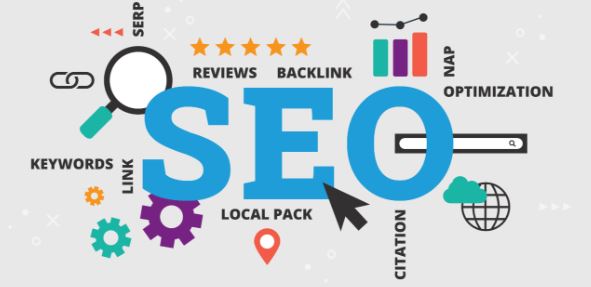
Next, let’s address NAP consistency—Name, Address, Phone number. Ensuring that your NAP information matches across all platforms (websites, directories, social media) strengthens your credibility in local searches.
- Audit Your Listings : Regularly check for discrepancies in your NAP across various platforms.
- Utilize Local Directories : Listing in reputable directories can amplify your online presence.
Reviews and Ratings
Finally, don’t underestimate the power of reviews and ratings. Since potential customers often rely on these evaluations, actively encouraging reviews can make a significant difference.
- Respond to Reviews : Engaging with users, both positive and negative, demonstrates that you value customer feedback.
- Incorporate Customer Feedback : Use positive testimonials in your marketing efforts.
By leveraging local SEO strategies through Google My Business, businesses can effectively reach their target audiences and enhance their community presence.

SEO Tools and Analytics
Google Search Console
As we wrap up our exploration of local SEO, it’s time to emphasize the role of SEO tools and analytics in shaping successful strategies. One of the most vital tools at your disposal is the Google Search Console. This free service helps you monitor and improve your site’s presence in Google search results.
By linking your website to Search Console, you can access vital data such as:
- Search Performance : See how many clicks your site receives, the average position in search results, and the phrases that drive users.
- Crawl Errors : Identify any issues that may prevent Google from indexing your site properly.
Google Analytics
Next up, we have Google Analytics. This powerful tool offers in-depth insights into user behavior on your website. By analyzing metrics such as:
- Bounce Rate : Understand how well your content retains visitors.
- Traffic Sources : Determine where your visitors come from—search engines, social media, or referral sites.
This information can guide your SEO efforts and help you refine your strategies.
Keyword Research Tools
Finally, let’s touch on keyword research tools. Tools like Ahrefs, SEMrush, or even Google’s Keyword Planner can provide valuable insights into trending keywords and phrases relevant to your niche. By identifying high-volume keywords with low competition, you can optimize your content effectively.
Incorporating these SEO tools and analytics means you’re not only gathering data but actively using it to drive your online strategy, maximizing visibility and engagement.
Black Hat SEO Practices to Avoid
Keyword Stuffing
Transitioning from the importance of effective SEO tools, let’s now shed light on black hat SEO practices to avoid. First on the list is keyword stuffing. While incorporating keywords is essential for optimization, excessive and unnatural use can backfire. Imagine reading a blog where the same keyword pops up in every sentence—it feels forced and detracts from the content’s value.
To ensure effective usage, aim for:
- Natural Incorporation : Use keywords where they fit organically within your writing.
- Variety : Utilize synonyms and related phrases to maintain content quality.
Link Buying
Next, let’s discuss link buying. While acquiring backlinks is crucial for SEO, purchasing them undermines your credibility and can lead to penalties from search engines. Instead of seeking shortcuts, focus on building genuine relationships for organic linking.
- Quality over Quantity : Aim for backlinks from reputable sites in your niche.
- Guest Contributions : Writing guest posts is a far better route to gain quality links.
Cloaking
Lastly, there’s cloaking. This deceptive practice involves showing different content to search engines than to users, aiming to manipulate rankings. Such tactics can lead to severe penalties and damage your site’s reputation.
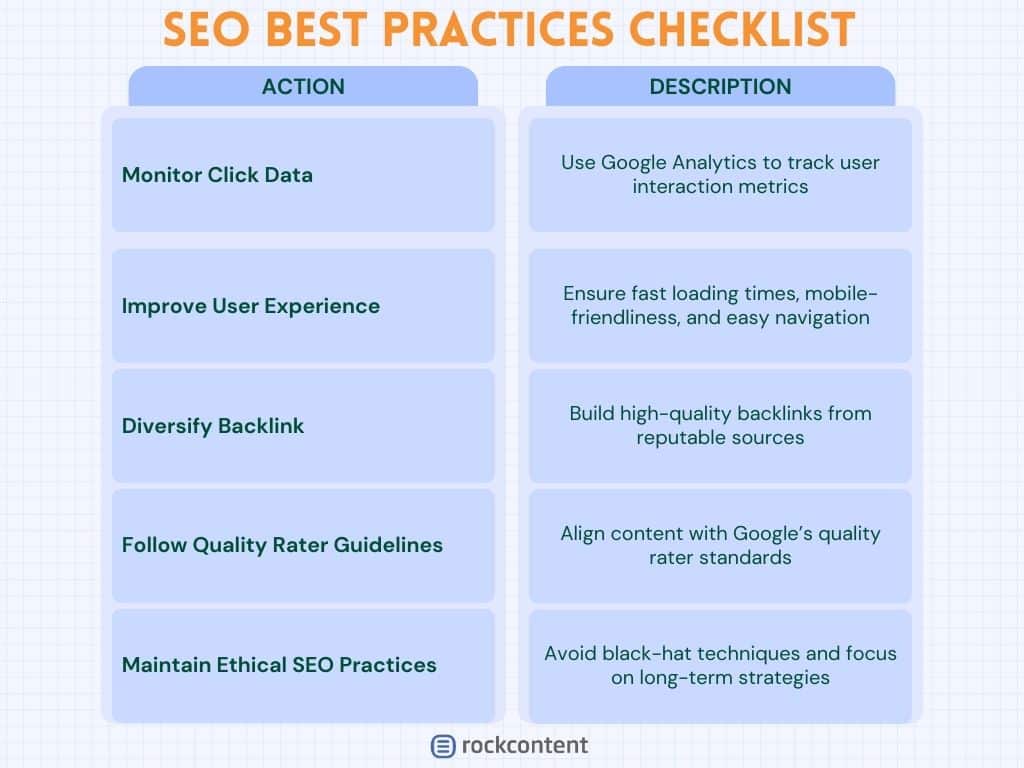
In summary, avoiding these black hat practices is paramount. Instead, focus on ethical and effective SEO strategies that will build your brand authentically in the long run.

SEO Future Trends and Predictions
Voice Search Optimization
As we reflect on the importance of ethical SEO practices, it’s equally essential to look ahead at SEO future trends and predictions. One significant trend is voice search optimization. With voice-activated devices like Amazon Alexa and Google Assistant becoming household staples, it’s crucial for businesses to adapt.
Voice searches tend to be more conversational, often phrased as questions. For instance, instead of typing “best coffee shop,” someone might ask, “What’s the best coffee shop near me?” To prepare for this shift, businesses should:
- Optimize for Long-Tail Keywords : Focus on phrases people naturally speak.
- Create FAQ Pages : Address common questions directly, improving relevance for voice inquiries.
Artificial Intelligence Impact
Next, let’s delve into the impact of artificial intelligence (AI) on SEO. AI is revolutionizing how search engines understand and rank content. With advancements in machine learning, AI systems can analyze user behavior and content relevance more efficiently than ever.
- Content Personalization : AI tools can help tailor content for specific audiences based on their previous interactions.
- Predictive Analysis : AI can forecast trends, providing invaluable insights for SEO strategies.
As voice search and AI continue to influence the digital landscape, adapting to these trends will be vital for maintaining a competitive edge in SEO. By embracing these advancements, businesses can remain relevant and build a stronger online presence.

Conclusion and Key Takeaways
Recap of SEO Insights
As we conclude our exploration of SEO principles, let’s recap some essential insights. From understanding the fundamentals of Google SEO to implementing effective on-page and off-page strategies, it’s clear that SEO is a multifaceted discipline. We’ve discussed the importance of local SEO, the influence of Google updates, and the future trends that marketers must embrace. Each component plays a vital role in enhancing online visibility and user engagement.
Key insights include:
- Consistently optimizing content for relevant keywords.
- Leveraging tools like Google Search Console and Analytics for data-driven decisions.
- Avoiding black hat practices that could jeopardize your site’s integrity.
Practical Implementation Strategies
Now, moving forward, how can you effectively implement these strategies? Start by:
- Conducting an SEO Audit : Evaluate your current site performance and identify improvement areas.
- Creating a Content Calendar : Plan your content strategy around keywords, ensuring a steady flow of fresh, relevant content.
- Engaging with Customers : Encourage reviews and actively respond to them to build trust.
By applying these practical strategies, businesses can enhance their SEO approach and thrive in an increasingly digital landscape. Embracing a holistic view of SEO will ensure long-term success and visibility.