

Overview of Social Media Marketing
Importance of Social Media Marketing
In today’s digital age, social media marketing has become an essential tool for businesses of all sizes. The ability to connect with customers and prospects in real-time on platforms like Facebook, Twitter, and Instagram is invaluable. This means businesses can create a community around their brand, fostering trust and loyalty.
For example, a local bakery could share daily specials or behind-the-scenes content, allowing customers to feel more connected to the brand. This personal touch encourages customer engagement and can turn one-time buyers into loyal patrons.
Benefits of Social Media Marketing
The benefits of social media marketing are extensive and can have a profound impact on a company’s bottom line. Here are some key advantages:
- Increased Brand Awareness : Social media platforms offer unparalleled reach, allowing businesses to introduce themselves to new audiences.
- Enhanced Customer Engagement : Brands that actively engage with their audience are more likely to foster relationships that drive loyalty and sales.
- Cost-Effective Advertising : Compared to traditional marketing, social media ads can be tailored to specific demographics at a fraction of the cost.
- Real-Time Feedback : Companies can receive immediate feedback on products or services, enabling rapid adjustments to meet customer needs.
These benefits make social media marketing a vital strategy for businesses looking to thrive in a competitive landscape.

Understanding Your Target Audience
Identifying Target Demographics
To effectively reach potential customers, businesses must first identify their target demographics. Understanding who the ideal customer is can significantly enhance marketing strategies. Begin by analyzing factors such as age, gender, location, and income.
For instance, if a company sells high-end skincare products, their target demographic might be women aged 25-45 with disposable income. This information helps in crafting messages that resonate deeply with that particular audience.
Key demographic factors to consider include:
- Age : Different age groups respond to different marketing styles.
- Gender : Tailor content to appeal to either men or women based on the product.
- Location : Geographically-targeted promotions can address local interests and needs.
- Income Level : Pricing strategies can vary depending on the target audience’s financial capacity.
Analyzing Consumer Behavior
Once demographics are established, it’s crucial to analyze consumer behavior. This involves understanding how potential customers interact with brands and make purchasing decisions.
Begin by asking questions such as:
- What products do they frequently purchase?
- How do they use social media while shopping?
- What influences their buying decisions?
Utilizing tools like surveys and analytics can provide valuable insights.
For example, a clothing brand might find that their audience prefers shopping during specific times of the year or responds well to limited-time offers. By analyzing these behaviors, businesses can optimize their marketing efforts, ensuring that they engage effectively with their audience and drive conversions. Understanding both demographics and behaviors is key to tailored marketing success.

Developing a Social Media Strategy
Setting Clear Goals and Objectives
With a solid understanding of your target audience, the next step involves developing a comprehensive social media strategy. At the heart of this strategy are clear goals and objectives. These should be specific, measurable, attainable, relevant, and time-bound (SMART).
Consider what you want to achieve through social media:
- Increase Brand Awareness : Aim for a specific percentage increase in followers or engagement within a set timeframe.
- Boost Website Traffic : Define how many visitors you’d like social media to direct to your website monthly.
- Enhance Customer Engagement : Set targets for likes, shares, or comments on your posts.
For instance, a local coffee shop might set a goal to increase their Instagram followers by 20% in three months by posting daily and engaging with followers through stories and polls.
Choosing the Right Social Media Platforms
Once goals are set, the next crucial step is selecting the right social media platforms. Not all platforms are created equal, and choosing the wrong one can lead to wasted efforts.
Consider where your target audience spends their time.
Here’s a quick guide:
- Facebook : Great for broad demographics and community engagement.
- Instagram : Ideal for visually-driven brands, especially in fashion and food.
- LinkedIn : Best suited for B2B marketing and professional services.
- Twitter : Excellent for real-time engagement and news sharing.
By understanding which platforms align with your goals and where your audience resides, you can effectively allocate resources and develop impactful content tailored to each platform. This strategic groundwork sets the stage for a successful social media presence.

Creating Engaging Content
Types of Content that Resonate
After establishing your social media strategy, the next step is to focus on creating engaging content. The type of content shared significantly influences audience interaction. Here are some content types that typically resonate well:
- Visual Content : Infographics, photos, and videos are highly engaging. For instance, a fitness brand could share short workout videos to inspire followers.
- User-Generated Content : Showcasing content created by customers builds community. Consider featuring a customer’s photo using your product.
- Educational Posts : Sharing tips, tutorials, or informative articles positions your brand as an expert. Think about sharing a “how-to” video concerning your product or service.
- Polls and Quizzes : Interactive content like polls encourages audience participation. A local restaurant might use polls on Instagram Stories to decide their next special.
Strategies for Content Creation
With content types in mind, it’s essential to employ effective strategies for creation. Here are some practical tips to enhance your content:
- Consistency is Key : Regular posting keeps your audience engaged. Create a content calendar to stay organized.
- Know Your Brand Voice : Maintain a consistent tone across all platforms. Whether it’s fun and casual or professional, align it with your brand’s identity.
- Leverage Analytics : Monitor what content performs best and adapt accordingly. For example, if video content garners more engagement, focus on that in upcoming posts.
- Encourage Interaction : Ask questions or prompt discussions in your posts to invite engagement.
By focusing on these types of content and strategies, your social media presence will not only attract attention but also foster meaningful connections with your audience. Engaging content is essential for driving interactions and building lasting relationships.

Utilizing Social Media Advertising
Targeted Advertising Options
Once you’ve crafted engaging content, leveraging social media advertising can amplify your reach significantly. One of the standout features of social media is its ability to target specific audiences. This targeted advertising ensures that your ads reach the individuals most likely to engage with your brand.
For instance, platforms like Facebook and Instagram offer various targeting options, including:
- Demographics : Target users based on age, gender, and location.
- Interests : Reach people who have expressed interest in related topics or products.
- Behavior : Target users based on their purchasing behaviors and device usage.
- Custom Audiences : Retarget previous customers or website visitors by uploading your contact lists.
These targeted options help in making every advertising dollar spent far more effective.
Tips for Effective Ad Campaigns
To maximize the impact of your ad campaigns, keep the following strategies in mind:
- Create Compelling Visuals : Eye-catching graphics or videos draw attention. For example, a travel agency could use stunning visuals of destinations to evoke wanderlust.
- Craft Clear Calls-to-Action : Clearly direct your audience on what to do next, whether it’s visiting a website, signing up for a newsletter, or making a purchase.
- A/B Testing : Experiment with different ad formats, headlines, and images to see which resonates more with your audience.
- Monitor and Adjust : Continuously track your ad performance. Platforms provide insights allowing you to tweak campaigns for better results.
By utilizing targeted advertising and following these tips, brands can effectively reach their audience, driving more significant engagement and ultimately, conversions. Social media advertising is a powerful tool that, when wielded correctly, can yield impressive results for any business.
Engaging with Your Audience
Building Relationships
After successfully utilizing social media advertising, it’s crucial to focus on engaging with your audience beyond mere transactions. Building relationships with your audience lays the foundation for brand loyalty and customer retention.
One effective way is by fostering a sense of community. For instance, a local gym might create a Facebook group where members can share fitness tips, motivate each other, and post success stories. This not only strengthens connections but also encourages word-of-mouth referrals.
Key strategies for building relationships include:
- Personalization : Use the audience’s names and acknowledge their unique experiences to make interactions feel more personal.
- Consistent Interaction : Regularly host Q&A sessions or live videos to answer questions and provide value.
- Value-Driven Content : Share informative, entertaining, or inspiring content that resonates with your audience’s interests.
Responding to Feedback and Comments
Engagement doesn’t end with building relationships; responding to feedback and comments is equally vital. Acknowledging user feedback demonstrates that you value their opinions and are open to improvement.
- Timely Responses : Aim to respond to comments and messages promptly. A quick reply can transform a simple inquiry into a lasting positive experience.
- Handling Criticism Constructively : When negative feedback arises, address it professionally and take the conversation offline if necessary. Showing that you care about resolving issues can turn dissatisfied customers into loyal advocates.
- Celebrating Positivity : Don’t forget to highlight positive comments or reviews on your social media pages. This not only shows appreciation to the customer but also encourages others to share their experiences.
By actively engaging with your audience through relationship-building and thoughtful responses, brands can cultivate a loyal following that not only supports their business but also amplifies their message across social media.

Analyzing Performance Metrics
Tracking Key Performance Indicators
As you engage with your audience, it’s crucial to analyze performance metrics to gauge the effectiveness of your social media efforts. Tracking Key Performance Indicators (KPIs) helps you understand what’s working and what needs adjustment.
Some important KPIs to consider include:
- Reach : This shows how many people have seen your content. A higher reach indicates effective distribution and visibility.
- Engagement Rate : Calculate likes, shares, and comments relative to your total followers. A higher engagement rate reflects how well your audience connects with your content.
- Click-Through Rate (CTR) : This measures how often people click on your links compared to how many times they see the ad. A strong CTR indicates that your call-to-action is compelling.
By regularly monitoring these metrics, brands can get a clearer picture of their social media performance over time.
Making Data-Driven Decisions
Once you’ve analyzed the data, the next step is to make informed, data-driven decisions. This means adjusting your strategies based on what the metrics reveal.
For example, if you discover that video content generates significantly higher engagement, it may be time to focus more resources on video production. Alternatively, if a specific platform shows low engagement, reconsider your content strategy or reduce effort on that platform.
Key strategies for making data-driven decisions include:
- Regular Reviews : Set aside time weekly or monthly to evaluate performance metrics.
- Set New Goals : Utilize insights to establish fresh goals or refine existing ones based on seasonal trends or audience behavior.
- A/B Testing : Test different content formats or posting times to see what yields the best results.
By adopting a data-driven approach, brands can optimize their social media strategies, ensuring that they are continuously improving and adapting to meet their audience’s needs. This commitment to analysis and adjustment not only enhances engagement but also ultimately drives business success.
Optimizing for Search Engines
SEO Strategies for Social Media
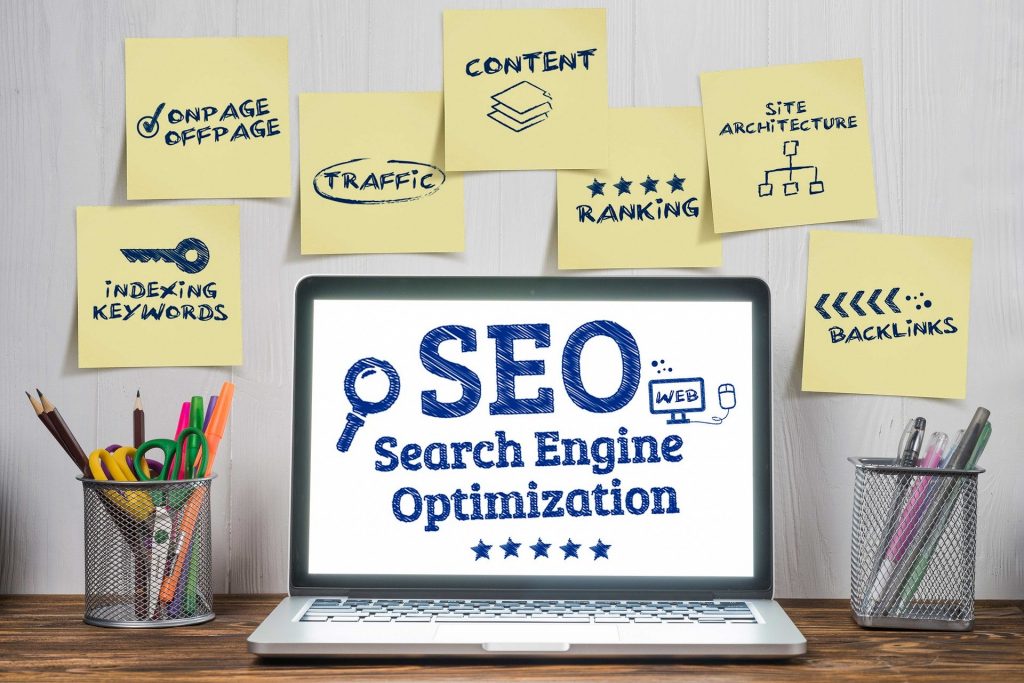
With a robust social media strategy in place, it’s essential to optimize content for search engines to enhance visibility. Search Engine Optimization (SEO) isn’t just limited to websites; it plays a vital role in social media as well. Incorporating SEO strategies into your social media can significantly boost your brand’s online presence.
Here are key strategies to consider:
- Keyword Usage : Identify relevant keywords for your brand and strategically integrate them into posts, captions, and bios. For example, a travel agency might use keywords like “family vacations” or “affordable travel tips.”
- Optimize Profiles : Ensure your social media profiles include keywords, a clear description of your business, and links to your website. A well-optimized profile improves discoverability.
- Use Hashtags Effectively : Research and use trending hashtags relevant to your industry. This can significantly increase the chances of your posts appearing in search results.
Improving Visibility and Reach
Implementing these SEO strategies not only boosts visibility but also enhances your reach across platforms. By being discoverable to a wider audience, you open the door to new potential customers.
To further improve visibility:
- Encourage Sharing : Create shareable content that resonates with your audience, increasing the chance of it being shared among their networks.
- Engagement Drives Reach : Posts that receive engagement can rank higher in the algorithms of social media platforms, making them more visible. Encourage interaction by asking questions or running contests.
- Cross-Promote Content : Share your social media content on different platforms and leverage your website to drive traffic back to social media profiles.
By focusing on these SEO strategies and proactively enhancing visibility, brands can expand their reach, attract new followers, and ultimately foster lasting relationships with their audience. This integration of SEO and social media is essential for a comprehensive online marketing strategy.

Collaborating with Influencers
Finding the Right Influencers
As you continue to enhance your social media strategy, collaborating with influencers can be a game-changer. However, finding the right influencers is crucial for your brand’s success. Not every influencer will resonate with your target audience or align with your brand values.
When searching for influencers, consider these factors:
- Relevance : Look for influencers whose content matches your industry. For instance, a beauty brand would benefit from collaborating with beauty bloggers or makeup artists.
- Engagement Rate : Instead of focusing solely on follower count, prioritize influencers who have high engagement rates. Engaged audiences are more likely to trust their recommendations.
- Authenticity : Choose influencers who convey an authentic voice and have a track record of sincere interactions with their followers.
Platforms like Instagram and TikTok can also help you discover influencers who are passionate about specific niches.
Leveraging Influencer Partnerships
Once you’ve identified the right influencers, it’s time to leverage those partnerships effectively. A well-planned influencer collaboration can significantly boost your brand visibility and credibility.
Consider these strategies:
- Co-Created Content : Encourage influencers to create genuine content featuring your products. For example, a fitness brand could collaborate with an influencer to showcase a workout using their gear.
- Exclusive Promotions : Offer influencers unique discount codes or promotions for their followers. This not only incentivizes purchases but also tracks the effectiveness of the partnership.
- Engagement Activities : Host giveaways or contests in partnership with influencers. This can encourage both their audience and yours to engage with the brand, driving more followers and potential sales.
By thoughtfully finding and leveraging influencer partnerships, brands can tap into new audiences, build lasting relationships, and enhance their overall social media presence. Influencing marketing, when executed properly, has the potential to elevate your brand to new heights.

Measuring Return on Investment (ROI)
Calculating Social Media ROI
As you collaborate with influencers and ramp up other marketing strategies, measuring Return on Investment (ROI) becomes paramount in determining the effectiveness of your social media efforts. Calculating social media ROI goes beyond simply counting likes and shares; it involves connecting social media activities to tangible business outcomes.
To calculate social media ROI, you can use the following basic formula:
[ text{ROI} = frac{text{Total Revenue from Social Media} – text{Total Cost of Social Media}}{text{Total Cost of Social Media}} times 100 ]
Here’s a step-by-step approach:
- Track Revenue : Use unique discount codes or trackable links to attribute sales to specific social media campaigns.
- Total Costs : Include costs related to content creation, paid advertising, influencer partnerships, and employee time.
- Evaluate Over Time : Calculate ROI periodically (e.g., quarterly) to identify trends and adjust strategies as needed.
Evaluating the Success of Campaigns
Once you have your ROI calculated, evaluating the success of your campaigns becomes easier. Look beyond the numbers and consider qualitative factors as well.
- Audience Growth : Assess how your campaigns contributed to follower growth across platforms.
- Engagement Metrics : Evaluate likes, shares, and comments to gauge how well your content resonates with your audience.
- Brand Sentiment : Monitor social media conversations and feedback to understand audience perception and sentiment about your brand.
For example, after a campaign with an influencer, you may find that follower growth surged and sentiment improved, suggesting not only effective outreach but a strong connection with your target audience.
By carefully measuring ROI and evaluating campaign success, brands can adapt their strategies, optimize resource allocation, and ultimately drive more effective social media marketing efforts. This continuous improvement cycle nurtures growth and strengthens brand loyalty over time.