
Introduction
Importance of Social Media Marketing
In today’s digital landscape, social media marketing has become an essential component for any brand aiming to thrive in competitive markets. With billions of users active on platforms like Facebook, Instagram, and Twitter, the potential to reach a vast audience is unprecedented. Brands that harness the power of social media can:
- Build Trust : Regular engagement helps establish relationships and fosters customer loyalty.
- Boost Brand Awareness : Increased visibility leads to more potential customers discovering your brand.
- Drive Conversions : Effective campaigns can lead customers seamlessly from curiosity to purchase.
For instance, consider a local café that shares enticing photos of its dishes on Instagram. This not only draws in food enthusiasts but also transforms casual viewers into loyal patrons who frequently visit.
Overview of Kuwait’s Premiere Social Media Marketing Agency
When it comes to navigating the social media maze, one agency stands out in Kuwait: the premier social media marketing agency. Known for its innovative strategies and deep understanding of local market dynamics, this agency specializes in tailoring campaigns that resonate with the Kuwaiti audience. They leverage local trends and culture to create captivating content that engages and converts.
By partnering with brands across various industries, they have consistently demonstrated success in increasing engagement and achieving targeted outcomes. From startups to established businesses, they craft bespoke social media solutions that amplify brand messages and drive tangible results.

Understanding Your Brand
Identifying Your Target Audience
To effectively market your brand on social media, it is crucial to understand who your target audience is. This means identifying the demographics, interests, and behaviors of the people most likely to engage with and purchase your products or services.
For instance, a skincare brand might focus on young adults aged 18-30 who are interested in clean beauty and wellness. Tools like surveys, social media analytics, and market research can provide valuable insights. Consider these key questions:
- Who are they? (Age, gender, location)
- What do they value? (Sustainable products, affordability)
- Where do they hang out online? (Instagram, TikTok, LinkedIn)
Getting to know your audience allows you to tailor your messaging and content to resonate with their needs and preferences.
Defining Your Unique Selling Proposition
Once you’ve identified your target audience, the next step is to define your unique selling proposition (USP). Your USP is what makes your brand different from competitors and answers the question: “Why should customers choose us?”
To craft an effective USP, consider:
- Your strengths : What do you do better than anyone else?
- Customer pain points : What problems does your product solve?
- Emotional appeal : How can you connect with your audience on a deeper level?
For example, a local bakery might emphasize its usage of organic ingredients sourced from local farms, appealing to health-conscious consumers who value sustainability. A clear USP not only helps in capturing attention but also in building loyalty among your chosen audience.

Social Media Strategy Development
Setting SMART Goals
With a clear understanding of your brand and target audience, the next crucial step in your social media strategy is setting SMART goals. SMART stands for Specific, Measurable, Achievable, Relevant, and Time-bound. This framework ensures that your goals are practical and effective.
For instance, rather than stating, “I want more followers,” you could say, “I aim to gain 500 new followers on Instagram within three months by posting three times a week.” Here’s how to break it down:
- Specific : Define the exact outcome, like increasing followers or engagement.
- Measurable : Quantify your goals to track progress easily.
- Achievable : Set realistic objectives based on current resources and capabilities.
- Relevant : Ensure your goals align with broader business objectives.
- Time-bound : Attach a timeframe to create urgency.
Setting SMART goals can make all the difference in maintaining focus and motivation.
Choosing the Right Platforms for Your Brand
Once your goals are set, it’s essential to choose the social media platforms that align best with your audience and marketing objectives. Each platform has its unique characteristics and user demographics.
For example:
- Instagram : Ideal for visually-driven brands like fashion or food.
- LinkedIn : Best for B2B companies and professional networking.
- Facebook : Great for community-building and customer engagement.
Understanding where your audience spends their time can guide your platform selection. Consider conducting a quick survey or using analytics tools to see which platforms your audience engages with most. By focusing your efforts on the right platforms, you can optimize your social media strategy for maximum impact and engagement.
Content Creation for Social Media
Crafting Engaging Visuals
After determining the right platforms for your brand, the next critical step is content creation. Engaging visuals are paramount in capturing your audience’s attention amidst the constant flow of information on social media. High-quality images, videos, and graphics can make a significant impact.
For instance, a travel agency can share vibrant photos of exotic destinations, making followers dream of their next vacation. To craft compelling visuals:
- Maintain Consistency : Use a consistent color palette that reflects your brand identity.
- Focus on Quality : Invest in quality photography or design tools.
- Use Eye-Catching Formats : Experiment with different formats, such as infographics, reels, or stories, to keep content fresh and engaging.
By prioritizing visual content, brands can significantly improve user engagement.
Writing Compelling Copy
Complementing your visuals, compelling copy is essential for driving your message home. Strong copy not only informs but also ignites emotion and prompts action.
Consider this: when a nonprofit shares a story about how donations impact communities, it resonates more deeply than just statistics. Here are some key tips:
- Know Your Voice : Whether casual or professional, stay true to your brand’s tone.
- Be Concise : Aim for clear, impactful messaging. Use short sentences and paragraphs for readability.
- Incorporate Calls to Action : Encourage followers to engage, whether it’s liking, sharing, or visiting your website.
By merging engaging visuals with compelling copy, brands can create a cohesive narrative that resonates with their audience and drives meaningful interactions across social media platforms.
Building Brand Awareness
Implementing Influencer Marketing
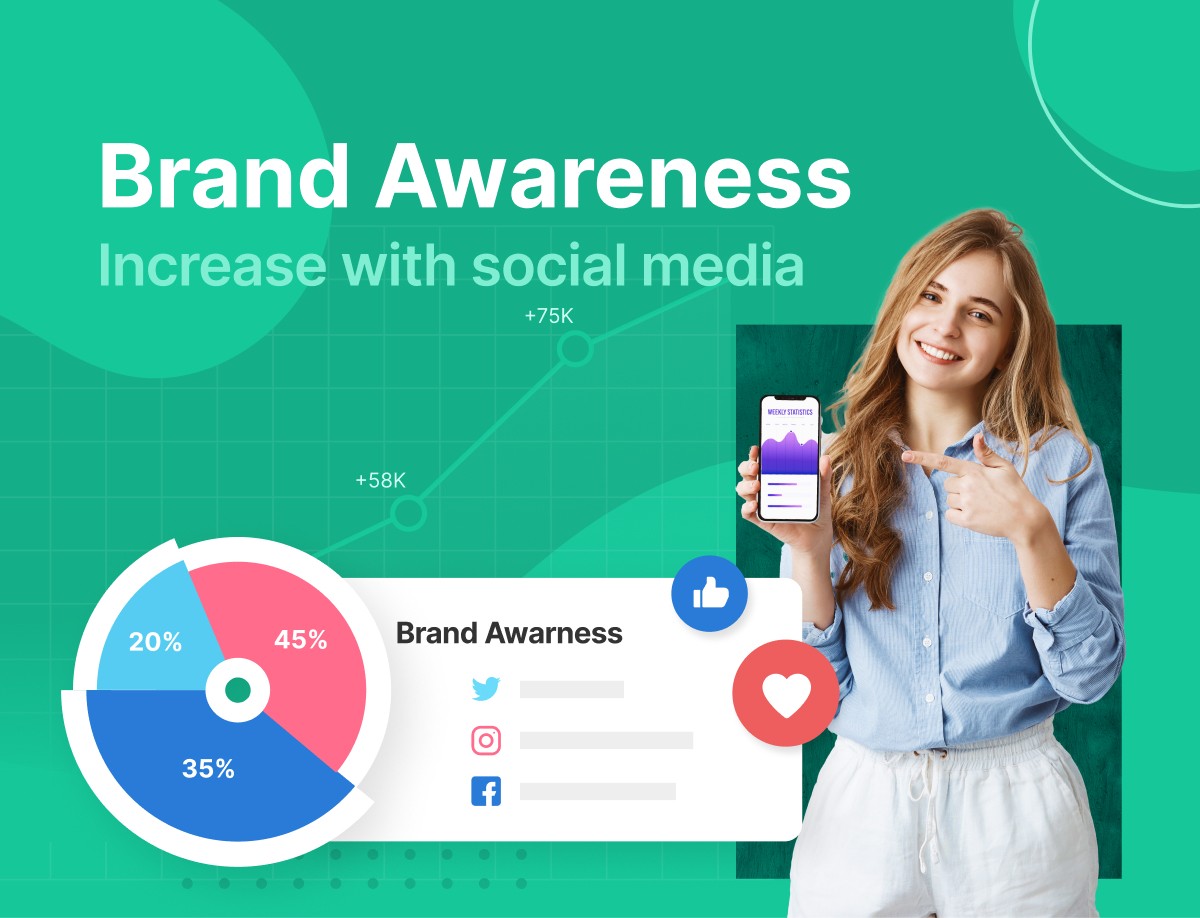
As your content strategy takes shape, a powerful way to build brand awareness is through influencer marketing. Collaborating with influencers who align with your brand values allows for authentic endorsements that resonate with their followers.
For instance, a vegan snack brand might partner with a popular food blogger who specializes in plant-based diets. This not only exposes your brand to a wider audience but also builds credibility. Here are a few steps to get started:
- Identify Relevant Influencers : Look for influencers within your niche who share similar values and have an engaged audience.
- Build Relationships : Take the time to nurture relationships, starting with genuine engagement on their platforms.
- Create Collaborative Content : Work together to develop content that feels organic and showcases your products authentically.
Influencer marketing can be a game-changer in amplifying your reach and boosting brand visibility.
Leveraging Paid Advertising
In addition to influencer marketing, leveraging paid advertising can significantly enhance your brand’s visibility. Social media platforms like Facebook, Instagram, and LinkedIn offer targeted advertising options that allow you to reach specific demographics effectively.
For example, a local gym can create ads targeting fitness enthusiasts in their area using location settings. Here’s how to maximize your paid advertising efforts:
- Define Your Audience : Use insights gained from previous campaigns to refine your target audience.
- Set a Budget : Determine how much you’re willing to spend and monitor your spending closely.
- Analyze Results : After running ads, check performance metrics to see what worked. This will inform future campaigns.
By combining influencer marketing with targeted paid advertising, brands can effectively increase their reach, drive engagement, and ultimately foster greater brand awareness in a competitive marketplace.
Engaging with Your Audience
Responding to Comments and Messages
Engagement doesn’t stop at creating great content; it extends into how you communicate with your audience. Responding to comments and messages is critical in building a strong relationship with your followers. When people take the time to comment or ask questions, they are seeking interaction.
For instance, a beauty brand might receive inquiries about a product’s ingredients or application tips. By promptly replying with personalized responses, the brand not only builds trust but also shows that it values its customers. Here are some tips to enhance your audience engagement:
- Be Prompt : Aim to reply within a few hours to foster a sense of community.
- Personalize Responses : Use names and reference specific comments to make interactions feel genuine.
- Encourage Conversations : Ask follow-up questions to stimulate dialogue and deepen relationships.
By fostering an open line of communication, brands can effectively cultivate loyalty and enhance user engagement.
Hosting Interactive Campaigns
Another powerful way to engage your audience is through interactive campaigns. These can take many forms, including contests, polls, or Q&A sessions, allowing your followers to actively participate rather than passively consume content.
For example, a fitness apparel brand might host a photo contest where participants share their workout selfies wearing the brand’s gear. Not only does this generate user-generated content, but it also incentivizes participants to spread the word about the brand. Key ideas for interactive campaigns include:
- Running Contests : Provide prizes for submissions to increase participation.
- Utilizing Instagram Stories : Use features like polls or quizzes to get instant feedback.
- Live Q&A Sessions : Host live sessions to address audience questions directly and create real-time interactions.
By implementing these interactive campaigns, brands can elevate engagement levels, foster community, and create memorable experiences for their audience.
Analyzing Performance Metrics
Tracking Key Performance Indicators
Once your social media strategies are in motion, analyzing performance metrics becomes vital in understanding what’s working and what needs adjustment. Tracking Key Performance Indicators (KPIs) allows you to gauge the effectiveness of your campaigns and engagement efforts.
For example, an e-commerce brand may focus on metrics like engagement rate, click-through rate, and conversion rate to determine how well their posts are performing. Here’s a breakdown of essential KPIs to monitor:
- Engagement Rate : Measures likes, shares, and comments relative to your audience size.
- Reach : Indicates the number of unique users who see your content.
- Conversion Rate : The percentage of users who take a desired action, like making a purchase.
Regularly reviewing these metrics helps build a clear picture of your audience’s interests and behaviors, enabling more informed social media strategies.
Making Data-Driven Decisions
With your performance metrics in hand, it’s time to leverage this information for making data-driven decisions. Using analytics, brands can identify trends, optimize content, and allocate resources more effectively.
For instance, if a company notices that video content consistently drives higher engagement than static images, they can shift their focus to creating more videos. Consider these steps when making data-driven adjustments:
- Analyze Patterns : Look for trends in what types of posts resonate most with your audience.
- Test and Learn : Conduct A/B tests to compare different approaches and see which yields better results.
- Refine Strategy : Use insights to refine your overall social media strategy, ensuring it aligns with audience preferences.
In conclusion, by consistently tracking KPIs and making informed decisions based on data, brands can continuously enhance their social media presence, leading to more significant engagement and a clearer path to achieving their goals.
Staying Ahead of Trends
Monitoring Industry Insights
To keep your social media strategy effective, it’s crucial to stay ahead of trends by continuously monitoring industry insights. Trends evolve rapidly, and being aware of shifts in consumer behavior or emerging platforms can give your brand a competitive edge.
For example, if you start seeing rising popularity in short-form video content like TikTok or Instagram Reels, your brand can leap on this trend early. Here are some practical tips to keep your ear to the ground:
- Follow Influencers and Thought Leaders : Engage with key voices in your industry on social media to gain insights.
- Join Industry Webinars and Conferences : These events often highlight new tools, strategies, and trends.
- Use Social Listening Tools : Tools like Hootsuite or Brandwatch can help you track relevant discussions and sentiments.
By proactively gathering insights, you can anticipate shifts and adapt your strategies accordingly.
Adapting to Algorithm Changes
Another essential aspect of staying ahead is adapting to algorithm changes on social media platforms. These algorithms dictate how content is displayed and consumed, meaning a sudden change can impact your reach significantly.
For example, when Instagram shifted its algorithm to prioritize engagement, brands had to adapt by focusing more on creating interactive content. To effectively navigate these changes:
- Stay Informed : Follow updates from social media platforms and industry blogs on changes to algorithms.
- Review Content Performance : Analyze your metrics regularly to see if engagement patterns shift and adapt your strategy accordingly.
- Experiment with Content Types : Don’t hesitate to test new formats or posting times based on observed performance.
By remaining agile and responsive to industry insights and algorithm changes, brands can maintain relevance and foster strong connections with their audience, ensuring sustained growth in their social media endeavors.

Case Studies: Successful Social Media Campaigns
Campaign A: Increased Brand Awareness
One exemplary case of a successful social media campaign focused on increasing brand awareness is the “Share a Coke” initiative by Coca-Cola. Launched globally, this campaign personalized products by replacing the iconic logo with popular names and encouraged consumers to share their Coke experiences on social media.
- Engagement Strategy : Users were prompted to find their name or the names of friends on Coke bottles and share photos with the hashtag #ShareaCoke.
- Impact : This resulted in a significant boost in social media chatter and a 500% increase in brand mentions. Coca-Cola’s sales experienced a notable uptick as consumers connected more deeply with the brand.
This campaign effectively tapped into the emotions of consumers, encouraging participation and sharing, which organically expanded their brand reach.
Campaign B: Higher Conversion Rates
Another remarkable example is the 2019 campaign by Warby Parker, an eyewear company that focused on leveraging targeted Facebook ads to drive higher conversion rates. Their strategy involved:
- Retargeting : Warby Parker used retargeting ads to reach potential customers who had visited their website but hadn’t made a purchase.
- Exclusive Offers : They offered personalized discounts to entice those users to complete their purchase.
As a result, Warby Parker saw a 30% increase in overall conversion rates for their online store. This approach showcased how effective personalization and strategic retargeting can lead to tangible business results.
These case studies demonstrate that with thoughtful planning and execution, social media campaigns can significantly enhance brand awareness and conversion rates, paving the way for long-term success. Through clever strategies and engagement, brands can not only capture attention but also foster loyalty and drive sales.
The Future of Social Media Marketing
Emerging Technologies in the Industry
As we look toward the future of social media marketing, emerging technologies are set to revolutionize the way brands connect with their audiences. Innovations like artificial intelligence (AI), augmented reality (AR), and virtual reality (VR) are becoming increasingly mainstream and can significantly enhance user experiences.
For instance, brands are beginning to integrate AR features into their campaigns, allowing users to virtually try on products before making a purchase. Makeup companies, like Sephora, use AR technology to let customers see how different shades appear on their faces through their mobile app. Other promising technologies include:
- Chatbots : Providing 24/7 customer service and personalized shopping experiences.
- AI-driven analytics : Offering deeper insights into consumer behavior and trends.
- Live video : Giving brands a platform for real-time interaction that fosters engagement.
These technologies will not only expand marketing possibilities but also change how brands build relationships with consumers.
Strategies for Long-Term Growth
To thrive in this rapidly evolving landscape, brands must adopt effective strategies for long-term growth. Here are a few crucial approaches:
- Invest in Content Quality : Moving forward, authentic and high-quality content will be key to standing out amid information overload.
- Optimize for Mobile : With a significant number of social media users accessing platforms via mobile devices, ensuring mobile-friendly content is paramount.
- Cultivate Community : Building genuine communities around your brand encourages loyalty, making consumers feel personally connected.
By embracing emerging technologies and implementing strategic practices, brands can ensure they not only keep pace with the industry but also position themselves for sustainable growth in an increasingly digital market. As social media continues to shape consumer behavior, adaptability and innovation will be the cornerstones of successful marketing.