

Introduction
In today’s digital landscape, social media marketing has become an essential component for businesses aiming to connect with their audience. With billions of users engaging across various platforms, it’s no wonder that organizations are prioritizing their online presence.
Why Social Media Matters
Consider this: a local café shares daily specials on their Instagram stories. Within hours, customers flock in, proving the power of social media in driving foot traffic and sales.
- Immediate Reach : Social media allows brands to interact directly with consumers in real-time.
- Cost-Effective : Compared to traditional marketing, social media campaigns can be budget-friendly yet impactful.
- Targeted Marketing : Businesses can tailor content to specific audience segments, enhancing engagement.
As we explore the fundamental aspects of social media marketing, understanding its intricacies can transform the way brands define their online strategies and foster meaningful connections with their audience.
Understanding Social Media Marketing
As brands pivot towards digital, understanding social media marketing becomes crucial. It’s not just about posting content; it’s about creating a conversation that resonates with followers.
The Core Concepts
At its core, social media marketing harnesses platforms to engage with customers, build brand loyalty, and drive sales. For instance, when a fitness brand shares user-generated content featuring customers wearing their apparel, it fosters community and trust.
Here are some key components:
- Engagement : Interacting with followers through comments, likes, and shares enhances visibility.
- Content Creation : Quality content tailored to your audience is vital. Think eye-catching images, informative videos, or relatable memes.
- Analytics : Monitoring performance helps refine strategies. For example, knowing which posts get the most engagement allows brands to adjust their content accordingly.
Understanding these fundamentals lays the groundwork for a successful social media strategy that drives growth and builds lasting relationships.

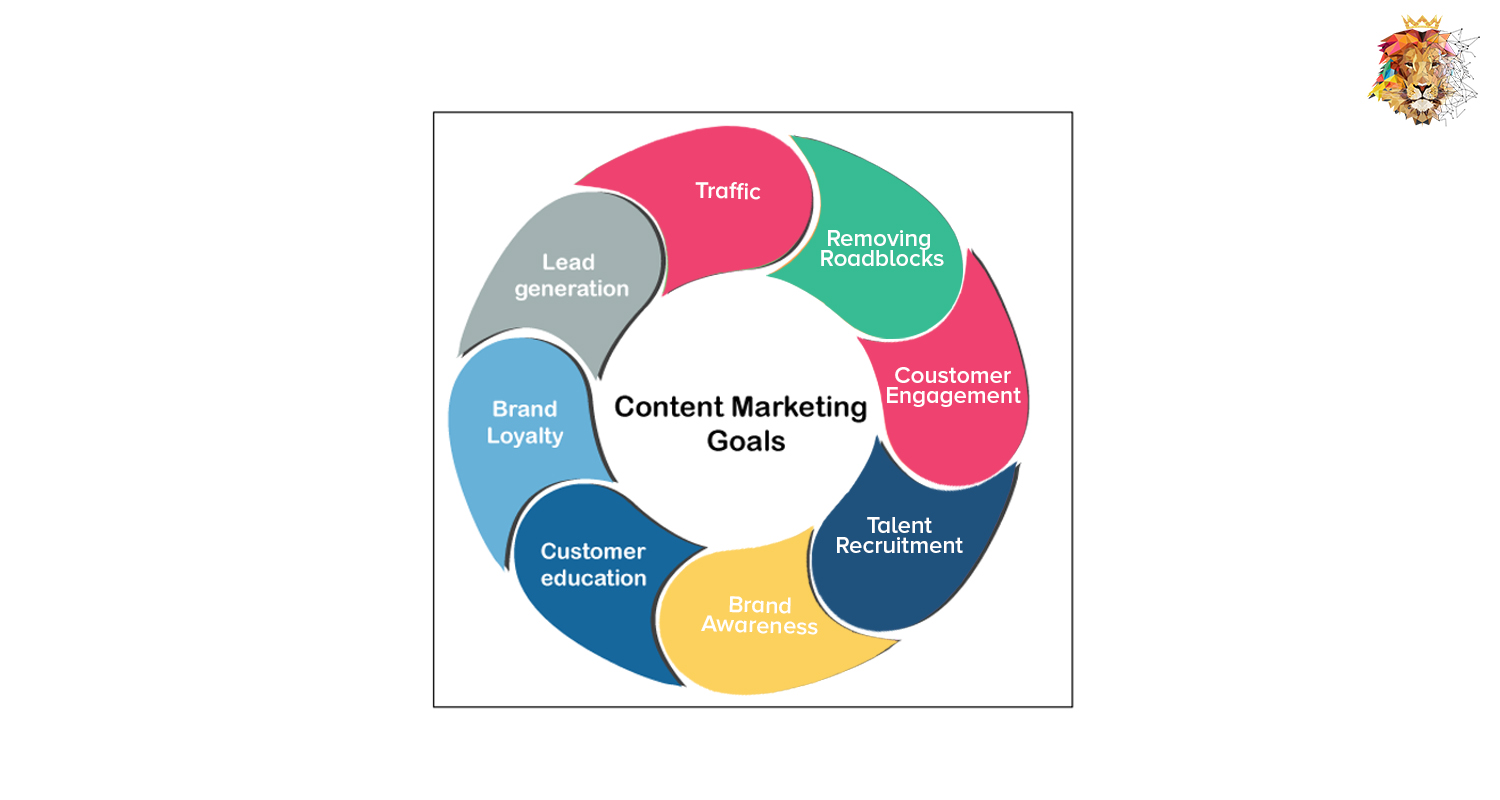
Setting Your Goals
Having a clear set of goals is essential when diving into social media marketing. It not only provides direction but also measures success.
Increasing Brand Awareness
One of the primary goals for many businesses is to enhance brand awareness. Consider a local bakery that launches a creative Instagram campaign featuring their unique pastries. By using stunning visuals and engaging captions, the bakery can capture attention and attract new customers.
- Strategies for Brand Awareness :
- Collaborate with influencers to reach a broader audience.
- Utilize hashtags relevant to the niche.
- Consistent branding across platforms for recognition.
Driving Website Traffic
Another critical goal is driving traffic to your website. A captivating post can entice followers to click on a link, leading them to a blog or product page.
- Ways to Drive Traffic :
- Share blog snippets on social media to encourage further reading.
- Offer exclusive promotions that redirect fans to the website.
- Use call-to-action buttons effectively to guide users.
By setting specific goals in these areas, brands can tailor their strategies and make measurable progress towards success.

Identifying Your Target Audience
Understanding your target audience is a pivotal step in crafting successful social media marketing strategies. Knowing who they are helps tailor content that resonates and engages meaningfully.
Demographics
Demographics involve the statistical characteristics of a population, such as age, gender, income, and location. For instance, if a skincare brand aims to reach young adults aged 18-25, their content should reflect insights relevant to that group.
- Key Demographic Factors :
- Age : Tailor messages for specific age groups.
- Gender : Define content based on interests typically associated with genders.
- Location : Localize campaigns to suit regional needs.
Psychographics
Psychographics delve deeper into the audience’s motivations, interests, and values. Imagine a yoga studio wanting to attract wellness enthusiasts. By understanding their audience’s lifestyle preferences, they can create content that speaks to their values.
- Important Psychographic Elements :
- Lifestyle : Consider hobbies and daily habits.
- Values : What causes or ideals resonate with them?
- Interests : Identify what captures their attention and sparks engagement.
By combining both demographic and psychographic insights, brands can create targeted strategies that foster connection and loyalty among their audience.
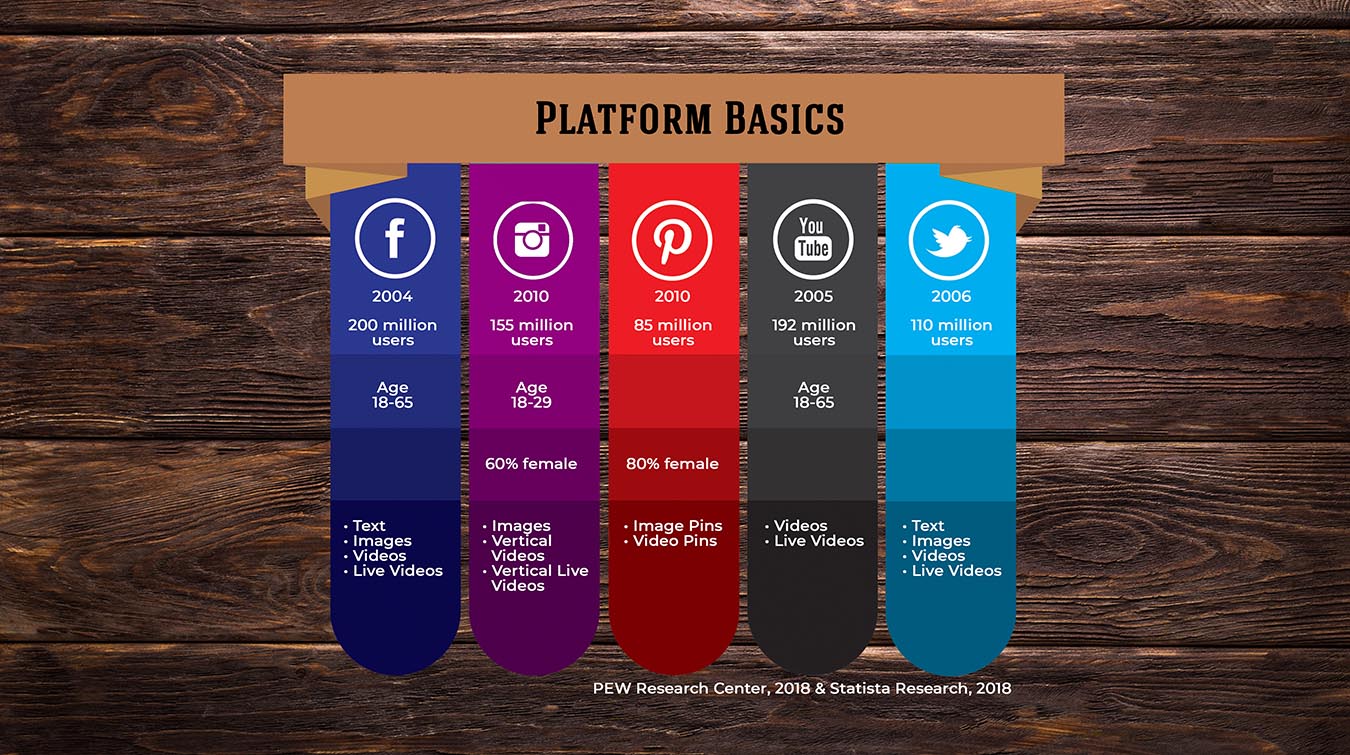
Choosing the Right Social Media Platforms
After identifying your target audience, the next crucial step is selecting the right social media platforms to effectively engage them. Each platform has unique features and user demographics that can influence your marketing strategy.
Facebook remains one of the largest social media platforms, making it an excellent choice for businesses seeking broad reach. For instance, a local flower shop could create a Facebook page to showcase arrangements, post customer reviews, and run events.
- Benefits of Facebook :
- Diverse Age Range : Reaches a wide demographic, ideal for businesses targeting multiple age groups.
- Engagement Features : Use polls, events, and groups to foster interaction.
- Advertising Capabilities : Sophisticated targeting options allow tailored campaigns.
Instagram, known for its visual nature, is perfect for brands that can create stunning imagery. A fashion retailer, for example, could share vibrant outfit inspiration and behind-the-scenes content, making it highly shareable.
- Highlights of Instagram :
- Visual Appeal : Engaging images and videos capture user attention.
- Stories and Reels : These features promote authentic engagement and keep your audience updated.
- Influencer Collaborations : Connect with influencers to tap into new audiences seamlessly.
Selecting the right platforms ensures your social media strategy aligns with where your audience spends their time, paving the way for greater success.
Creating Engaging Content
Once you’ve chosen the right platforms, the next step is to create engaging content that captures your audience’s attention. This is essential for driving interaction and building brand loyalty.
Visuals
Visual content is king in the realm of social media. High-quality images or videos can dramatically increase engagement rates. For instance, a travel company showcasing breathtaking landscapes can evoke wanderlust and inspire future bookings.
- Tips for Eye-Catching Visuals :
- Use bright, bold colors to grab attention.
- Incorporate a mix of formats: photos, videos, and infographics.
- Stay true to your brand aesthetics for consistency.
Captions and Hashtags
Captions are equally important—they give context to your visuals. An enticing caption can prompt users to engage more deeply with your content. For example, a fitness brand might include a motivational message encouraging followers to share their fitness journeys.
- Best Practices for Captions :
- Keep it concise but impactful.
- Ask questions to encourage comments.
- Use relevant hashtags to increase discoverability.
Combining compelling visuals with thoughtful captions and strategic hashtags will ensure your content not only attracts but also retains audience interest.
.jpeg)
Utilizing Paid Advertising
After creating engaging content, the next logical step is leveraging paid advertising to amplify your reach and enhance visibility. While organic strategies are effective, paid advertising can give your campaigns a much-needed boost.
The Advantages of Paid Advertising
Paid social media ads can remarkably increase brand exposure and sales. For instance, a local coffee shop might run a targeted ad promoting a seasonal drink, reaching potential customers who live nearby or have shown interest in coffee-related content.
- Benefits of Paid Advertising :
- Targeted Audience : Customize ads based on demographics, interests, and behaviors.
- Increased Visibility : Amplify your message beyond your current followers.
- Performance Tracking : Use analytics to measure the effectiveness of your campaigns.
Using paid advertising strategically not only allows businesses to connect with new customers but also ensures they stay top-of-mind with their existing audience. A well-planned ad campaign can create substantial returns and drive business growth.
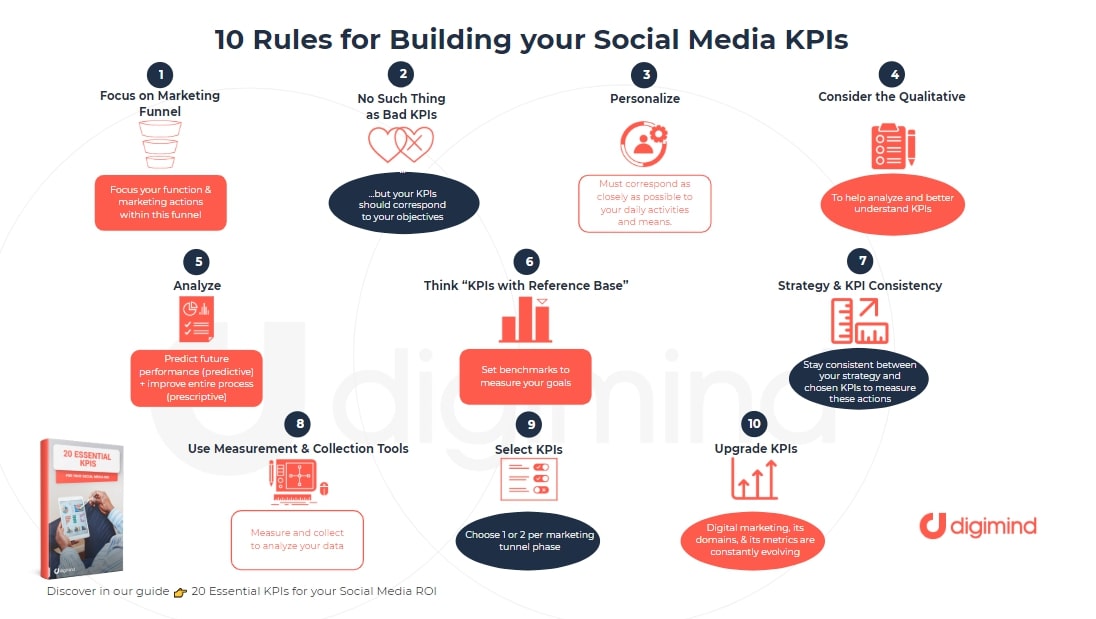
Monitoring and Analyzing Performance
Once you’ve implemented your social media strategy, it’s essential to continuously monitor and analyze performance. Understanding how your content performs allows you to fine-tune your approach for even better results.
Metrics to Track
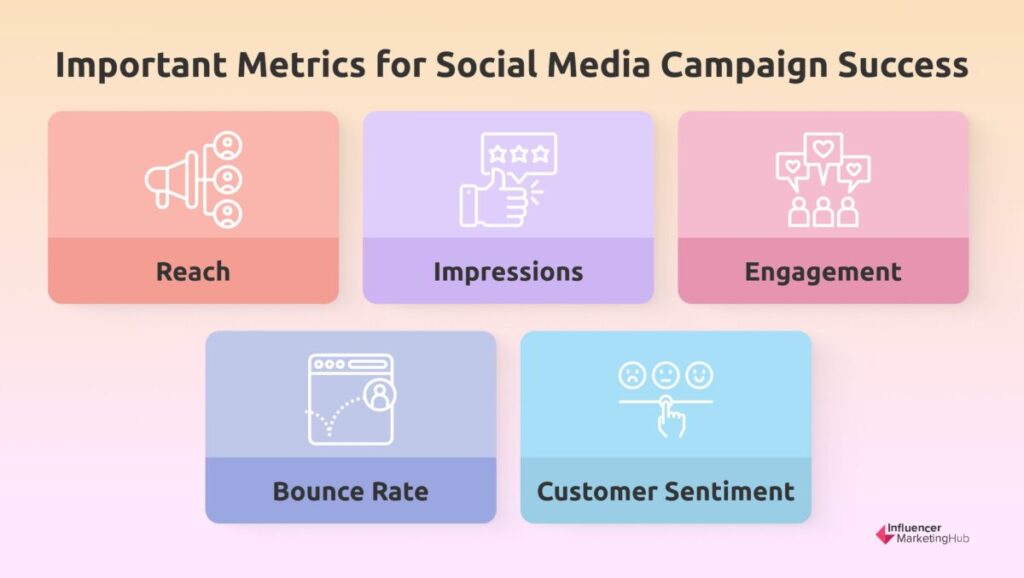
Several key metrics can provide insights into your campaign’s effectiveness. For instance, a boutique store may track engagement rates to understand what posts resonate most with their followers.
- Important Metrics to Consider :
- Engagement Rate : Likes, shares, and comments indicate audience interaction.
- Reach and Impressions : Measure how many people see your content.
- Click-Through Rate (CTR) : Indicates how many users clicked on your links, such as promotions.
Tools for Analysis
To track these metrics effectively, tools can simplify the process. For example, a social media manager might rely on platforms like Hootsuite or Sprout Social to visualize performance data.
- Popular Tools :
- Google Analytics : Track website traffic sourced from social media.
- Facebook Insights : Offers in-depth analysis of organic and paid reach.
- Instagram Analytics : Helps understand follower insights and content performance.
By consistently monitoring these metrics and utilizing specialized tools, businesses can adapt strategies in real-time, ensuring they stay relevant and effective in the ever-evolving social media landscape.

Engaging with Your Audience
After monitoring your performance, the next step is to prioritize engagement with your audience. Building genuine connections is vital for fostering loyalty and encouraging ongoing interaction.
The Importance of Engagement
Engagement is about more than just likes; it’s about creating a dialogue with your audience. For example, when a skincare brand responds to comments about a product, it shows customers that their opinions matter. This interaction enhances brand loyalty and customer satisfaction.
- Ways to Boost Engagement :
- Respond Promptly : Answer questions and comments to show you value their input.
- Ask Questions : Engage followers with prompts that invite them to share their experiences or opinions.
- Run Contests or Polls : Encourage participation with fun activities that reward users for their involvement.
By fostering a two-way conversation, brands can cultivate a community that not only engages but also advocates for them, turning casual followers into dedicated customers.
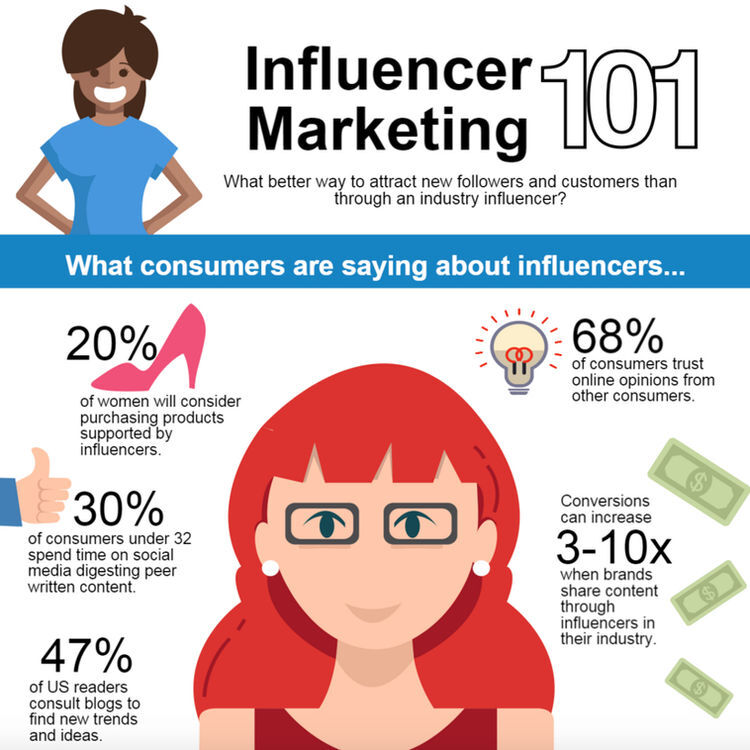
Collaborating with Influencers
Following your audience engagement efforts, collaborating with influencers can take your social media marketing to the next level. Influencers hold the power to sway their followers’ opinions and can significantly enhance your brand’s visibility.
The Benefits of Influencer Partnerships
By partnering with influencers, brands can tap into existing communities that align with their values. For instance, a fitness apparel brand might collaborate with a known fitness influencer to show how the gear performs during workouts.
- Key Advantages :
- Authenticity : Influencers bring a genuine voice that resonates with their audience, making recommendations feel trustworthy.
- Extended Reach : Access to a wider audience that you may not have reached organically.
- Content Creation : Influencers can create compelling content showcasing your products in an everyday context.
Finding the right influencers who align with your brand values ensures a successful partnership. By crafting authentic collaborations, brands can not only boost engagement but also build long-lasting relationships with new customer segments.

Measuring ROI
After forging influencer partnerships, it’s crucial to measure the return on investment (ROI) of your social media marketing efforts. Understanding the effectiveness of your campaigns helps determine what works and what needs adjustment.
Why ROI Matters
Measuring ROI allows brands to assess the financial impact of their marketing activities. For example, a local clothing store might track sales generated from an Instagram ad campaign to see if the money spent on ads translates into profits.
- Essential ROI Metrics to Consider :
- Sales Growth : Compare sales before and after your campaign.
- Engagement Rates : Determine if increased interaction leads to higher conversions.
- Customer Acquisition Cost (CAC) : Calculate how much you spend to gain a new customer through social media efforts.
By continuously analyzing these metrics, brands can make informed decisions on where to allocate resources and refine strategies for future campaigns, ensuring they maximize their marketing investments effectively.
Adapting Your Strategy
Once you’ve measured ROI and gathered insights from your social media campaigns, the next critical step is adapting your strategy. The digital landscape is ever-evolving, and flexibility is key to staying relevant.
Why Adaptation Is Crucial
Being willing to pivot can significantly enhance your marketing effectiveness. For example, a travel agency may notice a surge in interest for eco-friendly travel options through their social media analytics, prompting them to shift their focus to sustainability-themed content.
- Signs It’s Time to Adapt :
- Declining engagement metrics indicating content is no longer resonating.
- Feedback from your audience suggesting new interests or preferences.
- Shifts in market trends or competitive landscape that require recalibrating your approach.
By regularly reviewing performance and being open to change, brands can fine-tune their strategies to align with current audience preferences and market dynamics, ensuring sustained growth and relevance in the competitive social media arena.
Case Studies on Successful Campaigns
Building on the importance of adapting your strategy, examining successful case studies can provide valuable insights into effective social media marketing. These real-world examples can serve as inspiration for your own campaigns.
Inspiration from Real Success Stories
One notable example is Nike’s “Dream Crazy” campaign, which featured compelling narratives of athletes overcoming adversity. By collaborating with Colin Kaepernick, Nike tapped into current social issues, generating immense engagement and loyalty.
- Key Takeaways from Successful Campaigns :
- Authenticity Matters : Aligning your brand with genuine causes resonates with audiences.
- Emotional Connection : Creating relatable emotional narratives can enhance engagement.
- Leverage Influencers : Influencer partnerships can amplify reach and credibility.
Another inspiring case is the #ShareACoke campaign from Coca-Cola, where personalized bottles led to a surge in social media interactions and sales. By learning from these successful initiatives, brands can adopt best practices and elevate their own campaigns to achieve remarkable results.
Final Thoughts and Next Steps
Having explored the nuances of social media marketing and analyzed successful campaigns, it’s time to reflect on how to implement these insights for your brand. The digital landscape offers endless opportunities, but a strategic approach is essential.
Moving Forward with Confidence
To ensure your social media efforts yield the desired results, consider these next steps:
- Draft a Detailed Strategy : Outline your goals, target audience, and chosen platforms.
- Invest in Quality Content : Prioritize engaging visuals and authentic storytelling to capture interest.
- Stay Consistent : Regularly post content and engage with your audience to build relationships.
Remember, social media is not a one-size-fits-all solution. Tailor your approach based on your audience’s responses and continuously adapt your strategy as you learn more. Embrace the journey, and before you know it, your brand will thrive in the vibrant world of social media marketing.