

Introduction
The Importance of Social Media Marketing
In today’s digital landscape, social media marketing has become a cornerstone for businesses of all sizes, and private schools are no exception. With platforms like Facebook, Instagram, and Twitter reaching billions globally, the potential to connect with wider audiences is immense. Schools can effectively communicate their values, achievements, and programs to prospective students and parents, all while fostering a sense of community.
Think about it: children and parents alike are immersed in social media. By leveraging these channels, private schools can create engaging content that resonates with their audience, making it easier to communicate their unique offerings.
Benefits for Private Schools
For private schools, the benefits of social media marketing extend beyond mere promotion. Here are several key advantages:
- Enhanced Visibility: Regular posts and updates increase brand awareness, putting the school on the map for potential families.
- Community Engagement: Social media allows schools to celebrate events, share student achievements, and foster a sense of belonging among families.
- Cost-Effective Advertising: Compared to traditional marketing, social media offers a more affordable means of reaching a targeted audience.
- Real-Time Feedback: Schools can interact instantly with their audience, allowing for immediate communication and relationship-building.
By embracing social media marketing, private schools can not only enhance their visibility but also build strong, lasting connections with their communities.

Understanding Your Audience
Identifying Key Demographics
Knowing your audience is crucial for any successful marketing strategy, especially for private schools. By identifying key demographics, schools can tailor their messaging to resonate with prospective families. Start by asking yourself:
- Who are the primary decision-makers? Typically, this will be parents or guardians.
- What age group do they fall into? Understanding whether they are millennials, Gen X, or baby boomers can guide your content style and platform choice.
- What are their interests and values? Families often prioritize education, community involvement, and extracurricular activities.
For instance, a school focused on STEM education might target families interested in technology and innovation. Similarly, if your school promotes arts and humanities, your messaging should reflect those aesthetics.
Analyzing Online Behavior
Once demographics are established, analyzing online behavior is the next step. This involves understanding where your audience spends their time and how they interact with content. Consider the following:
- Platform Preferences: Different age groups favor different social media platforms. For example, Instagram might appeal more to younger parents, while Facebook may be better for older generations.
- Engagement Patterns: Monitor when your audience is most active online. Are they more likely to engage with content early in the morning or late in the evening?
- Content Types: Are they drawn to videos, infographics, or written posts? Tailoring your content types according to their preferences can significantly enhance engagement.
By identifying demographics and analyzing online behavior, private schools can ensure their messaging is not only seen but also resonates effectively with their target audience.

Crafting Your Social Media Strategy
Setting SMART Goals
With a solid understanding of your audience in place, the next step is to craft your social media strategy. A key component of this strategy involves setting SMART goals—Specific, Measurable, Achievable, Relevant, and Time-bound.
For example, instead of saying, “We want to increase our followers,” a SMART goal would be, “We aim to gain 200 new followers on Instagram in the next three months by posting regularly and engaging with followers.” Here’s how you can break it down:
- Specific: Define what you want to achieve.
- Measurable: Ensure you can track progress with metrics like likes, shares, and comments.
- Achievable: Set realistic goals based on your resources.
- Relevant: Goals should align with your overall mission and objectives.
- Time-bound: Assign deadlines to encourage accountability.
Choosing the Right Platforms
Once your goals are established, the next vital step is selecting the right platforms. Not all social media channels are created equal, and some may be more beneficial for your school than others.
- Facebook: Great for community building and sharing news.
- Instagram: Ideal for showcasing the school’s culture and student achievements through visuals.
- Twitter: Useful for quick updates and engaging with other educational institutions.
- LinkedIn: Perfect for networking with other professionals and promoting academic programs.
Take the time to research where your audience spends their time and what platforms align with your objectives. By setting SMART goals and choosing the right platforms, private schools can create a robust social media strategy that drives meaningful engagement and growth.
Creating Engaging Content
Visual vs. Written Content
Following the development of a solid social media strategy, it’s time to roll up your sleeves and create engaging content. One of the first decisions you’ll encounter is balancing visual and written content within your posts.
Visual content often captures attention more effectively than text alone. Studies show that posts with images receive 94% more views than their written counterparts. Here’s how to harness both forms:
- Visual Content:
- Use high-quality photos of school events, student projects, and campus life.
- Create infographics that simplify complex information about programs or achievements.
- Consider videos for school tours or testimonials—these can be more engaging and help convey emotion effectively.
- Written Content:
- Share insightful blog posts on educational topics relevant to your audience, such as study tips or parental advice.
- Craft short, captivating captions to accompany your visuals, providing context or calls to action to boost engagement.
Utilizing User-Generated Content
Another avenue to explore is user-generated content (UGC), which can strengthen community ties and showcase authentic experiences. Encourage parents, students, and alumni to share their stories and photos related to your school.
- Create a Specific Hashtag: Encourage users to tag their posts with your school’s hashtag, making it easy to find and share their content.
- Host Contests or Campaigns: These can motivate your community to create and submit content. For example, a photo contest during spirit week can generate excitement and engagement.
By blending visual and written content while incorporating user-generated assets, private schools can create a rich, engaging tapestry of content that resonates with their audience and builds a vibrant online community.
Building a Strong Online Presence
Consistent Branding
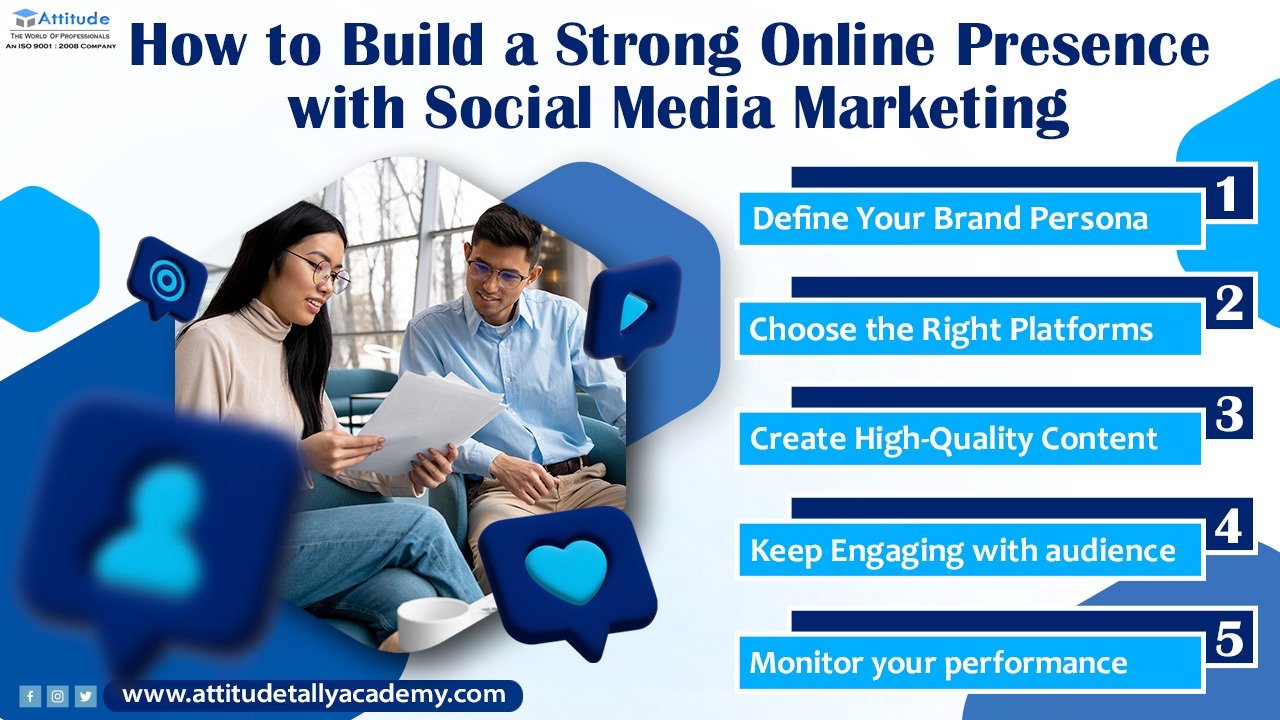
With a robust content strategy underway, the next crucial aspect of digital marketing for private schools is building a strong online presence through consistent branding. Think of your school’s brand as its personality—every post, image, and interaction contributes to how your audience perceives you.
To ensure consistency:
- Create Brand Guidelines: Outline your school’s color scheme, logo usage, typography, and tone of voice. This helps maintain a unified look for all graphics and content.
- Consistent Messaging: Ensure that your core values and educational philosophy are reflected across all platforms. For instance, if your school emphasizes community service, this should come through in your posts—showcasing not just information but also heart.
- Visual Cohesion: Make sure that your images and graphics have a common style. This could mean using similar filters or design templates that resonate with your school’s identity.
Engaging with Followers
A strong brand presence is one thing, but engaging your audience is where the magic truly happens. Social media is a two-way street, and fostering this dialogue can significantly boost your school’s reputation.
- Respond Promptly: Take the time to reply to comments, messages, and inquiries. This shows you care and builds trust within your community.
- Encourage Interaction: Use polls, questions, or contests to invite input from your followers. For example, asking for ideas on new after-school programs can spur enthusiasm and engagement.
- Share Stories: Highlight achievements from students and staff, and recognize community contributions. This not only personalizes your brand but also creates a loyal following.
By ensuring consistent branding and actively engaging with followers, private schools can cultivate a vibrant online presence that promotes community, fosters connection, and enhances their overall credibility.

Utilizing Paid Advertising
Boosted Posts
As private schools continue to establish a strong online presence, utilizing paid advertising becomes key to broadening reach and engagement. One effective method is through boosted posts on platforms like Facebook and Instagram.
Boosted posts are simply existing posts that you pay to promote over a set period, reaching a wider audience beyond just your followers. Here’s why they can be beneficial:
- Targeted Reach: You can specify the audience based on demographics like age, location, interests, and more. This means your content reaches prospective parents actively seeking educational options.
- Increased Engagement: Boosted posts often lead to more likes, comments, and shares, thereby amplifying your school’s visibility and credibility.
- Cost-Effective: With a low entry cost, even a small budget can help enhance your posts’ effectiveness.
Facebook Ads
Building on the concept of boosted posts, Facebook ads allow for deeper customization and targeting. For private schools, this can be a game changer. Here’s how to make the most out of Facebook ads:
- Custom Campaigns: You can create specific ads tailored for enrollment, events, or fundraising initiatives. For example, an ad promoting an upcoming open house can provide all necessary details while linking directly to your registration page.
- Retargeting Opportunities: Facebook allows you to retarget users who have interacted with your content, reminding them of your school and keeping your brand top-of-mind.
- Insightful Analytics: Monitor the performance of your ads through detailed metrics. This allows you to adjust campaigns based on what works and what doesn’t.
By incorporating boosted posts and strategic Facebook ads, private schools can significantly enhance their online advertising efforts, ultimately driving more engagement, inquiries, and enrollments.

Monitoring and Analyzing Performance
Key Metrics to Track
With a comprehensive paid advertising strategy in place, the next critical step for private schools is monitoring and analyzing performance. Understanding the effectiveness of your efforts allows for informed adjustments that can drive higher engagement and better results.
Start by focusing on key metrics that truly reflect your social media health:
- Engagement Rate: This includes likes, shares, and comments per post. A higher engagement rate indicates that your content resonates with your audience.
- Reach and Impressions: Reach measures how many unique users saw your content, while impressions show how often it was displayed. These figures help gauge your brand visibility.
- Click-Through Rate (CTR): For ads or posts with links, track how many people clicked through. This metric tells you how effective your call-to-action messages are.
- Conversion Rate: Ultimately, this measures the percentage of users who completed a desired action, like signing up for an open house or enrolling.
Adjusting Strategies for Optimization
After identifying these metrics, it’s crucial to adjust your strategies based on the insights gathered. Here are some practical ways to optimize your approach:
- Content Enhancement: If specific types of posts yield higher engagement, consider creating more of that content. For example, if videos showcasing student projects are performing well, increase their frequency.
- Timing Adjustments: Analyze when your audience is most active. If you find engagement spikes at certain times of the day, schedule your posts accordingly.
- A/B Testing: Experiment with different images, text, or calls to action. By comparing performance, you can determine what resonates best with your audience.
By meticulously monitoring key metrics and adjusting strategies for optimization, private schools can ensure their social media marketing efforts remain effective and impactful, driving further engagement and success.

Collaborating with Influencers
Identifying Relevant Influencers
As private schools continue to refine their social media strategies, collaborating with influencers can be a compelling way to extend reach and enhance credibility. But how do you identify the right influencers for your institution?
Start by focusing on those who align with your school’s values and target audience. Here are some considerations:
- Local Educators: Teachers or educators with a strong online presence often share valuable insights about education. They can be great advocates for your school.
- Parent Bloggers: Influencers who focus on parenting and education can provide relatable, authentic content that resonates with prospective families.
- Current Students and Alumni: Engaging students or alumni who have influence can showcase your school’s community while adding an authentic voice.
- Social Media Reach: Look for influencers who have a significant following and engagement in your local area or niche market.
By identifying influencers whose values align with your school, you pave the way for authentic collaborations.
Negotiating Partnerships
Once you’ve pinpointed potential influencers, the next step is negotiating partnerships. This process can set the tone for successful collaboration.
- Define Expectations: Clearly outline what you hope to achieve—whether it’s a specific number of posts, an event mention, or promotional content.
- Offer Value: Determine what you can provide in return. This could include free school merchandise, event tickets, or even a feature in your school’s newsletter.
- Maintain Open Communication: Establishing a good rapport with influencers is crucial. Keep the lines of communication open, allowing for discussions on ideas and creative direction.
Through careful selection and thoughtful negotiation, private schools can forge meaningful influencer partnerships that not only amplify their message but also enrich their brand through authentic and engaging content.
Crisis Management on Social Media
Responding to Negative Feedback
As private schools engage actively on social media, they may inevitably face negative feedback or criticism. How a school responds in these moments can make all the difference in maintaining credibility and trust within the community.
First and foremost, it is essential to address negative comments promptly. Unanswered concerns can escalate and damage your reputation. Here are some strategies to consider:
- Acknowledge the Feedback: Start by recognizing the individual’s concern. A simple, “Thank you for sharing your thoughts” can go a long way in showing that you value their opinion.
- Take Conversations Offline: If the issue is complex or sensitive, offer to discuss it privately through direct messages or emails. This prevents public disputes and shows that you are committed to resolving the issue.
- Be Honest and Transparent: If there’s a legitimate error on the school’s part, acknowledging it can reflect integrity. Share what measures are being taken to correct the issue.
Turning Challenges into Opportunities
Negative feedback doesn’t always have to be detrimental. In fact, it can serve as an opportunity for growth and improvement. Consider these approaches:
- Solicit Feedback Actively: Encourage parents and students to share their thoughts regularly, whether through surveys or open discussions. This establishes a culture of open communication and responsiveness.
- Highlight Improvements: Use feedback as a springboard for change. If a common issue arises, create content that highlights the steps your school is taking to address it, showcasing your dedication to improvement.
- Stories of Resilience: Share success stories from students or faculty overcoming challenges, fostering a narrative of resilience and adaptation.
In navigating crisis situations on social media, private schools can turn potential pitfalls into opportunities for connection, growth, and strengthened community trust. By responding effectively to negative feedback and embracing challenges, schools can emerge more robust and united.