
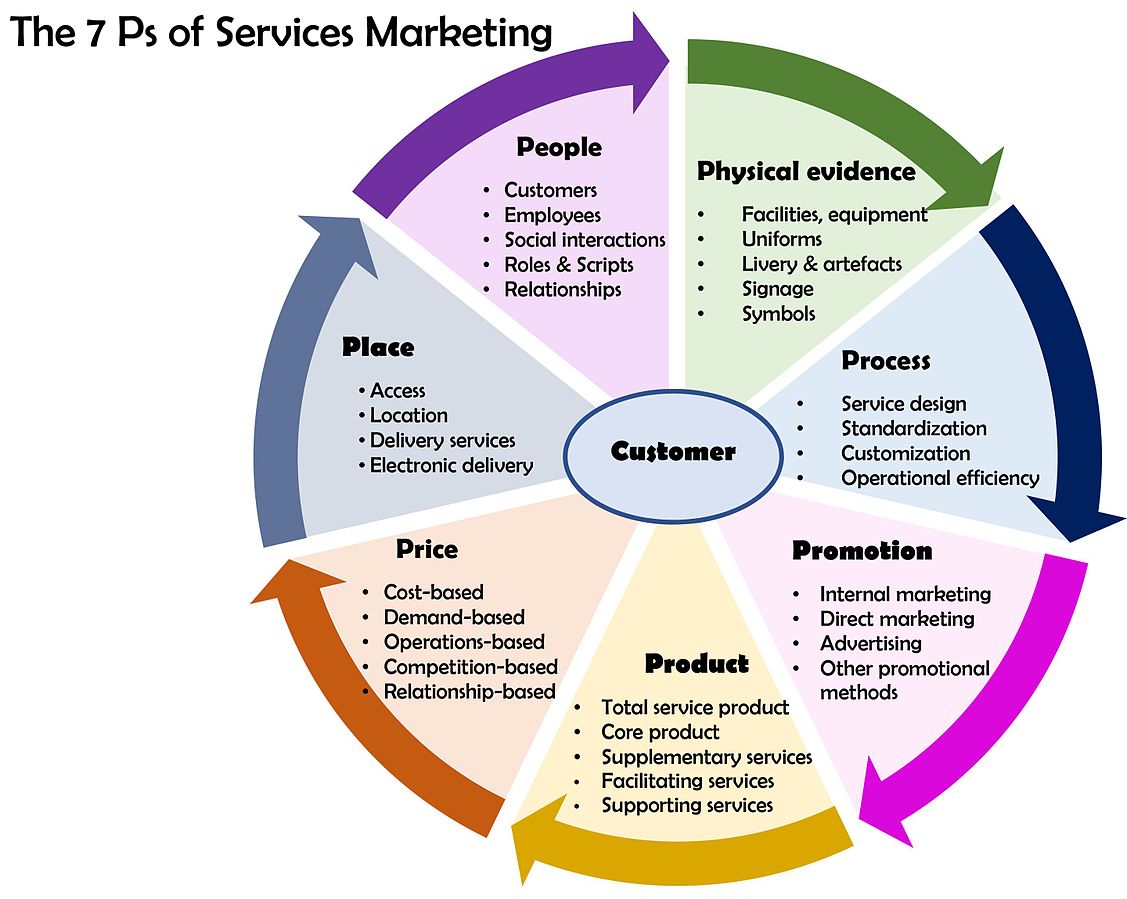
Defining Strategic Marketing Services
Understanding the Importance
In today’s competitive landscape, the significance of strategic marketing services cannot be overstated. Every business, regardless of size or industry, faces the challenge of making itself visible to potential customers. By employing a strategic marketing approach, companies can effectively navigate this complexity and foster connections with their target audience.
Imagine a young entrepreneur looking to launch a unique eco-friendly product. Without a well-structured marketing strategy, her efforts might remain unnoticed in a sea of competitors. However, when she identifies her unique selling proposition (USP) and creates a deliberate marketing plan, her business has the potential to thrive. This transformation highlights how strategic marketing services are not just an option; they are a necessity.
Moreover, understanding the importance of strategic marketing extends beyond mere visibility. It enables businesses to:
- Align Activities with Business Goals : By defining clear objectives, marketing efforts can directly contribute to overall company success.
- Adapt to Market Changes : A strategic approach enables businesses to remain agile, anticipating trends and responding proactively to consumer needs.
- Optimize Resource Allocation : By focusing on targeted strategies, businesses can ensure their marketing budgets are spent efficiently, maximizing return on investment (ROI).
Identifying Key Components
To harness the full potential of strategic marketing services, it’s crucial to identify the key components that constitute a successful strategy. These elements serve as the foundation upon which effective marketing campaigns are built. Here are the primary components to consider:
- Market Analysis : Understanding the market landscape, competitor dynamics, and consumer behavior is essential. This analysis provides critical insights that inform strategic decisions.
- Target Identification : Defining and segmenting the target audience ensures marketing efforts reach the right people. Businesses should consider demographics, psychographics, and behavioral traits.
- Value Proposition : Crafting a compelling value proposition communicates what sets a product or service apart from the competition, highlighting the benefits to potential customers.
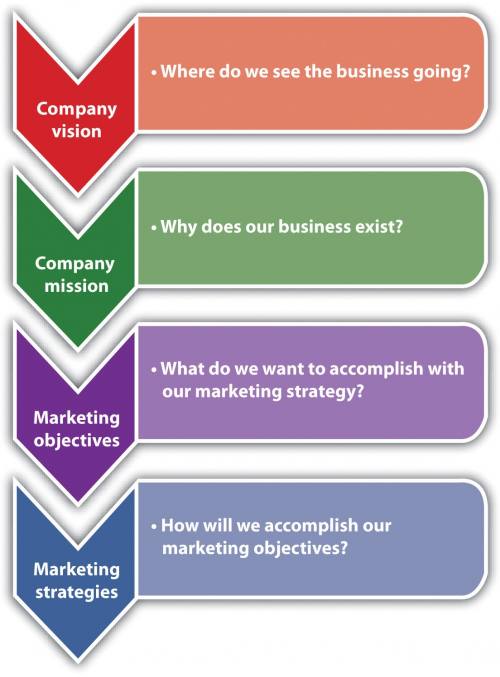
- Marketing Objectives : Setting specific, measurable, achievable, relevant, and time-bound (SMART) goals aligns marketing activities with broader business objectives.
- Budget Planning : Determining the budget for various marketing initiatives helps allocate resources effectively while minimizing wastage.
- Measurement Metrics : Establishing key performance indicators (KPIs) allows for the tracking of campaign performance, ensuring adjustments can be made as needed.
In summary, the foundation of strategic marketing services lies in understanding their importance and identifying the key components that drive effective marketing strategies. By implementing these elements thoughtfully, businesses can elevate their marketing efforts, connect with their audience, and ultimately, achieve sustained growth. The journey towards defining and executing strategic marketing is not only essential but also rewarding for those who embrace it.
Developing a Strategic Marketing Plan
Building on the foundation of understanding and defining strategic marketing services, the next step is developing a comprehensive strategic marketing plan. A well-structured plan acts as a roadmap, guiding businesses through their marketing journey. Two critical elements of this plan include setting clear goals and conducting thorough market research.
Setting Clear Goals
Establishing clear goals is paramount for any marketing plan. Without specific objectives in sight, marketing efforts can become misguided, leading to wasted resources and missed opportunities. Think of it like setting a destination before embarking on a road trip; you wouldn’t just drive without knowing where you’re headed!
When setting marketing goals, consider the SMART criteria:
- Specific : Ensure goals are well-defined and clear. Instead of saying “increase sales,” aim for “increase sales by 20% over the next quarter.”
- Measurable : Incorporate metrics so you can track progress. For example, use sales data, customer acquisition rates, or website traffic statistics.
- Achievable : Set realistic goals based on your current resources and capabilities. Aspirational goals are great, but they should also be attainable.
- Relevant : Align goals with overall business objectives to ensure that your marketing efforts effectively support your company’s vision.
- Time-bound : Assign a timeframe for achievement. A deadline creates urgency and prompts action.
By establishing clear and structured goals, businesses can maintain focus and direction throughout their marketing efforts.
Conducting Market Research
Once goals are set, the next critical step is conducting thorough market research. Understanding the market environment is vital for making informed decisions, refining marketing strategies, and minimizing risks.
Market research can be categorized into two primary types:
- Primary Research : This involves collecting data directly from potential customers or the market through surveys, interviews, and focus groups. A personal anecdote: A friend of mine started a local bakery. Before opening, she surveyed residents about their favorite baked goods, which helped her shape her menu to better align with customer preferences.
- Secondary Research : This involves analyzing existing data that can help inform decisions. Use sources like industry reports, competitor analysis, and academic studies. This type of research can provide insights on market trends and consumer behavior without the need for extensive fieldwork.
Once research is conducted, distilling this information into actionable insights is crucial. Key aspects to evaluate include:
- Market Size : Understand the potential audience’s size to gauge opportunity.
- Trends : Identify emerging trends that may affect consumer preferences or behaviors.
- Competitive Landscape : Analyze competitors to identify strengths and weaknesses, as well as opportunities for differentiation.
By integrating clear goal-setting and meticulous market research into a strategic marketing plan, businesses can position themselves for success. This structured approach not only helps align marketing activities with overarching business objectives but also equips companies with a deeper understanding of their market environment, paving the way for informed and effective strategies. Ultimately, these steps set a solid foundation for successful marketing execution.
Crafting a Target Audience Strategy
Having established a strategic marketing plan grounded in clear goals and thorough market research, the next pivotal step is crafting a robust target audience strategy. Identifying and understanding the specific groups that will benefit from your offerings is crucial for effective marketing efforts. This process involves two core elements: segmenting the market and creating detailed buyer personas.
Segmenting the Market
Market segmentation is the practice of dividing a broad target market into smaller, more defined categories. This allows businesses to tailor their marketing efforts to meet the specific needs of each segment, ultimately maximizing engagement and conversion rates.
Here are some common criteria for segmenting the market:
- Demographic Segmentation : This group identifies potential customers based on characteristics such as age, gender, income, education, and family size. For instance, a luxury car brand may target affluent individuals aged 30-55.
- Geographic Segmentation : This involves segmenting the market based on location. For example, a company selling snow sports gear may focus its marketing efforts in regions with colder climates.
- Psychographic Segmentation : This criterion considers lifestyle, values, and personality traits. A brand focused on sustainable products may target environmentally conscious consumers who prioritize ethical shopping.
- Behavioral Segmentation : This approach analyzes consumer behavior such as purchasing habits and brand loyalty. For example, a coffee shop might segment its audience into regular visitors and occasional buyers based on their purchasing frequency.
When segmenting the market, it’s essential to ensure that the identified segments are meaningful and actionable. By doing so, businesses can create targeted marketing strategies that resonate with each audience group.
Creating Buyer Personas
Once market segmentation is established, the next step is to create buyer personas. Buyer personas are semi-fictional representations of ideal customers based on data and insights gathered from market research. These personas offer a vivid picture of whom a business is trying to reach, enabling more personalized marketing messaging.
Here’s how to create effective buyer personas:
- Research and Gather Data : Leverage the data obtained from your market research. Include demographic information, purchasing habits, pain points, and preferences.
- Identify Key Characteristics : For each persona, outline specific traits, such as:
- Age
- Occupation
- Hobbies
- Motivations for purchase
- Craft a Narrative : Develop a story around each persona. For instance, instead of just mentioning someone’s job title, describe a day in their life, how they use your product, and what challenges they face.
- Involve Real Customers : If possible, interview actual customers that fit your target profiles. Their insights can validate and enrich your personas.
Creating detailed buyer personas helps businesses tailor their marketing messages and campaigns more effectively. For instance, when my neighbor launched a fitness coaching business, he spent time identifying his ideal clients—busy professionals looking for quick, effective workouts. This clarity allowed him to create targeted ads and content that directly addressed their specific needs.
By segmenting the market and creating well-defined buyer personas, businesses can significantly increase the relevance and impact of their marketing strategies. This approach not only fosters stronger connections with potential customers but also boosts the likelihood of successful conversions. Ultimately, understanding the target audience lays the groundwork for effective communication and engagement throughout the marketing process.

Implementing Marketing Channels
After crafting a detailed target audience strategy with effective segmentation and buyer personas, it’s time to implement those insights through appropriate marketing channels. Selecting the right channels enables businesses to connect meaningfully with their audience and maximize engagement. This section focuses on two primary categories: leveraging digital platforms and utilizing traditional marketing methods.
Leveraging Digital Platforms
Digital platforms have revolutionized the way businesses approach marketing. With the rise of social media, search engines, and email marketing, leveraging these channels provides an unparalleled opportunity to reach and engage target audiences.
Here are several effective digital channels to consider:
- Social Media : Platforms such as Facebook, Instagram, LinkedIn, and Twitter allow businesses to engage with their audience in real-time. For example, a local restaurant can showcase its daily specials through Instagram stories, enticing potential customers with mouth-watering visuals.
- Email Marketing : Sending targeted emails to subscribers can foster personalized communication. A fitness coach, for instance, might send out weekly newsletters containing workout tips, motivational content, and exclusive offers to keep clients engaged.
- Content Marketing : Developing high-quality blog posts, videos, or infographics that address your audience’s pain points can help establish your brand as an authority in the market. A financial advisor could create a series of articles on personal finance strategies, drawing in readers who need expert guidance.
- Search Engine Optimization (SEO) : Optimizing your website for search engines is crucial for improving online visibility. Utilizing relevant keywords and creating valuable content can help your business rank higher on search engine results pages, driving organic traffic.
By selecting the right digital channels for your audience, businesses can increase brand awareness, generate leads, and ultimately drive conversions effectively.
Utilizing Traditional Marketing Methods
While digital platforms are essential in today’s tech-driven world, traditional marketing methods still hold value, especially when targeting specific segments of the market. Don’t overlook these strategies; they can complement and enhance digital initiatives.
Consider these traditional marketing methods:
- Print Advertising : Newspapers, magazines, and brochures can be effective for reaching certain demographics. For example, a local boutique might place ads in community magazines to attract local shoppers.
- Direct Mail : Sending postcards, flyers, or catalogs straight to potential customers’ mailboxes can create a personal touch. A seasonal campaign, like a holiday sale, can encourage customers to take action.
- Trade Shows and Events : Participating in industry events or community fairs allows businesses to engage face-to-face with potential customers. A tech company’s presence at a local tech expo can showcase its latest gadgets and develop valuable connections.
- Television and Radio Advertising : While often more costly, ads on popular TV shows or radio segments can reach a broad audience. A regional restaurant chain might advertise during local news broadcasts to entice families looking for dinner options.
Integrating both digital platforms and traditional marketing methods can be incredibly effective. For instance, a local gym might run a social media campaign offering a free trial for new members while simultaneously distributing flyers in local cafes.
In conclusion, implementing a well-rounded approach to marketing channels ensures businesses effectively reach their target audience. By leveraging the strengths of both digital and traditional methods, companies can create a comprehensive strategy that engages potential customers, fosters loyalty, and drives sustainable growth. Understanding the nuances of each channel empowers businesses to connect effectively and build lasting relationships with their audience.
Measuring Success and ROI
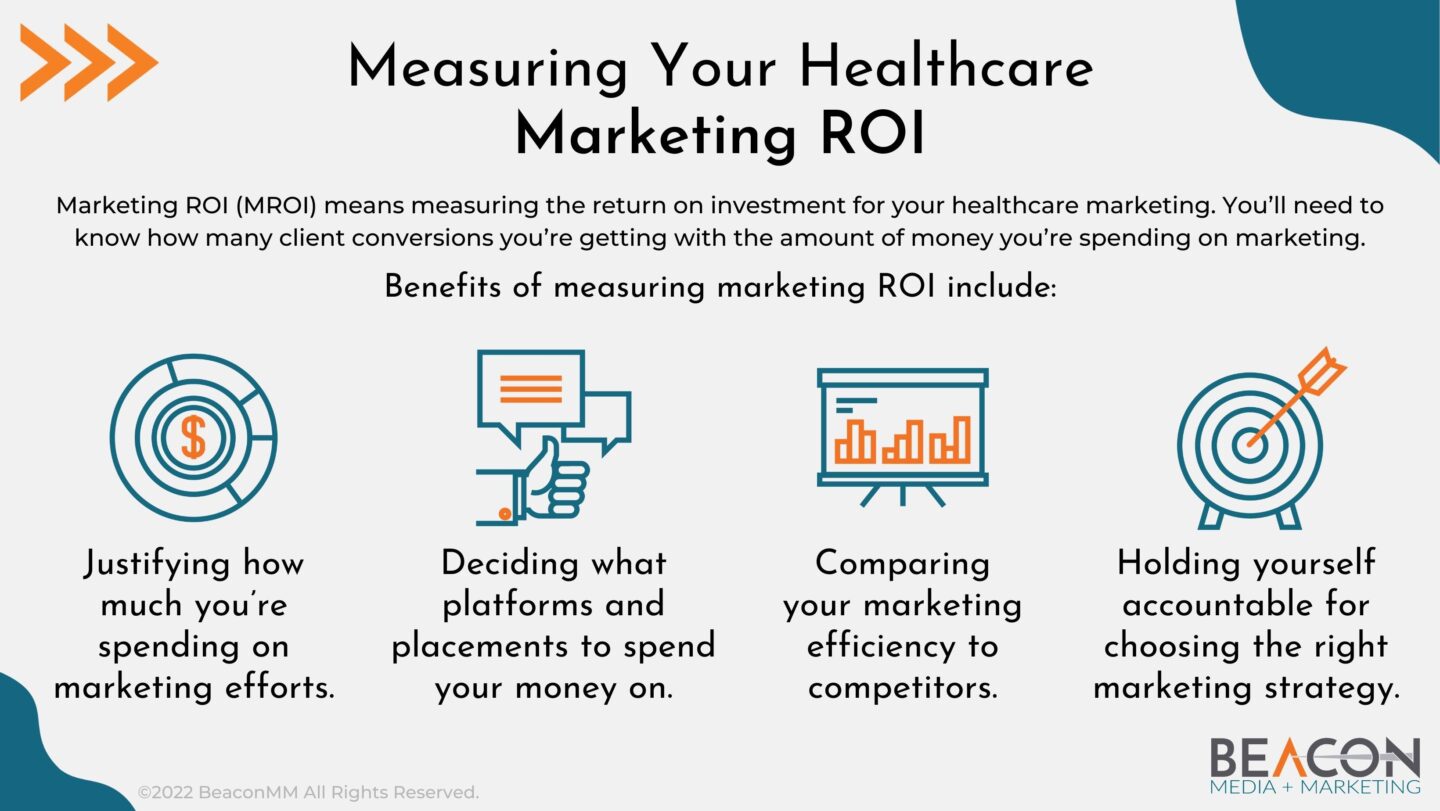
Having developed and implemented a comprehensive marketing strategy utilizing both digital platforms and traditional methods, the next crucial step is measuring success and understanding the return on investment (ROI). This phase ensures that businesses analyze the effectiveness of their marketing efforts and identify areas for improvement. The two primary components of this process are tracking key performance indicators (KPIs) and analyzing data to inform future strategies.
Tracking Key Performance Indicators
To effectively gauge the success of marketing initiatives, businesses need to establish clear KPIs. These metrics serve as measurable values that demonstrate how effectively a company achieves its key business objectives. Simply put, KPIs help answer the question: are we making progress toward our goals?
Here are some common KPIs to consider:
- Sales Revenue : Monitor the overall increase in sales attributed to marketing efforts. A restaurant might track daily sales during a promotional campaign to evaluate its effectiveness.
- Customer Acquisition Cost (CAC) : Calculate the total costs associated with acquiring a new customer. This includes marketing expenses divided by the number of new customers gained during a specific period. Keeping CAC low while maximizing customer acquisition is key.
- Website Traffic : Analyzing the number of visitors to your website can provide insights into engagement levels and the effectiveness of your digital marketing. For example, a non-profit organization might measure traffic spikes during fundraising campaigns.
- Conversion Rate : Track the percentage of visitors who take a desired action, such as signing up for a newsletter or completing a purchase. This can help identify areas where marketers might improve their calls to action.
- Return on Investment (ROI) : Ultimately, measuring ROI helps assess the financial effectiveness of marketing strategies. The formula is simple: (Net Profit / Cost of Investment) x 100. This metric is critical for understanding whether marketing expenditures translate to profits.
By selecting the right KPIs and tracking them diligently, businesses can obtain a clear picture of their marketing performance.
Analyzing Data for Improvement
Once KPIs are tracked, the next step is analyzing the data to inform future marketing decisions. Data analysis is where patterns and insights are uncovered, allowing businesses to refine their strategies and increase efficacy.
Here are some actionable steps for effective data analysis:
- Regular Reporting : Create a consistent reporting system to review KPIs on a weekly or monthly basis. This keeps the team aligned and helps identify trends over time.
- Data Segmentation : Break down data into segments based on different customer demographics or marketing channels. For instance, analyzing conversion rates separately for social media, email, and in-store promotions can reveal which channels are most effective.
- A/B Testing : Experiment with different marketing approaches—such as email subject lines, ad copy, or landing page designs. A/B testing can uncover what resonates best with your audience, leading to improved conversion rates.
- Feedback Mechanisms : Incorporate customer feedback through surveys or social media interactions to gather qualitative data. For instance, asking customers about their experience can provide insights into what drives satisfaction or dissatisfaction.
A personal example: A friend with an online retail store noticed high traffic but low conversion rates. By analyzing the data, she discovered that her checkout process was complicated. After simplifying it, conversions improved significantly.
In summary, measuring success and ROI is essential to understanding the effectiveness of marketing efforts. By tracking key performance indicators and diligently analyzing the data, businesses gain valuable insights that can drive continuous improvement. This process not only informs better decision-making but also fosters a culture of accountability and transparency within marketing teams. Ultimately, embracing these analytic practices lays the foundation for sustained growth and success in an ever-evolving market landscape.