
Introduction to Camelot Strategic Marketing & Media
History and Background
Camelot Strategic Marketing & Media has carved out a prominent place within the marketing landscape since its inception. Founded over a decade ago, the agency was created by a group of passionate marketing professionals with a shared vision of revolutionizing the way businesses connect with their audiences.
Initially, the company focused on helping small businesses amplify their reach through innovative strategies. Through dedication and success stories, Camelot quickly grew, partnering with brands of all sizes. One memorable project involved collaborating with a local bakery to transform their marketing approach; the result was a 150% increase in foot traffic that season, showcasing the effectiveness of personalized campaigns.
Mission and Values
At the core of Camelot’s operations lies a commitment to integrity, creativity, and collaboration. Their mission is clear: to empower brands to achieve their fullest potential by leveraging strategic insights and media-savvy solutions. They strive to deliver measurable results through:
- Transparency : Building trust through open communication with clients.
- Innovation : Continually seeking new ideas to stay ahead of trends.
- Community Impact : Supporting local initiatives and fostering social responsibility.
These values not only guide their marketing strategies but also shape their relationships with clients, ensuring that every partnership is built on a foundation of mutual respect and shared success.

Understanding the Importance of Strategic Marketing
Key Concepts and Principles
Strategic marketing is essential for businesses looking to thrive in today’s competitive landscape. At its core, it involves planning and executing marketing efforts that align with overall business objectives. This approach ensures that resources are effectively utilized, maximizing impact and ROI. Here are some key concepts that underpin strategic marketing:
- Target Audience Identification : Knowing who your customers are allows for tailored messaging that resonates deeply.
- Value Proposition : Clearly defining what sets your product or service apart can capture attention in crowded markets.
- Integrated Marketing Communication : All marketing channels should work cohesively, presenting a unified brand message.
By focusing on these principles, businesses not only enhance their visibility but also build lasting relationships with their customers.
Case Studies and Success Stories
Real-world success stories illustrate the power of strategic marketing. For example, a tech startup partnered with Camelot to enhance its brand visibility. By implementing a targeted digital marketing campaign, they saw:
- A 300% increase in website traffic
- High conversion rates , leading to a significant boost in sales.
Another case involved an e-commerce retailer that struggled with customer retention. Through strategic segmentation and personalized email campaigns, they achieved:
- Improved customer engagement
- A 40% increase in repeat purchases
These cases highlight that strategic marketing is not just a buzzword; it is a transformative approach that can pave the way for a business’s success.

The Role of Media in Marketing Success
Types of Media Channels
In the realm of strategic marketing, the role of media cannot be overstated. Selecting the right media channels is crucial for reaching your target audience effectively. Various types of media channels include:
- Traditional Media : Television, radio, and print remain powerful platforms, especially for reaching broader demographics.
- Digital Media : Social media platforms (like Facebook, Instagram, and LinkedIn), website content, and email marketing allow for targeted engagement.
- Earned Media : Public relations, influencer partnerships, and word-of-mouth create credibility and trust around your brand.
The combination of these channels can create a well-rounded marketing strategy, engaging potential customers across multiple touchpoints.
Leveraging Media for Brand Growth
Camelot’s experience shows that leveraging these media channels effectively can significantly enhance brand visibility and growth. For instance, a fitness brand partnered with local influencers across social media platforms, leading to:
- Increased brand awareness in niche communities.
- Higher engagement rates with interactive content.
Additionally, by integrating content across different channels, such as a blog post that ties into a social media campaign, brands can create a cohesive narrative that resonates with their audience.
Companies must remember that it’s not just about being present in various media; it’s about engaging in meaningful conversations that build relationships. The right media strategy, tailored to the brand, can drive awareness, foster loyalty, and ultimately contribute to sustained growth.
Unlocking the Power of Target Audience Analysis
Market Segmentation Strategies
As we’ve seen, effective media strategies can significantly boost brand visibility. However, to truly optimize these efforts, businesses must unlock the power of target audience analysis. One of the key components of this is market segmentation. By dividing a broader audience into smaller, manageable segments based on specific characteristics, brands can tailor their marketing efforts more effectively.
Some commonly used strategies for market segmentation include:
- Demographic Segmentation : Analyzing age, gender, income, and education to target specific groups.
- Geographic Segmentation : Identifying audiences based on their location, which can influence preferences and needs.
- Psychographic Segmentation : Delving into personality traits, interests, and values to form connections that resonate on a personal level.
For example, a luxury skincare brand may find success targeting affluent millennials in urban areas while another brand might focus on affordability for young families.
Customer Behavior Insights
Understanding customer behavior is equally crucial. Insights into how consumers make decisions, what drives their loyalty, and their purchasing habits can greatly inform marketing strategies. Brands can gather this information through various means, such as:
- Surveys and Feedback : Directly asking customers about their experiences and preferences.
- Website and Social Media Analytics : Monitoring how users interact with content to identify trends.
A personal anecdote illustrates this point. A pet care company analyzed purchase trends and discovered that customers often bought toys in combination with food. This insight led to a successful bundled promotion, increasing sales significantly.
By mastering segmentation and behavior analysis, brands can craft targeted strategies that resonate with their audience, leading to enhanced engagement and loyalty.

Building an Effective Marketing Strategy with Camelot
Setting SMART Goals
With a solid understanding of target audience analysis, businesses can now focus on building an effective marketing strategy. A foundational step in this process is setting SMART goals—Specific, Measurable, Achievable, Relevant, and Time-bound. By adhering to this framework, organizations can establish clear and actionable objectives that guide their marketing efforts.
For example, rather than setting a vague goal like “increase sales,” a SMART goal would specify: “Increase sales by 20% over the next quarter through a targeted social media campaign.” By doing this, businesses can ensure alignment among their teams and create a sense of accountability.
Developing Actionable Plans
Once SMART goals are established, the next step is to develop actionable plans that outline how to achieve them. This involves breaking down goals into smaller, manageable tasks. Consider these components when developing your marketing plan:
- Tactics : Identify specific actions, like launching an email newsletter or hosting a webinar.
- Timeline : Establish deadlines for each task to maintain momentum.
- Resources : Determine budget and personnel needed for execution.
Years ago, a local restaurant sought to revitalize its presence after reopening from renovations. By setting a SMART goal to increase customer visits by 30% within six months and outlining a clear plan—such as promotional offers and community events—they successfully transformed their customer base.
By integrating SMART goals with detailed action plans, businesses can navigate their path to marketing success with clarity and confidence, ensuring every step taken contributes to their overarching vision.
Maximizing ROI with Data-Driven Marketing
Utilizing Analytics Tools
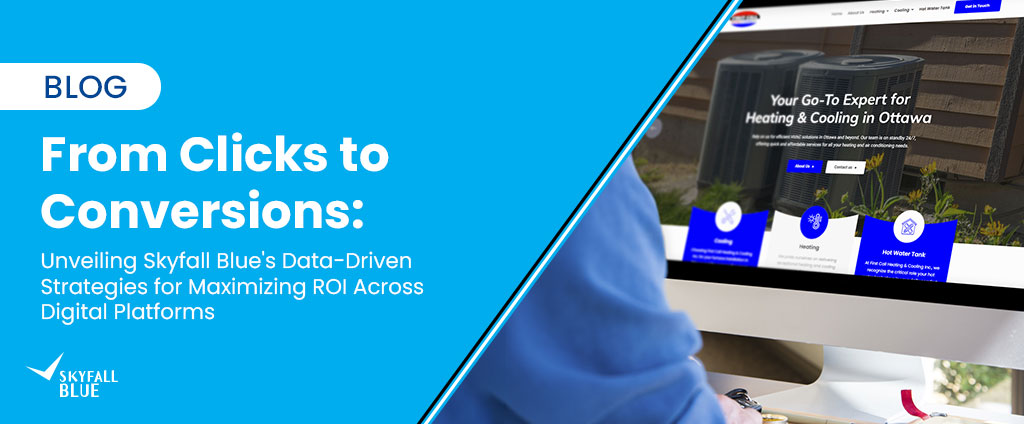
With a solid marketing strategy in place, the next step is to maximize return on investment (ROI) through data-driven marketing. Analytics tools play a crucial role in this process, providing valuable insights into customer behavior, campaign effectiveness, and overall performance. Some popular analytics tools include:
- Google Analytics : Offers comprehensive insights on website traffic and user behavior.
- Social Media Insights : Platforms like Facebook and Instagram provide data on engagement and reach.
- CRM Software : Tools such as HubSpot or Salesforce help track customer interactions and sales data.
By leveraging these tools, businesses can gain a clearer picture of which marketing strategies drive engagement and conversions.
Measuring and Improving Campaign Performance
Once analytics tools are in place, it’s essential to measure and improve campaign performance continuously. Establishing key performance indicators (KPIs) aligned with your SMART goals will provide a benchmark for success. Examples of KPIs include:
- Conversion rates : Measure how many leads turn into customers.
- Cost per acquisition (CPA) : Analyze the costs associated with acquiring new customers.
- Customer lifetime value (CLV) : Understand the total worth of a customer over the duration of their relationship with your brand.
A personal example comes from a fashion retailer that utilized analytics to track an email marketing campaign. By analyzing open and click-through rates, they discovered that personalized offers significantly outperformed generic ones. This led to targeted campaigns that not only improved engagement but also increased sales.
With data-driven insights, businesses can make informed adjustments to their marketing efforts, ensuring the highest possible ROI while fostering continuous growth and improvement.

Crafting Compelling Brand Storytelling
Importance of Brand Narrative
Transitioning from data-driven marketing to crafting compelling brand storytelling is a natural evolution in enhancing customer connections. A strong brand narrative is not just about what a company does; it’s about why it exists and how it aligns with its audience’s values.
An impactful narrative serves several key purposes:
- Creates Emotional Connections : Stories resonate with people, forging deeper relationships and fostering brand loyalty.
- Differentiates the Brand : In a saturated market, a unique story can set a brand apart from its competitors.
- Builds Trust : Authentic narratives can enhance credibility, demonstrating transparency and commitment.
For instance, a local coffee shop that started as a small community gathering spot could share its journey from humble beginnings to a bustling hub, connecting with customers who value community.
Engaging Content Creation Strategies
Once a brand has its narrative, the next step is to translate it into engaging content. Here are some effective strategies to do just that:
- Visual Storytelling : Utilize images and videos to illustrate your brand story, making it instantly relatable.
- User-Generated Content : Encourage customers to share their stories and experiences with your brand, creating a shared narrative.
- Consistent Messaging : Ensure that all content reflects the brand’s voice and core values, whether it’s through blogs, social media posts, or newsletters.
For example, a sustainable fashion brand might invite customers to showcase their outfits on social media, creating a vibrant tapestry of personal stories that celebrate eco-friendly choices.
By effectively leveraging the importance of brand narrative and employing engaging content creation strategies, businesses can captivate their audience and turn casual interactions into meaningful relationships.

Navigating the Digital Landscape with Camelot
Social Media Marketing Best Practices
As brands strive to establish a powerful online presence, navigating the digital landscape effectively is crucial. Social media marketing plays a pivotal role in this endeavor. Implementing best practices can significantly enhance engagement and reach. Here are a few essential strategies:
- Know Your Audience : Tailor your content to the preferences and interests of your target demographic, ensuring it resonates well.
- Consistency is Key : Maintain a regular posting schedule to keep your audience engaged and informed.
- Engage Actively : Respond to comments and messages promptly to foster a sense of community and encourage conversation.
For example, a tech company used Twitter to launch a customer-focused campaign, regularly sharing tips and responding to inquiries. This not only increased their follower count but also built a loyal community around their brand.
SEO and SEM Optimization Techniques
Alongside social media, search engine optimization (SEO) and search engine marketing (SEM) are integral to any digital strategy. By optimizing content and effectively using paid advertising, brands can improve their visibility. Here are a few techniques:
- Keyword Research : Identify and integrate relevant keywords that potential customers are using to search for products or services.
- Quality Content Creation : Develop informative and engaging content that provides value to readers, improving organic search rankings.
- Leverage Paid Advertising : Using SEM strategies like Google Ads can boost visibility quickly, attracting more traffic to your site.
For instance, a local bakery might enhance its SEO by writing blog posts about baking tips and recipes, drawing in a community searching for related content while using SEM for seasonal promotions.
By employing effective social media strategies and optimizing for search engines, brands can navigate the digital landscape successfully, ensuring they stand out in a crowded marketplace while effectively reaching their audience.
Enhancing Customer Engagement and Loyalty
Creating Personalized Experiences
Building on the solid digital strategies previously discussed, enhancing customer engagement and loyalty is paramount for long-term success. One of the most effective ways to achieve this is by creating personalized experiences for your customers. Personalization goes beyond merely addressing a customer by name; it involves understanding their preferences, behaviors, and needs.
Consider these tactics to cultivate a more personalized experience:
- Tailored Recommendations : Use data analytics to suggest products based on previous purchases or browsing behavior.
- Segmentation : Group customers into segments based on interests or buying habits, allowing you to craft more relevant messaging.
- Customized Communication : Send targeted emails that reflect the customer’s interests and previous interactions, making them feel valued.
For example, an online clothing retailer noticed higher engagement rates by sending personalized style guides based on past purchases, effectively increasing customer satisfaction and repeat business.
Implementing Customer Retention Programs
To further capitalize on enhanced engagement, implementing effective customer retention programs is crucial. These initiatives focus on encouraging previous customers to return, ultimately boosting lifetime value. Here are a few strategies:
- Loyalty Programs : Offer rewards for repeat purchases, such as discounts, exclusive products, or points redeemable for rewards.
- Feedback Loops : Encourage customers to share their thoughts about their experiences and use this feedback to make improvements.
- Reengagement Campaigns : Target inactive customers with special offers or enticing content to reignite their interest.
A local fitness center successfully implemented a loyalty program, offering points for every class attended. This initiative not only increased gym attendance but also fostered a sense of community among members.
By focusing on creating personalized experiences and adopting robust customer retention programs, businesses can cultivate stronger engagement, loyalty, and ultimately enhance their bottom line.

The Future of Marketing: Trends and Innovations
Emerging Technologies in Marketing
As we look to the horizon of marketing, one cannot overlook the profound impact that emerging technologies are having on the industry. Innovations such as artificial intelligence (AI), augmented reality (AR), and big data analytics are shaping how brands connect with customers.
Consider these emerging technologies:
- Artificial Intelligence : AI can personalize customer experiences and streamline marketing automation, from chatbots answering inquiries to personalized content recommendations.
- Augmented Reality : Brands are increasingly using AR to offer immersive experiences. For instance, a furniture retailer may allow customers to visualize how a piece of furniture would look in their home before purchasing.
- Voice Search Optimization : As smart speakers become mainstream, optimizing content for voice search is vital to remain relevant.
A personal example comes from a cosmetics company that integrated AR in its app, allowing users to virtually try on makeup. This enhanced engagement led to increased sales and customer satisfaction.
Sustainable and Ethical Marketing Practices
Alongside technological advancements, there is also a growing trend toward sustainable and ethical marketing practices. Today’s consumers expect brands to operate responsibly and prioritize sustainability.
Marketers can embrace this shift by:
- Highlighting Sustainability Efforts : Showcase eco-friendly practices and ethically sourced materials in marketing messages.
- Transparent Communication : Build trust by being open about business practices, sourcing, and the environmental impact.
- Community Engagement : Involve consumers in sustainability initiatives, such as recycling programs or local community support.
A great example is a clothing brand that launched a campaign aimed at recycling old garments, fostering customer loyalty while promoting environmental awareness.
As marketing continues to evolve, embracing emerging technologies and prioritizing sustainable practices will not only enhance brand credibility but also resonate with today’s conscious consumers, paving the way for a brighter, more responsible marketing future.