

Introduction
Understanding On-Page SEO
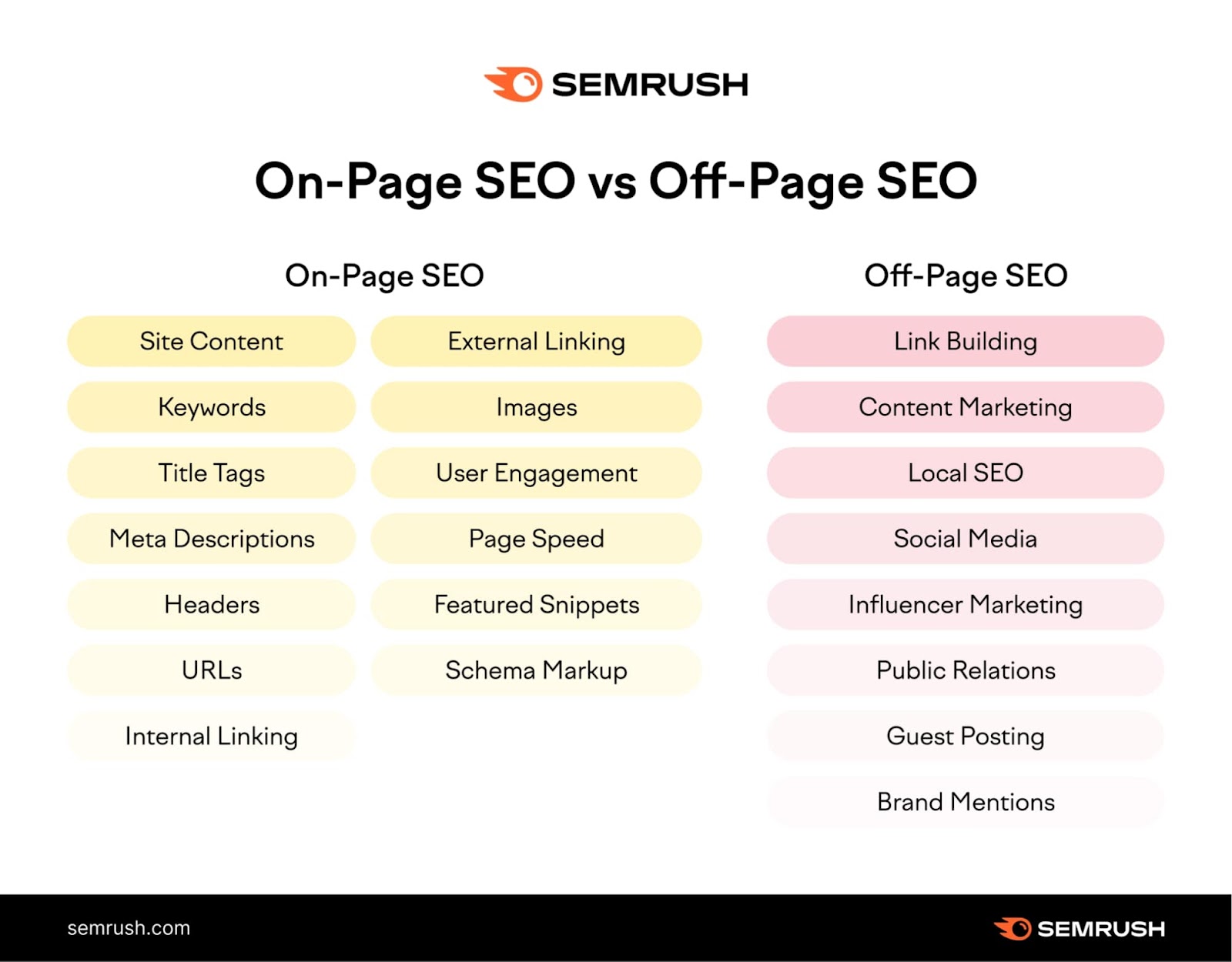
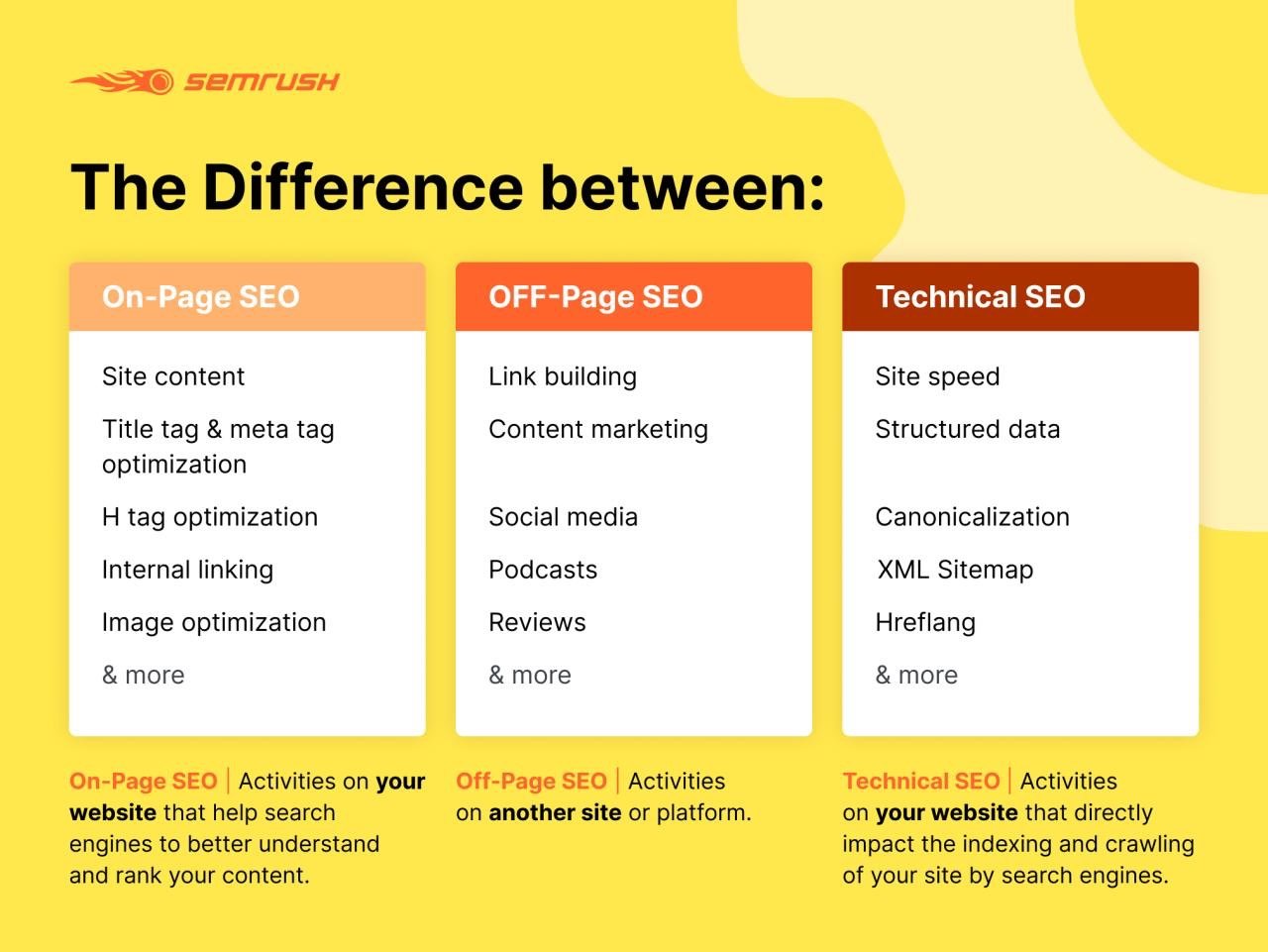
On-page SEO refers to the strategies and techniques implemented directly on a website to improve its search engine rankings and user experience. This includes optimizing individual web pages to make them more understandable to search engines and more engaging for users.
Many people often overlook this vital element of SEO, mistakenly believing that off-page factors are the only driving force behind successful rankings. In reality, on-page SEO forms the foundation of any effective online presence. Just think of a well-organized library where every book is easily accessible and properly categorized; that’s what effective on-page SEO looks like in the digital realm.
Significance of On-Page SEO for Websites
The significance of on-page SEO cannot be understated, as it plays a crucial role in determining how search engines view your website. Here are some key reasons why it matters:
- Improved Visibility : Well-optimized pages have a higher chance of appearing in search results, allowing users to find your content easier.
- Increased Engagement : When visitors find relevant and valuable content, they’re more likely to stay longer and interact with your site.
- Higher Conversion Rates : A seamless user experience often leads to higher chances of conversions; whether that be subscriptions, sales, or inquiries.
In essence, a robust on-page SEO strategy is the heart that fuels other SEO efforts. It creates an inviting landscape that attracts both search engines and users alike.
On-Page SEO Fundamentals
Keyword Research and Optimization
To build a solid foundation for on-page SEO, effective keyword research and optimization are crucial. Think of keywords as the bridge between what users are searching for and the content you create. Identifying the right keywords involves analyzing search volume, competition, and relevance to your niche. Tools like Google Keyword Planner and SEMrush can be incredibly helpful in this process.
- Focus on Long-Tail Keywords : These are specific phrases that usually have lower competition and can draw in more targeted traffic.
Content Optimization
Once you’ve selected your keywords, the next step is optimizing your content. This means creating valuable and engaging material that satisfy both user intent and search engine algorithms.
- Quality over Quantity : Aim for in-depth articles that provide real value. For instance, if you’re writing a guide on gardening, ensure you include tips, visuals, and resources.
- Natural Inclusion of Keywords : Sprinkle your keywords throughout the content naturally without stuffing them.
Meta Tags and Descriptions
Meta tags and descriptions play a pivotal role in on-page SEO. They serve as the first impression for users searching for relevant content.
- Catchy Titles : Your title should encapsulate the essence of the page, using the primary keyword.
- Compelling Meta Descriptions : Write concise and enticing descriptions that encourage clicks, ideally between 150-160 characters.
URL Structure and Internal Linking
Lastly, URL structure and internal linking help improve navigation and establish hierarchy on your website.
- Descriptive URLs : Use concise and relevant keywords to create user-friendly URLs (e.g., www.example.com/gardening-tips).
- Effective Internal Linking : Guide users through related content by linking relevant pages, which also helps search engines crawl your site better.
By attending to these fundamental on-page SEO elements, website owners can significantly improve their visibility and performance in search results.
On-Page SEO Techniques
Mobile-Friendliness and Page Speed
Today’s digital landscape demands that websites be mobile-friendly, as more users access content via mobile devices than ever before. A responsive design ensures that your site looks great and functions well, regardless of screen size.
Think back to the last time you tried to navigate a non-mobile-friendly site on your phone – frustrating, right? Page speed plays a crucial role here, as slow-loading pages can lead to high bounce rates and lost opportunities. Google recommends a loading time of under three seconds; using tools like Google PageSpeed Insights can help identify areas for improvement.
Image Optimization
Images can significantly enhance user experience, but they can also slow down your site if not optimized properly.
- File Formats : Use appropriate formats like JPEG for photographs and PNG for images requiring transparency.
- Size Matters : Compress images without losing quality to enhance loading speeds.
For instance, using a tool like TinyPNG can drastically reduce image file sizes, improving page load times while maintaining visual aesthetics.
Heading Tags and Content Structure
The structure of your content is essential for both user experience and SEO. Using heading tags (H1, H2, H3) effectively guides readers through your text and aids search engines in understanding your content hierarchy.
- H1 for Titles : Each page should have only one H1 that captures the core topic.
- H2 and H3 for Subsections : Utilize these to break down information and keep readers engaged.
Schema Markup and Rich Snippets
Schema markup is a powerful yet often overlooked aspect of on-page SEO. This code helps search engines better understand your content, potentially leading to rich snippets in search results.
- Types of Schema : There are various types, like for articles, reviews, and events.
- The Advantage : Rich snippets grab attention, improve click-through rates, and can significantly enhance visibility.
In summary, incorporating these on-page SEO techniques will not only optimize your site for search engines but will also create a more enjoyable experience for your visitors.
Advanced On-Page SEO Strategies
User Experience and Engagement
As the landscape of SEO evolves, user experience (UX) has become a decisive factor in ranking. Websites that offer seamless navigation, quick-loading pages, and visually appealing designs naturally engage visitors longer.
Consider this: a well-structured site with intuitive navigation feels like a well-organized bookstore. Users can effortlessly find what they need, increasing the likelihood of exploring additional pages. To enhance engagement:
- Clear Calls to Action (CTAs) : Strategically place CTAs throughout your content to guide users on the next steps.
- Interactive Elements : Quizzes, polls, and user-generated content can make a site feel more alive and inviting.
Voice Search Optimization
With the rise of digital assistants like Siri and Google Assistant, optimizing for voice search is an advanced strategy that cannot be ignored. This means considering how users phrase their queries in natural language. For example:
- Conversational Keywords : Instead of typing “best pizza in town,” users might ask, “What is the best pizza place near me?”
- FAQs : Structuring FAQs can provide concise answers that cater to voice search inquiries.
Featured Snippets and Knowledge Graph
Featured snippets provide a golden opportunity for visibility in search results, as they answer user queries directly at the top of the SERP. To optimize for them:
- Structure Your Content : Use bullet points, definitions, or concise answers to common questions.
- Utilize H Tags Effectively : Properly employed heading tags help search engines identify potential snippets.
The Knowledge Graph, which appears on the right side of search results, offers another angle for growing your online presence. Ensuring your brand information is correctly linked to authoritative sources can enhance credibility.
Security (HTTPS) and E-A-T
Lastly, the importance of web security cannot be overstated. Transitioning to HTTPS reassures users that their data is safe, while Google factors in security when determining rankings.
Additionally, showcasing Expertise, Authoritativeness, and Trustworthiness (E-A-T) reinforces your site’s credibility. Enhance E-A-T by:
- Citing Author Credentials : Adding author bios and linking to their qualifications adds trust.
- Including Reviews and Testimonials : Real user experiences can validate your offerings.
By implementing these advanced on-page SEO strategies, webmasters can significantly boost their site’s relevance and resilience in an ever-changing digital environment.
Measuring On-Page SEO Success
Google Search Console and Analytics
To effectively gauge the success of your on-page SEO efforts, utilizing tools like Google Search Console and Google Analytics is essential. Google Search Console provides insights into how your site performs in search results, while Google Analytics delves deeper into user behavior.
- Search Console :
- Monitor which keywords are driving traffic.
- Check for crawl errors and indexing issues.
- Analytics :
- Analyze user demographics and behavior patterns.
- Track which pages users are most interested in, helping you refine content strategies.
These tools provide a comprehensive view of your site’s health and performance, enabling data-driven decisions.
Key Performance Indicators (KPIs)
To measure success effectively, establish clear Key Performance Indicators (KPIs). KPIs act as benchmarks, helping you understand where improvements are needed. Consider tracking:
- Organic Traffic : The number of visitors arriving via search engines.
- Bounce Rate : The percentage of visitors who leave after viewing only one page—high bounce rates may signal content or UX issues.
- Conversion Rates : Metrics on how many visitors take desired actions, such as signing up for newsletters or completing purchases.
Each KPI provides valuable insights into the effectiveness of your on-page SEO strategies.
Monitoring Rankings and Organic Traffic
Regularly monitoring your rankings and organic traffic will help gauge the effectiveness of your on-page SEO tweaks. Utilize rank tracking tools like SEMrush or Ahrefs to observe where your pages stand in SERPs.
- Identify Patterns : Look for trends in keyword rankings over time and adjust your strategy accordingly.
- Competitive Analysis : Keep an eye on competitors’ performance to find additional opportunities.
Ultimately, the combination of these analytical tools and KPIs yields actionable insights. By measuring your on-page SEO success accurately, you can fine-tune your strategies for sustained growth and improved visibility in search results.
Common On-Page SEO Mistakes to Avoid
Thin or Duplicate Content
When it comes to on-page SEO, one of the most significant pitfalls is publishing thin or duplicate content. Thin content lacks substance and valuable information, leaving readers unsatisfied. Duplicate content, on the other hand, confuses search engines trying to rank your pages.
Imagine spending time crafting a piece that only scratches the surface of a topic; it’s like offering a sample instead of a full meal. To ensure you steer clear of these issues:
- Create In-Depth Content : Aim for comprehensive articles that thoroughly cover the topic.
- Check for Duplicates : Use tools like Copyscape to identify and rectify duplicate content before publishing.
Overlooking Technical SEO Issues
Technical SEO is the underlying structure that supports on-page optimization. Overlooking areas like broken links, improper tags, or slow loading times can cripple your SEO efforts.
- Use Audit Tools : Leverage tools like Screaming Frog or Moz to assess site health.
- Regular Maintenance : Conduct regular audits to keep your website in tip-top shape. A site filled with errors can defeat even the most polished content.
Ignoring User Intent and Search Trends
Failing to consider user intent is a common mistake that can hinder your SEO results. It’s not just about optimizing for specific keywords; it’s crucial to understand why users are searching in the first place.
- Research Search Intent : Analyze whether users seek information, products, or services.
- Stay Updated with Trends : Tools like Google Trends can help keep your content aligned with current interests and demands.
By avoiding these common on-page SEO mistakes, website owners can position themselves for better visibility and user engagement, ultimately leading to improved performance in search rankings.
On-Page SEO for Different Platforms
WordPress SEO Best Practices
When it comes to WordPress, leveraging its inherent features can significantly enhance your on-page SEO. This popular platform offers various plugins and tools designed to optimize content easily. One of the most popular tools is Yoast SEO, which provides real-time feedback on how to enhance your SEO efforts.
To make the most of WordPress, consider the following best practices:
- Optimize Permalinks : Use clean, keyword-rich URLs.
- Utilize Alt Text for Images : This helps improve visibility in image searches.
- Regularly Update Content : Keep your content fresh and relevant to maintain engagement.
On-Page SEO for E-commerce Websites
E-commerce websites face unique challenges in on-page SEO given their extensive product listings. Here, focusing on user experience, product descriptions, and categorization is critical.
- Unique Product Descriptions : Ensure each product has a detailed and unique description to avoid duplicate content.
- Optimize Images : Use high-quality images with alt text that includes relevant keywords.
- Implement Clear CTAs : Encourage users to add items to their cart or proceed to checkout with well-placed calls to action.
SEO for Single-Page Applications (SPAs)
Single-Page Applications (SPAs) require a different approach to on-page SEO due to their dynamic nature. Since SPAs rely heavily on JavaScript, search engines may struggle to index their content.
To optimize SPAs, consider:
- Use Server-Side Rendering (SSR) : This pre-renders content, making it accessible for search engine crawlers.
- Implement Hash Routing : Ensure that your URL parameters reflect content changes, aiding search engines in aligning the user experience with the URL structure.
By addressing these specific strategies for WordPress, e-commerce platforms, and SPAs, webmasters can effectively optimize their on-page SEO efforts, resulting in enhanced visibility and improved user engagement across various types of websites.
On-Page SEO Tools and Resources
Keyword Research Tools
Effective keyword research is the cornerstone of any successful on-page SEO strategy. Fortunately, there are several tools available to help identify the right keywords for your niche. Some popular options include:
- Google Keyword Planner : This free tool offers insights into keyword volume, competition, and potential CPC bids, making it a great starting point.
- Ahrefs : Known for its comprehensive suite of SEO tools, Ahrefs provides detailed keyword analysis and competitive insights that can help you discover strategic opportunities.
- SEMrush : This tool not only aids in keyword research but also allows you to track competitors and analyze their keyword strategies.
Using these tools can help ensure you’re targeting the right phrases and meeting user needs.
SEO Plugins and Software
For websites built on platforms like WordPress, leveraging SEO plugins can simplify on-page optimization tasks. Two of the most widely used plugins are:
- Yoast SEO : This popular plugin provides real-time analysis of your content, offering suggestions for improvements in areas like keyword usage, readability, and meta tags.
- All in One SEO Pack : Another versatile plugin, it allows easy optimization of titles, descriptions, and social sharing features.
With these plugins, you can make significant changes to your SEO strategy without diving into complex coding.
On-Page SEO Guides and Blogs
To stay current with the latest trends and best practices in on-page SEO, leveraging educational resources is essential. Follow reputable guides and blogs that offer actionable tips, such as:
- Moz Blog : Known for its in-depth SEO resources, Moz regularly shares articles on various aspects of on-page optimization.
- Search Engine Journal : This platform provides the latest news and updates in SEO, alongside practical guides and case studies.
By utilizing these tools and resources, you can enhance your on-page SEO efforts, leading to improved search visibility and user engagement. Staying informed will ensure you’re always ahead of the curve in the ever-evolving SEO landscape.
Conclusion
Recap of Essential On-Page SEO Practices
As we wrap up our exploration of on-page SEO, it’s essential to remember the key practices that serve as the foundation for successful optimization. Whether you’re a seasoned professional or just starting, focusing on these elements can dramatically improve your web presence:
- Keyword Research : Understanding the right keywords for your audience enables targeted content.
- Content Quality : Providing valuable, in-depth content keeps users engaged and helps build trust.
- Optimize Meta Tags : Crafting compelling titles and descriptions encourages higher click-through rates.
- Responsive Design : Ensuring your website is mobile-friendly caters to a wider audience and improves user experience.
- Technical SEO : Regular site audits can help uncover and fix technical issues before they impact your rankings.
Reflecting on these practices gives a clear roadmap for enhancing your site’s visibility.
Future Trends in On-Page Optimization
Looking ahead, several trends are shaping the future of on-page SEO that you should keep an eye on:
- AI and User Experience : With the growing role of artificial intelligence in search behaviors, optimizing for user intent will become even more critical.
- Voice Search : As voice-activated devices proliferate, there will be a greater need to tailor content to natural language queries.
- Core Web Vitals : Google’s emphasis on loading speed, interactivity, and visual stability will continue to influence rankings significantly.
By staying informed about these trends and continually refining your on-page SEO strategies, you’ll be well-equipped to navigate the evolving landscape of digital marketing and ensure lasting success.