
Introduction
Importance of Business Visibility
In today’s fast-paced digital landscape, a strong online presence is more critical than ever. Business visibility not only drives traffic to your website but also enhances brand recognition among potential customers. Imagine walking into a crowded marketplace where millions of products compete for attention. Businesses with higher visibility are more likely to attract customers and build trust.
- Increased brand recognition: The more visible your business is, the more it sticks in consumers’ minds.
- Higher traffic: Improved visibility often translates to increased website visits.
- Boosted sales: A prominent online presence can lead to higher conversion rates.
Overview of Pay-Per-Click Advertising
One of the most effective ways to improve business visibility online is through Pay-Per-Click (PPC) advertising. PPC allows businesses to place ads on search engines and social media, paying only when a user clicks on their ad.
Consider a local coffee shop. By investing in a PPC campaign targeting “best coffee near me,” they can appear at the top of search results when customers seek a caffeine fix. This targeted approach not only drives immediate traffic but also aids in building long-term relationships with customers.
Understanding the Philadelphia Market
Demographics and Consumer Behavior
To successfully leverage PPC advertising, it’s essential to understand the unique demographics and consumer behavior in Philadelphia. With a diverse population of over 1.5 million residents, the city boasts a rich tapestry of different ages, ethnicities, and income levels.
- Age Groups:
- 18-24 (Youthful market, tech-savvy)
- 25-34 (Young professionals, eager for services)
- 35-54 (Family-focused, stability in purchasing)
- 55+ (Health and retirement-centered)
Consumer behavior varies across these groups, with younger demographics often favoring convenience and technology, while older age groups may prioritize quality and trustworthiness.
Competitor Analysis
Conducting a thorough competitor analysis is vital for any business aiming to stand out in Philadelphia. By examining competitors’ PPC campaigns, businesses can identify:
- Effective keywords: Which terms are driving clicks for competitors?
- Ad copy strategies: Understand what language resonates with local consumers.
- Offers and promotions: See what incentives are moving the needle.
For example, if a nearby restaurant promotes a weekday happy hour via PPC, it may be worth considering similar offers to attract crowds during slower periods. Understanding both demographics and competition allows businesses to craft tailored PPC strategies that resonate with Philadelphia’s vibrant marketplace.
Setting Up Your PPC Campaign
Keyword Research and Selection
With a clear understanding of the Philadelphia market, the next step is to set up an effective PPC campaign. The foundation of any successful campaign lies in keyword research and selection. Identifying the right keywords will help ensure that your ads reach the most relevant audience.
A few strategies for effective keyword research are:
- Utilize keyword research tools: Tools like Google Keyword Planner can uncover popular search queries related to your business.
- Focus on long-tail keywords: Phrases like “best vegan restaurant Philadelphia” often have lower competition and higher conversion rates.
- Monitor competitors: Analyze keywords used by competitors to find gaps you can fill.
Budget Allocation and Bidding Strategy
Once you’ve identified your keywords, it’s time to set your budget and bidding strategy. Budget allocation requires understanding how much you’re willing to spend to achieve your goals. A common approach is:
- Daily budget: Set a cap on what you’re willing to spend each day.
- Bid types: Experiment with different bidding strategies, such as cost-per-click (CPC) or enhanced CPC, based on your objectives.
By effectively allocating your budget and strategically selecting your bids, you can maximize your campaign’s reach while minimizing costs, ensuring your business stands out in the competitive Philadelphia market.
Crafting Compelling Ad Copy
Writing Effective Headlines
Having set your budget and selected the right keywords, the next step is crafting ad copy that captivates your audience. Start with writing effective headlines — they are crucial in grabbing attention and driving clicks.
Consider these tips for creating compelling headlines:
- Be clear and concise: Use straightforward language that describes exactly what you offer. For instance, “Fresh Organic Coffee Delivered to Your Door” is direct and informative.
- Incorporate keywords: Including relevant keywords can improve your ad’s relevance and performance in search results.
- Spark curiosity: Phrases like “Discover the Secret” or “Unleash Amazing Flavors” can entice users to click.
Utilizing Calls-to-Action
Once you’ve captured attention with your headline, it’s essential to guide potential customers with a strong call-to-action (CTA). A well-crafted CTA encourages users to take the next step in their customer journey.
- Use action-oriented language: Phrases like “Get Started Today!” or “Shop Now for Exclusive Deals!” prompt immediate action.
- Create a sense of urgency: Including time-sensitive offers like “Limited Time Only” can boost conversions.
- Make it benefit-driven: Highlight what users stand to gain, such as “Sign Up for Free Trials.”
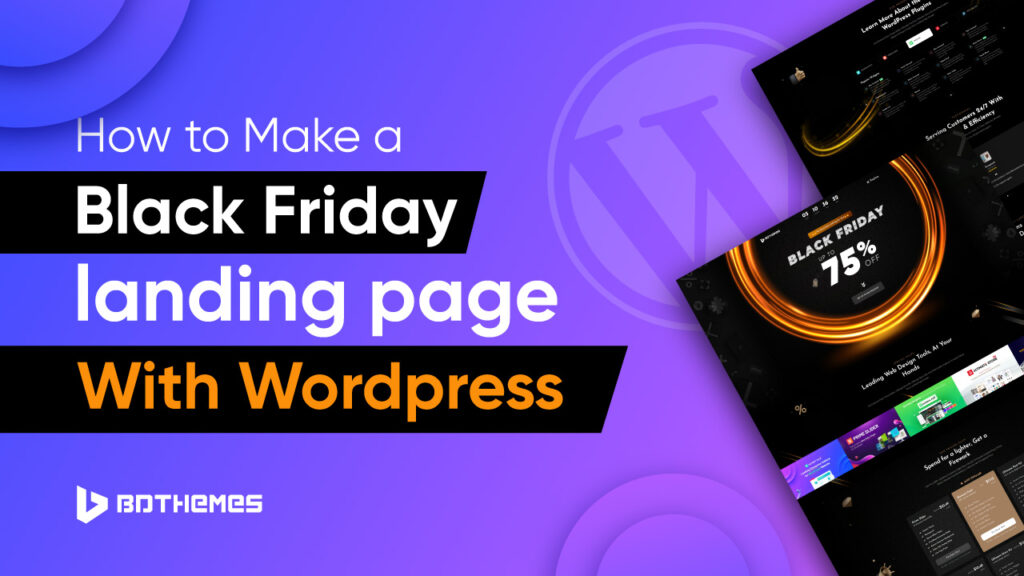
By focusing on effective headlines and compelling calls-to-action, your PPC ads can significantly increase engagement and drive desired customer responses, ultimately paving the way for greater success in your marketing efforts.
Optimizing Landing Pages
Design Best Practices
After crafting compelling ad copy, the next critical step is optimizing your landing pages to ensure visitors convert into customers. The design of your landing page plays a pivotal role in this process.
To create an effective landing page, consider these best practices:
- Keep it simple: A clutter-free design helps guide visitors’ attention to your main message and call-to-action.
- Mobile responsiveness: With more people browsing on mobile devices, ensure your landing page looks great and functions smoothly on all screen sizes.
- Consistent branding: Use colors, fonts, and images that align with your brand to reinforce identity.
Integrating these elements can significantly enhance user experience and engagement.
A/B Testing for Conversion Rate Optimization
Once your landing page is live, how do you know it’s effective? That’s where A/B testing comes into play. This method involves comparing two versions of a page to see which performs better.
- Identify variables: Test different headlines, images, or CTAs to pinpoint what resonates most with your audience.
- Analyze results: Use analytics tools to track metrics like click-through rates and conversions.
- Iterate continuously: Based on your findings, make informed adjustments for continuous improvement.
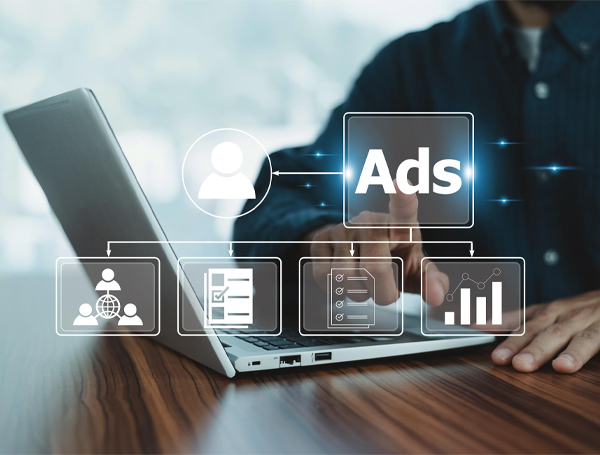
By implementing design best practices and A/B testing, businesses can fine-tune their landing pages, ultimately boosting conversion rates and maximizing the ROI of their PPC campaigns.
Monitoring and Analyzing Results
Tracking Key Metrics
With a well-optimized landing page in place, it’s time to dive into monitoring and analyzing results to determine the effectiveness of your PPC efforts. Tracking key metrics is essential for understanding how your campaigns are performing.
Focus on these important metrics:
- Click-Through Rate (CTR): This indicates how many users clicked on your ad compared to how many times it was shown. A low CTR could signal the need for better ad copy or targeting.
- Conversion Rate: This measures how many visitors take the desired action (like making a purchase) after clicking your ad. Higher conversion rates mean your landing page is doing its job.
- Cost Per Acquisition (CPA): This metric helps you understand what you’re spending to gain a new customer. If the CPA is too high, it might indicate a need to reassess your bidding strategy or ad targeting.
Making Data-Driven Decisions
Once you’ve tracked these metrics, it’s time to turn data into actionable insights. Making data-driven decisions is key to refining your PPC strategy.
- Identify trends: Look for patterns in user behavior and responses to your ads.
- A/B test continuously: Use the insights gained from tracking metrics to inform your next round of A/B tests.
- Adjust strategies: If certain ads perform better, allocate more budget to these high-performing campaigns and consider phasing out underperforming ones.
By diligently monitoring key metrics and making informed decisions, you can optimize your PPC campaigns for success, ensuring you stay ahead in the competitive Philadelphia market.
Localizing Your PPC Strategy
Geo-Targeting in Philadelphia
To truly maximize the impact of your PPC campaigns, localizing your strategy is essential, particularly in a vibrant city like Philadelphia. One of the most effective ways to do this is through geo-targeting. By specifying geographic parameters, your ads will only be shown to users within your targeted areas.
Here are a few advantages of geo-targeting:
- Reach nearby customers: Capture the attention of local residents actively searching for your products or services.
- Personalized messaging: Tailor your ad copy to reflect community events or popular local interests, making your message resonate more with your audience.
- Budget efficiency: By focusing only on relevant geographic areas, you avoid wasting ad spend on users outside your target market.
Leveraging Local Keywords
Another key component of localizing your PPC strategy is leveraging local keywords. Using phrases that include geographic identifiers can significantly enhance your ad visibility to local searchers.
- Incorporate city-specific terms: For example, if you own a pizza shop, use keywords like “best pizza in Philadelphia” or “South Philly pizza delivery.”
- Monitor local trends: Stay attuned to local events or trending topics that may provide fresh keyword opportunities.
- Utilize long-tail keywords: They often have less competition and higher conversion rates, reflecting a specific need, like “family-friendly restaurants near Rittenhouse Square.”
By effectively implementing geo-targeting and leveraging local keywords, your PPC strategy can thrive in Philadelphia’s competitive landscape, driving more relevant traffic and boosting conversions.
Integrating PPC with SEO Efforts
Synergies between PPC and SEO
As businesses strive for online visibility, integrating Pay-Per-Click (PPC) advertising with Search Engine Optimization (SEO) can create powerful synergies. While these strategies often exist independently, their combination can enhance overall performance.
Consider this: PPC provides immediate visibility, allowing your brand to appear at the top of search results right away. Meanwhile, SEO builds long-term organic traffic. By aligning these two approaches, you can:
- Maximize exposure: With your PPC ads and organic listings appearing together, users are more likely to view your brand as credible and trustworthy.
- Gain insights for SEO: Monitor which keywords drive the most traffic in your PPC campaigns, and adapt your SEO strategy accordingly.
Enhancing Organic Visibility through PPC
PPC can also significantly enhance your organic visibility. When you run targeted ads, you gather data on what resonates with your audience. This insight can inform not just your PPC campaigns but also your SEO efforts.
- Test content: Use PPC to test different ad copy, headlines, and landing pages. The successful elements can be integrated into your SEO-driven content strategy.
- Drive initial traffic: Launching PPC campaigns alongside your SEO efforts can help generate immediate traffic to new pages, improving engagement metrics which positively affect organic rankings.
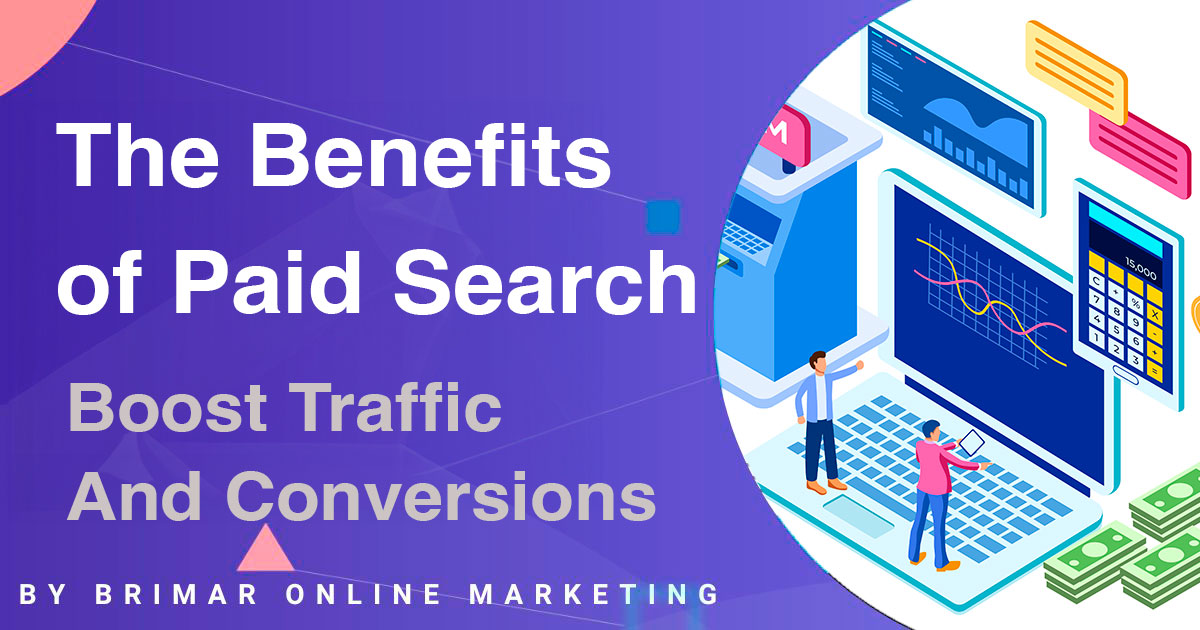
By combining PPC with SEO, businesses can create a cohesive online strategy that drives traffic, increases brand exposure, and fosters sustainable growth.

Adapting to Trends and Algorithm Changes
Staying Updated with Industry News
In the ever-evolving landscape of digital marketing, adapting to trends and algorithm changes is vital to the success of your PPC campaigns. Staying updated with industry news can help businesses navigate shifts that could impact their advertising strategies.
Here are some effective ways to keep informed:
- Follow industry blogs: Websites like Search Engine Land and Marketing Land regularly publish insights on algorithm changes and new PPC strategies.
- Join online communities: Platforms like LinkedIn and Reddit have groups dedicated to digital marketing where professionals share insights and tips.
- Attend webinars and conferences: These events often feature industry leaders discussing the latest trends and best practices.
By actively engaging with the latest news, your business can stay ahead of changes that may affect your PPC efforts.
Flexibility in PPC Strategy
Flexibility in your PPC strategy is equally important. Being able to pivot your approach in response to new trends or insights can make all the difference in campaign performance.
- Regularly review performance metrics: Instead of being set in your ways, analyze your ad performance and be ready to make adjustments based on what you learn.
- Experiment with new features: Ad platforms often roll out new tools or targeting options. Don’t hesitate to test these out to see how they can enhance your strategy.
- Adapt to seasonality: Be prepared to adjust your campaigns based on seasonal trends or market demands.
By embracing flexibility and remaining informed about industry changes, businesses can ensure their PPC strategies are always optimized for success in an unpredictable digital landscape.

Case Studies and Success Stories
Real-Life Examples
Looking at real-life examples can be incredibly enlightening when it comes to PPC strategies. Consider a local fitness studio in Philadelphia that launched a targeted PPC campaign focusing on “group fitness classes near me.” Within weeks, the studio saw a remarkable increase in inquiries and sign-ups.
By utilizing specific geo-targeted keywords combined with compelling ad copy highlighting their unique offerings, they effectively attracted new customers.
Another example is an e-commerce business that integrated their PPC efforts with seasonal promotions. By running a campaign focused on “Back to School Sales,” they not only boosted immediate traffic but also built brand awareness among new consumers.
Lessons Learned
These success stories provide valuable lessons for businesses looking to enhance their own PPC strategies:
- Niche targeting is key: Identify and focus on specific segments of your market for more effective campaigns.
- Adapt to seasonal trends: Leverage current events or seasonal themes to resonate more with your audience.
- Monitor and iterate: Regular analysis of your campaigns and responsiveness to data can drive continuous improvement.
By studying these case studies, businesses can derive inspiration and actionable insights to refine their PPC approaches, increasing the chances of their own success in an unpredictable market.
Conclusion
Recap of Key Points
As we wrap up our journey through the world of PPC advertising, let’s briefly revisit the key points we’ve covered.
- Understanding the Philadelphia market is crucial for tailoring your campaigns to meet local consumer behaviors.
- Setting up effective PPC campaigns involves thorough keyword research and smart budget allocation.
- Crafting compelling ad copy with effective headlines and strong calls-to-action maximizes user engagement.
- Optimizing landing pages and consistent monitoring enhances conversion rates.
- Localizing your strategy through geo-targeting and local keywords significantly boosts relevance.
- Integrating PPC with SEO efforts can create synergies that further enhance visibility.
Next Steps for Improving Business Visibility
Now that you have a comprehensive understanding of these strategies, what are your next steps?
- Conduct a market analysis: Dive deeper into your local demographic to refine your targeting.
- Review your current PPC campaigns: Identify strengths and weaknesses in your existing strategies.
- Implement A/B testing: Experiment with different ad copies and landing pages to see what resonates best.
- Stay informed: Regularly update yourself on industry news to adjust your approach as needed.
By taking these steps, you’ll not only improve your PPC effectiveness but also boost your overall business visibility in Philadelphia’s competitive market. Embrace the journey toward growth, and let data-driven strategies guide your way forward!