

Understanding Pay-Per-Click Ads
How PPC Advertising Works
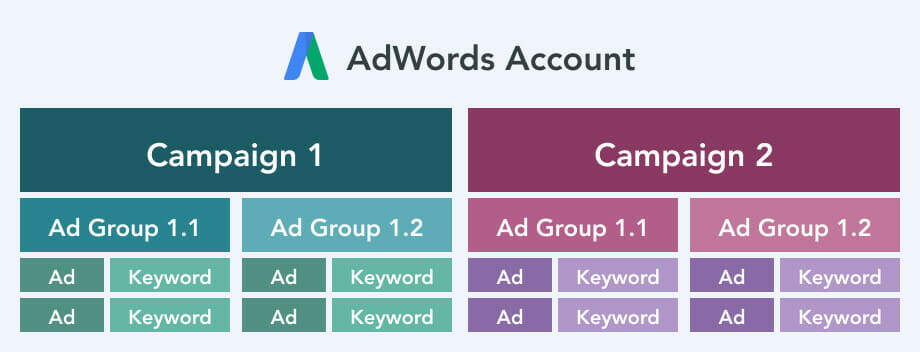
Pay-Per-Click (PPC) advertising is a powerful online marketing model that enables businesses to reach their target audience quickly and effectively. Advertisers create ads and bid on specific keywords; when a user searches for those keywords, the ads may appear at the top of the search results.
The beauty of PPC lies in its simplicity:
- Advertisers only pay when someone clicks their ad.
- Ads can be targeted to specific demographics, locations, and interests.
- Detailed analytics track the performance of ads to optimize strategies over time.
A personal example: when searching for running shoes, an ad for a well-known sports brand caught my eye. They invested in PPC by using relevant keywords, ensuring their ad appeared right when I needed assistance.
Benefits of Using PPC for Driving Traffic
Using PPC for driving traffic offers numerous advantages, including:
- Immediate results : Unlike organic search efforts that may take time to generate traffic, PPC delivers instant visibility.
- Cost-effective : With the right strategy, businesses can control budgets and spend only what they choose.
- High return on investment (ROI) : Targeted traffic often leads to higher conversion rates.
In essence, PPC is a strategic way for businesses to enhance their online presence and drive quality traffic to their websites.
Choosing the Right Keywords for PPC Campaigns
Conducting Keyword Research
Once a business decides to dive into the world of PPC, the first crucial step is conducting thorough keyword research. This foundational activity sets the stage for a successful campaign. It involves identifying the terms and phrases potential customers are using to find products or services.
Here are some effective strategies for conducting keyword research:
- Use Keyword Tools : Tools like Google Keyword Planner and Ahrefs can uncover high-traffic keywords in your niche.
- Analyze Competitors : Check out the keywords your competitors are bidding on; it can reveal valuable insights.
- Consider Search Intent : Understand whether users are looking to buy, learn, or compare, which will help tailor your keyword selection.
A personal anecdote comes to mind: when I was launching an online store, focusing on “eco-friendly products” versus just “products” yielded significantly better results!
Implementing Negative Keywords Effectively
While choosing the right keywords is essential, incorporating negative keywords is equally important in refining PPC campaigns. Negative keywords prevent ads from appearing for irrelevant searches, saving both budget and improving ad relevance.
Here’s how to implement them effectively:
- Identify Common Misinterpreted Terms : If you sell premium products, you might want to add “cheap” as a negative keyword.
- Regularly Review Search Queries : Analyze which queries triggered your ads and identify terms that should be excluded.
By diligently researching keywords and adding negative keywords, businesses can optimize their PPC campaigns for better performance and increased conversion rates.
Crafting Compelling Ad Copy
Writing Engaging Headlines
After selecting the right keywords, the next step in a successful PPC campaign is crafting compelling ad copy. The heart of your ad begins with the headline, which should grab attention and entice users to click.
Here are some tips for writing engaging headlines:
- Be Clear and Concise : Use straightforward language that immediately communicates the value of your offer.
- Use Action Words : Verbs like “Discover,” “Unlock,” or “Get” can create a sense of urgency.
- Incorporate Keywords : Including relevant keywords can boost relevance and improve Quality Score.
For instance, when promoting a summer sale for outdoor gear, a headline like “Grab Your Summer Gear – Up to 50% Off Today!” effectively captures attention and informs the reader of the offer’s benefits.
Creating Strong Calls-to-Action
Next comes the Call to Action (CTA), which is a critical component that can significantly affect conversion rates. A strong CTA compels users to take the desired action after clicking the ad.
To create effective CTAs, consider these strategies:
- Be Direct : Use phrases like “Shop Now,” “Sign Up Today,” or “Get Your Free Trial.”
- Highlight Benefits : Let the user know what they’ll gain from clicking, such as “Download Your Free Guide for Expert Tips.”
Creating engaging headlines and strong CTAs is essential for maximizing the effectiveness of PPC ads, leading to increased clicks and conversions for your campaigns.

Optimizing Landing Pages for Conversions
Designing High-Converting Landing Pages
Once users click on a PPC ad, the next crucial step is leading them to a well-optimized landing page. The design and content of this page can significantly impact conversion rates.
To create high-converting landing pages, consider these key elements:
- Clear Value Proposition : Immediately communicate what sets your offering apart. A catchy subheading can support this.
- Visual Appeal : Use appealing visuals and a clean layout that guides the user’s eye toward important information.
- Focus on User Experience : Make navigation intuitive, ensuring users can find what they’re looking for quickly.
For example, when I revamped a landing page for a digital marketing course, I highlighted success stories and used engaging graphics. This simple change increased conversion rates notably!
Conducting A/B Testing for Landing Pages
To further enhance performance, conducting A/B testing is essential. This process involves creating two variations of a landing page to determine which one performs better.
Key strategies for effective A/B testing include:
- Change One Element at a Time : Focus on specific changes, such as headlines, images, or CTA buttons, to identify what drives success.
- Gather Data : Use metrics like conversion rates and user engagement to assess each variation’s effectiveness.
By combining high-quality landing page design with ongoing A/B testing, businesses can continually increase conversions and maximize their PPC campaign results.
Monitoring and Analyzing PPC Campaign Performance
Tracking Key Metrics
Once a PPC campaign is up and running, the next vital step is monitoring and analyzing its performance. To truly understand how well your ads are doing, tracking key metrics is essential.
Some fundamental metrics to keep an eye on include:
- Click-Through Rate (CTR) : This measures how often people click your ad versus how often it’s shown. A high CTR indicates that your ad is compelling.
- Conversion Rate : This shows the percentage of visitors who take the desired action, such as making a purchase or signing up for a newsletter.
- Cost Per Click (CPC) : Understanding the average amount spent per click helps in managing budgets and ROI.
For example, when I first started monitoring my PPC campaigns, I noted that a particular ad had a high CTR but a low conversion rate, which indicated that while the ad was appealing, the landing page may not have aligned well with user expectations.
Making Data-Driven Decisions
With key metrics in hand, the next step is making data-driven decisions. It’s important to analyze the collected data to optimize future strategies.
This can include:
- Identifying Trends : Understanding which ads perform best at certain times or demographics can guide future campaigns.
- Adjusting Budgets : Allocate more funds to top-performing campaigns and reduce spend on underperforming ones.
By consistently tracking key metrics and making informed decisions, businesses can enhance their PPC efforts and achieve better results over time.

Enhancing Conversion Rates through Remarketing
Setting Up Remarketing Campaigns
After closely monitoring PPC campaigns and analyzing performance, businesses can take their strategies further by setting up remarketing campaigns. Remarketing allows you to target users who have previously interacted with your website but didn’t complete a desired action, such as making a purchase.
To effectively set up remarketing campaigns, follow these steps:
- Choose the Right Platform : Many platforms, like Google Ads, provide robust options for remarketing. Select one that aligns best with your audience.
- Define Target Audiences : Segment visitors based on their behavior—those who viewed specific products, added items to their cart, or visited your site multiple times.
- Create Engaging Ads : Design ads that resonate with the specific interests of these visitors, reminding them of what they left behind.
I remember setting up a remarketing campaign for an e-commerce store where we focused on users who abandoned their carts. The tailored ads led to a significant increase in sales!
Tailoring Ads to Previous Visitors
Once your remarketing campaigns are in place, tailoring ads to previous visitors becomes crucial. Personalized ads can drive higher engagement and conversion rates.
Consider these strategies:
- Dynamic Ads : These ads automatically show products that users viewed, creating a personalized shopping experience.
- Special Offers : Incentivize return visits with exclusive discounts or promotions tailored to visitors’ past behaviors.
By effectively setting up remarketing campaigns and customizing ads for previous visitors, businesses can significantly enhance their conversion rates and harness the potential of those already interested in their products.
Leveraging Ad Extensions for Better Results
Understanding Different Ad Extensions
To enhance the effectiveness of PPC campaigns, leveraging ad extensions is a game-changer. Ad extensions provide additional information about your business and can significantly improve click-through rates. They allow ads to stand out in search results and can offer valuable insights to potential customers.
Here are some common types of ad extensions to consider:
- Sitelink Extensions : Direct users to specific pages on your website rather than just the homepage.
- Call Extensions : Enable users to call your business directly from the ad, offering a channel for immediate inquiries.
- Location Extensions : Help users find your physical store by displaying your address and proximity.
- Callout Extensions : Highlight special features or offers, such as free shipping or 24/7 customer support.
For instance, when I tailored ads using sitelink extensions, I noticed an uptick in user engagement as visitors could quickly access testimonials, pricing, and service details.
Using Sitelink and Callout Extensions Effectively
To maximize results, it’s essential to use sitelink and callout extensions strategically.
For sitelink extensions:
- Choose Relevant Pages : Direct visitors to high-conversion pages, such as product categories or promotional offers.
For callout extensions:
- Focus on Unique Selling Points : Use concise language to highlight what sets your business apart.
By effectively implementing ad extensions, businesses can enhance visibility, improve user experience, and ultimately achieve better results in their PPC campaigns.