
Understanding SEO Tools for Online Branding
Overview of SEO Tools
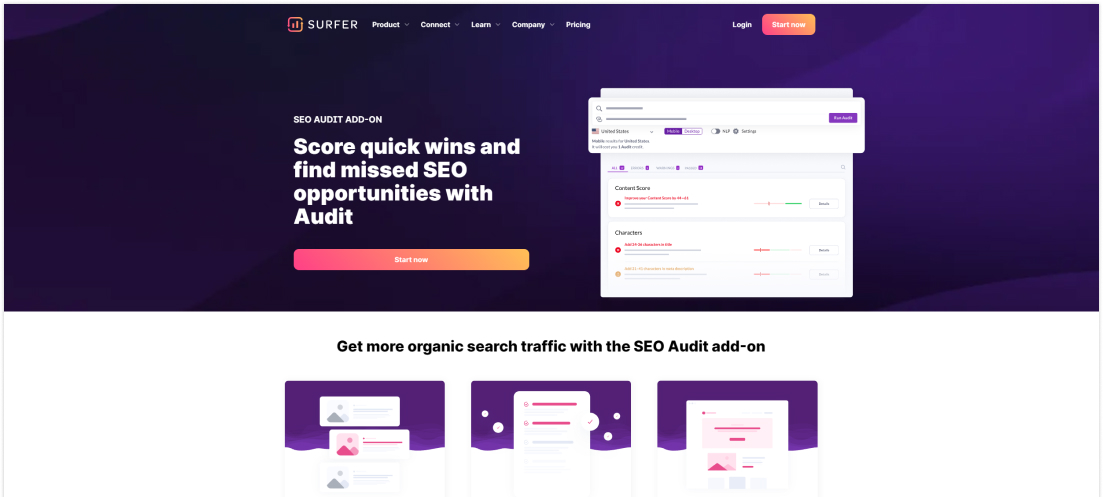
In today’s digital age, SEO tools are essential allies in the quest for brand visibility and online success. These tools vary widely, catering to different aspects of search engine optimization. They assist in tasks ranging from keyword research to technical audits, enabling brands to fine-tune their digital strategies effectively.
Some of the most common types of SEO tools include:
- Keyword Research Tools : Identify the best keywords to target for content and branding.
- On-Page SEO Tools : Help optimize individual pages for search engines.
- Analytics Tools : Track website performance and SEO success metrics.
Importance of SEO Tools in Online Branding
For brands looking to establish a strong online presence, utilizing SEO tools is crucial. They provide crucial insights and data that lead to informed decision-making.
For example, when a brand uses keyword research tools, they can uncover high-traffic terms that resonate with their audience. This leads to:
- Increased organic traffic
- Enhanced user engagement
- Higher conversion rates
In essence, leveraging SEO tools not only elevates a brand’s visibility but also helps create a robust digital identity that resonates with the target audience.
Keyword Research Tools
Popular Keyword Research Tools
Once you’ve established the importance of SEO tools for branding, let’s delve into one of the most pivotal aspects: keyword research. Understanding what potential customers are searching for is like having a map in an unfamiliar territory. Here are some popular keyword research tools widely used by digital marketers:
- Google Keyword Planner : Ideal for AdWords campaigns and provides insights directly from Google.
- Ahrefs : Offers a comprehensive keyword explorer that reveals search volume, keyword difficulty, and more.
- SEMrush : This all-in-one tool provides keyword suggestions and analysis of competitors’ keywords.
- Ubersuggest : A user-friendly tool perfect for beginners, offering keyword ideas and related searches.
How to Effectively Use Keyword Research Tools
Now that you know the tools, let’s explore how to use them effectively. Start by identifying your niche and audience. For instance, if you run a local bakery, you might want to search for terms like “best cupcakes in town.”
Here’s how to maximize your research:
- Identify Seed Keywords : Start with broad terms related to your business.
- Analyze Competitors : Use the tools to see what keywords competitors rank for.
- Long-Tail Keywords : Focus on longer, more specific phrases that can drive targeted traffic.
- Monitor Trends : Regularly check for changes in keyword popularity to stay ahead.
By strategically using these keyword research tools, brands can ensure they’re speaking directly to their audience, driving meaningful engagement.

On-Page SEO Tools
Importance of On-Page SEO
With a solid keyword foundation established, it’s vital to turn attention to on-page SEO. Think of on-page SEO as the blueprint of your website, determining how well your pages can rank and engage visitors. Why does it matter?
On-page SEO optimizes individual web pages to drive relevant traffic. Here are some key benefits:
- Improved Rankings : Well-optimized pages are more likely to appear higher in search results.
- Enhanced User Experience : Proper formatting, images, and content contribute to a better overall experience for visitors.
- Higher Conversion Rates : Visitors who find relevant content are more likely to take action, be it purchasing or signing up for a newsletter.
Tools for Optimizing On-Page SEO
To effectively enhance on-page SEO, brands can utilize several tools. These tools help analyze and suggest improvements for various elements of a webpage. Popular options include:
- Yoast SEO : A plugin for WordPress that analyzes content readability and keyword usage.
- Moz Pro : Offers page optimization insights and checks for necessary changes.
- Screaming Frog : Performs site audits to identify on-page errors like broken links or missing meta tags.
By leveraging these on-page SEO tools, brands can ensure their content is not only search engine-friendly but also user-centric, paving the way for increased engagement and conversions.

Off-Page SEO Tools
Enhancing Brand Visibility with Off-Page SEO
After establishing on-page SEO strategies, it’s essential to turn your focus to off-page SEO, a crucial component of any branding strategy. Off-page SEO refers to all the activities that take place outside your website to enhance its visibility, reputation, and authority.
This aspect of SEO plays a significant role in how your brand is perceived online. For instance, when other reputable websites link back to yours, it builds credibility and trust among users and search engines alike.
Here are a few key benefits of off-page SEO:
- Increased Traffic : Quality backlinks can drive referral traffic to your site.
- Brand Authority : Being cited by high-authority sites boosts your brand’s reputation.
- Greater Search Rankings : Search engines like Google consider off-page signals when ranking websites.
Tools for Off-Page SEO Strategies
To effectively execute off-page strategies, brands can leverage several tools to analyze their online presence and manage backlinks. Popular options include:
- Ahrefs : Great for tracking backlinks and analyzing competitors’ link profiles.
- Moz Link Explorer : Offers insights into the number and quality of links pointing to your site.
- BuzzSumo : Helps identify influencers in your niche for potential partnerships.
By employing these off-page SEO tools, brands can improve their online visibility, establish industry authority, and ultimately drive more targeted traffic to their websites.
SEO Analytics Tools
Tracking and Measuring SEO Success
Having implemented off-page SEO strategies, the next step is to track and measure the success of these efforts. SEO analytics tools are essential for providing insights into how various strategies are performing. They allow brands to assess website traffic, keyword ranking changes, and other vital metrics that reflect SEO success.
For instance, by monitoring organic traffic, a brand can determine which content resonates and whether specific keywords lead to conversions. Here are some key metrics to focus on:
- Organic Traffic : The number of visitors coming from search engines.
- Bounce Rate : The percentage of visitors who leave after viewing only one page.
- Conversion Rate : The ratio of visitors who take desired actions like signing up or making a purchase.
Top SEO Analytics Tools for Branding
To streamline the tracking process, various SEO analytics tools are available:
- Google Analytics : Offers comprehensive insights into user behavior and site performance.
- Google Search Console : Helps monitor website health and keyword performance in Google searches.
- SEMrush : Provides competitive analysis and keyword tracking features.
By leveraging these tools, brands can gain valuable insights into their SEO efforts, allowing them to refine strategies and drive more effective branding initiatives.
Technical SEO Tools
Improving Website Performance with Technical SEO
Following the analysis and refinement of SEO strategies, it’s crucial to address technical SEO. This aspect focuses on backend optimizations that enhance website performance and improve user experience. Think of technical SEO as the foundation of your house; without a solid base, everything else can crumble.
Technical SEO affects:
- Site Speed : Faster loading times lead to better user experiences and lower bounce rates.
- Mobile Usability : As more users access websites on mobile devices, optimizing for mobile is essential.
- Crawlability : Ensuring search engines can easily crawl and index your content improves visibility.
With effective technical SEO practices, brands can provide a seamless experience that keeps visitors coming back.
Tools for Implementing Technical SEO Strategies
To implement technical SEO strategies successfully, brands can utilize various tools:
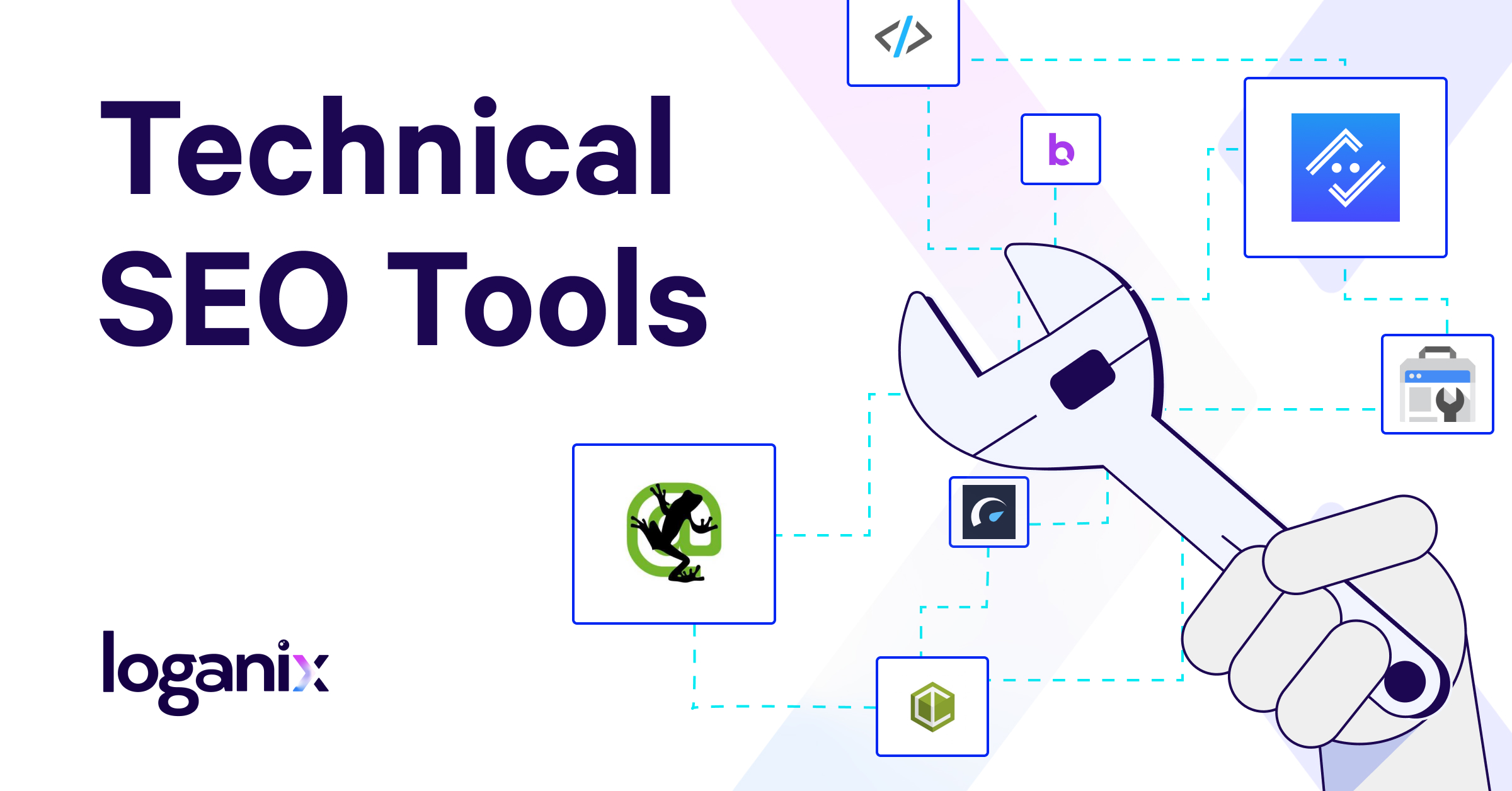
- Google PageSpeed Insights : Analyzes page speed and provides suggestions for improvement.
- GTmetrix : Offers detailed reports on website performance and loading times.
- Screaming Frog : Performs comprehensive site audits for identifying issues like broken links and duplicate content.
Using these tools allows brands to address technical challenges proactively, ensuring that their websites are optimized for both users and search engines alike.

Local SEO Tools
Importance of Local SEO for Branding
After refining technical aspects of your website, it’s time to focus on local SEO, especially if your brand serves a specific geographic area. Local SEO is crucial as it helps businesses connect with customers in their vicinity. Think about how often you search for “best coffee shop near me” or “plumber in [your city].” These searches highlight the need for a robust local SEO strategy to be found by potential customers.
The significance of local SEO extends beyond mere visibility. Here are a few key benefits:
- Increased Foot Traffic : Appearing in local search results can lead to more physical visits.
- Community Connection : A strong local presence can foster relationships and build brand loyalty.
- Higher Conversion Rates : Locally-targeted searches often indicate purchasing intent, resulting in higher conversions.
Tools for Local SEO Optimization
To enhance local SEO efforts, brands can leverage several specialized tools:
- Google My Business : Essential for managing your online presence in local search results.
- Moz Local : Helps optimize and manage local listings across various directories.
- Yelp : Important for reputation management and engagement with local customers.
These tools ensure that local businesses can effectively showcase their brand, connect with their community, and drive traffic both online and offline.
Mobile SEO Tools
Optimizing Brand Visibility on Mobile Devices
As we transition from local SEO, it’s essential to recognize the significance of mobile SEO in today’s digital landscape. With an increasing number of users accessing the internet via smartphones, optimizing your brand for mobile devices is no longer optional; it’s a necessity.
Consider this: when you search for information or services on your phone, you expect quick, relevant results. A website that isn’t mobile-friendly can frustrate users and lead to high bounce rates. Here’s why mobile SEO matters:
- Improved User Experience : A responsive design ensures seamless navigation on smaller screens.
- Higher Rankings : Search engines, like Google, prioritize mobile-friendly websites in their rankings.
- Broader Reach : Capturing the mobile audience allows brands to engage with potential customers anytime, anywhere.
Tools for Mobile SEO Optimization
To effectively optimize for mobile, brands can utilize various tools:
- Google Mobile-Friendly Test : Analyzes whether your website design meets mobile usability standards.
- GTmetrix : Offers insights into page speed and performance specifically for mobile devices.
- BrowserStack : Allows testing across various mobile devices and browsers to ensure consistent performance.
By leveraging these mobile SEO tools, brands can enhance their visibility on mobile platforms, ultimately connecting with users more effectively and driving higher engagement.
Emerging Trends in SEO Tools
AI-Powered SEO Tools
As the digital landscape evolves, emerging trends in SEO tools are shaping how brands approach their search engine optimization strategies. One of the most significant developments is the rise of AI-powered SEO tools. These innovative tools leverage artificial intelligence to streamline various aspects of SEO, making the optimization process smarter and more efficient.
For instance, AI can analyze vast amounts of data to identify trends and user behavior patterns, allowing marketers to make more informed decisions. Key benefits include:
- Enhanced Keyword Suggestions : AI tools can provide more targeted keyword recommendations based on real-time data.
- Content Optimization : Tools like Clearscope use AI to suggest content improvements that enhance relevancy and engagement.
- Automated Reporting : AI can generate insights and reports faster, saving valuable time.
Voice Search Optimization Tools
Another rapidly growing trend is the emergence of voice search optimization tools. With the proliferation of smart speakers and virtual assistants, optimizing for voice search is crucial for brands that want to stay competitive. With more people asking questions verbally rather than typing, it changes the way users conduct their searches.
Key aspects of optimizing for voice search include:
- Conversational Keywords : Understanding how people speak while searching helps to tailor content appropriately.
- Structured Data : Using schema markup can help search engines understand your content better, making it more easily accessible through voice search.
As brands adapt to these advancements in SEO tools, embracing AI and voice search strategies will be fundamental to driving online visibility and engagement in the future.
Choosing the Right SEO Tools for Your Brand
Factors to Consider
As the SEO landscape becomes increasingly sophisticated, choosing the right SEO tools for your brand is essential for effective optimization strategies. With so many options available, it’s important to consider several key factors:
- Budget : Determine how much you can allocate to SEO tools. There are excellent free options, as well as premium tools that offer advanced features.
- Specific Needs : Assess what aspects of SEO you need the most help with—keyword research, link building, technical audits, etc.
- Ease of Use : Look for tools that offer intuitive interfaces. The last thing you want is to struggle with complex software when you’re trying to optimize your site.
Best Practices in Selecting SEO Tools
Once you’ve identified your needs, there are best practices to follow when selecting tools:
- Trial Periods : Take advantage of free trials or demos to test features before committing.
- User Reviews : Read online reviews or case studies from other users to gauge effectiveness and reliability.
- Scalability : Choose tools that can grow with your business needs, offering additional features as your brand expands.
By thoughtfully considering these factors and best practices, brands can effectively choose the right SEO tools that align with their goals and objectives, ultimately enhancing their online presence.
Implementing SEO Tools for Online Branding Success
Integration of SEO Tools into Branding Strategy
Once you’ve selected the right SEO tools, it’s time to integrate them into your overall branding strategy. Think of SEO as a foundation upon which your brand can flourish. To maximize impact, align your SEO efforts with your branding goals.
Here are some strategies for seamless integration:
- Content Alignment : Ensure that your keywords and topics resonate with your brand message and customer interests.
- Consistency Across Platforms : Use your SEO tools to maintain consistent branding and messaging across your website, social media, and other digital channels.
- Collaborative Approach : Encourage input from your marketing and content teams when using SEO data to create compelling, targeted content.
Measuring the Impact of SEO Tools
The final piece of the puzzle is measuring the impact of your SEO tools on your branding efforts. Regularly assess key performance indicators (KPIs) such as:
- Organic Traffic Growth : Monitor the increase in visitors coming from search engines.
- Conversion Rates : Evaluate how many visitors take desired actions after arriving at your site.
- User Engagement Metrics : Analyze bounce rates and time spent on pages.
By consistently monitoring these metrics, you can adjust your strategies based on performance, ensuring your brand remains dynamic and responsive to user needs. This ongoing cycle of integration and measurement will help solidify your brand’s presence in the increasingly competitive online landscape.

XII. Conclusion
Recap of Benefits of Using SEO Tools
Throughout this journey of exploring SEO tools, it’s clear how essential these resources are for boosting your brand’s online presence. From keyword research to mobile optimization, SEO tools provide invaluable insights and capabilities that enhance overall strategies. Here’s a quick recap of the benefits:
- Improved Visibility : Effective use of SEO tools can significantly increase your website’s visibility in search engine results.
- Data-Driven Decisions : With detailed analytics, brands can make informed choices that align with audience preferences.
- Enhanced User Experience : Optimizations derived from SEO insights lead to more engaging and accessible websites.
Final Thoughts on Elevating Online Branding with SEO Tools
As we conclude, embracing SEO tools represents a proactive approach to navigating the digital marketplace. It isn’t just about being found online; it’s about connecting with the right audience in meaningful ways.
Consider your brand’s unique goals and challenges as you implement these tools. With the right mix of strategy, measurement, and refinement, you can elevate your branding significantly. Ultimately, investing in SEO tools isn’t just a technical necessity; it’s a powerful strategy for fostering enduring relationships with your audience and driving sustainable growth.