

Understanding SEO in 2023
Definition and Evolution of SEO
Search Engine Optimization (SEO) is the practice of enhancing a website’s visibility on search engines, with the goal of attracting more organic traffic. Back in the early days of the internet, SEO was primarily about keyword stuffing and link exchanges. However, as search engines evolved, so did SEO strategies. Today, it encompasses a wide range of factors, including user experience, mobile optimization, and content quality.
Take Google, for example. Over the years, it has continually refined its algorithms—shifting focus from simple keyword matching to understanding context and user intent. Consequently, modern SEO requires a more sophisticated approach, which includes understanding audience behavior and deploying advanced techniques.
Significance of SEO for Websites
The significance of SEO cannot be overstated, as it plays a crucial role in the success of any website. Here are some reasons why effective SEO is indispensable in 2023:
- Increased Visibility : A well-optimized website is more likely to appear on the first page of search results, increasing the chances of attracting visitors.
- Cost-Effective Marketing : Unlike pay-per-click advertising, organic traffic from SEO is essentially free, making it a long-term investment.
- Enhanced User Experience : SEO involves improving site structure and content, which leads to a better overall user experience.
- Credibility and Trust : Higher rankings often convey a sense of credibility. Users are more inclined to trust websites that appear at the top of search results.
In short, investing in SEO is vital for any business looking to thrive online in 2023 and beyond.

Technical SEO Best Practices
Website Speed Optimization
As we delve into Technical SEO, one of the foremost aspects is website speed optimization. A slow-loading website can frustrate users and lead to high bounce rates. Take, for instance, a personal experience: while browsing for a new gadget, I often abandon sites that take more than a few seconds to load. Statistics show that 53% of mobile users will leave a page if it takes longer than three seconds to load.
To optimize website speed, consider these practices:
- Image Compression : Reducing image file sizes without sacrificing quality can significantly improve load times.
- Minify CSS, HTML, and JavaScript : This process removes unnecessary characters from code, making files smaller.
- Use a Content Delivery Network (CDN) : CDNs distribute your content across multiple servers, thus decreasing load times for users around the world.
Mobile-Friendliness and Responsiveness
Next up is mobile-friendliness. With over 50% of global web traffic coming from mobile devices, having a responsive website is non-negotiable.
A responsive site adapts to different screen sizes and orientations, ensuring users have a seamless experience. To enhance mobile-friendliness:
- Use Responsive Design : Utilize CSS media queries to create designs that fit all screen sizes.
- Optimize Touch Elements : Ensure buttons and links are easy to click on mobile devices, without overcrowding.
Schema Markup Implementation
Finally, schema markup can take your SEO to the next level. This structured data helps search engines understand the context of your content better, resulting in rich snippets in search results.
For instance, if you run a local bakery, implementing schema for your menu items can help display prices and availability directly in search results. This not only boosts visibility but can significantly attract more clicks.
In summary, prioritizing technical SEO best practices like website speed optimization, mobile-friendliness, and schema markup implementation lays a solid foundation for your overall SEO strategy in 2023.
On-Page SEO
Keyword Research and Optimization
Transitioning into On-Page SEO, we encounter the foundational aspect of keyword research and optimization. Effective keyword research identifies the terms your audience is using to find products or services similar to yours. A personal anecdote: I recently started a blog about gardening. By researching keywords like “urban gardening tips” rather than just “gardening,” I could reach a more targeted audience.
To optimize keywords:
- Use Tools : Platforms like Google Keyword Planner and Ahrefs aid in discovering keywords with high search volume and low competition.
- Incorporate Naturally : Place your selected keywords in the first paragraph, headers, and throughout the content without sounding forced.
Content Quality and Relevance
Next, content quality and relevance remain paramount. Search engines prioritize valuable and informative content that addresses user intents. When I write my gardening posts, I always think about what questions my audience may have.
Here are some tips to ensure high-quality content:
- Answer User Queries : Research common questions and provide thorough answers.
- Update Regularly : Refresh outdated content to maintain its relevance.
Title Tags, Meta Descriptions, and Headers
Finally, let’s discuss the significance of title tags, meta descriptions, and headers. These elements help search engines understand and categorize your content effectively.
- Title Tags : Keep them under 60 characters and include primary keywords.
- Meta Descriptions : Summarize your content in a compelling 150-160 characters to encourage clicks.
- Headers : Use H1, H2, and H3 tags appropriately to structure your content, making it easier for users and search engines to navigate.
In summary, mastering on-page SEO techniques like keyword optimization, content quality, and strategic use of title tags and headers can significantly enhance your website’s performance in search results.

Off-Page SEO Strategies
Backlink Building and Quality
Moving on to Off-Page SEO strategies, one of the most crucial components is backlink building. High-quality backlinks serve as votes of confidence from other websites, indicating that your content is valuable. In my experience running a travel blog, I discovered that reaching out to other bloggers for guest post opportunities not only provided valuable backlinks but also broadened my audience.
To successfully build backlinks, consider the following:
- Guest Posting : Offer to write articles for reputable blogs in your niche.
- Strategic Partnerships : Collaborate with related businesses to promote each other’s content.
- Competitor Analysis : Utilize tools like SEMrush to analyze where competitors are getting their backlinks.
Social Media Engagement
Next, social media engagement plays a pivotal role in off-page SEO. Utilizing platforms like Instagram, Facebook, and Twitter can enhance your brand visibility and drive traffic to your website. When I actively engaged with my audience through social media, I noticed a significant uptick in visits as people shared my posts.
To maximize social media’s impact:
- Share Quality Content : Regularly post engaging and relevant content.
- Engage with Followers : Answer questions and participate in discussions to build relationships.
- Utilize Hashtags : Use industry-relevant hashtags to reach a broader audience.
Local SEO Techniques
Lastly, implementing local SEO techniques is vital, especially for businesses targeting specific geographic areas. By optimizing for local searches, companies can attract nearby customers.
Here are some effective local SEO strategies:
- Google My Business : Create and optimize your Google My Business listing for better visibility in local searches.
- Local Keywords : Incorporate location-based keywords in your content and meta descriptions.
- Customer Reviews : Encourage satisfied customers to leave positive reviews, enhancing your online reputation.
In conclusion, effective off-page SEO strategies—backlink building, social media engagement, and local SEO techniques—are instrumental in boosting your website’s authority and driving organic traffic.
User Experience and SEO
User-Friendly Site Architecture
As we transition into User Experience and SEO, it’s essential to consider how user-friendly site architecture dramatically affects both engagement and search rankings. A well-structured website offers visitors a seamless navigation experience, allowing them to find information quickly and efficiently. For instance, when I revamped a friend’s e-commerce site, we organized products into clear categories, making it easier for shoppers to browse.
To create user-friendly site architecture:
- Intuitive Navigation : Use clear menus and submenus that guide users through your site.
- Logical Flow : Structure the site so that related information is grouped together.
Page Experience Metrics
Next, we have page experience metrics, which refer to how users perceive the experience of interacting with a web page. Factors such as loading speed and interactivity play significant roles. In a recent project, I noticed that improving load times directly correlated with lower bounce rates, showing how critical page experience is.
Key page experience metrics to monitor include:
- Loading Performance : Ensure pages load quickly across devices.
- Interactivity : Optimize elements so that users can interact smoothly without delays.
Core Web Vitals Optimization
Finally, let’s discuss Core Web Vitals, a set of specific performance metrics established by Google to measure user experience. These metrics focus on loading, interactivity, and visual stability.
To optimize for Core Web Vitals:
- Ensure Fast Load Times : Aim for a loading time of less than 2.5 seconds.
- Minimize Cumulative Layout Shift (CLS) : Ensure visual elements don’t shift unexpectedly as your page loads.
- Improve Time to Interactive (TTI) : Optimize JavaScript to ensure that pages are usable quickly.
In summary, prioritizing user experience through user-friendly site architecture, monitoring page experience metrics, and optimizing Core Web Vitals is vital for enhancing SEO performance and ultimately achieving better engagement and conversions.
Content Optimization for SEO
Content Planning and Strategy
Continuing our journey into content optimization for SEO, having a solid content planning and strategy can significantly impact your search visibility. When I first began blogging about travel, I realized the importance of planning content that not only intrigued my audience but also aligned with their search habits.
To achieve this, consider:
- Audience Research : Understand your target audience’s interests and pain points to tailor relevant content.
- Content Calendar : Create a calendar to ensure a consistent posting schedule and to cover diverse topics.
- Keyword Mapping : Assign specific keywords to each piece of content to enhance optimization.
Multimedia Integration
Next, let’s talk about multimedia integration. Incorporating images, videos, and infographics not only enriches the user experience but also helps with SEO. For instance, I added infographics to a blog post about travel tips, and it significantly increased engagement as users found the visuals easier to digest.
Here’s how you can effectively integrate multimedia:
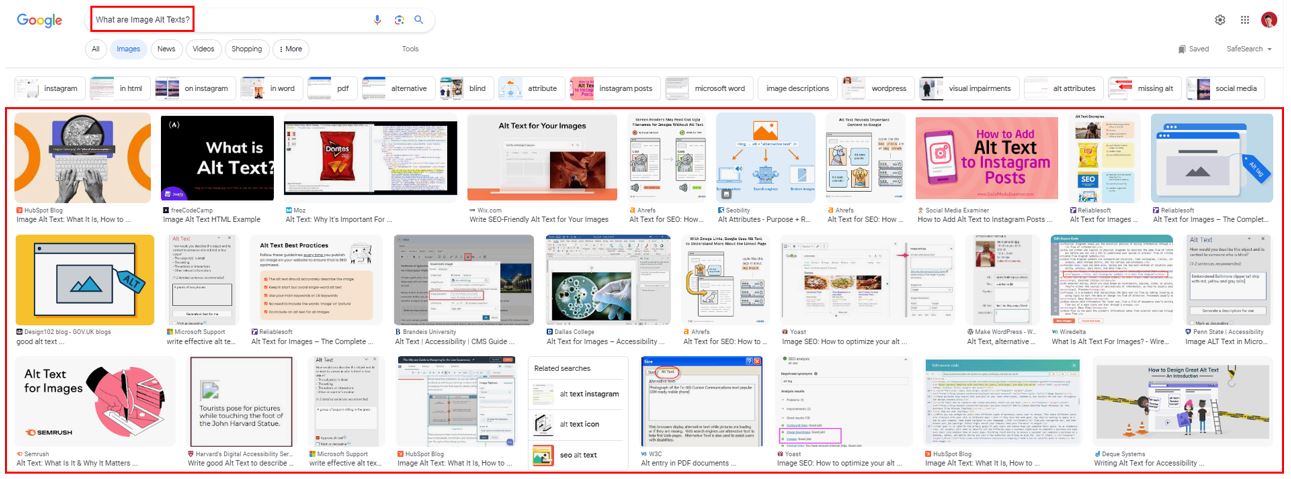
- Optimize Images : Use alt tags and relevant file names to enhance image SEO.
- Embed Videos : Include videos related to your content, ensuring they are optimized for loading speed.
SEO-Friendly Writing Tips
Finally, let’s explore some essential SEO-friendly writing tips. Writing for the web requires a different approach than traditional writing. I learned this when my initial, dense paragraphs deterred readers from engaging with my content.
Focus on:
- Short Paragraphs : Aim for concise paragraphs that are easy to skim.
- Use Headers : Break your content into sections with clear headers to improve readability.
- Call to Action (CTA) : Encourage reader interaction with clear CTAs prompting them to comment, share, or explore further.
In summary, implementing a solid content strategy, integrating multimedia, and following SEO-friendly writing techniques are crucial steps in optimizing your content for search engines while also providing value to your audience.

Advanced SEO Tactics
Voice Search Optimization
As we transition into advanced SEO tactics, one critical area to focus on is voice search optimization. With the rise of digital assistants like Siri and Alexa, optimizing for voice inquiries has become essential. Personally, I noticed a spike in traffic when I tailored content to mimic natural language queries, such as “What are the best pizza places near me?”
To optimize for voice search:
- Use Conversational Keywords : Incorporate long-tail keywords that reflect how people speak.
- Focus on Local SEO : Many voice searches are local in nature, so ensure your business information is up-to-date on platforms like Google My Business.
- Answer Questions Clearly : Provide succinct, direct answers to common queries in your content.
Featured Snippets and Structured Data
Next, let’s explore featured snippets and structured data. Featured snippets can boost your visibility by displaying your content at the top of search results. When I optimized a recipe blog, we formatted content to answer specific questions, and it landed in a featured snippet slot!
To increase the chances of hitting a featured snippet:
- Use Lists or Tables : Structure your information clearly, making it easy for search engines to pull it.
- Implement Schema Markup : Structured data helps Google understand your content better, increasing the likelihood of appearing in rich results.
Artificial Intelligence in SEO
Finally, embracing artificial intelligence (AI) in SEO can provide a significant competitive edge. Many tools leverage AI to analyze traffic patterns, identify relevant keywords, and suggest content topics. For example, I recently used an AI-driven tool that analyzed my blog’s performance and provided actionable insights on optimizing my strategy.
Key considerations for incorporating AI in your SEO strategy:
- Content Generation : Utilize AI tools to brainstorm content ideas or even generate drafts.
- Predictive Analysis : Leverage AI for analyzing data trends and adjusting strategies accordingly.
In conclusion, advanced SEO tactics like optimizing for voice search, targeting featured snippets, and harnessing AI can significantly enhance your website’s performance in an increasingly competitive digital landscape.
Monitoring and Measuring SEO Performance
Key Performance Indicators (KPIs)
Now, as we shift our focus to monitoring and measuring SEO performance, understanding Key Performance Indicators (KPIs) is essential. KPIs help you assess the effectiveness of your SEO efforts clearly. When I started keeping track of these metrics, I could easily pinpoint what was working and what needed adjustment.
Here are some essential KPIs to monitor:
- Organic Traffic : The number of visitors arriving at your site through organic search results.
- Bounce Rate : The percentage of visitors who leave your site after viewing only one page, which can indicate content relevance and user engagement.
- Average Session Duration : How long visitors stay on your site, providing insight into content quality.
SEO Audit and Tracking Tools
To effectively monitor these KPIs, using SEO audit and tracking tools is key. Tools like Google Analytics and SEMrush are invaluable. I remember running my first SEO audit, and I was shocked at the number of optimization opportunities I uncovered!
Consider employing these tools:
- Google Search Console : Great for monitoring site performance, indexing status, and search queries.
- Ahrefs : Fantastic for analyzing backlinks and keywords.
Data Analysis and Reporting
Finally, data analysis and reporting are crucial aspects of measuring SEO performance. Regularly reviewing data helps identify trends and areas for improvement. I make it a routine to generate monthly reports that summarize key metrics and insights; this helps me stay aligned with my goals.
When analyzing data, focus on:
- Identifying Patterns : Look for trends over time that indicate the success of your strategies.
- Adjusting Strategies : Be prepared to tweak your SEO plan based on the performance data.
In conclusion, effectively monitoring and measuring SEO performance through KPIs, utilizing the right audit tools, and engaging in thorough data analysis will pave the way for informed decisions and continuous improvement in your SEO efforts.

Future Trends in SEO
AI and Machine Learning Impact
As we look ahead to the future of SEO, the impact of AI and machine learning is undeniably significant. These technologies are revolutionizing how search engines function and how content is ranked. I recently explored an AI-powered tool that analyzes user intent to suggest content topics, which helped me brainstorm ideas that resonated with my audience.
To stay ahead in an AI-driven landscape, consider the following:
- Personalization : Focus on creating personalized content that aligns with user preferences identified through AI insights.
- Predictive Analytics : Utilize machine learning to predict trends and adjust your content strategy accordingly.
Video SEO Trends
Another prominent trend is the rise of video SEO. With platforms like YouTube and TikTok gaining immense popularity, optimizing video content for search engines is becoming vital. A friend of mine who creates travel vlogs saw a significant increase in engagement simply by optimizing titles and descriptions incorporating trending keywords.
To capitalize on video SEO:
- Keyword Optimization : Use relevant keywords in video titles and descriptions to enhance discoverability.
- Engaging Thumbnails : Create eye-catching thumbnails that entice viewers to click.
E-A-T and Semantic SEO
Finally, the principles of E-A-T (Expertise, Authoritativeness, Trustworthiness) and semantic SEO are increasingly important. Search engines are prioritizing content that showcases expertise and is contextually relevant. I remember enhancing the credibility of my blog by citing reputable sources and involving subject matter experts.
To align with E-A-T and semantic SEO trends:
- Quality Source Citing : Always reference authoritative sources and research to build trust.
- Contextual Relevancy : Focus on delivering content that answers specific user queries accurately.
In conclusion, embracing future trends like AI and machine learning, video SEO, and E-A-T principles will not only keep you ahead in the SEO game but also contribute to creating a more meaningful and engaging experience for your audience.
Conclusion and Takeaways
Summary of Essential SEO Best Practices
As we wrap up our exploration of SEO, it’s crucial to revisit the essential best practices that can significantly enhance your website’s visibility. Throughout this guide, we’ve discussed various strategies that align with today’s SEO landscape. From prioritizing user experience and optimizing content to embracing the latest advancements in AI, these methods have proven effective.
Key takeaways include:
- Technical SEO : Ensure your website is fast, mobile-friendly, and utilizes structured data for better ranking.
- On-Page Optimization : Conduct thorough keyword research, maintain high content quality, and use meta tags effectively.
- Off-Page Strategies : Focus on building quality backlinks, engaging on social media, and implementing local SEO techniques.
These practices lay the foundation for not only improving your search rankings but also enhancing user engagement.
Implementing a Successful SEO Strategy in 2023
Looking ahead, implementing a successful SEO strategy in 2023 will require adaptability and vigilance. Based on my own experiences, continually updating and refining your approach is essential in this ever-evolving field. Here are some practical steps to succeed:
- Stay Informed : Regularly follow SEO news and updates to keep ahead of trends and algorithm changes.
- Leverage Data : Use analytics to measure performance and adjust your strategies based on actionable insights.
- Be Authentic : Focus on creating trustworthy, valuable content that genuinely addresses your audience’s needs.
In conclusion, by embracing these best practices and maintaining a flexible SEO strategy, you’ll set yourself up for long-term success in an increasingly competitive digital environment.