
Understanding SEO Basics
What is SEO?
Search Engine Optimization (SEO) is a collection of strategies and practices designed to improve a <a href="https://redaezzat.me/seo/demystifying-seo-a-detailed-examination-of-your-websites-optimization/”>website‘s visibility on search engines like Google. Essentially, it’s about making your website more appealing to both users and search engine algorithms. Think about it: every time you search for something online, you typically look at the first few results. SEO seeks to position your website in those prime spots, enhancing its chances of being clicked.
For example, if you run a bakery in New York City and someone searches for “best cupcakes in NYC,” a well-optimized website will help your bakery pop up at the top of the results. This targeted approach not only drives more visitors but also increases engagement and sales.
Why is SEO important for your online presence?
SEO is vital for anyone looking to establish or enhance their online presence. Here are a few key reasons why:
- Increased Visibility : Effective SEO ensures that your website is easily found, helping you stand out amidst the competition.
- Credibility and Trust : Websites that rank higher are perceived as more trustworthy. Good SEO practices can foster confidence from your audience.
- Cost-Effective Marketing : Unlike paid ads, organic search traffic from SEO is free. It allows for long-term gains without ongoing expenditure.
In essence, mastering SEO can be a game-changer for businesses eager to thrive in today’s digital landscape.
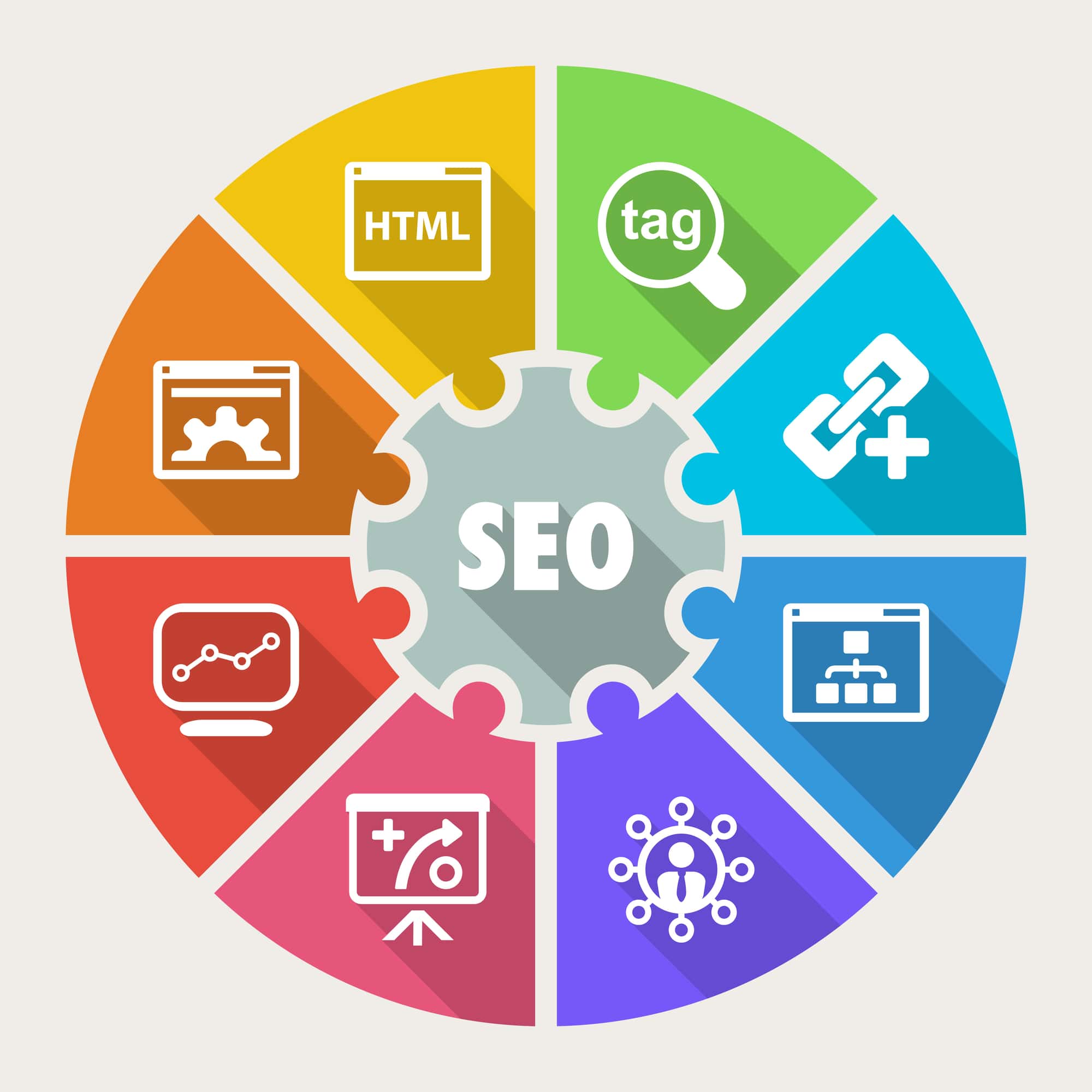
Essential On-Page Optimization Tips
Title tags and meta descriptions optimization
When it comes to on-page SEO, title tags and meta descriptions are often overlooked, but they play a crucial role in drawing in potential visitors. The title tag, which appears in search engine results, should be clear and compelling. For instance, instead of simply labeling a blog post “Baking Tips,” a more enticing title could be “10 Essential Baking Tips for Perfect Cupcakes Every Time.” This not only informs the reader of the content but also sparks their interest.
Meta descriptions, on the other hand, provide a brief summary of what the page entails—roughly 155 characters long. A well-crafted meta description can significantly increase click-through rates. For example:
- Title Tag : 10 Essential Baking Tips for Perfect Cupcakes Every Time
- Meta Description : Discover expert baking tips that ensure your cupcakes turn out deliciously every time. Your secret ingredient to baking success awaits!
Keep in mind the importance of including relevant keywords, as they signal to search engines what your page is about.
Image optimization for better SEO
Images not only make a website visually appealing but can also impact your SEO if properly optimized. Start by using descriptive file names for your images. Instead of “IMG12345.jpg,” name it “chocolate-cupcake-recipe.jpg”.
Additionally, incorporating alt text is essential. Alt text describes the image to search engines, benefitting SEO and improving accessibility. For example:
- Alt Text : “Delicious chocolate cupcake topped with vanilla frosting”
Here are some key tips for optimizing images:
- Compress Images : Reduce file size to enhance site speed without sacrificing quality.
- Responsive Images : Ensure images look good on all devices, particularly mobile.
- Use Captions : Adding captions can provide context and improve user engagement.
By taking the time to optimize title tags, meta descriptions, and images, one can significantly enhance on-page SEO, creating a more engaging experience for users and improved visibility on search engines.
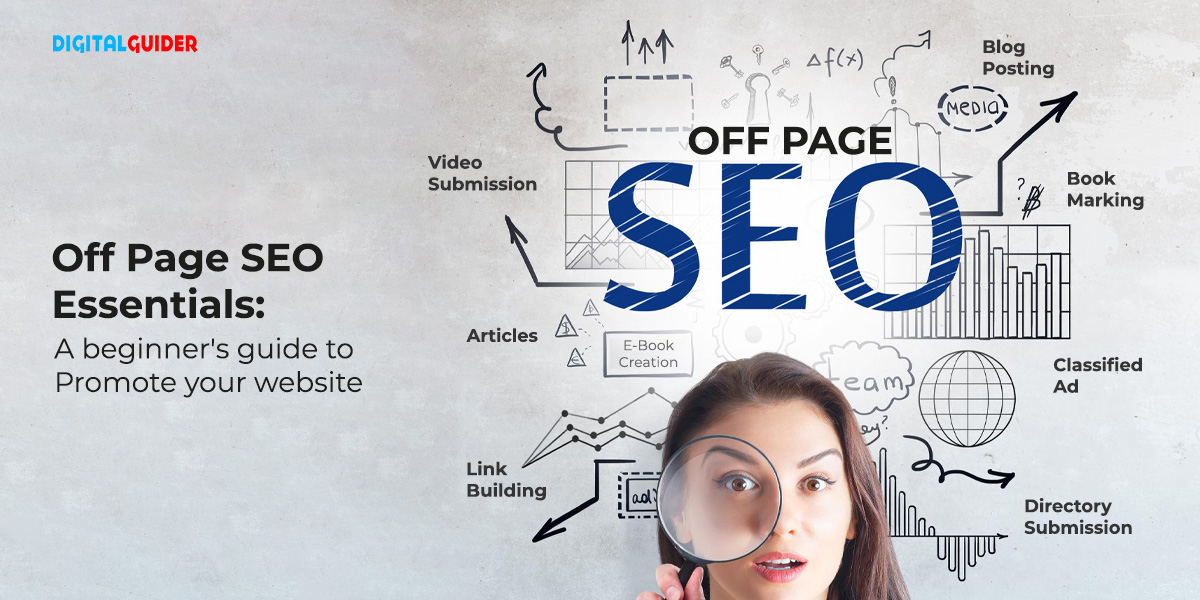
Off-Page SEO Strategies
Importance of backlinks
When discussing off-page SEO strategies, backlinks emerge as one of the most vital components. Backlinks are simply links from other websites to yours. Think of them as votes of confidence; the more high-quality sites that link to your content, the more authoritative your website appears to search engines.
For example, if a popular food blogger links to your cupcake recipe, not only does it drive traffic to your site, but it also signals to search engines that your recipe is considered valuable content. Here are a few reasons why backlinks are important:
- Higher Search Rankings : Quality backlinks can significantly boost your ranking in search engine results.
- Referral Traffic : Users clicking on links from reputable websites can lead to increased visitors.
- Brand Authority : Being linked to by established sites elevates your credibility.
Building a strong social media presence for SEO
Another pivotal aspect of off-page SEO is maintaining a robust social media presence. Social media platforms are powerful tools for sharing content, engaging with audiences, and driving traffic to your website.
For instance, when you share your latest cupcake creation on Instagram or Facebook, it not only showcases your work but allows followers to share it with their networks. This organic sharing can lead to increased visibility and potential backlinks. Here are some tips to strengthen your social media presence:
- Consistent Posting : Regularly share content that resonates with your audience.
- Engage with Followers : Responding to comments and questions fosters a sense of community.
- Utilize Hashtags : Using popular and relevant hashtags can broaden your reach.
By cultivating backlinks and enhancing your social media presence, you’re not just improving your off-page SEO but also building a dynamic online community around your brand. This dual approach creates a holistic strategy that drives traffic and fosters growth.
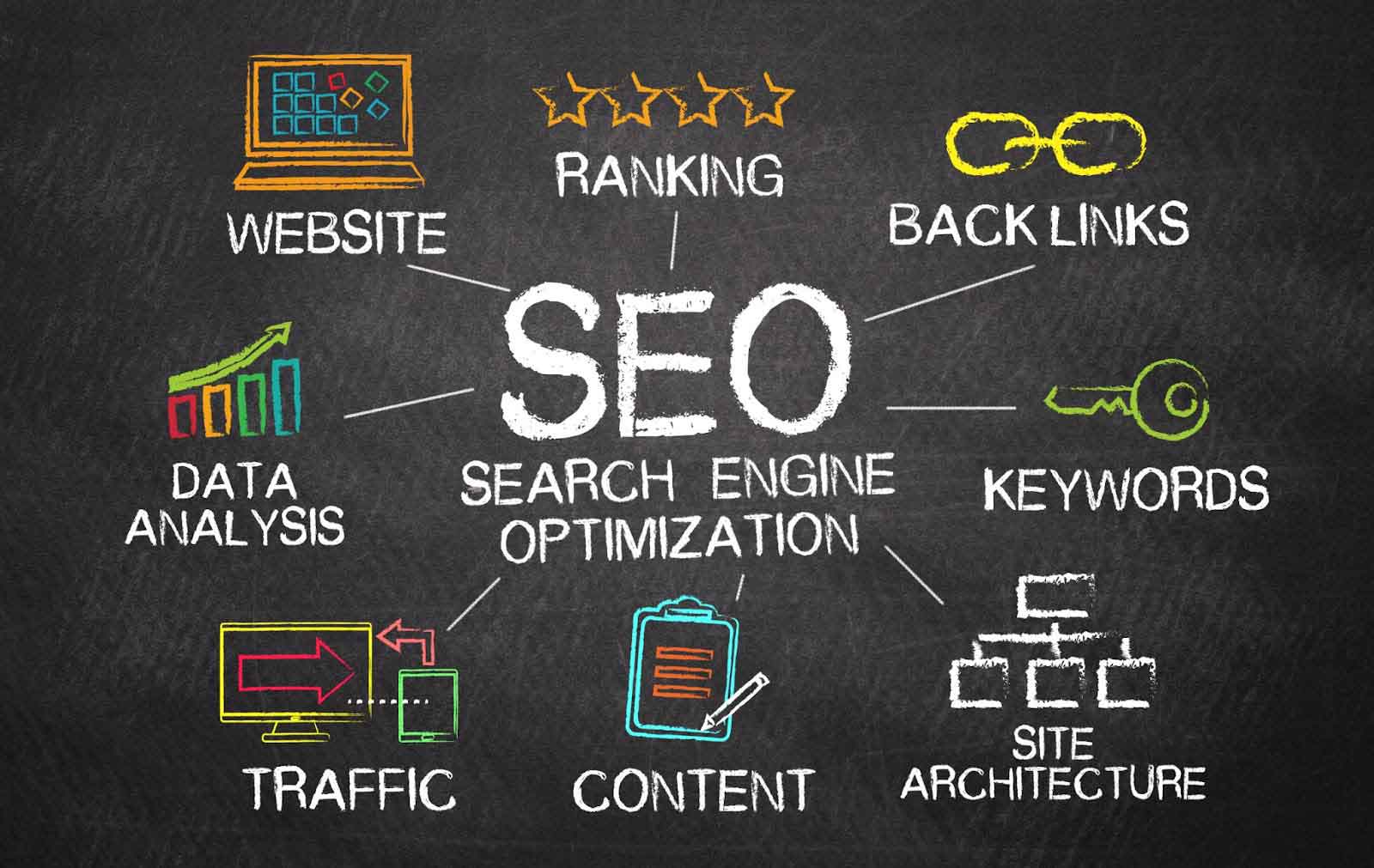
Technical SEO Simplified
Understanding site speed and its impact on SEO
Site speed is often one of those technical aspects of SEO that can feel daunting, but it’s essential for both user experience and search rankings. In today’s fast-paced digital world, users expect websites to load quickly. A one-second delay can lead to a significant drop in user satisfaction and engagement.
For instance, a personal experience with an online bakery shop revealed how frustrating it was waiting for the page to load. As a result, I quickly moved on to a competitor. This experience underscores the importance of fast loading times. Here’s why site speed matters:
- User Experience : Faster sites lead to happier visitors who are more likely to stay and interact with your content.
- Search Rankings : Google has confirmed that site speed is a ranking factor, meaning slower sites are at a disadvantage.
- Higher Conversion Rates : Improved loading times can lead to better conversion rates. Users are more inclined to complete their purchases when they don’t have to wait.
Mobile-friendliness and SEO best practices
In addition to site speed, ensuring your website is mobile-friendly is vital. With more users accessing the internet through mobile devices, search engines prioritize sites that offer seamless mobile experiences.
Here are some best practices for mobile optimization:
- Responsive Design : Your website should automatically adjust to fit any screen size, ensuring a consistent look and functionality across devices.
- Simplified Navigation : Make it easy for mobile users to find what they need with a clear and intuitive menu.
- Optimize Images : Use appropriately sized images to reduce load times and enhance overall performance.
By focusing on technical SEO elements like site speed and mobile-friendliness, you create a user-centered experience that not only pleases your visitors but also meets the algorithms’ requirements, resulting in a stronger online presence.
Local SEO Tactics for Increased Visibility
Importance of local SEO for businesses
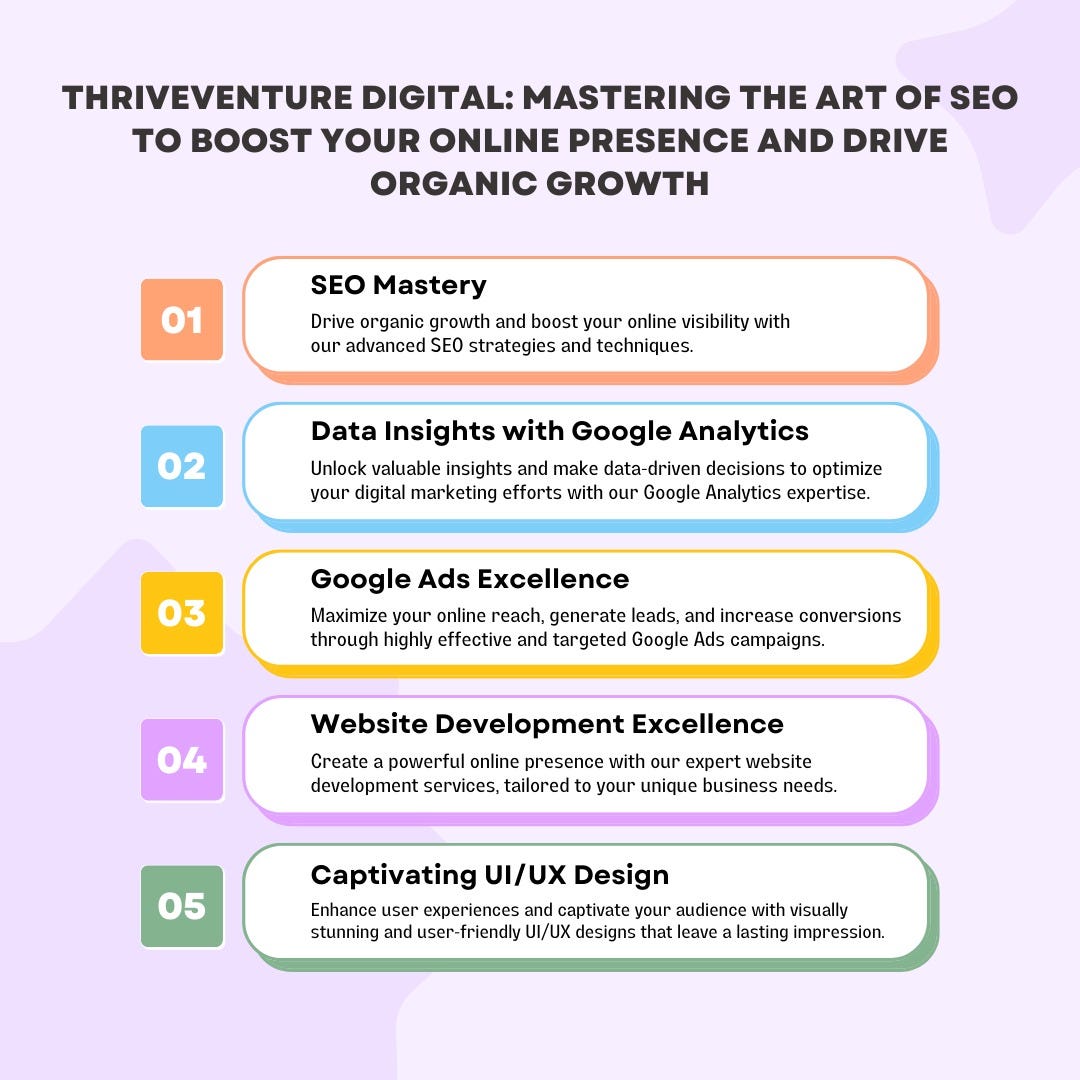
Local SEO is a game-changer for businesses looking to attract customers within their geographic area. Whether you run a cozy café, a local gym, or a service-based business, effective local SEO can significantly enhance your visibility.
Imagine walking through your neighborhood, craving a fresh cupcake. Naturally, you’d likely search on your phone for “cupcakes near me.” If your bakery is well-optimized for local SEO, it will appear at the top of the search results, making it much easier for potential customers to find you. Here are a few reasons why local SEO is crucial:
- Targeted Traffic : Local SEO specifically targets users looking for goods or services in their area, leading to more relevant traffic.
- Competitive Advantage : Many small businesses overlook local SEO, providing an opportunity for you to stand out.
- Increased Foot Traffic : Higher visibility in local searches often translates to more in-store visits.
Optimizing Google My Business for local SEO
One of the best ways to enhance your local SEO is by optimizing your Google My Business (GMB) listing. A well-maintained GMB profile can make a substantial difference in attracting local customers. Here’s how to optimize it:
- Complete Your Profile : Ensure that all information—address, phone number, website, and business hours—is accurate and consistent.
- Add Photos : High-quality images of your products or storefront can entice potential customers and give them a sense of your offerings.
- Encourage Reviews : Ask satisfied customers to leave positive reviews. Higher ratings not only boost credibility but can also influence ranking.
By focusing on local SEO and optimizing your Google My Business profile, your business can become a go-to option for nearby customers, ultimately driving both online and in-store traffic.

Content Creation for SEO Success
Creating high-quality, SEO-friendly content
In the digital realm, content is king. Creating high-quality, SEO-friendly content is essential for attracting and retaining visitors to your website. Think of it this way: when you provide useful, engaging content, you’re not just writing for search engines; you’re crafting experiences for readers. For instance, when I found an excellent blog post about cupcake decorating tips, the combination of appealing visuals and informative text kept me engaged and eager to learn more.
To create SEO-friendly content, consider these vital elements:
- Relevance : Ensure the content addresses the needs and interests of your target audience.
- Structure : Use headings, bullet points, and short paragraphs to make the content easily digestible.
- Engagement : Add questions or prompts that encourage readers to interact with your content, like sharing their experiences.
Utilizing keywords effectively in content
Keywords are the backbone of SEO, acting as bridges between what people search for and your content. However, effective keyword utilization goes beyond mere placement. Here’s how to integrate them seamlessly:
- Research : Start with keyword research tools to identify popular terms related to your niche.
- Natural Integration : Use keywords naturally within the content. Stuffing keywords can lead to poor readability and may be penalized by search engines.
- Placement : Include keywords in crucial areas, such as the title, headers, and throughout the body, while maintaining a natural flow.
By focusing on creating high-quality content and utilizing keywords effectively, blogs, articles, and web pages can not only attract search engines but also engage readers, leading to increased traffic and conversions. Remember, the goal is to connect with your audience while adhering to SEO best practices.
Measuring SEO Performance
Understanding key SEO metrics
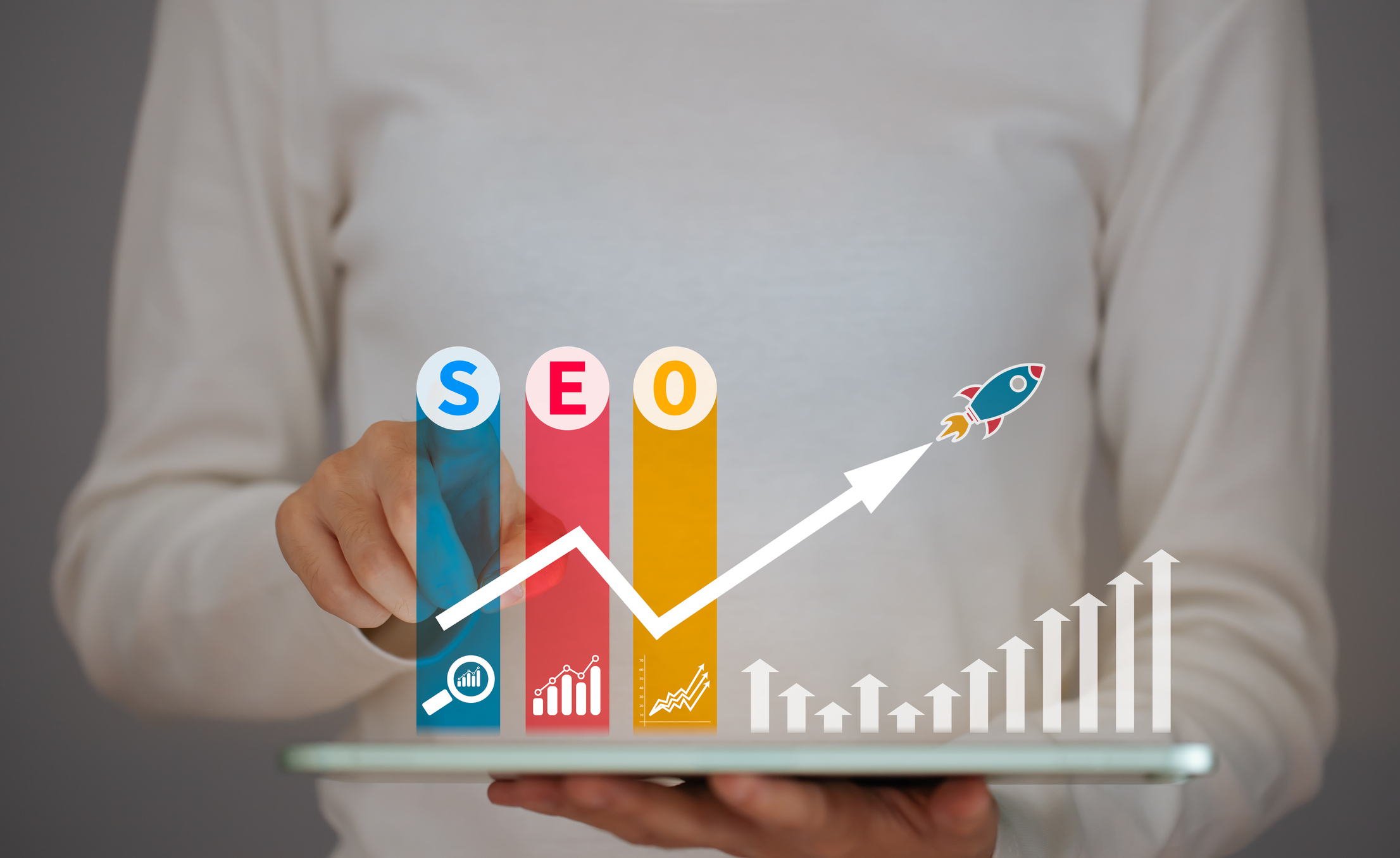
Once you’ve invested time and effort into your SEO strategy, how do you know if it’s working? This is where understanding key SEO metrics becomes crucial. Think of these metrics as the pulse of your online presence, providing insights into how effectively your strategies are performing.
Here are a few important metrics to monitor:
- Organic Traffic : The number of visitors coming to your site from search engines. An increase in organic traffic often indicates effective SEO efforts.
- Bounce Rate : This metric shows the percentage of visitors who leave your site after viewing only one page. A high bounce rate may suggest your content isn’t meeting user expectations.
- Conversion Rate : Tracking how many visitors are taking desired actions, like signing up for a newsletter or making a purchase, can help measure the effectiveness of your content.
Tools for tracking and analyzing SEO performance
To effectively measure these metrics, various tools can help you track and analyze your SEO performance. Some popular options include:
- Google Analytics : A comprehensive tool for tracking traffic, user behavior, and conversions effectively.
- Google Search Console : Offers insights into how your site appears in search results and helps identify any issues affecting your visibility.
- SEMrush : Provides in-depth analysis of your SEO efforts, including keyword rankings and backlink profiles.
Combining insights from these metrics and tools will allow you to evaluate the effectiveness of your SEO strategies, making adjustments as necessary. By continuously measuring SEO performance, businesses can stay ahead of the competition and ensure their online presence remains strong.
Advanced SEO Strategies for Competitive Edge
Schema markup and rich snippets
As the digital landscape evolves, implementing advanced SEO strategies becomes essential for gaining a competitive edge. One such strategy is using schema markup, which enhances your website’s search engine results through rich snippets. Rich snippets display additional information about your content directly within search results, making it more appealing and informative.
For instance, if you run a recipe blog and utilize schema markup, potential visitors may see your cupcake recipe displayed with a star rating and cooking time right in the search results. This extra information not only draws attention but can also improve click-through rates.
Here are a few benefits of using schema markup:
- Increased Visibility : Stand out from competitors with enhanced search results.
- Higher Click-Through Rates : An eye-catching snippet encourages more users to click on your link.
- Improved SEO Performance : Search engines value structured data, potentially boosting your rankings.
Voice search optimization for SEO
Another advanced SEO strategy gaining traction is voice search optimization. With the increasing use of voice assistants like Siri and Alexa, optimizing your content for voice search can help you reach a broader audience.
Think about how people typically phrase voice queries—often, they are longer and more conversational than typed searches. For example, while a user might type “best cupcake recipe,” they may ask their voice assistant, “What is the best cupcake recipe for beginners?”
To optimize for voice search, consider these strategies:
- Focus on Long-Tail Keywords : Incorporate natural language and question-based keywords that reflect how users speak.
- Create FAQ Content : Answer common questions in a succinct manner, making it easier for voice assistants to pull your information.
- Enhance Local SEO : Since many voice searches are local, ensure your business information is accurate and optimized.
By leveraging schema markup and optimizing for voice search, you can position your website for greater visibility and engagement, staying ahead in the competitive world of SEO.

Conclusion and Next Steps
Recap of key takeaways
As we wrap up this comprehensive look at SEO, it’s essential to reflect on the key takeaways you can implement right away. From understanding the importance of SEO for increasing online visibility to mastering advanced techniques like schema markup and voice search optimization, it all boils down to creating quality user experiences.
Here’s a quick recap:
- SEO Basics : Understand the fundamental concepts and the significance of search engine optimization for your business.
- On-Page Optimization : Prioritize title tags, meta descriptions, and image optimization for better visibility.
- Off-Page Strategies : Invest in building backlinks and a social media presence to enhance your reach.
- Technical SEO : Optimize your site speed and ensure mobile-friendliness for improved performance.
- Local SEO : Claim and optimize your Google My Business to attract local customers effectively.
- Content Creation : Focus on high-quality, keyword-rich content that addresses your audience’s needs.
Actionable steps to improve your SEO efforts
Now that you’ve gathered valuable insights, here are some actionable steps to elevate your SEO game:
- Conduct an SEO Audit : Use tools like Google Analytics to evaluate your current performance.
- Perform Keyword Research : Identify relevant, high-traffic keywords for your niche.
- Optimize Existing Content : Revise older posts to incorporate SEO best practices.
- Create Regular Content : Set a schedule for producing fresh, informative content that addresses user queries.
- Track Performance : Regularly check key metrics to gauge the effectiveness of your SEO strategies.
By applying these steps and consistently enhancing your knowledge, you’ll position your business for long-term success in the ever-evolving digital landscape. Embrace the journey of SEO improvement, and watch as your online presence flourishes!