
Introduction
Understanding SEO Analysis Tools
In the ever-evolving landscape of digital marketing, SEO analysis tools serve as crucial allies for anyone looking to enhance their online presence. These tools provide valuable insights into how websites perform on search engines, guiding users on how to improve their rankings and visibility. Whether you’re an experienced marketer or a small business owner trying to establish your brand, understanding these tools can make a significant difference.
Imagine you’re attending a navigation class before setting sail. SEO analysis tools are akin to those navigation charts—they help steer your digital ship in the right direction. By using these tools, you can uncover essential data points such as keyword performance, site health, and user engagement metrics that directly influence SEO strategies.
Benefits of Using Free Analysis Tools
For individuals and businesses just starting their SEO journey, free analysis tools are particularly advantageous. They offer a low-stakes environment to learn and experiment without the burden of financial investment. Here are some key benefits:
- Cost-Effective : These tools are often free or have free tiers, making them accessible to everyone.
- User-Friendly : Many free tools are designed with beginners in mind, featuring intuitive interfaces that simplify complex data.
- Critical Insights : Users can gain vital information about website performance, allowing them to identify strengths and weaknesses.
- Improved Decision-Making : With clear analytics, businesses can make informed choices about future content and marketing strategies.
By leveraging the insights provided by free SEO analysis tools, users can harness their potential and pave the way for successful online strategies, creating a robust digital footprint.
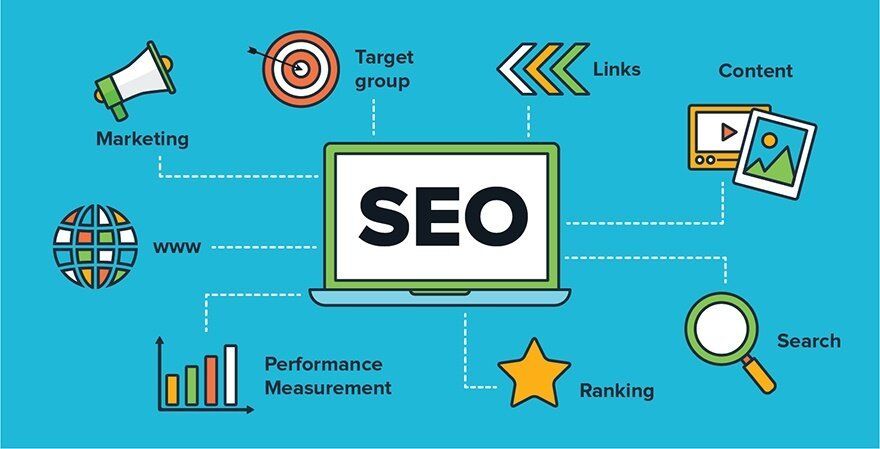
Types of SEO Analysis Tools
Keyword Research Tools
Keyword research tools are the backbone of effective SEO strategies. They help users identify which terms their target audience is searching for and guide content creation to meet those needs. For example, a local bakery can use these tools to discover that “gluten-free cupcakes” is a popular search term, leading them to create targeted blog posts or product listings. Key benefits include:
- Identifying Popular Keywords : Knowing what users are searching for can significantly enhance content relevance.
- Understanding Search Intent : Tools can show whether users are looking for information, services, or products.
- Competition Analysis : Discover how difficult it might be to rank for specific keywords.
Backlink Analysis Tools
Backlink analysis tools shed light on the inbound links pointing to your website. These links are crucial for building authority and improving SEO rankings. With these tools, you can:
- Evaluate Link Quality : Assess the strength of your backlinks to distinguish between credible and spammy sources.
- Identify New Opportunities : Discover potential websites for outreach and link-building efforts.
- Monitor Competitors : Keep tabs on where your competitors are getting their links from, which can inform your own strategies.
Rank Tracking Tools
Rank tracking tools monitor your website’s performance in search engine results over time. They help you see how your SEO efforts are translating into visibility. For instance, if your keyword ranking improves after a content update, you have concrete data to support future enhancements. Key features include:
- Tracking Keyword Performance : Understand fluctuations in ranking for targeted keywords.
- Comparative Analysis : Compare your rankings against competitors to gauge your market position.
- Long-term Insights : Observe trends and patterns that can inform strategic adjustments.
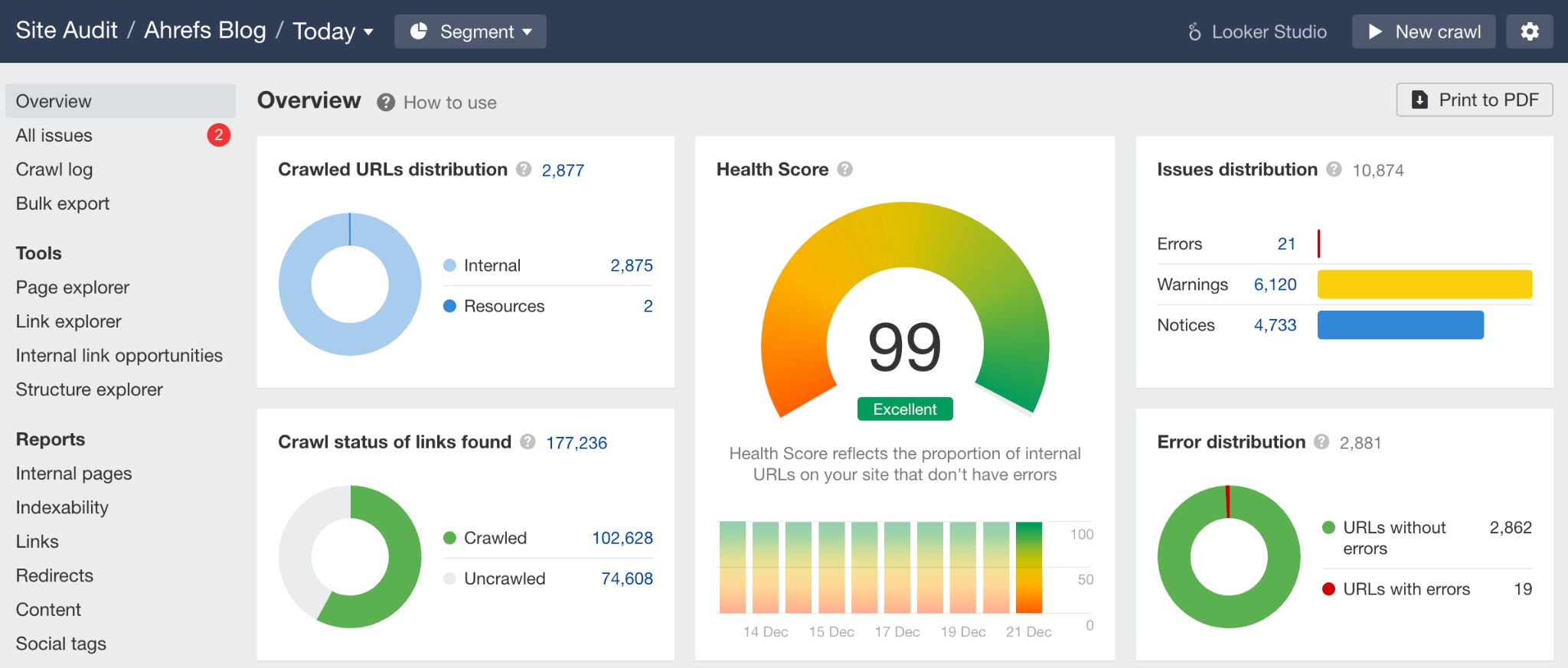
Website Audit Tools
Website audit tools offer a comprehensive assessment of your site’s SEO health. They analyze various factors like site speed, mobile responsiveness, and content quality. For instance, after a routine audit, a company might find that site speed is affecting its traffic, prompting necessary adjustments. Benefits include:
- Identifying Technical Issues : Detect broken links or crawl errors that could hinder performance.
- Enhancing User Experience : Insights can lead to improvements in navigation and load times.
- Content Optimization Suggestions : Receive actionable recommendations to enhance on-page SEO.
By harnessing the power of these various SEO analysis tools, you can effectively navigate the complexities of SEO and drive meaningful results for your website.
How to Use SEO Analysis Tools Effectively
Setting Up and Configuring Tools
Once you’ve chosen the right SEO analysis tools for your needs, the first step is setting them up correctly. Each tool comes with its own configuration settings, but here are some general guidelines:
- Create Accounts : Most tools require you to create an account. Use a business email for seamless access and management.
- Integrate with Your Website : Many tools offer plugins or provide a tracking code to embed in your site. For example, connecting Google Search Console directly with your site can provide valuable performance data.
- Customize Settings : Configure settings such as target keywords, location settings, and frequency of reports to align the tool’s functions with your specific goals.
Analyzing and Interpreting Data
Interpreting the data collected from these tools can feel overwhelming at first, but it becomes easier with practice. Start by focusing on key metrics relevant to your goals. Consider the following:
- Traffic Sources : Understand where visitors are coming from, whether through organic searches, referrals, or social media.
- Keyword Performance : Identify which keywords are driving traffic and those that need improvement.
- Bounce Rates and User Engagement : High bounce rates might indicate poor user experience, prompting further investigation.
Using visual aids like graphs or charts can help clarify trends. For instance, if a keyword shows consistent upward movement, it’s a sign your strategies are effective.
Implementing Changes Based on Analysis
The final step is taking action based on the data analysis. It’s not enough to just collect insights; implementing changes is crucial to see improvements. Here’s how:
- Optimizing Content : Revise underperforming pages by adding relevant keywords or enhancing content quality.
- Link Building : Identify high-quality backlink opportunities revealed in your analysis and reach out to those sites.
- Regular Monitoring : Set a schedule to review performance regularly—monthly or quarterly—ensuring your strategies remain aligned with changing trends.
By effectively setting up, analyzing, and implementing changes based on SEO analysis tools, you can continuously refine your approach and enhance your overall online presence. With each adjustment, you’re one step closer to achieving your SEO goals.
Comparison of Top Free SEO Analysis Tools
Google Search Console
Google Search Console is often the starting point for anyone serious about SEO. This powerful tool offers insights directly from Google, making it indispensable. Users can monitor their site’s performance, identify indexing issues, and understand how Google views their site. For example, a local restaurant could track which search queries are bringing in the most traffic and tailor content accordingly. Key features include:
- Performance Reports : See clicks, impressions, and average position for your pages.
- Index Coverage : Identify any issues preventing your pages from appearing in search results.
- Mobile Usability : Ensure your site is mobile-friendly, a must in today’s digital landscape.
Ubersuggest
Another popular choice is Ubersuggest, which is known for its user-friendly interface and comprehensive features. Designed with simplicity in mind, Ubersuggest is perfect for those new to SEO. It not only offers keyword suggestions but also shows content ideas based on those keywords. Here are some highlights:
- Keyword Suggestions : Great for brainstorming potential content angles.
- Domain Overview : Get insights into traffic and keywords for any domain.
- Content Ideas : See highly shared content related to specific keywords, giving you inspiration for your own posts.
Moz Link Explorer
When it comes to backlinks, Moz Link Explorer shines. This tool allows users to analyze their backlink profile and that of competitors. For instance, a tech startup can uncover valuable backlink sources used by more established firms. Key features include:
- Link Metrics : Check metrics like Domain Authority and Page Authority.
- Spam Score : Identify low-quality links that may harm your site’s reputation.
- Competitive Analysis : See where competitors are getting their links, providing opportunities for outreach.
Screaming Frog SEO Spider
Screaming Frog SEO Spider is a unique tool primarily for website audits. By crawling your site, it identifies technical issues that could affect SEO performance. It’s particularly useful for larger sites with lots of pages. Here’s what makes it stand out:
- Site Crawling : Quickly identify broken links, duplicate content, and meta-data issues.
- Custom Reports : Export data for further analysis and reporting.
- Visual Sitemap Creation : Generate sitemaps, making it easier to organize content.
By utilizing these free SEO analysis tools—Google Search Console, Ubersuggest, Moz Link Explorer, and Screaming Frog SEO Spider—users can gain a well-rounded understanding of their SEO performance. Each tool offers unique benefits, making it essential to choose the right combination based on specific goals and needs. Embracing these tools can pave the way for enhanced search engine visibility and online success.
Advanced Tips for Maximizing SEO Potential
Integrating Tools with Google Analytics
One of the best ways to supercharge your SEO efforts is by integrating your analysis tools with Google Analytics. This powerful combination allows you to get a comprehensive view of your website’s performance, connecting SEO metrics directly with user behavior. Imagine running a local business and wanting to know not just how visitors found you but how they engaged with your content. With this integration, you can:
- Track Traffic Sources : See which keywords or links are driving the most valuable visitors to your site.
- Evaluate User Behavior : Understand how engaged visitors are by analyzing bounce rates, time spent on pages, and conversion rates.
- Identify Content Opportunities : If a specific page has high traffic but poor engagement, it may need content updates or better calls to action.
Monitoring Competitors with Analysis Tools
Keeping an eye on your competitors is another advanced strategy to enhance your SEO efforts. By regularly monitoring what your competitors are doing, you can uncover valuable insights. For example, if a rival website sees a sudden boost in traffic, you can analyze their latest content to understand what resonated with users. Key tactics include:
- Backlink Checks : Use tools like Moz Link Explorer to find out where your competitors are getting their backlinks.
- Keyword Analysis : Identify high-ranking keywords for your competitors and consider how you can create better content around those terms.
- Content Gaps : Look for topics your competitors cover that you haven’t explored, giving you opportunities to fill those gaps.
Automating Reports and Alerts
Finally, automation can save you valuable time and keep you informed without constant manual checking. Setting up automated reports and alerts means you’ll be notified of important changes in your website’s performance. Here’s how to make the most of this feature:
- Custom Alerts : Create alerts for significant drops in traffic or increases in bounce rates so you can react quickly.
- Scheduled Reports : Set up weekly or monthly SEO performance reports to review and adjust your strategies accordingly.
- KPIs Tracking : Ensure your automation tracks key performance indicators that align with your SEO goals.
By implementing these advanced strategies—integrating tools with Google Analytics, monitoring competitors, and automating reports—you can effectively maximize your SEO potential. This proactive approach not only enhances your website’s performance but also positions you for long-term success in the competitive digital landscape.

Case Studies: Real-World Examples of SEO Improvement Using Analysis Tools
Case Study 1: Improving Page Ranking with Keyword Analysis
Let’s take a look at a local e-commerce platform that focused heavily on handmade jewelry. Initially, this site struggled to rank for high-traffic keywords like “handmade silver rings.” By utilizing tools such as Ubersuggest, the marketing team conducted extensive keyword research and uncovered long-tail keywords with less competition, such as “custom handmade silver rings.”
Here’s how they transformed their SEO approach:
- Keyword Optimization : They updated product descriptions and blog content to incorporate these new keywords strategically.
- Content Creation : The team began a blog dedicated to jewelry-making processes, embedding relevant keywords naturally.
- Performance Monitoring : Regular checks with rank tracking tools allowed them to adjust their strategy based on evolving search trends.
As a result, within three months, the website’s traffic increased by 150%, with the targeted keywords ranking on the first page of search results.
Case Study 2: Enhancing User Experience through Site Audit
In another example, a mid-sized tech consultancy used Screaming Frog SEO Spider to conduct an in-depth website audit. They discovered several issues that were negatively impacting user experience, including:
- Broken Links : The audit revealed numerous dead links, causing frustration for visitors.
- Slow Page Load Times : Analysis showed that their homepage took over six seconds to load, leading to high bounce rates.
- Duplicate Content : They found multiple pages with similar content, which diluted their SEO efforts.
With the insights gained, the consultancy took immediate action:
- Fixed Broken Links : They updated or removed broken links across their site.
- Optimized Load Speed : By compressing images and reducing redirects, they improved load times to under three seconds.
- Cleaned Up Content : The team revised their content strategy to eliminate duplication and focus on unique, valuable information.
These enhancements led to a 40% decrease in bounce rate and a significant increase in user engagement.
These case studies illustrate how utilizing SEO analysis tools can lead to tangible improvements in website performance. By focusing on keyword analysis and user experience audits, businesses can effectively refine their strategies, attracting more visitors and improving conversion rates.

Common Mistakes to Avoid When Using SEO Analysis Tools
Misinterpreting Data
Using SEO analysis tools can be a game-changer, but one of the most common pitfalls is misinterpreting the data these tools provide. For instance, a small business owner might focus solely on traffic numbers, celebrating a spike in visitors without noticing that their bounce rate has also increased. This scenario highlights the importance of context. Here are a few tips to avoid misinterpretation:
- Look at the Bigger Picture : Instead of isolating metrics, examine how they relate to each other. Increased traffic is great, but if visitors aren’t engaging, something might be wrong.
- Understand Metrics : Take the time to learn what each metric means. For example, a high click-through rate (CTR) but a low conversion rate could indicate that while users are interested enough to click, they aren’t finding what they expected.
- Use Comparisons : Benchmark your data against past performance or industry standards to gain clearer insights.
Neglecting Regular Analysis and Updates
Another significant mistake is neglecting regular analysis and updates. Some website owners use SEO tools once and forget about them, which can lead to stagnation. The digital landscape changes rapidly, and so should your strategy. Here’s how to stay proactive:
- Set a Schedule : Establish a routine for checking your metrics—consider weekly or monthly reviews to monitor performance.
- Stay Informed : Keep an eye on SEO trends and algorithm updates. Tools often provide alerts; make sure to act on them.
- Iterate Your Strategies : Use the data to refine your approach. If a particular keyword isn’t performing well, don’t hesitate to adjust your focus based on the insights you gather.
By avoiding the misinterpretation of data and committing to regular analysis, you empower yourself to make informed decisions that drive tangible improvements in your SEO strategy. This proactive stance not only helps to enhance your site’s visibility but also leads to a more engaged audience.

Conclusion
Summary of Key Takeaways
As we wrap up our exploration of SEO analysis tools, it’s crucial to reflect on the key takeaways that can empower your online strategy. First and foremost, leveraging the right analysis tools can drastically enhance your understanding of how your website performs. Remember the importance of:
- Comprehensive Data : Utilize tools like Google Search Console and Ubersuggest to gather critical insights on keywords and traffic.
- Regular Updates : Routine analysis helps you stay ahead in a rapidly evolving digital landscape.
- Integrating Insights : Combine data from multiple tools to create a more holistic view of your SEO strategies.
By implementing the practices we’ve discussed, such as avoiding common mistakes like misinterpreting data and neglecting regular analyses, you can position your website for ongoing success.
Future Trends in SEO Analysis Tools
Looking ahead, the world of SEO analysis tools is set to evolve significantly. As technology advances, several trends are emerging:
- AI and Machine Learning : Expect to see more tools harnessing AI to offer predictive analytics, helping businesses forecast trends before they even occur. Imagine having an SEO tool that not only reports on your current performance but also predicts potential outcomes based on historical data.
- User Experience Metrics : With Google placing an increasing emphasis on user experience, future tools will likely focus more on metrics like Core Web Vitals, blending technical SEO with user engagement data.
- Integration Capabilities : Increased integration with various marketing platforms will allow for more seamless data sharing, making it easier for businesses to act on insights quickly.
By staying abreast of these trends and continuously optimizing your strategies, you can ensure that your SEO efforts remain effective and relevant in the ever-changing digital arena. Embracing these tools and trends will not only help you achieve greater visibility but also foster a more engaging online experience for your audience.