
Introduction
Understanding Image SEO and Its Importance
In today’s visually driven digital landscape, optimizing images for search engines, known as Image SEO, has become increasingly essential. It’s not just about uploading a picture; it’s about tailoring that image to enhance visibility and engagement on search engines. Just think about how often you reach for a visually appealing image when scrolling through your feed or browsing a website.
Optimizing images can significantly influence user experience and engagement, which can, in turn, impact your website’s ranking in search engine results. Here’s why Image SEO should be a priority:
- Boosts Site Performance : Properly optimized images load faster, reducing bounce rates and improving user satisfaction.
- Enhances Accessibility : Alt text provides context to images for users who rely on screen readers, ensuring that content is accessible to all.
- Increases Visibility in Search Results: Search engines can index images, allowing users to discover your content through image searches.
- Drives Traffic : High-quality, relevant images attract clicks, leading to higher traffic for your website.
Imagine a scenario where a food blog uses mouth-watering images paired with recipes. If these images are optimized with accurate file names and alt texts, they are more likely to appear in relevant image searches. This not only draws in more traffic but can also boost conversions as users engage more with visually appealing content.
In this blog, we will explore the fundamentals, technical aspects, and strategic approaches to Image SEO. Understanding these elements can transform how effectively you use visual content to drive traffic and engagement, setting you up for success in the digital world.
Fundamentals of Image SEO
Optimizing Image Names and Alt Text
When it comes to Image SEO, the basics start with optimizing image names and alt text. A picture might be worth a thousand words, but it doesn’t help if search engines can’t understand what it depicts. Renaming your images with relevant keywords is a smart move. For instance, instead of “IMG_1234.jpg,” use something descriptive like “chocolate-chip-cookies-recipe.jpg.” This not only helps with SEO but makes the file easier to manage.
Alt text plays a crucial role in providing context and enhancing accessibility. It’s the text that appears if an image cannot load and is read by screen readers to accommodate visually impaired users. Here are some tips for writing effective alt text:
- Keep it concise but informative—aim for a maximum of 125 characters.
- Include primary keywords without keyword stuffing.
- Describe the image’s content and purpose clearly.
Importance of Image Size and Format
Next up is image size and format, which significantly impact load times and overall user experience. Large image files can slow down your website, leading to higher bounce rates. Here are some key points to consider:
- File Formats : Use JPEG for photographs, PNG for images requiring transparency, and SVG for logos and icons.
- Compression : Tools like TinyPNG or ImageOptim can reduce file size without sacrificing quality.
In many cases, images should be under 100 KB for optimal web performance.
Utilizing Descriptive Captions
Lastly, don’t underestimate the power of captions. A well-written caption can add context and encourage users to engage with the image further. For example, a simple caption below a food image saying “Homemade chocolate chip cookies fresh from the oven” offers both information and invites potential interaction.
Captions not only improve SEO but also keep users on your page longer, improving dwell time and potentially ranking higher in search results. So, make sure to incorporate relevant keywords naturally within your captions.
By mastering these fundamental aspects of Image SEO, you’re setting the stage for a more engaging and visible online presence!

Technical Aspects of Image SEO
Implementing Image Sitemaps
Moving on to the technical aspects of Image SEO, one of the most effective strategies is implementing image sitemaps. Just like a regular XML sitemap helps search engines to better navigate your website, an image sitemap specifically highlights the images on your site that you want indexed. This can significantly boost image visibility in search results.
Creating an image sitemap can be straightforward:
- Include essential information such as the image URL, caption, title, and license.
- You can either create a separate sitemap for images or embed image information within your standard sitemap.
- Use tools like Google Search Console to monitor how search engines crawl your images.
Imagine you run an online fashion store. By utilizing an image sitemap, you ensure that all your beautiful product images are easily accessible to search engines, enhancing the likelihood of appearing in search results.
Leveraging Structured Data for Images
Another technical tool to elevate your Image SEO is leveraging structured data. Implementing schema markup for images gives search engines even further context about the visual content. For example, using the “ImageObject” schema can help specify details about the image, such as its description, URL, and copyright information. This reinforcement can be beneficial for:
- Increasing the chances of rich snippets appearing on search results.
- Enhancing your site’s credibility in the eyes of search engines.
By marking up your images, you provide search engines with a clearer understanding, which can improve ranking potential.
Mobile Optimization for Image Search
Lastly, let’s not overlook mobile optimization, a crucial factor in today’s mobile-first world. As more users browse on smartphones, ensuring that your images are mobile-friendly can enhance user experience and retention. Here are some pointers for mobile optimization:
- Use responsive images—HTML attributes like
srcsetcan load the appropriate image size based on the user’s device. - Ensure fast loading times by compressing images and choosing the right formats, as discussed earlier.
Think about it: when you’re on the go, the last thing you want is a website that struggles to load images, leading to frustration. By optimizing images for mobile, you’re catering to a growing audience and enhancing accessibility.
In this way, understanding and implementing these technical aspects of Image SEO will enhance not only your site’s visibility but also its overall functionality and user experience.

Visual Content Strategies for SEO
Creating High-Quality and Relevant Images
Now that we’ve covered the technical aspects, let’s focus on visual content strategies that can truly enhance your Image SEO. The foundation begins with creating high-quality and relevant images. Investing time and resources into crafting stunning visuals can pay off immensely. For instance, when a landscape photographer shares a breathtaking mountain shot, that picture not only needs to be visually appealing but also relevant to the accompanying content. Consider these tips:
- Use Professional Tools : Invest in good cameras or graphic design software to elevate your images.
- Focus on Subject Matter : Ensure that the imagery directly complements your written content to enhance user engagement.
High-quality visuals can convey your brand story and keep users interested longer, combining strong imagery with relevant topics is a surefire way to attract and retain visitors.
Using Image Keywords and Tags Effectively
Next up, let’s talk about using image keywords and tags effectively. Just like the text on your webpage, your visuals need to be optimized with the right keywords. By integrating relevant keywords in image file names, alt text, and even captions, you can improve searchability. For example, instead of having a file called “image_001.jpg,” use “fresh-blossoms-spring.jpg.” Additionally:
- Use Tags Strategically : Remember to tag images with pertinent keywords that reflect the content theme.
- Consider User Intent : Think about what users might search for when looking for images similar to yours.
This approach boosts your discoverability in image searches, driving more organic traffic to your website.
Ensuring Consistency in Image Branding
Lastly, ensuring consistency in image branding can further solidify your online presence. Having a cohesive visual style—color palettes, fonts, and logo placement—helps reinforce brand identity. As an example, a well-known beverage company uses a consistent image style across all platforms, which enhances brand recognition.
To maintain consistency:
- Create brand guidelines that outline image styles and usage.
- Regularly audit your images to ensure they align with your branding.
By employing these visual content strategies, you not only amplify your Image SEO but also create an engaging and recognizable online presence that resonates with users and search engines alike.
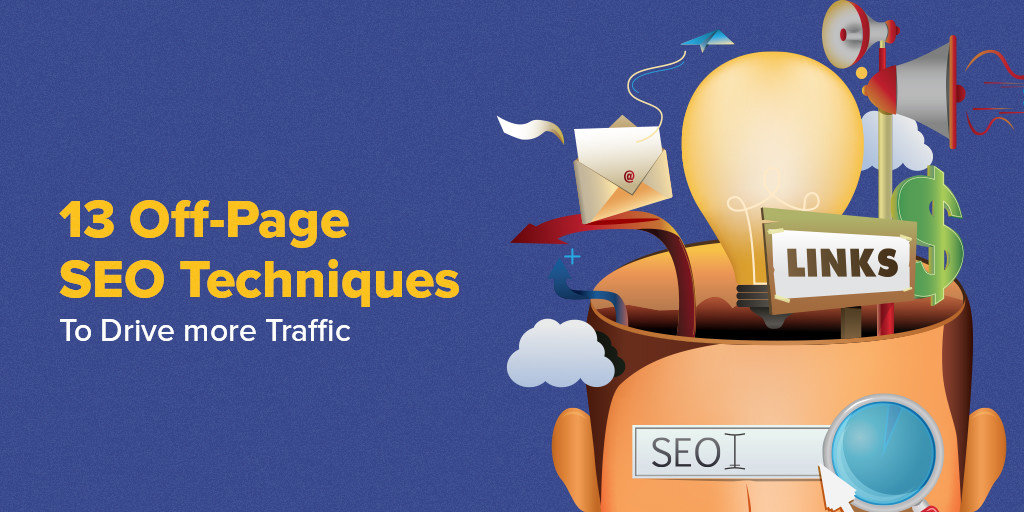
Off-Page Optimization Techniques for Images
Building Backlinks for Image SEO
As we delve into off-page optimization techniques for images, one of the most powerful strategies is building backlinks. Backlinks act as endorsements for your content, signaling to search engines that your images are credible and worthy of attention. When other reputable sites link to your images or content containing them, it can substantially boost your SEO. Here’s how you can go about it:
- Create Shareable Content : Develop infographics, charts, or unique images that others will want to link to.
- Guest Blogging : Write guests posts on related industry blogs and include your images with links back to your site.
For example, if you run a travel blog, creating a stunning photo gallery of hidden travel gems can attract backlinks from other travel enthusiasts or websites.
Utilizing Social Media for Image Visibility
Next, let’s explore utilizing social media for enhancing image visibility. Social media platforms are powerful tools for showcasing your visuals to a broader audience. Every post featuring eye-catching images can increase shares, likes, and comments, leading to exponential organic reach. To maximize this:
- Choose the Right Platforms : Focus on image-centric platforms like Instagram, Pinterest, and Facebook.
- Leverage Hashtags : Use relevant hashtags to broaden your audience reach.
A personal favorite strategy is creating thematic boards on Pinterest. For instance, a DIY blog can pin beautiful step-by-step images of home projects, linking back to the original content.
Collaborating with Influencers for Image Promotion
Finally, collaborating with influencers can dramatically elevate your image exposure. Influencers often have established trust and massive followings. By partnering with them, you can promote your images and brand to a more extensive network. Here’s how to succeed with influencer collaborations:
- Identify Relevant Influencers : Look for influencers in your niche who share similar values and aesthetics.
- Create Engaging Campaigns : Work together on a campaign where they showcase your images in their unique style, such as posting tutorials or reviews.
For example, a fitness brand might collaborate with a fitness guru to showcase their products through dynamic images, leveraging the influencer’s audience to increase visibility.
By implementing these off-page optimization techniques for images, you not only reinforce your SEO strategy but also expand your reach and foster connections with new audiences.
Tools and Resources for Image SEO
Image SEO Plugins and Software
As we move into discussing tools and resources for Image SEO, it’s important to highlight the role of plugins and software that can simplify and enhance your optimization efforts. Whether you’re using WordPress or another CMS, there are several plugins designed specifically for Image SEO. Personal experiences speak volumes here, as using the right tools can save hours of tedious work.
- Yoast SEO : This plugin not only helps with overall SEO but also has features for optimizing images, including alt text checks.
- Imagify : If you want to improve site speed without sacrificing image quality, this tool compresses images effortlessly.
- Smush : This plugin allows for bulk image optimization, ensuring that all your images are well-optimized in one go.
These tools can be invaluable for beginners and seasoned professionals alike, simplifying the image optimization process and driving better results.
Analyzing Image Performance Metrics
Next, analyzing image performance metrics is crucial for assessing the effectiveness of your Image SEO efforts. Understanding how your images are performing can guide your future strategies. Here are some metrics to keep an eye on:
- Image Click-Through Rates (CTR) : Check how often users click on your images when they appear in search results.
- Load Times : Monitor how fast your images load, as slow-loading visuals can impact user experience negatively.
- Organic Traffic : Track the traffic coming from image searches specifically to see which images resonate more with your audience.
Using tools like Google Analytics or SEMrush can give you insightful reports, helping refine your image strategy.
Staying Updated with Image SEO Trends
Finally, staying updated with Image SEO trends is vital in a fast-evolving digital landscape. New technologies, algorithm updates, and user behaviors are continuously emerging. To keep your strategies relevant:
- Follow Industry Blogs : Websites like Moz, Search Engine Journal, and HubSpot provide regular updates on SEO trends, including Image SEO.
- Join Online Communities : Platforms like Reddit or SEO-focused Facebook groups can offer valuable insights and discussions.
Attending webinars or networking events can also keep you informed about best practices.
By leveraging these tools and resources for Image SEO, you can effectively track, analyze, and optimize your images, ensuring they contribute meaningfully to your overall digital marketing strategy.

Measuring Success and ROI of Image SEO
Tracking Image Impressions and Clicks
Now that you have implemented various strategies and tools for optimizing your images, it’s time to measure success and ROI effectively. A crucial first step is tracking image impressions and clicks. Understanding how your images perform in search results provides insights into their visibility and engagement.
You can use tools like Google Analytics to monitor:
- Image Impressions : The number of times your images have been viewed in search results.
- Image Clicks : The clicks your images receive, giving a direct indication of user interest.
For example, let’s say you notice that a certain image of a handmade sweater generates high impressions but low clicks. This could indicate that while it appears in searches, it may need a more compelling title or description to encourage clicks.
Analyzing Conversion Rates for Image Traffic
Next, analyzing conversion rates for image traffic is essential to gauge the effectiveness of your Image SEO efforts. It’s not enough to attract visitors; the goal is to convert them into customers or leads. Key metrics to watch include:
- Bounce Rate : A high bounce rate from image-driven traffic can signal that users are not finding what they expected.
- Engagement Metrics : Track how long users stay on your page and whether they explore other content.
You might find that a well-optimized image on a product page translates into more sales, while an image in a blog post leads to higher newsletter sign-ups.
Calculating the Impact of Image SEO on Overall Visibility
Finally, calculating the overall impact of Image SEO on your website’s visibility ties everything together. An effective method involves analyzing:
- Organic Traffic Growth : Observe any increases in traffic attributed to image searches after you’ve started your optimization.
- Search Engine Rankings : Monitor changes in SERP results for your targeted keywords and image queries.
Tools like SEMrush or Ahrefs can help you compare these metrics before and after implementing Image SEO strategies.
By diligently tracking impressions, analyzing conversions, and measuring overall visibility, you enable your business to optimize image performance continually. This approach ensures that each image contributes effectively to your broader marketing goals, establishing a strong return on investment.

Conclusion and Future Outlook
Recap of Image SEO Strategies
As we wrap up our deep dive into Image SEO, let’s take a moment to recap the strategies we’ve explored. Optimizing your images is not merely an added bonus but a fundamental component of any comprehensive SEO strategy. By focusing on:
- Image Optimization : Proper naming, alt text, and leveraging file sizes can improve discoverability and accessibility.
- Technical Enhancements : Implementing image sitemaps and structured data helps guide search engines in indexing your visual content.
- Off-Page Techniques : Building backlinks, utilizing social media, and collaborating with influencers boosts image visibility across platforms.
These strategies collectively drive user engagement, enhance your site’s performance, and ultimately elevate your brand’s online presence.
Emerging Trends in Image Optimization
Looking ahead, staying abreast of emerging trends in image optimization is vital for ongoing success in this fast-paced digital world. Innovations such as:
- AI in Image Recognition : Tools using artificial intelligence can analyze and enhance visual content, making it easier for search engines to index accurately.
- Visual Search Technology : As search engines advance in understanding images, optimizing for visual search is becoming critical. Think of how sites like Pinterest allow users to search by image—this feature is only expected to grow.
- User-Generated Content (UGC) : More brands are leveraging UGC through image galleries, making it easier to display real-life applications of their products.
Incorporating these trends into your Image SEO strategy can keep you ahead of the curve, allowing for greater visibility and engagement in an increasingly visual world. Embracing innovation while honing the basics will undoubtedly enhance your site’s effectiveness and user experience. So, continue adapting and exploring—your images will play a key role in the future of SEO!