
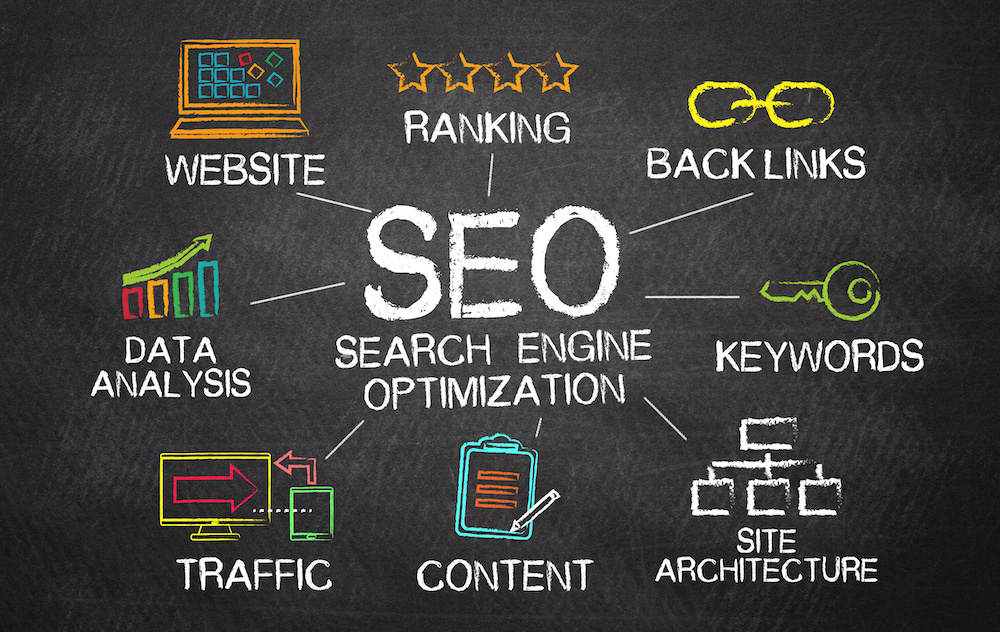
Understanding SEO and Image Optimization
Importance of <a href="https://redaezzat.me/seo/the-ultimate-on-page-seo-checklist-for-website-optimization/”>Image SEO
In the digital landscape, where visuals reign supreme, the significance of Image SEO cannot be overstated. When you consider that approximately 63% of content is comprised of imagery, optimizing those images is crucial for attracting and retaining visitors. Remember the last time a captivating image caught your eye while scrolling through social media? That’s the power of effective imagery—it’s able to convey messages quicker than text alone.
Here are a few critical reasons why Image SEO is essential:
- Enhanced User Experience : High-quality images can significantly improve a user’s interaction with your content. Think of your favorite blog or website; what keeps you coming back? Often, it’s the combination of stunning visuals and engaging text.
- Higher Click-Through Rates (CTRs) : Compelling images paired with appropriate metadata often lead to higher engagement and shares. When an image stands out, users are more likely to click.
- Improved Search Engine Ranking : Search engines prioritize user-engagement signals. Optimized images can contribute to a site’s overall SEO strategy, ultimately improving its position in search engine results.
How Search Engines Crawl and Index Images
But how do search engines process these images? When search engines crawl the web, they don’t perceive images in the same way humans do. They rely on specific signals to understand the content of an image. Here’s how it works:
- Image Filename : The file name should be descriptive. Instead of “IMG_1234.jpg,” a name like “sunset-over-ocean.jpg” provides context right away.
- Alt Text : This is a crucial aspect of image SEO. Alt text describes the image content for search engines and also enhances accessibility for visually impaired users.
- Surrounding Text : The context in which an image appears—such as captions and nearby content—also assists search engines in determining relevance.
By focusing on these elements, website owners can ensure that not only are their images optimized for visual appeal but are also ready to be indexed efficiently by search engines.

Impact of Image SEO on Website Ranking
Factors Affecting Image Visibility
Continuing from the previous discussion, the impact of Image SEO on website ranking is profound. While beautifully curated images can attract attention, several factors determine their visibility on search engines.
Some key elements influencing image visibility include:
- Image Quality : High-resolution images not only look good but also convey professionalism. An image that is blurry or pixelated can lead to a negative user experience, driving potential visitors away.
- File Size : While crisp images are essential, file sizes must be optimized for fast loading. A slow website can frustrate users, which may lead to abandoned sessions and ultimately lower rankings.
- Responsive Design : With the surge in mobile device usage, images need to be adaptable. Sites that are mobile-friendly rank higher as they deliver a better user experience across all devices.
- Social Shares and Backlinks : When images are shared on social media or linked back to from other sites, the increased visibility can enhance page authority and ranking.
Role of Alt Text and Descriptions
Now, let’s discuss one of the most critical components of Image SEO: alt text and descriptions. These elements serve as the bridge between your images and search engines.
Here’s why they matter:
- Accessibility : Alt text is essential for visually impaired users who rely on screen readers. A descriptive alt text paints a mental picture, making content more inclusive.
- Search Engine Understanding : As mentioned earlier, search engines can’t “see” images the way humans do. Alt text provides context in a textual format, helping search engines index images accurately. Think of it as labeling your images—without labels, they remain ambiguous.
- Keyword Integration : Strategically incorporating keywords into alt text can further enhance visibility. However, it’s crucial to avoid keyword stuffing; the descriptions should always be natural and relevant.
By paying close attention to these aspects, website owners can significantly enhance their image’s visibility, leading to better search rankings and increased traffic.

Image SEO Best Practices
Optimizing File Names and Formats
As we delve deeper into Image SEO, one cannot overlook the importance of optimizing file names and formats. Choosing the right name for your images might seem trivial, but it plays a significant role in how search engines interpret and index your visuals.
To maximize the effectiveness of image file names:
- Be Descriptive : Instead of generic titles like “photo1.jpg,” opt for names that reflect the image content—like “mountain-sunset-view.jpg.” This tells both users and search engines what the image depicts.
- Use Hyphens : When separating words in file names, use hyphens instead of underscores. For instance, “beautiful-waterfall.jpg” is better than “beautiful_waterfall.jpg.” Search engines treat hyphens as word separators, enhancing clarity.
- Choose the Right Format : Select the appropriate file format based on the nature of the image:
- JPEG : Ideal for photographs due to its balance between quality and file size.
- PNG : Preferred for images that require transparency or sharp edges.
- WebP : A newer format that offers superior compression without sacrificing quality, making it ideal for web use.
Utilizing Image Sitemaps and Structured Data
In addition to optimizing file names and formats, utilizing image sitemaps and structured data is crucial for enhancing Image SEO.
Creating an image sitemap helps search engines find and index images more efficiently. Here’s how to get started:
- Include Important Images : Ensure you list all significant images on your sitemap, especially those not located on standard pages.
- Use Structured Data : Implementing structured data helps search engines understand the context around your images. This entails adding markup that explains what the images depict, their purpose, or their relevance to the content.
By combining these best practices—optimized file names, the right formats, and the strategic use of sitemaps and structured data—website owners can improve their chances of ranking higher in search results. Remember, the goal is not just to attract visitors but to ensure they have a top-notch experience once they land on your site.

Tools for Image Optimization
Popular Image SEO Tools
Transitioning from the best practices of Image SEO, it’s essential to incorporate the right tools to streamline the process. Various image SEO tools can help you effectively optimize your images, ensuring they not only look good but also perform well in search engine rankings.
Some popular tools include:
- Google PageSpeed Insights : This tool not only evaluates the speed of your website but also provides insights into how your images are affecting your load time. It offers specific recommendations, making it easier to implement changes.
- TinyPNG : An easy-to-use online tool, TinyPNG compresses your images without noticeable loss in quality. It supports both PNG and JPEG formats, so you can optimize your images swiftly.
- ImageOptim : If you’re using a Mac, this app is a must-have. It effectively reduces image file sizes while preserving image quality, which is essential for fast loading times.
Comparing Image Compression Software
Now, let’s dive into comparing different image compression software to help you choose the best fit for your needs. The right software can significantly impact your website’s performance and loading times.
Here’s a quick comparison:
| Software | Format Supported | Compression Level | Batch Processing | User-Friendly |
|---|---|---|---|---|
| TinyPNG | PNG, JPEG | High | Yes | Very Easy |
| ImageOptim | JPEG, PNG, GIF | High | Yes | Easy |
| JPEGmini | JPEG | Moderate to High | Yes | Very Easy |
| Compressor.io | PNG, JPEG, GIF | Moderate | Yes | Moderate |
When choosing image compression software, consider your needs—are you looking for high quality, ease of use, or extensive format support? The right tool can save time and enhance user experience, allowing websites to load faster and rank higher in search results.
Investing time in these tools will not only simplify your image optimization efforts but also provide lasting benefits to your website’s performance and SEO success.

Case Studies and Success Stories
Examples of Websites Benefiting from Image SEO
Building upon the strategies discussed, let’s explore real-world examples of websites that have effectively harnessed image SEO to achieve remarkable results. These success stories illustrate how thoughtful image optimization can transform web traffic and user engagement.
- The Crazy Egg Blog : This website revamped its image optimization approach by utilizing descriptive file names and alt text, leading to a significant increase in organic traffic. They incorporated engaging visuals that aligned with their content, which contributed to a more inviting user experience. The result? A 35% boost in page views within a few months!
- Shopify : A leading e-commerce platform, Shopify optimized its product images by swiftly compressing them without sacrificing quality. By implementing alt text and image sitemaps, they not only improved their website speed but also enhanced search visibility. This led to a noticeable increase in conversions, as customers could easily find products through image search.
Analyzing Metrics and Results
Understanding the impact of these strategies necessitates a close look at metrics and results. Here’s how these websites measured their success:
- Traffic Growth : Both Crazy Egg and Shopify monitored organic traffic through tools like Google Analytics to see how image SEO changes correlated with visitor increases. Not surprisingly, both brands experienced a surge in visitors from search engines post-optimization.
- Engagement Metrics : The success stories also recorded improvements in key engagement metrics, including:
- Bounce Rate : Reduction in bounce rates as more users found engaging content that loaded quicker due to optimized images.
- Average Session Duration : Increased session times demonstrated that users were more invested in the content, which often correlates with image quality and relevance.
Analyzing these metrics provides insight into the tangible benefits of implementing image SEO strategies, reinforcing that thoughtful optimization can lead to impactful growth. These examples remind us that effective image SEO isn’t just a technicality—it’s a vital component of a holistic digital marketing strategy.

Future Trends in Image SEO
AI Integration for Image Recognition
As we look to the future, one of the most exciting trends in Image SEO is the integration of artificial intelligence (AI) for image recognition. This technology has the potential to revolutionize how search engines interpret, categorize, and rank visual content.
AI algorithms are becoming increasingly sophisticated at analyzing images, enabling them to understand context far better than before. Here are a few impacts of AI in image SEO:
- Automatic Tagging : AI can automatically tag images based on their content, reducing the manual effort previously required for alt text and keyword optimization. Imagine uploading a photo, and an AI tool instantly providing the relevant alt text based on what it recognizes!
- Enhanced Accessibility : With improved image recognition capabilities, AI can help create more accessible web experiences—for instance, generating descriptions for visually impaired users, thereby reaching a wider audience.
- Smarter Search Results : Search engines are harnessing AI to deliver more relevant visual results, which means that accurately optimized images can help websites gain visibility in more nuanced queries.
Visual Search and Its Implications
Coupled with AI advances is the rise of visual search technology, which is poised to change the way users interact with search engines. Instead of typing in keywords, users can submit images directly to find similar products or related content.
Here are some key implications of this trend:
- Focus on Visual Quality : As visual search grows, ensuring high-quality images becomes even more crucial. A blurry or poorly cropped image may cause potential customers to overlook your products entirely.
- Incorporating Rich Snippets : Websites that utilize structured data can appear in rich snippets, enhancing visibility in image-based search results. By optimizing images with the right metadata and descriptions, businesses can ensure their visuals are highlighted.
- E-commerce Evolution : Online retailers are beginning to adopt visual search capabilities, allowing consumers to upload photos of products they like and find similar items in their inventory.
In conclusion, as AI and visual search continue to evolve, embracing these trends can significantly enhance a website’s ability to connect with users. Adapting to these changes now can ensure businesses stay ahead of the curve in a highly competitive digital landscape. By focusing on the inevitability of AI integration and visual search, brands can look forward to maximizing their Image SEO strategy.
Conclusion and Key Takeaways
Recap of Image SEO Strategies
As we wrap up our exploration of Image SEO, it’s essential to distill the strategies and insights that can take your website’s image optimization efforts to the next level. Over the past sections, we’ve discussed several pivotal strategies:
- Optimizing File Names and Alt Text : Descriptive file names and alt text not only enhance accessibility but also help search engines understand your images better.
- Image Compression : By utilizing tools that compress images without sacrificing quality, you can significantly improve loading times and user experience.
- Sitemaps and Structured Data : These techniques enhance the visibility of your images in search engines, making it easier for users to discover your content.
- Embracing Future Trends : Keeping an eye on AI advancements and visual search is crucial for remaining competitive.
With these strategies in hand, website owners can create a more robust and visually appealing online presence.
Long-Term Benefits of Prioritizing Image Optimization
Beyond immediate gains, prioritizing image optimization yields numerous long-term benefits. Here’s why investing time and effort in Image SEO is worth it:
- Enhanced User Experience : As images load faster and appear more relevant, users are more likely to engage with your content, leading to lower bounce rates and higher satisfaction.
- Improved Search Engine Ranking : Well-optimized images contribute to a site’s overall SEO, helping boost its position in search results, which is especially crucial in today’s competitive environment.
- Increased Conversions : For e-commerce businesses, visual appeal can be a game-changer. High-quality images that resonate with users can directly influence purchasing decisions and boost conversion rates.
- Future-Proofing Your Strategy : By staying ahead of trends such as AI and visual search, you’ll ensure your website remains relevant and competitive in a rapidly evolving digital landscape.
In summary, the investment in Image SEO strategies not only fosters a more engaging user experience but also lays the foundation for long-term online success. Embracing these practices will keep your website not just alive but thriving in the years to come.