
Understanding SEO Optimization
Definition of SEO Optimization
SEO optimization , or Search Engine Optimization, refers to the process of enhancing a website’s visibility on search engines like Google. By strategically implementing various techniques, websites aim to rank higher in search results, making it easier for users to find relevant, high-quality content.
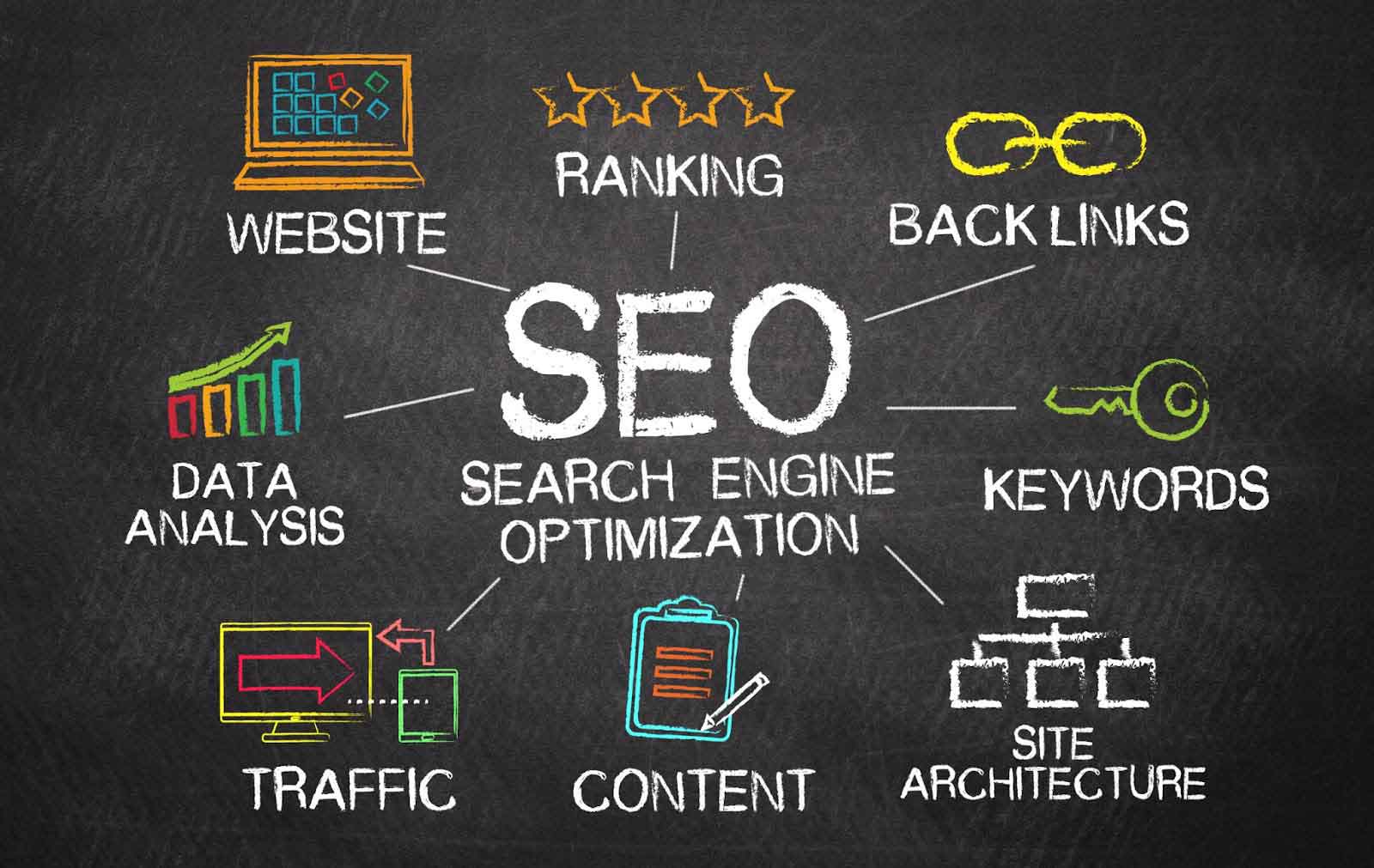
An essential part of this process includes understanding how search engines work and what factors influence ranking. For example, algorithms prioritize certain elements such as keywords, site structure, and user experience.
Importance of SEO for Websites
The significance of SEO cannot be overstated in today’s digital landscape. Consider the following points:
- Increased Visibility : Higher rankings lead to more views, which can translate into potential customers.
- Credibility and Trust : Websites that rank well often gain more trust from users.
- Cost-effective Marketing : Unlike paid ads, organic traffic through SEO is long-lasting and less expensive in the long run.
In my own experience, implementing these tactics significantly improved a blog I managed, transforming it from obscurity to a thriving resource. SEO truly takes a website from hidden to highlighted!
The Fundamentals of SEO
On-Page SEO Techniques
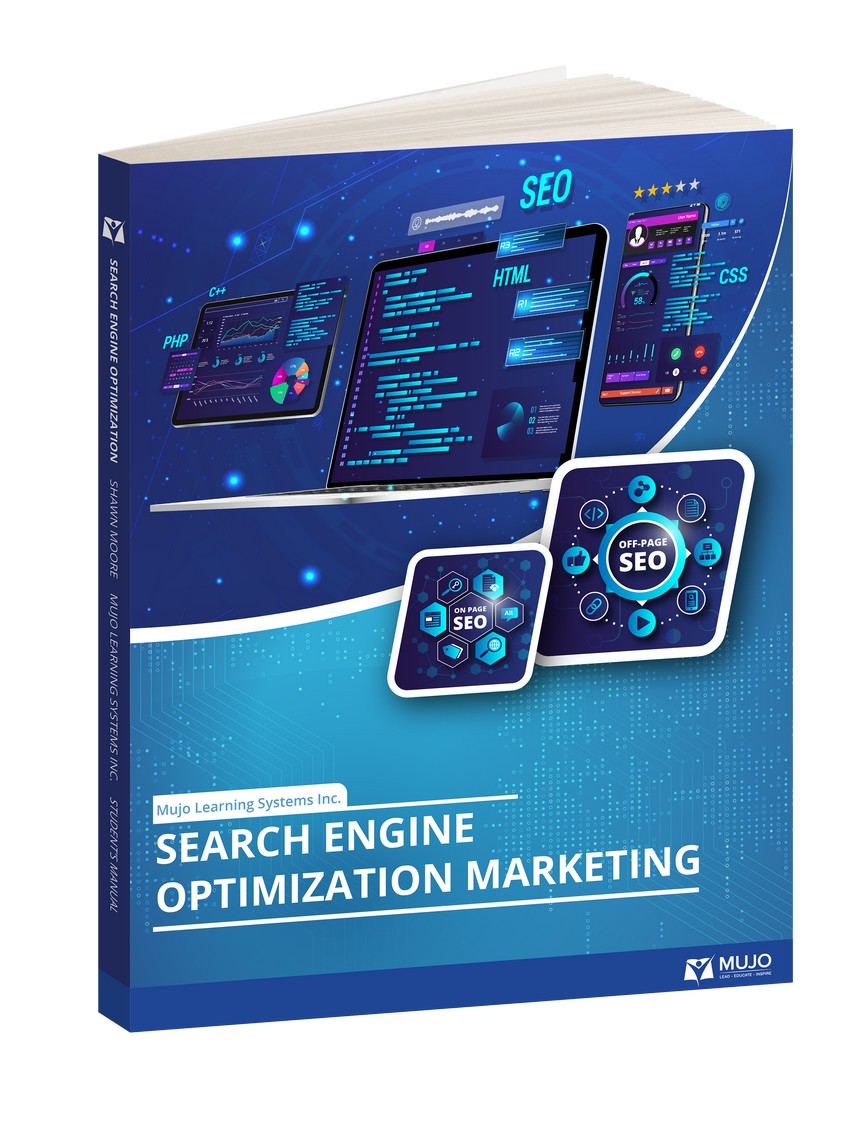
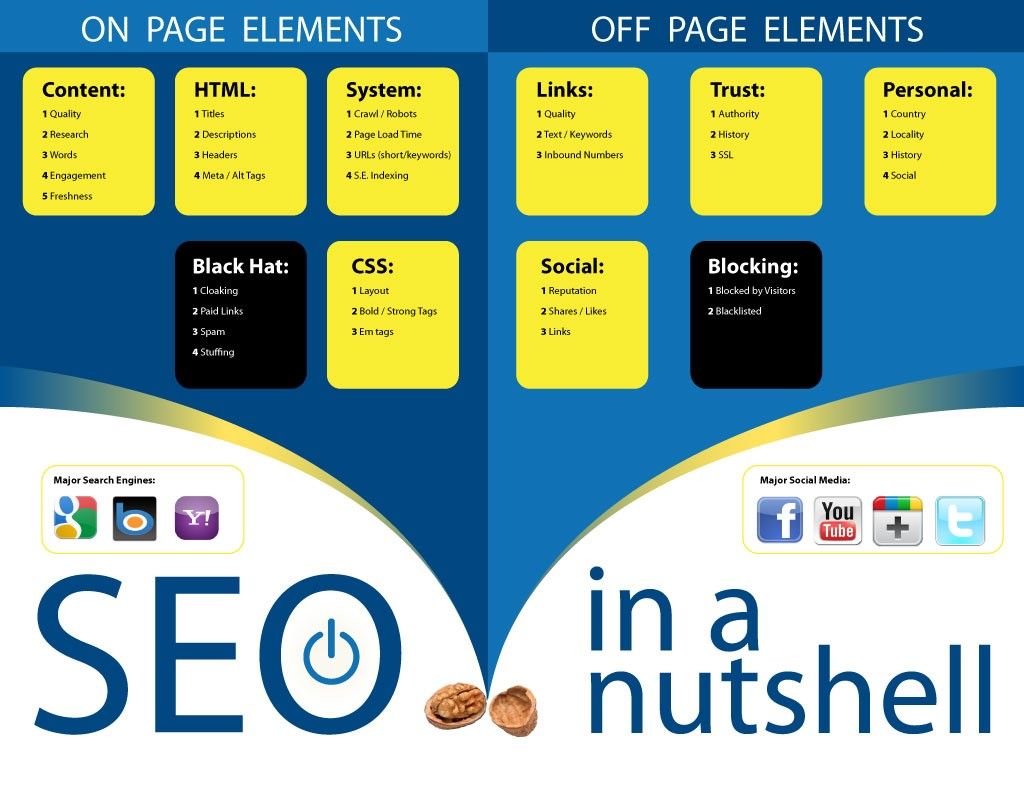
On-page SEO techniques focus on optimizing individual web pages to rank higher and earn more relevant traffic. This involves various elements directly on your site. For instance, using proper header tags, including internal links, and crafting compelling meta descriptions can significantly impact your ranking. Here’s what to keep in mind:
- Content Quality : Create valuable, engaging content that resonates with your audience.
- Keyword Placement : Strategically embed keywords in titles, headers, and within the content.
- User Experience : Ensure your website is easy to navigate and visually appealing.
I once implemented these techniques on a project, boosting its traffic by over 50% in just a month!
Off-Page SEO Strategies
On the other hand, off-page SEO strategies focus on external factors that influence search engine rankings. This primarily involves building a strong online presence through backlinks and social media engagement.
- Backlinks : Aim to earn links from reputable sites to enhance your credibility.
- Social Signals : Engage with your audience on platforms like Twitter or LinkedIn, driving traffic back to your website.
By combining both on-page and off-page techniques, one can truly create a solid foundation for successful SEO optimization.
Keyword Research and Analysis
Importance of Keywords in SEO
Keywords are the foundation of effective SEO. They are the terms and phrases that users type into search engines, making them crucial for driving organic traffic to your website. Without a strategic approach to keywords, your content might not reach the audience it deserves. Here’s why they matter:
- Targeted Traffic : Using relevant keywords ensures that the visitors to your site are genuinely interested in your offerings.
- Content Relevance : Keywords signal to search engines what your content is about, improving its chances of ranking.
- Competitiveness : Keywords inform you about your competition and market trends, helping you stay ahead.
I remember when I first discovered the power of keywords while managing a travel blog. After targeting specific keywords, my page views skyrocketed, proving their importance firsthand!
Tools for Effective Keyword Research
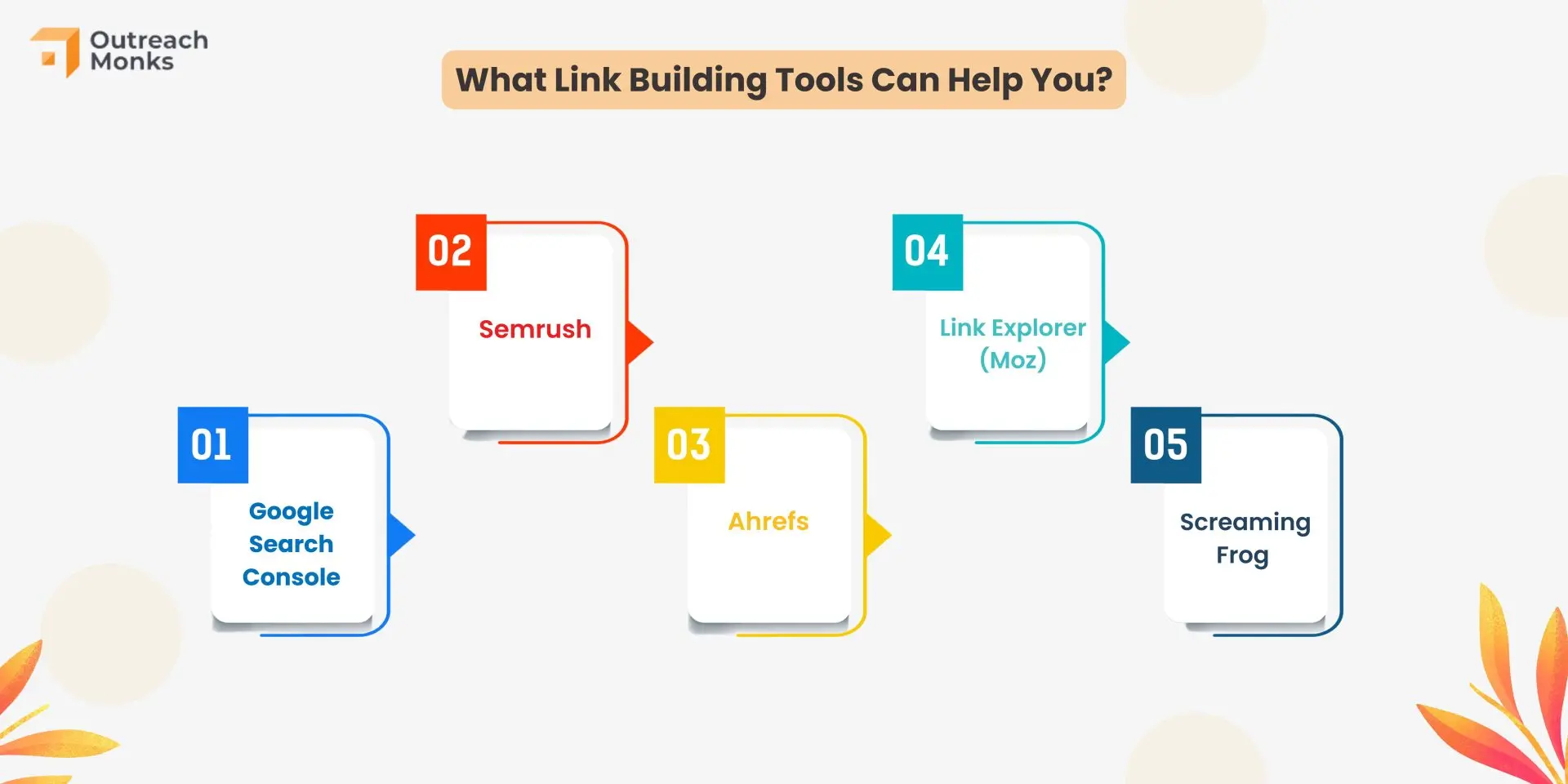
To harness the power of keywords, effective research is essential. Several tools can help you with this process:
- Google Keyword Planner : A classic tool for finding keyword ideas based on search volume.
- SEMrush : Offers insights not just on keywords but also on competitors’ strategies.
- Ahrefs : Great for analyzing keyword difficulty and search trends.
Using these tools helps streamline your content strategy and align it with what users are searching for, ensuring your efforts in SEO optimization pay off.

Content Optimization for SEO
Writing High-Quality Content
Crafting high-quality content is at the heart of effective SEO optimization. It’s essential to provide value to your audience while seamlessly incorporating keywords. Here’s how to ensure your content stands out:
- Engaging Introductions : Start with a hook that captures attention and makes readers want to continue.
- In-Depth Information : Dive deep into topics, offering insights and solutions that address your readers’ needs.
- Readability : Break up text using headings, bullet points, and images to enhance clarity and engagement.
From my experience, a well-structured post on a niche topic not only attracted more visitors but also kept them engaged, reducing bounce rates significantly.
Optimizing Meta Tags and Descriptions
While content quality is imperative, optimizing meta tags and descriptions is equally crucial. These elements play a vital role in how search engines and potential readers perceive your page.
- Title Tags : Include primary keywords and keep them under 60 characters to ensure they display correctly.
- Meta Descriptions : Write compelling summaries of your content within 150-160 characters, encouraging clicks.
Personalizing meta descriptions with a unique angle can be the difference between a searcher clicking on your link or overlooking it. When I revamped my meta tags, I noticed a significant boost in click-through rates, confirming their importance in content optimization for SEO.
Technical SEO Optimization
Website Speed and Performance
Website speed is a crucial aspect of technical SEO optimization. A slow-loading site not only frustrates users but also impacts your search rankings. Search engines prioritize sites that provide a fast, seamless experience. Here are some key elements to consider for enhancing speed:
- Image Optimization : Compress images to reduce load time without sacrificing quality.
- Minimize HTTP Requests : Limit the number of elements on a page to streamline loading.
- Leverage Browser Caching : This allows repeat visitors to load your site faster as they don’t need to download everything anew.
I once worked on a project where improving loading times from five seconds to two seconds resulted in double the engagement—proof that every second counts!
Mobile-Friendliness and Responsiveness
In today’s mobile-driven world, ensuring your site is mobile-friendly is no longer optional—it’s essential. Responsive design adapts your website layout to various screen sizes, enhancing user experience. Key steps to ensure mobile compatibility include:
- Fluid Grids : Use a layout that scales dynamically based on the device.
- Touch-Friendly Navigation : Make buttons and links easy to click on mobile interfaces.
- Minimal Pop-ups : Avoid intrusive pop-ups that disrupt the mobile browsing experience.
When I transitioned a website to a responsive design, I observed a noticeable decrease in bounce rates, reinforcing how important mobile optimization is for overall SEO success. By prioritizing speed and mobile-friendliness, you set the stage for a user-centric experience that search engines reward.
Link Building Strategies
Importance of Backlinks
Backlinks play a pivotal role in SEO strategy as they signal to search engines that your content is valuable and trustworthy. When reputable websites link to yours, it enhances your domain authority and boosts your rankings in search results. Here’s why they matter:
- Credibility : High-quality backlinks enhance your site’s credibility in the eyes of search engines.
- Referral Traffic : Backlinks can bring direct traffic from users clicking on those links.
- Search Engine Ranking: A solid backlink profile can significantly improve your position on search engine results pages (SERPs).
I remember when I partnered with an established blog in my niche. Their backlink to my site not only increased referral traffic but also improved my rankings dramatically within weeks!
Building a Strong Link Profile
To effectively build a strong link profile, consider these strategies:
- Guest Blogging : Write articles for other reputable sites with a link back to your own.
- Create Shareable Content : Infographics, guides, and research reports are likely to be shared and linked to.
- Engage in Online Communities : Participate in forums and social media groups, leaving valuable comments with links to your site where appropriate.
By implementing these strategies, building a robust link profile becomes manageable, resulting in long-term SEO benefits. It’s not just about quantity; quality matters just as much, if not more!

Measuring SEO Success
Key Performance Indicators (KPIs) in SEO
Measuring SEO success hinges on understanding key performance indicators (KPIs). These metrics help gauge the effectiveness of your SEO efforts and inform adjustments needed for improvement. Here are some crucial KPIs to consider:
- Organic Traffic : The number of visitors coming from search engines indicates how well your SEO strategies are working.
- Bounce Rate : A high bounce rate might suggest that your content isn’t meeting visitor expectations or needs enhancement.
- Conversion Rate : This measures how well your site is converting visitors into customers or leads, a crucial indicator of success.
When I first started tracking these KPIs on my personal blog, it opened my eyes to areas needing improvement, especially regarding user engagement.
Analyzing SEO Metrics and Reports
Once you identify the KPIs, analyzing SEO metrics and reports is vital to optimize your strategies continuously. Here’s how to approach this:
- Use Analytics Tools : Platforms like Google Analytics provide a wealth of data on traffic sources, behaviors, and user demographics.
- Regular Reporting : Establish regular reporting intervals (monthly or quarterly) to track improvements over time.
- Competitor Analysis : Use tools to assess how your site performs against competitors, helping to identify gaps and opportunities.
By scrutinizing these metrics, you can effectively adjust your SEO tactics, ensuring that your efforts lead to tangible results and a strong online presence.
Local SEO Optimization
Optimizing for Local Search
Local SEO optimization is crucial for businesses that cater to a specific geographic area. By focusing on local searches, you can connect with potential customers in your vicinity. Here are some key strategies to consider:
- Local Keywords : Incorporate location-specific keywords (like “best coffee shop in Brooklyn”) into your website content.
- Location Pages : If you have multiple locations, create separate pages that target each area, providing unique content relevant to that location.
- NAP Consistency : Ensure your Name, Address, and Phone Number are consistent across all platforms, which builds credibility and aids search engines in displaying accurate information.
When I worked with a local bakery, optimizing for local search helped them increase foot traffic significantly. They went from being a neighborhood gem to a recognized name in the area!
Google My Business and Local Directories
A vital element of local SEO is utilizing Google My Business (GMB). This free tool allows businesses to manage their online presence across Google, including search results and maps. Here’s how to make the most of GMB:
- Complete Your Profile : Fill in all relevant information—hours, photos, and services offered.
- Encourage Reviews : Positive customer reviews can enhance your credibility and visibility in local search results.
- Post Regularly : Use the updates feature to share promotions or events, keeping your profile fresh.
Additionally, listing your business in local directories can improve your chances of being found. Take the time to ensure your information is accurate in directories like Yelp or Yellow Pages. By implementing these tactics, your local visibility can skyrocket, helping you attract more customers from your community.

Advanced SEO Techniques
Schema Markup and Rich Snippets
As the world of SEO evolves, adopting advanced techniques like schema markup can provide a significant advantage. Schema markup is a form of microdata that enhances the way search engines read and interpret your content. By adding this code to your site, you can enable rich snippets in search results. Here’s why you should consider it:
- Increased Visibility : Rich snippets stand out and can lead to higher click-through rates.
- Enhanced Information : They allow you to display additional information such as star ratings, images, and pricing directly in search results.
- Authority Boost : Implementing schema can improve your perceived authority, further influencing ranking.
I once integrated schema markup for a client’s recipe blog, which resulted in gorgeous rich snippets that brought in a flood of new visitors!
Voice Search Optimization
Another advanced technique is voice search optimization. With the rise of smart assistants like Siri and Alexa, optimizing for voice search is increasingly vital. Here are some strategies to enhance your voice search presence:
- Focus on Conversational Keywords : Voice search queries tend to be more natural and question-based, so optimize your content accordingly.
- Answer Questions : Create content that answers common questions your audience might ask verbally, positioning your site as a go-to source.
- Local SEO Integration : Many voice searches are local in nature, so ensure your local SEO practices are solid.
By integrating schema markup and focusing on voice search, you’re setting your website up for success in an ever-competitive digital landscape!
SEO Tools and Resources
Popular SEO Tools for Analysis
To effectively implement your SEO strategies, utilizing the right tools is essential. Many tools offer insightful analytics that can guide your optimization efforts. Here are a few popular SEO tools to consider:
- Google Analytics : This is a must-have for tracking website performance, user behavior, and conversion rates.
- SEMrush : Comprehensive for competitor analysis, keyword research, and site audits. It’s one of my go-to tools for gaining insights into what others in my niche are doing.
- Ahrefs : Excellent for backlink checking and understanding your site’s overall health. I’ve found that it helps highlight areas that need immediate attention.
Using these tools can dramatically change how you approach your SEO strategy, turning data into actionable insights.
Useful Online SEO Resources
In addition to tools, various online resources offer guidance and updates on best practices. Here are some that I regularly refer to:
- Moz Blog : A great resource for in-depth articles on SEO trends and tips.
- Search Engine Journal : Keeps you up-to-date on industry news, algorithm updates, and strategies for improving your SEO.
- Google Search Central : Offers official guidelines and tips directly from Google.
These resources have been invaluable in shaping my understanding of SEO and keeping my strategies relevant. Staying informed about SEO best practices is essential for keeping ahead of the competition and ensuring ongoing success!
SEO Trends and Future Insights
Emerging Trends in SEO
As the digital landscape continuously evolves, staying ahead of emerging trends in SEO becomes essential. Some noteworthy trends to watch include:
- Artificial Intelligence : More search engines are leveraging AI to improve user experiences. Understanding algorithms like Google’s BERT can help refine your content strategy to be more conversational and context-focused.
- Video SEO : With the rise of platforms like TikTok and YouTube, optimizing video content for search can significantly enhance visibility and engagement.
- Core Web Vitals : Google is prioritizing page experience and load times. Focusing on these metrics ensures you meet users’ expectations.
I integrated some of these trends into my own blog, leading to improved user engagement and lower bounce rates!
Predictions for the Future of SEO
Looking ahead, several predictions can shape how we approach SEO:
- Voice Search : With smart speakers becoming commonplace, optimizing for voice search will continue to grow in importance.
- Local SEO : As more consumers search for local services, enhancing local visibility will be crucial for small businesses.
- Search Intent : Understanding user intent will become more sophisticated, meaning content must align closely with what users are seeking.
Anticipating these trends not only prepares your strategy for success but also ensures that your site remains relevant as SEO continues to evolve. Being proactive can truly set you apart in the competitive online market!
XII. Conclusion
Recap of Essential SEO Strategies
As we wrap up our exploration of SEO optimization, let’s recap some of the essential strategies that can pave the way for your website’s success:
- Keyword Research : Understand the terms your audience is searching for to create targeted content.
- On-Page and Off-Page SEO : Optimize every element of your site and foster relationships to earn quality backlinks.
- Technical SEO : Focus on website speed, mobile-friendliness, and schema markup to enhance user experience.
- Content Quality : Always create informative, engaging, and high-quality content that provides value.
When I applied these strategies to my website, it transformed my online presence, significantly boosting organic traffic and enhancing user engagement.
Final Thoughts on SEO Optimization
SEO optimization is not a one-time effort; it’s an ongoing process that requires adaptation and vigilance. With the digital landscape consistently evolving, keeping up with trends is vital.
Remember, the ultimate goal is to create a user-friendly experience while delivering value. By prioritizing these strategies and staying informed, you can position your website for sustainable success. Embrace the journey, and happy optimizing!