

Introduction
Definition of Content Marketing
Content marketing is a strategic marketing approach centered around creating and distributing valuable, relevant content to attract and engage a clearly defined audience. This type of marketing aims to inform, entertain, or inspire potential customers while subtly guiding them toward certain actions or purchasing decisions. Imagine a company that runs a blog full of tips, tutorials, and insights related to their industry; that’s content marketing in action.
Key elements of content marketing include:
- Quality: The content must be well-researched and professionally presented.
- Relevance: It should address the interests or problems of the target audience.
- Distribution: Sharing the content across the right platforms is crucial for visibility.
Definition of Product Marketing
Product marketing, on the other hand, focuses specifically on promoting a product to its target market. This encompasses everything from market research, product positioning, branding, and messaging to promotional strategies. For example, consider a tech company that launches a new smartphone; their marketing efforts might highlight unique features, conduct competitive analysis, and create campaigns that resonate with technology enthusiasts.
Importance of Marketing Strategies
Marketing strategies are vital as they serve as a roadmap for achieving business objectives. Effective strategies can lead to:
- Improved brand awareness
- Increased customer loyalty
- Higher sales conversions
In a world of fast-paced information and competitive markets, well-defined marketing strategies ensure businesses effectively convey their value proposition. By understanding both content and product marketing, organizations can tailor their approaches for maximum impact, fostering deeper connections with their audience.
Understanding Content Marketing
Goals of Content Marketing
The primary goals of content marketing are to inform, engage, and convert potential customers. By providing valuable information, businesses aim to build trust and establish authority in their industry. This can look like a company offering informative articles that educate readers about the latest trends, ultimately nudging them toward a purchase decision.
Key goals include:
- Brand Awareness: Make your brand known in your niche.
- Lead Generation: Attract potential customers through informative content.
- Customer Retention: Keep your audience engaged with ongoing value.
Types of Content in Marketing
Content marketing can take many forms, catering to diverse audience preferences. Here are some popular types:
- Blog Posts: Informative articles that provide insights or how-tos.
- Videos: Engaging visual content that can demonstrate products or share stories.
- Infographics: Visually appealing ways to present data and statistics.
- E-books and Whitepapers: In-depth resources often used for lead generation.
Content Marketing Tactics
When it comes to executing a content marketing strategy, several tactics can be employed to maximize effectiveness:
- SEO Optimization: Ensuring content is discoverable through search engines.
- Social Media Sharing: Amplifying reach by sharing content on platforms like Facebook or Twitter.
- Email Marketing: Sending curated content directly to subscribers to keep them engaged.
By focusing on these tactics, businesses can effectively meet their content marketing goals, ultimately creating a cohesive narrative that resonates with their target audience.
Understanding Product Marketing
Goals of Product Marketing
Product marketing aims to effectively position a product in the market to meet customer needs and drive sales. At the heart of this strategy is a clear understanding of the target audience and how the product solves their problems. For instance, a skincare brand may focus on educating consumers about the benefits of their natural ingredients to appeal to health-conscious buyers.
Key goals include:
- Market Penetration: Increasing sales within existing markets.
- Product Awareness: Ensuring potential customers know the product exists.
- Customer Feedback: Gathering insights post-launch to inform future improvements.
Product Development Process
The product development process involves multiple stages, from ideation to launch. Each step is crucial for ensuring that the final product aligns with market demands. This typically includes:
- Ideation: Brainstorming product concepts based on market research.
- Prototyping: Creating a minimum viable product (MVP) to gather user feedback.
- Testing: Conducting usability tests and focusing on functionality and user experience.
Product Marketing Strategies
Once the product is ready, effective marketing strategies become vital. These strategies can include:
- Positioning: Clearly defining the product’s unique value proposition.
- Messaging: Crafting compelling narratives that resonate with the audience.
- Promotional Campaigns: Utilizing various channels, such as social media and email, to engage potential customers.
By following these strategies, businesses can successfully navigate the competitive landscape and ensure a product’s successful launch and longevity in the market.
Contrasting Content and Product Marketing
Key Differences in Approach
While both content and product marketing play crucial roles in a company’s success, their approaches differ significantly. Content marketing focuses on long-term relationship building through valuable and engaging content aimed at educating and nurturing prospects. It operates under the principle that by providing helpful information, brands can establish trust and authority in their field.
In contrast, product marketing is more direct and transactional, concentrating on promoting a specific product to drive immediate sales. This might involve creating targeted campaigns highlighting key features and benefits that resonate with potential buyers.
Key differences include:
- Focus: Content marketing is about storytelling and audience engagement, while product marketing zeroes in on product features and benefits.
- Time Frame: Content marketing builds results over time; product marketing typically aims for quick conversions.
When to Use Content Marketing
Content marketing is ideal when the goal is to foster brand loyalty and build relationships. It works beautifully for:
- Educating the Market: Especially useful for new market entrants or when launching innovative products.
- Brand Awareness: When aiming to reach a broader audience through informative content.
When to Use Product Marketing
On the other hand, product marketing shines in scenarios such as:
- Product Launches: When introducing a new product, tailored promotions can create excitement and drive immediate sales.
- Specific Promotions: For seasonal sales or limited-time offers where urgency is key.
Understanding these distinctions allows businesses to effectively leverage both strategies for maximum impact, ensuring they engage audiences on multiple levels.
Integrating Content and Product Marketing
Synergies Between the Two
Integrating content and product marketing can create powerful synergies, allowing businesses to maximize their marketing efforts. When both strategies work in harmony, they can reinforce each other and enhance overall effectiveness. For example, while content marketing builds brand awareness and trust, product marketing focuses on converting informed prospects into customers. This combination creates a comprehensive marketing approach that nurtures potential buyers throughout their journey.
Key synergies include:
- Content as a Sales Tool: Informative blog posts or videos can educate customers about product benefits.
- Engaging Storytelling for Product Launches: Sharing behind-the-scenes content about product development can create excitement.
Examples of Successful Integration
Several brands have successfully integrated content and product marketing. For instance, HubSpot employs a blog filled with practical marketing tips while seamlessly promoting its software products. They combine educational content with strategic calls-to-action, guiding readers toward emails or free trials.
Another example is GoPro, which showcases user-generated videos on their website to highlight the capabilities of their cameras while encouraging future purchases.
Best Practices for Combined Strategies
To effectively integrate content and product marketing, consider these best practices:
- Create a Unified Strategy: Outline clear goals that link both marketing efforts.
- Use Analytics: Track performance metrics from both angles to identify areas for improvement.
- Encourage Cross-Team Collaboration: Ensure marketing and product teams communicate to deliver a cohesive message.
By combining content and product marketing, businesses can create a robust marketing strategy that not only attracts potential customers but also converts them into loyal advocates.
Analyzing Success Metrics
Metrics for Content Marketing
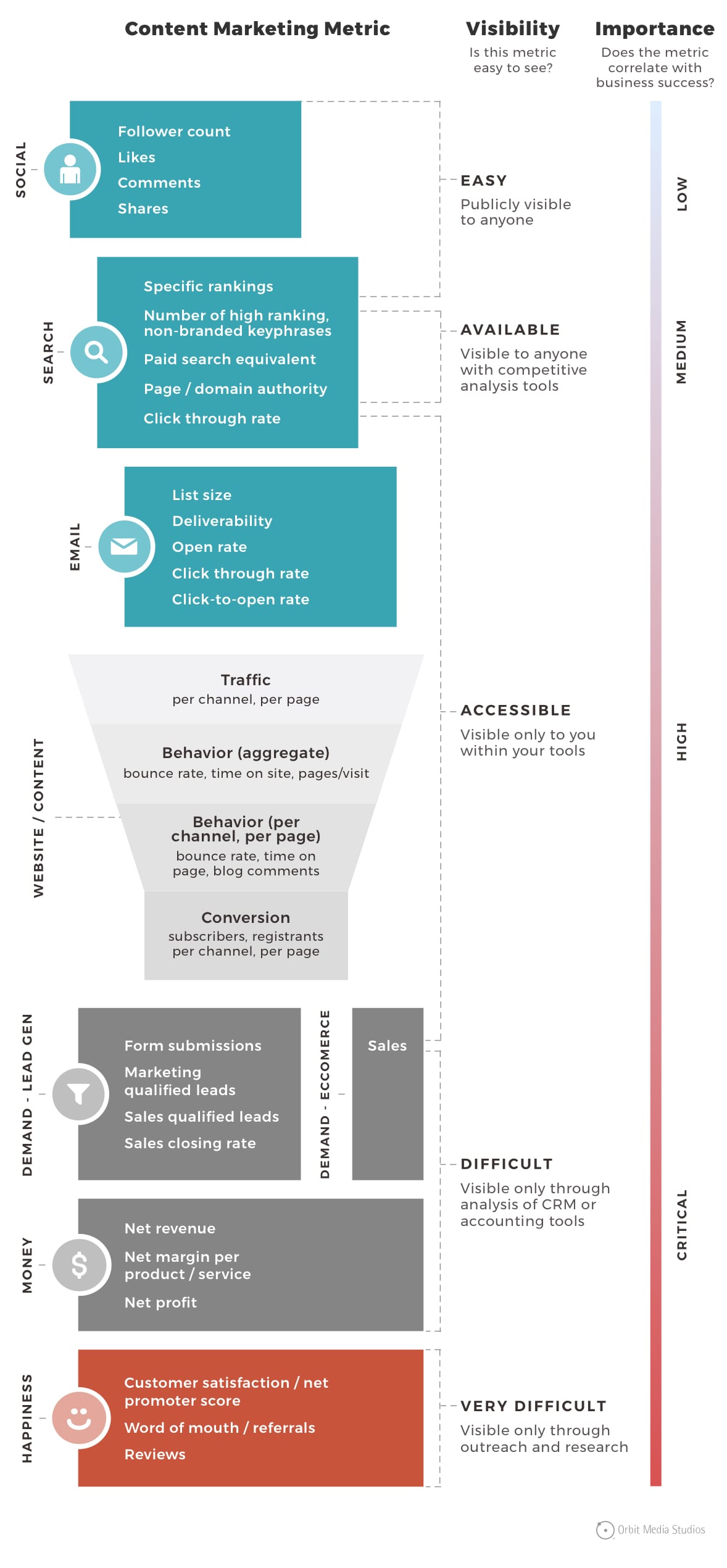
Measuring the success of content marketing is essential to understanding its effectiveness and refining future strategies. Key metrics include:
- Traffic: Tracking page views or unique visitors provides insight into how well content attracts an audience.
- Engagement: Metrics like average time on page, social shares, and comments can help gauge how well the content resonates with readers.
- Lead Generation: Monitoring the number of leads converted through calls-to-action embedded in content activities is vital.
For example, a company might find that a particular blog post was responsible for a significant boost in new subscribers to their email list.
Metrics for Product Marketing
When it comes to product marketing, success metrics focus on conversion and sales:
- Sales Revenue: Monitoring the sales generated directly from marketing campaigns underscores effectiveness.
- Market Share: Tracking changes in market share indicates how well a product is performing against competitors.
- Customer Feedback: Collecting reviews and ratings gives insight into customer satisfaction and areas for improvement.
For instance, a tech company might notice a spike in positive reviews following a targeted product launch campaign.
Comparative Analysis
When comparing metrics from both areas, businesses can gain a fuller picture of their marketing effectiveness. For example:
- Engagement vs. Conversion: High engagement in content marketing may not always translate to product sales—prompting a need to adjust messaging.
- Cross-Platform Performance: Analyzing how content efforts drive traffic to product pages reveals the strength of integrated strategies.
By regularly assessing these metrics, businesses can adapt their marketing efforts to ensure they achieve their strategic goals effectively.

Case Studies
Successful Content Marketing Campaigns
Examining successful content marketing campaigns provides insights into effective strategies. One notable example is Coca-Cola’s “Share a Coke” Campaign. This creative initiative involved personalized coke bottles with popular names printed on them, which encouraged customers to share pictures of their bottles online.
Key takeaways from this campaign include:
- User Engagement: By inviting consumers to post on social media, Coca-Cola significantly boosted its online presence.
- Emotional Connection: The personalized touch made consumers feel special, fostering brand loyalty.
Another example is HubSpot’s Inbound Marketing Blog, which offers valuable resources, tips, and industry insights. By consistently providing high-quality content, HubSpot attracts leads and positions itself as a thought leader in marketing.
Successful Product Marketing Campaigns
On the product marketing side, one standout case is Apple’s iPhone Launches. Apple utilizes a blend of hype-building, exclusive previews, and compelling presentations to create massive buzz before product launches.
Highlights of Apple’s approach include:
- Creating Anticipation: Their marketing strategy generates immense excitement, leading to long lines and quick sell-outs.
- Highlighting Unique Features: By showcasing innovative features through engaging demonstrations, Apple effectively communicates its product value.
Another example is Nike’s “Just Do It” Campaign, which emphasizes motivation and empowerment. This campaign not only promotes specific products but also aligns Nike with a lifestyle philosophy, resonating with a broad audience.
These case studies illustrate the power of both content and product marketing strategies; when executed effectively, they can enhance brand visibility, drive engagement, and generate substantial sales.

Future Trends in Marketing Strategies
Emerging Technologies Impacting Marketing
As technology continues to evolve, it profoundly impacts marketing strategies going forward. One of the most significant trends is the rise of artificial intelligence (AI), which is transforming how businesses analyze customer data and personalize experiences. For instance, AI-driven chatbots are enhancing customer service, providing instant responses that improve engagement.
Other emerging technologies include:
- Augmented Reality (AR): Brands like IKEA utilize AR to help customers visualize how furniture fits in their home before making a purchase, enhancing the shopping experience.
- Voice Search Optimization: With the increasing use of smart speakers, optimizing content for voice search is becoming crucial for businesses wanting to remain discoverable.
Evolution of Content and Product Marketing
As these technologies shape the marketing landscape, content and product marketing are evolving as well. Interactive content—such as polls, quizzes, and augmented reality experiences—engages users more meaningfully, creating memorable brand interactions.
Moreover, sustainability is influencing marketing strategies. Consumers increasingly favor brands that demonstrate a commitment to social responsibility, prompting businesses to integrate sustainability insights into their messaging and product offerings.
Overall, the future of marketing is leaning towards a more data-driven, customer-focused approach. As businesses embrace these trends, they will need to adapt their content and product strategies to meet the changing expectations of their audiences, ensuring they remain relevant and competitive in the marketplace.
Conclusion
Recap of Key Points
Throughout this exploration of marketing strategies, we’ve delved into the essential roles of both content and product marketing. We learned that content marketing focuses on building relationships through valuable, engaging content, while product marketing emphasizes the promotion of specific products to drive sales. Here’s a quick recap of the key points we covered:
- Goals: Content marketing aims to educate and engage, whereas product marketing seeks to generate immediate conversions.
- Metrics: Understanding success through different metrics helps businesses refine their strategies and improve outcomes.
- Integration: Merging content and product marketing enhances brand visibility and fosters customer loyalty.
Final Thoughts on Effective Marketing Strategies
In today’s fast-paced digital landscape, effective marketing strategies must be adaptable and data-driven. As we’ve seen, the use of emerging technologies like AI and AR will increasingly shape these strategies, making personal engagement even more critical.
Always remember, the ultimate goal is to understand your audience better and meet their needs, whether through informative content or targeted product promotions. Businesses should not only focus on sales but on building lasting relationships with their customers.
By embracing a holistic approach that integrates content and product marketing, companies can thrive in the competitive marketplace, ensuring they remain relevant and resonate with their audience long into the future. Keep adapting and innovating, and you’ll set your brand up for long-term success.