

Introduction to Long Tail Keywords
What are Long Tail Keywords?
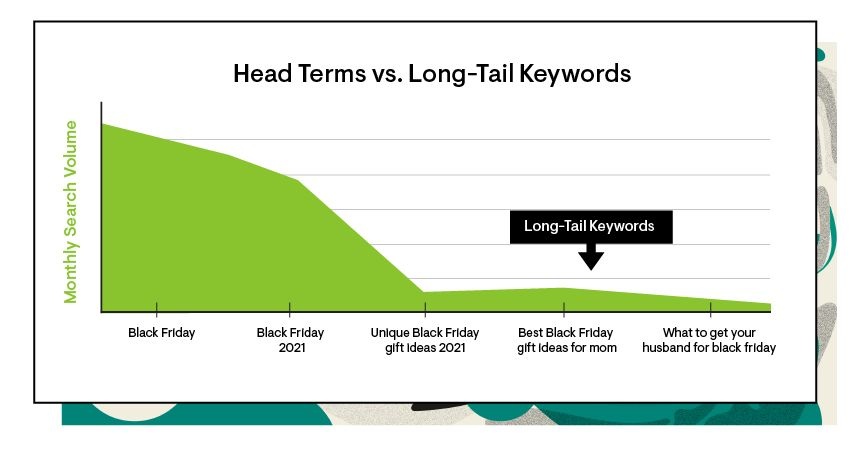
Long tail keywords consist of three or more words that are incredibly specific and typically less competitive than shorter, more general keywords. For instance, instead of just targeting “running shoes,” a long tail keyword would look something like “best running shoes for flat feet.”
This specificity not only acts as a search engine optimization (SEO) strategy but also helps clarify user intent. When someone types in a long tail keyword, they are usually further along in the decision-making process. Think about a recent purchase you made: did you search for a broad term, or did you use very specific phrases?
Key Characteristics of Long Tail Keywords:
- Specificity: They address very particular queries.
- Lower Competition: They often have fewer sites competing for the same terms.
- Higher Conversion Rate: Users searching with these terms are usually ready to buy or engage.
In a nutshell, long tail keywords fine-tune your content to meet the expectations of users who know exactly what they’re after.
Importance of Using Long Tail Keywords
In today’s digital landscape, where numerous businesses vie for online visibility, harnessing the power of long tail keywords can be a game changer. Here’s why these keywords deserve a top spot in your SEO strategy:
- Less Competition: Due to their specificity, long tail keywords usually face less competition. For example, while the keyword “shoes” may be saturated with competitors, “eco-friendly running shoes for women” allows you to stand out in a niche market.
- Enhanced Targeting: Long tail keywords invite users who are likely closer to making a purchase. This means you attract visitors who are genuinely interested in what you offer. If you have a blog about sustainable fashion, aiming for “sustainable activewear brands for plus-size women” can attract a dedicated audience.
- Higher Conversion Rates: Users searching for specific terms are often further along in their buying journey. When they find precisely what they’re looking for, they’re more likely to convert into customers. Picture this: a vibrant e-commerce store with engaging content that resonates perfectly with what users seek. That’s the power of long tail keywords at work!
- Voice Search Optimization: With the rise of voice-activated devices, more people naturally phrase their queries in longer formats. Incorporating long tail keywords aligns your content with how users verbally express their needs, increasing your chances of showing up in relevant search results.
- SEO Longevity: Long tail keywords often lead to longer-lasting traffic. As they focus on specific niches, they can continue to draw visitors long after your main keywords have peaked in popularity. For example, if you created an article titled “homemade vegan pasta recipe for gluten-free diets,” chances are it would remain relevant and continue attracting clicks over time.
By weaving long tail keywords into your content strategy, you essentially pave the way for a more engaging and focused user experience while simultaneously boosting your visibility and ranking in search engine results. So, why not start exploring the world of long tail keywords today?
Why Long Tail Keywords Matter in SEO
Benefits of Targeting Long Tail Keywords
Diving into the world of long tail keywords brings forth various advantages that can elevate your SEO strategy to new heights. Targeting these specific phrases can unlock unique opportunities for your website and its content, ultimately driving more traffic and engagement. Here’s a closer look at the benefits:
- Increased Relevance: Long tail keywords help you connect directly with your audience’s needs. For example, if someone searches for “affordable organic dog food for sensitive stomachs,” your content can address this specific need and cater to that user directly, enhancing the relevance of your website.
- Cost-Effective Advertising: If you’re investing in pay-per-click (PPC) advertising, long tail keywords can lead to more affordable bids. Fewer competitors are targeting these specific phrases, which often results in lower costs and higher returns on investment.
- Stronger Customer Relationships: By creating content around specific long tail keywords, you can share valuable insights that resonate with your audience. Offering guides, tips, or solutions to their queries builds trust and helps foster relationships that could lead to loyalty and repeat business.
- Improved User Experience: Providing information that specifically addresses user queries improves overall user satisfaction. This increased satisfaction can lead to longer visit durations, lower bounce rates, and more opportunities for conversions.
- Segmented Traffic: Long tail keywords allow you to reach niche markets. If you have a blog focused on fitness, using keywords like “yoga routines for busy professionals” can attract a specific demographic likely interested in customized content.
How Long Tail Keywords Improve Search Engine Ranking
Now that we understand their benefits, it’s essential to highlight how long tail keywords influence search engine ranking. By strategically incorporating these keywords into your content, you can enhance your visibility in search engine results. Here’s how:
- Lower Competition Equals Higher Ranking Potential: Since long tail keywords are less competitive, the likelihood of ranking high for them is significantly better compared to shorter, generic keywords. Businesses often overlook these specifics, giving you an edge in search visibility.
- Enhanced Click-Through Rates (CTR): When users find exactly what they’re searching for in your website title or page description, they’re more likely to click. A well-crafted website listing featuring a long tail keyword can draw more clicks than a vague, generalized one. This uptick in CTR helps boost your rankings, as search engines factor user engagement into their algorithms.
- Rich Content Opportunities: Long tail keywords can drive the creation of more targeted, high-quality content. Engaging blog posts, how-to guides, and FAQ sections centered around these words give search engines more content to crawl and index, further improving your site’s authority and relevance.
- Natural Language Processing (NLP): Search engines are evolving to understand natural language, thanks to advancements in AI. Long tail keywords often match voice search queries, as people tend to speak in full sentences. This makes your content more feasible for voice-activated searches, increasing your chances of appearing in top results.
Ultimately, the strategic use of long tail keywords strengthens your SEO presence by addressing the specific needs and queries of users while enhancing your website’s relevance and authority. Embracing these keywords is a step toward more effective content creation and higher rankings on search engines. So why wait? Begin identifying and using long tail keywords today to see tangible improvements in your online presence!
Understanding Keyword Research for Long Tail Keywords
Identifying Relevant Long Tail Keywords
Now that the significance of long tail keywords is well understood, let’s explore how to identify the right ones for your content strategy. The goal here is to find phrases that resonate with your audience and can significantly improve your SEO efforts.
To kick off the process, think about the specifics of your products or services. Ask yourself:
- What unique problems do they solve?
- Who is your target audience?
- What phrases are your customers likely typing in?
A practical approach to identifying relevant long tail keywords includes brainstorming sessions, searching online forums, or checking out competitors’ content. Here are some focused methods:
- Use the “Google Suggest” Feature: Start typing a phrase relevant to your niche in Google’s search bar and notice what suggestions pop up. These suggestions reflect what users are searching for, making them excellent candidates for long tail keywords. For instance, typing “organic gardening” may present suggestions like “organic gardening tips for beginners” or “organic gardening supplies online.”
- Explore Related Searches: After conducting a search, scroll down to the bottom of the results page to see “Related searches.” This section offers additional keyword ideas worth considering.
- Utilize Customer Feedback: Pay attention to the inquiries your customers frequently make. What questions do they have? Use these to inform your long tail keyword strategy.
Remember, the more specific your keywords, the better!
Tools for Conducting Keyword Research
With a list of potential long tail keywords, it’s time to delve deeper with the help of robust keyword research tools. These tools help refine your keyword list and provide insightful data about search volume, competition, and more—which are crucial for your strategy. Here are a few popular tools to consider:
- Google Keyword Planner: Perfect for beginners, this free tool helps you find keyword ideas and see their average monthly searches. It’s a fantastic starting point for any SEO strategy.
- Ahrefs: A more advanced tool, Ahrefs provides in-depth keyword analysis. You can check keyword difficulty, search volume, and click-through rates to understand how likely your chosen keywords are to succeed.
- Ubersuggest: This tool generates long tail keyword suggestions based on your domain. You can uncover additional keyword ideas, explore competitors’ strategies, and analyze trends.
- AnswerThePublic: This creative tool visualizes search questions and phrases based on the keywords you enter. It’s an effective way to discover new long tail keywords by highlighting what users are asking around a particular topic.
- SEMrush: This powerful tool offers keyword suggestions and competitive analysis. You can explore which keywords your competitors rank for and identify gaps in their strategy that you can exploit.
When utilizing these tools, aim to focus on keywords with a balanced combination of good search volume and lower competition. Analyzing keyword data can take time, but patience pays off.
In conclusion, identifying and researching long tail keywords is about understanding your audience and utilizing the right tools. By honing in on relevant keywords, you set the stage for effective content creation and meaningful engagement with your target market. So, get started today! Your website’s visibility and relevance depend on it.
Optimizing Content with Long Tail Keywords
Incorporating Long Tail Keywords Naturally
Now that you’ve identified the ideal long tail keywords for your content, it’s crucial to incorporate them seamlessly into your writing. The last thing you want is for your content to feel forced or awkward, as this can turn readers away quickly. Here are some strategies for weaving long tail keywords into your content naturally:
- Use Keywords in Key Locations: Start by placing your long tail keywords in important areas like the title, headings (h2, h3), and the first 100 words of your content. This helps search engines understand the focus of your page while making it clear to readers what they can expect.
- Write for Your Audience First: Always prioritize creating quality content. Focus on delivering valuable information to your readers that incorporates your keyword naturally. For example, if you’re writing an article about “eco-friendly workouts at home,” use the phrase in context, rather than simply dropping it in without relevance.
- Vary Your Language: Avoid repetitive use of the same long tail keyword. Instead, employ synonyms or related phrases. This not only keeps the content engaging but also enhances its relevance to search engines.
- Incorporate Long Tail Keywords in Questions and FAQs: Addressing common questions can effectively incorporate long tail keywords. Enhance user experience by providing clear, valuable answers. This strategy is especially effective if your keywords align with user intent.
For example, you might write, “What are the best eco-friendly workouts at home for beginners?” This matches the user’s intent while also incorporating your keywords seamlessly.
Best Practices for Using Long Tail Keywords in Content
Now that you know how to incorporate long tail keywords naturally, let’s explore some best practices that can further amplify your SEO efforts:
- Maintain Keyword Density: While there’s no hard rule on a specific percentage, keeping a keyword density of around 1-2% is generally a good guideline. Be careful not to overstuff your writing, as this can backfire and harm your rankings.
- Create High-Quality, In-Depth Content: Content that is informative, engaging, and well-structured tends to rank better. For instance, if you’re covering a topic such as “top sustainable fabrics for fashion,” consider writing comprehensive guides rather than brief descriptions. Aim for at least 1,500 words to establish authority on the subject.
- Use Internal Linking: When you reference related topics or other articles on your website, use internal links that include long tail keywords. This not only enhances user experience but also encourages search engines to crawl your content more effectively.
- Optimize Meta Tags: Don’t forget to include your long tail keywords in your meta titles and descriptions. Although these directly don’t influence rankings, they do improve click-through rates, signaling to search engines that your content is relevant.
- Regularly Update and Refresh Your Content: Revisiting older posts and updating them with new information or integrating fresh long tail keywords can reinvigorate your content and improve its standing on search engine results.
Through these practices, your content can function as a powerful tool not only to attract visitors but also to keep them engaged. The key is always to stay focused on providing value while optimizing for search engines. With dedication and thoughtful execution, embracing long tail keywords will pave the way for higher visibility and better engagement!
Tracking and Analyzing the Performance of Long Tail Keywords
Monitor Keyword Performance with Analytics Tools
With long tail keywords integrated into your content, the next crucial step is to track and analyze their performance. Monitoring these keywords is essential to understanding how well they resonate with your audience and how they impact your search engine rankings. Fortunately, several analytics tools can help you do just that!
- Google Analytics: This powerhouse tool is an absolute must-have for anyone serious about their online presence. By setting up goals and tracking conversions, you can see which long tail keywords drive traffic and engagement on your website. For instance, if you notice a spike in users searching “vegan meal prep for beginners,” it could indicate that your content is hitting the mark!
- Google Search Console: This tool allows you to see which keywords bring visitors to your site. You can track impressions, clicks, and the average position of your long tail keywords. If a certain keyword isn’t performing as expected, it might be time to reassess your content strategy.
- SEMrush or Ahrefs: These tools provide comprehensive keyword tracking features, allowing you to analyze not just your long tail keywords, but also those of your competitors. This information can be invaluable when adjusting your strategy.
Make it a habit to regularly check these tools—weekly or monthly—to identify trends and changes in keyword performance. Doing so will keep you informed and enable you to make data-driven decisions.
Strategies for Adjusting Long Tail Keywords Based on Data
Once you’ve gathered performance data, it’s time to take action. Here are some effective strategies for adjusting your long tail keywords based on the insights you’ve gained:
- Evaluate Underperforming Keywords: If you notice long tail keywords that aren’t generating traffic, it may be time to either enhance the content around those keywords or reconsider whether they align with your audience’s interests. For instance, if “eco-friendly wedding planning tips” isn’t attracting clicks, consider updating the content or pivoting to a more relevant phrase like “sustainable wedding venues.”
- Optimize for Higher Engagement: If certain keywords are seeing traffic but low engagement, think about ways to improve your content. This might involve adding images, breaking up text with headings, or crafting more engaging introductions to draw readers in.
- Conduct A/B Testing: Utilize A/B testing to experiment with different long tail keywords within the same piece of content. For example, you might have two versions of a blog post title: one with “easy vegetarian recipes” and another with “10 quick vegetarian meals for busy weeknights.” By analyzing which title resonates more, you can choose the one that draws in more clicks.
- Refresh Outdated Content: If specific long tail keywords aren’t performing well, your content might be outdated or less relevant than competing posts. Take the opportunity to refresh it with new information, statistics, or recent trends to give it a boost.
- Stay Informed of Trends: Keep an eye on industry trends and adapt your keyword strategy accordingly. Tools like Google Trends can help you see what’s rising in popularity. If you spot a surge in interest around “zero-waste lifestyle tips”, consider creating or optimizing content around that keyword.
Tracking and adjusting the performance of your long tail keywords is an ongoing journey. With the right tools in place and a proactive approach, you can ensure your content remains relevant and effective in reaching your audience. By refining your strategy based on data insights, you not only enhance your SEO but also offer meaningful content that resonates with your readers!