Introduction
Importance of Metrics in Content Marketing
In the realm of content marketing, metrics serve as the vital signs that reflect the health of a campaign. Just as a doctor assesses a patient’s condition through various indicators, marketers scrutinize data to gauge the effectiveness of their strategies. Metrics provide insights into what resonates with the audience, illuminating the path toward success.
Consider this: a well-crafted blog post or a captivating video may not yield results unless it’s backed by robust analysis. The right metrics can help marketers identify:
- Which topics engage the audience: Understanding what content drives interaction can shape future strategies.
- Audience demographics: Knowing who engages with the content enables targeted communication and personalization.
- Overall ROI: Measuring return on investment helps in justifying budgets and securing resources for future campaigns.
Overview of Life Science Content Marketing
When it comes to life science content marketing, the landscape becomes even more specialized. This sector encompasses various fields including pharmaceuticals, biotechnology, and medical devices, and has distinct challenges and opportunities.
Life science marketers strive to educate a knowledgeable audience about complex topics while demonstrating authority and building trust. In this context, metrics not only highlight engagement levels but also provide insights into compliance and regulatory standards, which are paramount.
With the rapid advancements in technology and information dissemination, life science content must leverage metrics to not only inform but also to engage effectively in an ever-evolving marketplace. By analyzing relevant data points, marketers can ensure their content meets the needs of healthcare professionals, researchers, and patients alike, ultimately driving better outcomes for all stakeholders involved.
Defining Success in Life Science Content Marketing
Key Metrics for Evaluation
Defining success in life science content marketing hinges on selecting the right metrics to evaluate effectiveness. These metrics act as beacons that guide marketers in understanding their impact and areas for improvement. Among the most crucial are:
- Engagement Rates: Analyze how often your audience interacts with your content. This includes shares, comments, and likes, which reflect active interest.
- Lead Generation: Track how many leads are produced through your content. Metrics like downloads of whitepapers or sign-ups for newsletters indicate a successful hook.
- Audience Retention: Understand whether viewers return for more by measuring metrics like repeat visits or returning users.
These metrics not only inform strategies but also help in validating the content’s relevance within an often complex and technical industry.
Setting Goals and Objectives
With metrics at hand, the next step is setting realistic goals and objectives. A well-defined objective can guide a content marketing campaign and ensure alignment with overall business goals. For instance:
- Increase Website Traffic: Aim for a specific percentage rise in unique visitors each month.
- Enhance Brand Awareness: Set targets for social media mentions or improvements in search engine rankings.
A personal anecdote can illustrate this; a small biotech company focused on releasing bi-weekly content specific to recent research developments. By establishing clear objectives such as increasing engagement by 20% over a quarter, they could measure progress and adjust strategies accordingly.
In essence, success in life science content marketing requires clarity in goals and diligent tracking of key metrics, leading to a well-rounded strategy that meets both organizational and audience needs.
Website Traffic and Engagement Metrics
Page Views and Unique Visitors
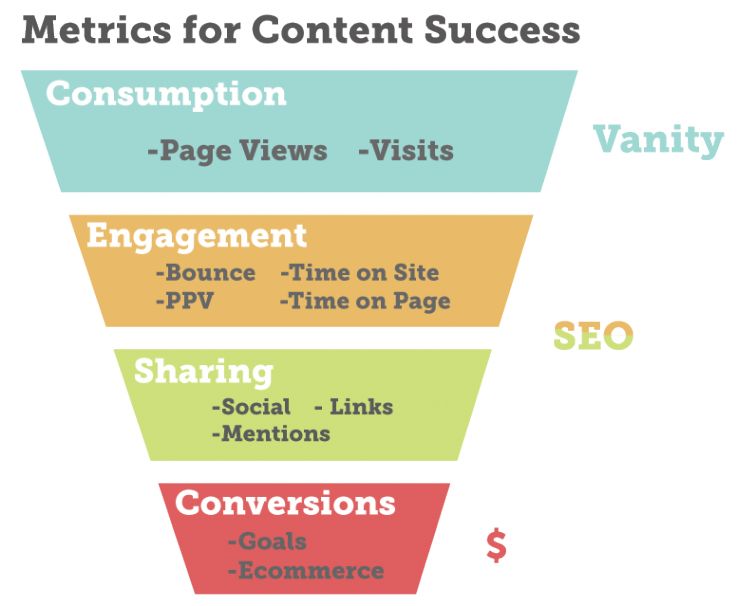
Once goals are set and key metrics identified, analyzing the fundamentals such as page views and unique visitors becomes essential in assessing content marketing performance. Page views indicate how many times your content has been accessed, while unique visitors highlight the distinct individuals visiting the site.
For instance, if a life science blog averages 1,000 page views per week but only 100 unique visitors, it suggests that returning users are heavily interacting with the content. This can indicate loyalty, but it may also suggest a need for broader outreach. Understanding these metrics can identify opportunities for growth:
- Targeted Content: Create specific campaigns aimed at new audiences by analyzing the interests of unique visitors.
- Engagement Strategies: Develop loyalty initiatives to retain existing audiences, such as membership benefits or exclusive content.
Bounce Rate and Average Session Duration
Two critical measures that further inform traffic effectiveness are bounce rate and average session duration.
- Bounce Rate: This percentage showcases visitors who leave the site after viewing only one page. A high bounce rate may signal irrelevant content or poor user experience.
- Average Session Duration: This metric tracks how long visitors engage with the site. A longer average session often indicates relevant and compelling content.
Consider a scenario where a life sciences company notes that its average session duration is four minutes, but the bounce rate is at 70%. This disparity could suggest that while the content is captivating, the landing pages may not be effectively guiding users to explore more.
By analyzing these metrics together, marketers can not only enhance user experience but also refine content strategies to better meet the needs of both new and returning visitors, thus driving increased engagement and conversion rates.
Social Media Metrics for Evaluation
Likes, Shares, and Comments
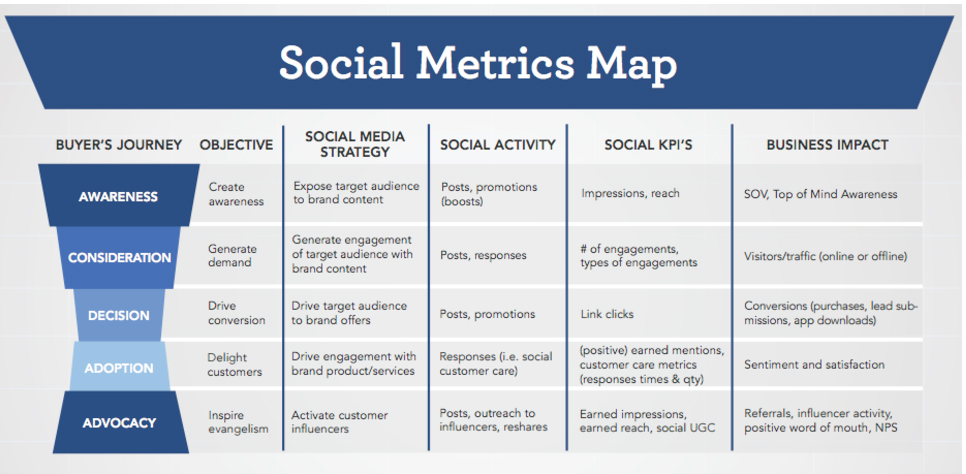
As digital platforms continue to evolve, social media metrics emerge as pivotal indicators of content marketing success. Metrics like likes, shares, and comments provide key insights into audience engagement and sentiment.
- Likes: These quick reactions reveal immediate approval of content. A surge in likes can signal that a particular topic resonates well with the audience.
- Shares: When users share content, they amplify its reach, exposing it to new audiences. This is particularly important in the life sciences sector, where complex ideas need broader dissemination.
- Comments: Qualitative feedback in the comments can provide deeper insights into audience perceptions. Reviewing comments not only helps gauge understanding of content but also fosters a community discussion around it.
For example, when a pharmaceutical company launched a campaign on a groundbreaking study, the overwhelming shares indicated that healthcare professionals found the information valuable enough to spread within their networks.
Follower Growth and Social Media Reach
In addition to engagement metrics, tracking follower growth and social media reach is crucial in evaluating overall campaign success.
- Follower Growth: This metric reflects how well your content attracts new audiences and can indicate brand interest. A steady increase signifies effective content strategies.
- Social Media Reach: Understanding how many unique users see your posts helps gauge brand exposure. It also shows whether your content strategy resonates with your target audience.
A personal example involves a biotech firm that focused on targeted educational posts. By analyzing these metrics, they discovered that their follower growth spiked importantly when they shared accessible research summaries, indicating a demand for simplified scientific information.
By assessing these social media metrics, marketers can continuously adapt their strategies to enhance engagement, expand reach, and nurture a thriving online community around life science topics.
Email Marketing Metrics
Open Rate and Click-Through Rate
In the digital marketing world, email remains a powerful tool for reaching audiences, particularly in the life sciences sector. To evaluate the effectiveness of email campaigns, key metrics like open rate and click-through rate (CTR) come into play.
- Open Rate: This percentage reflects how many recipients opened an email, indicating the effectiveness of your subject line and timing. A higher open rate suggests that the initial hook caught your audience’s interest.
- Click-Through Rate: Once an email is opened, the CTR shows how many people took action by clicking on a link within the email. This metric directly correlates with the quality of the content and its relevance to the audience.
For example, a life sciences company recently sent out an email newsletter featuring a breakthrough study. By experimenting with compelling subject lines and enticing content, they achieved an open rate of 35%—a notable improvement from the previous campaign.
Conversion Rate and Subscriber Growth
Beyond open and click-through rates, conversion rate and subscriber growth metrics are essential for gauging the overall impact of email marketing efforts.
- Conversion Rate: This metric measures the percentage of subscribers who completed a desired action, such as signing up for a webinar or downloading a resource. Tracking conversions is crucial to understand how well emails turn interest into tangible leads.
- Subscriber Growth: This indicates the success of your email campaigns in attracting new subscribers. A consistent increase in your mailing list signifies valuable content and effective outreach strategies.
Reflecting on a case study, a leading medical device manufacturer strategically placed calls to action (CTAs) in their emails, resulting in a 10% conversion rate for webinar registrations. By continually analyzing these metrics, they could fine-tune their messaging to resonate better with their audience.
In conclusion, by monitoring open rates, click-through rates, conversion rates, and subscriber growth, life science marketers can gain deeper insights into their email marketing effectiveness, ensuring they adapt and optimize their strategies for greater success.
Content Performance Metrics
Top Performing Content Analysis
As marketers dive deeper into their content strategies, analyzing top-performing content becomes an invaluable task. Understanding what works best helps refine future efforts and align them with audience preferences.
- Identify High-Performing Pieces: By examining metrics like page views, engagement rates, and social shares, marketers can pinpoint which articles, videos, or infographics capture the most attention.
- Analyze Content Themes: Look for common themes or formats among top performers, whether it’s detailed research articles, case studies, or simplified explanations of complex topics.
For instance, a healthcare marketing team may find that their reports on breakthrough clinical trials consistently outperform other content types. Recognizing this pattern can guide content planning for future newsletters or blog posts, ensuring that they continue to resonate with their audience.
Engagement with Different Content Types
Another critical metric is understanding how different types of content engage the audience. Each format—be it blog posts, videos, infographics, or podcasts—offers unique opportunities for interaction.
- Videos: These typically yield higher engagement rates, as audiences may prefer visually informative content, especially for complex topics.
- Infographics: These can simplify intricate concepts, making them easily shareable and more likely to be referenced in discussions.
Reflecting on a personal example, when a life sciences company started incorporating more infographics into their content strategy, they noticed increased shares on social media, particularly among research professionals who appreciated the visual breakdown of data.
By measuring engagement across various content types, life science marketers can not only optimize their existing strategies but also innovate and experiment with new formats. This proactive approach ensures that they continually meet audience needs and foster meaningful interactions across platforms.
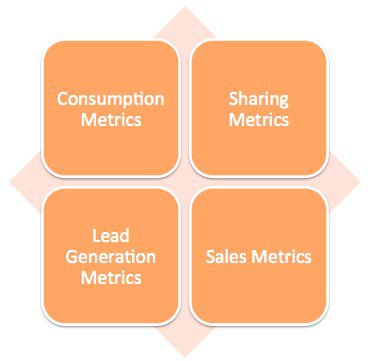
Lead Generation Metrics
Number of Marketing Qualified Leads
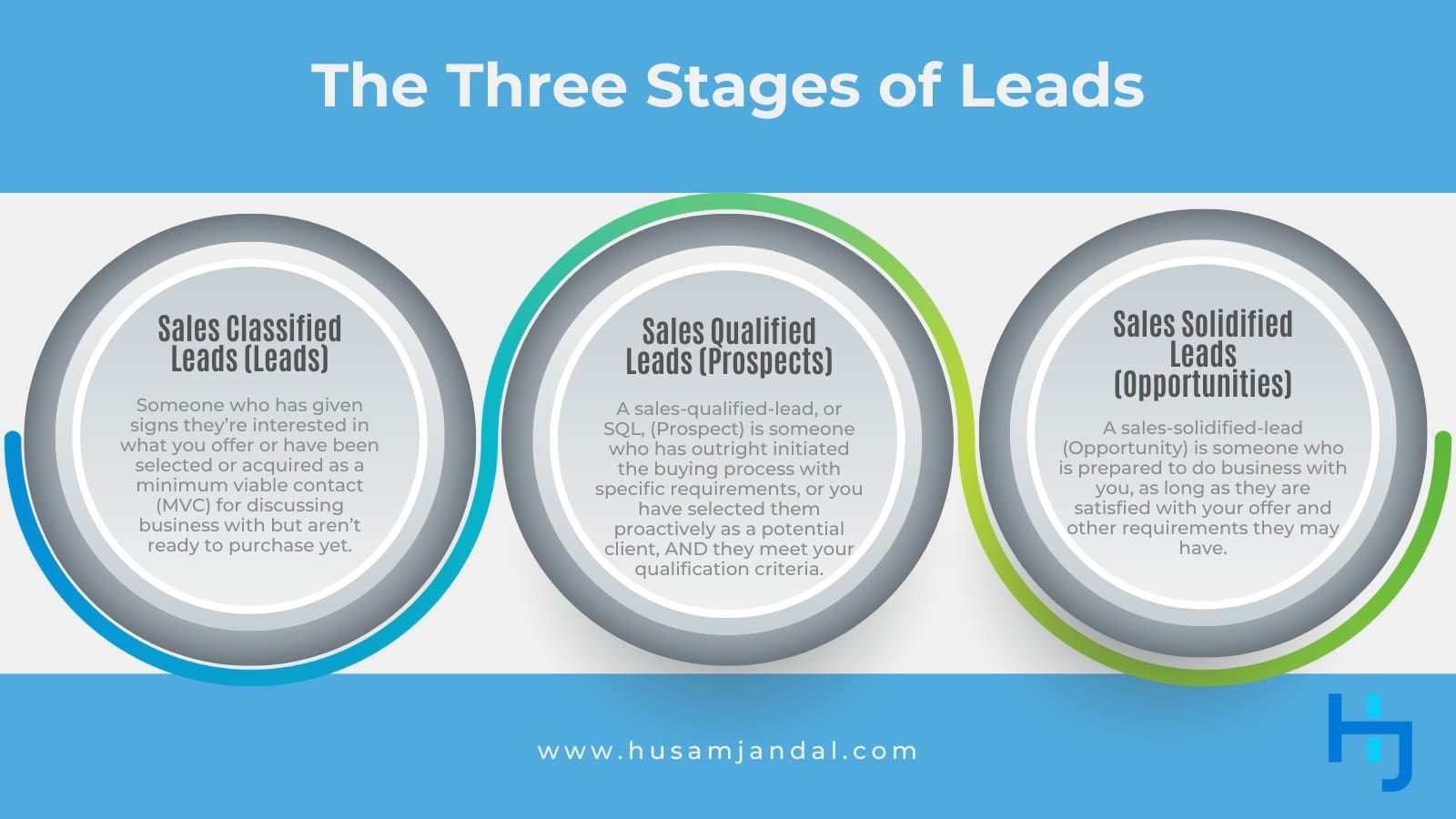
Transitioning from content performance to lead generation is where the real magic happens in content marketing. One of the key metrics to track is the number of Marketing Qualified Leads (MQLs). These leads have shown genuine interest in your products or services, typically indicated by engaging with valuable content, subscribing to newsletters, or attending webinars.
- Define MQL Criteria: Establish clear criteria for what constitutes an MQL for your organization. This may include specific actions, such as downloading a whitepaper or signing up for a free trial.
- Track Progress Over Time: Monitoring the number of MQLs helps assess the effectiveness of your lead generation strategies.
For example, when a life science startup focused on producing educational content like eBooks, they noticed a 40% increase in MQLs in just three months, demonstrating how valuable content can directly drive interest in their offerings.
Conversion Rate of Leads into Customers
However, generating leads is just the first step; converting those leads into paying customers is where the real success lies. The conversion rate of MQLs into customers is a pivotal metric for evaluating the effectiveness of your overall marketing strategy.
- Track the Conversion Journey: Analyze the journey of leads from initial engagement to final sale. Identifying key touchpoints and bottlenecks can improve conversion strategies.
- Optimize Sales Follow-up: Ensure that the sales team is equipped with the right tools and information to nurture these leads. Personalizing follow-ups based on lead interactions can significantly enhance conversion rates.
A pertinent example involved a diagnostic company that tracked their leads closely during a product launch. By refining their follow-up process and aligning marketing and sales efforts, they boosted their conversion rate from 15% to 25% within a launch quarter.
In summary, focusing on the number of MQLs and the conversion rate provides life science marketers with critical insights that not only drive lead generation but also foster growth and sustainable customer relationships. Balancing these metrics ensures that marketing efforts translate into tangible business outcomes.
ROI and Cost Analysis
Calculating Return on Investment (ROI)
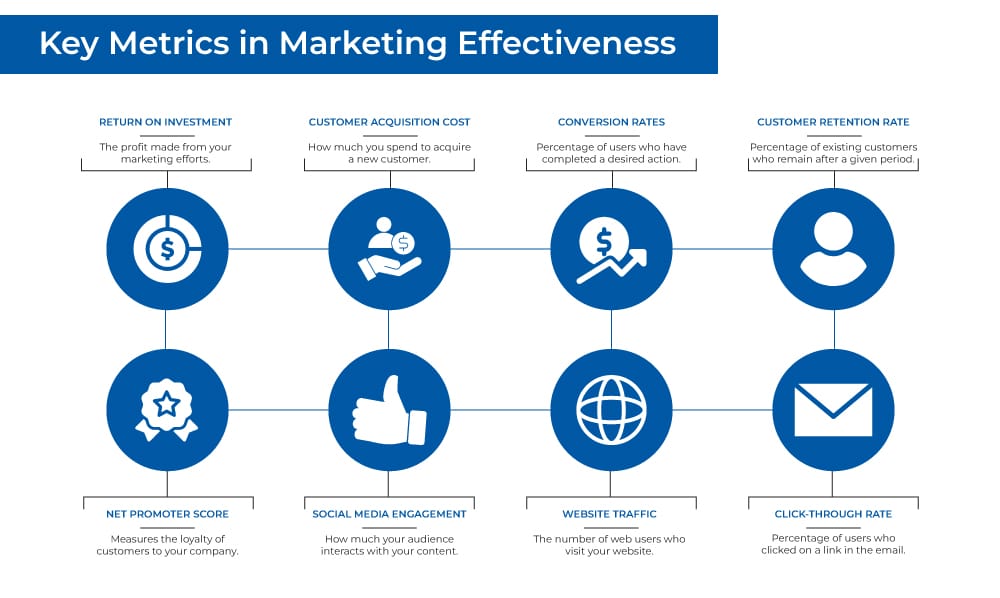
As life science marketers dig deeper into the effectiveness of their campaigns, understanding the financial impact of their efforts through Return on Investment (ROI) becomes essential. ROI measures the profitability generated from marketing investments and provides a clear picture of whether resources are being used effectively.
- Formula for ROI: To calculate ROI, use the formula:
[ text{ROI} = left( frac{text{Net Profit}}{text{Cost of Investment}} right) times 100 ] - Evaluate Different Channels: Knowing the ROI from various channels can help marketers allocate budgets effectively. For instance, if content marketing yields a 300% ROI while paid advertising returns only 150%, it may influence strategic decisions moving forward.
In my experience, a bioscience company that diligently tracked its ROI discovered that webinars were not only cost-effective but also converted leads at higher rates than their traditional marketing efforts.
Cost per Acquisition (CPA) Analysis
Alongside ROI, understanding the Cost per Acquisition (CPA) is another crucial metric that helps assess the efficiency of marketing efforts. CPA refers to the total cost incurred to acquire a new customer, allowing businesses to evaluate how much they’re spending relative to the outcomes.
- Breakdown of CPA: Calculate CPA by dividing total marketing costs by the number of new customers acquired:
[ text{CPA} = frac{text{Total Marketing Costs}}{text{Number of New Customers}} ] - Identify Cost Drivers: A thorough CPA analysis can uncover specific costs associated with different campaigns. This helps identify areas for optimization, like reducing ad spend or increasing organic reach.
For instance, a diagnostic lab realized through CPA analysis that their social media campaigns were resulting in much lower acquisition costs compared to email marketing. Armed with this insight, they adjusted their strategies to focus more on social channels.
In conclusion, by closely monitoring ROI and CPA, life science marketers can ensure that their expenditures not only drive engagement and sales but are also aligned with overall business goals, leading to sustainable growth.
Continuous Optimization and A/B Testing
Importance of A/B Testing in Content Marketing
As life science marketers strive for excellence, continuous optimization becomes essential, and A/B testing emerges as a fundamental strategy in this process. A/B testing involves comparing two versions of a piece of content to determine which one performs better based on specific metrics.
- Data-Driven Decisions: By utilizing A/B testing, marketers can back their decisions with concrete data rather than assumptions. This approach empowers businesses to understand what resonates with their audience.
- Optimizing Content Elements: Even minor changes—like adjusting a headline, modifying visuals, or altering call-to-action buttons—can significantly impact engagement rates.
A personal anecdote involves a pharmaceutical company that tested two different email subject lines for a product launch. The winning subject line achieved a 25% higher open rate, demonstrating how A/B testing directly improves outreach effectiveness.
Strategies for Continuous Improvement
To foster ongoing improvement, marketers must embrace a mindset of experimentation and fine-tuning. Here are strategies to consider:
- Prioritize Testing Opportunities: Regularly review which content pieces get the most traffic and interactions, then experiment with various elements of these popular pieces.
- Set Clear Goals: Ensure that each A/B test is aligned with specific objectives, whether it’s increasing click-through rates, conversions, or lead generation.
- Analyze Data Thoroughly: Post-testing, analyze the results comprehensively. Look for patterns over time rather than just focusing on a single test outcome.
For instance, a medical journal publisher continually ran A/B tests on their content layout, discovering that a simpler design improved user interactions significantly. By focusing on ongoing testing and learning, they maintained a competitive edge in content delivery and audience engagement.
In summary, through diligent A/B testing and a commitment to continuous optimization, life science marketers can stay attuned to audience preferences, craft more compelling content, and ultimately drive better results in their campaigns.
Conclusion
Summary of Key Metrics
As we wrap up our exploration of content marketing in the life sciences, it’s vital to revisit the key metrics that have a direct impact on your marketing success. By focusing on:
- Engagement Metrics: Such as likes, shares, and comments, which indicate audience interaction and interest.
- Lead Generation Metrics: Including Marketing Qualified Leads (MQLs) and conversion rates that measure how effectively content turns interest into customers.
- Email Marketing Metrics: Like open rates and click-through rates, which help assess the effectiveness of communications.
- ROI and Cost Analysis: To ensure that marketing investments yield profitable returns.
These metrics provide invaluable insights, allowing marketers to refine strategies continuously, leverage successful content, and ultimately improve audience engagement and conversion.
Future Trends in Content Marketing Evaluation
Looking forward, certain trends are poised to shape how content marketing is evaluated.
- Increased Personalization: As consumer data becomes more sophisticated, personalized content that resonates with individual users’ needs and preferences will take center stage.
- AI and Automation Tools: Utilizing artificial intelligence for data analysis will give marketers deeper insights into audience behavior, making optimization more precise.
- Emphasis on Multi-Channel Strategies: Integrating various platforms—social media, email, and content marketing—will allow for a more cohesive approach to audience engagement.
Reflecting on my experiences, I observed a noticeable shift within a healthcare startup that adopted more personalized content strategies, significantly increasing their engagement and lead generation rates.
In conclusion, by focusing on these key metrics and embracing future trends, life science marketers can adapt and thrive in a dynamic landscape, ensuring their content strategies remain effective and relevant.