

Introduction
Content marketing has become an essential aspect of any successful business strategy in today’s digital age. With an overwhelming influx of information bombarding consumers daily, brands must find innovative ways to capture their audience’s attention and connect meaningfully. This article delves into the core principles of content marketing, providing readers with a roadmap to bolster their online presence and engage potential customers effectively.
The Shift in Marketing Paradigms
Gone are the days when traditional advertising methods dominated the market. Consumers are no longer passive recipients of marketing messages. Instead, they seek authentic and valuable content that resonates with their needs and interests. For instance, a small coffee shop may start a blog sharing brewing techniques, recipes, or local ingredient features, rather than just promoting their products. This approach not only establishes the shop as an authority in the niche but also builds a loyal community around a shared passion for coffee.
Breaking Down the Elements of Successful Content Marketing
At its essence, content marketing is about storytelling, engagement, and value creation. Here are some key components:
- Quality Content: Producing content that addresses the audience’s questions and problems.
- Consistency: Maintaining a regular publishing schedule to keep the audience engaged.
- Target Audience Understanding: Knowing who the audience is and what they want helps tailor the content accordingly.
- Diverse Content Formats: Exploring various types such as blogs, videos, infographics, and podcasts can appeal to different audience preferences.
Imagine being a part of a vibrant community that not only appreciates your offerings but also eagerly anticipates your updates. This tangible connection transforms consumers into advocates for your brand.
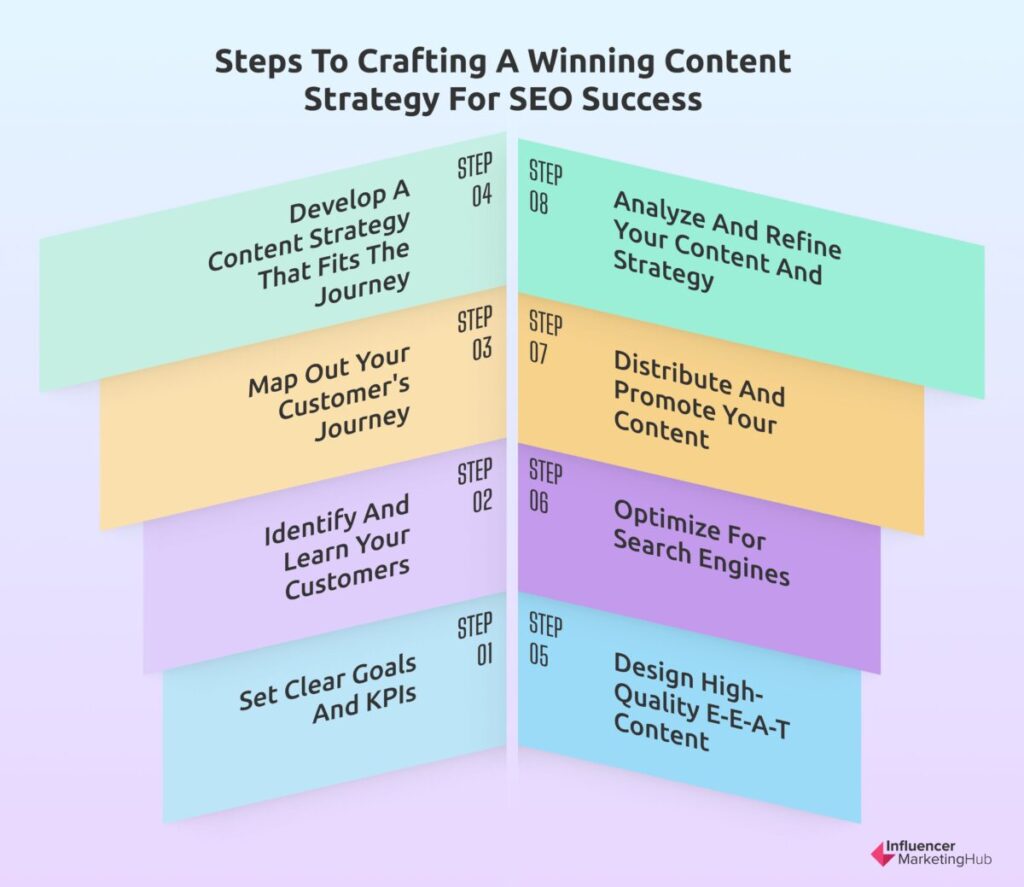
In this upcoming article, we will navigate through the essentials of developing a content marketing strategy, from setting clear objectives and identifying your target market to measuring success and optimizing campaigns for continuous growth.
The journey through content marketing might seem extensive, but each step is vital for building a brand that thrives in a crowded marketplace. By the end of it, readers will not only understand the “how” but also the “why” behind each strategy discussed, creating a solid foundation for their own content marketing success.
Understanding the Basics of Content Marketing
As we delve deeper into the realm of content marketing, it’s crucial to establish a foundational understanding of what it entails. This clarity not only empowers marketers but also lets businesses appreciate the role content plays in building meaningful relationships with their audience.
Defining Content Marketing
At its core, content marketing is about creating and distributing valuable, relevant content to attract and engage a specific target audience. Unlike traditional marketing, which often pushes products, content marketing seeks to inform, entertain, and educate consumers without overtly selling. It’s more like a conversation than a sales pitch.
For example, a fitness brand might share workout tips, nutritious recipes, or success stories from its community members, rather than simply advertising its supplements. This approach keeps the audience engaged and establishes trust, positioning the brand as an invaluable resource in its field.
Key characteristics of content marketing include:
- Value-Driven: The focus is on delivering helpful information.
- Audience-Centric: It prioritizes understanding and meeting audience needs.
- Non-Invasive: Content marketing doesn’t interrupt the consumer’s experience; it enhances it.
Importance of Content Marketing Strategy
Having a solid content marketing strategy is not just an option; it’s a necessity for modern businesses. A well-defined strategy ensures that efforts are aligned with business goals and audience preferences. It aids in creating focused, relevant content that resonates with viewers.
Here’s why developing a strategy is critical:
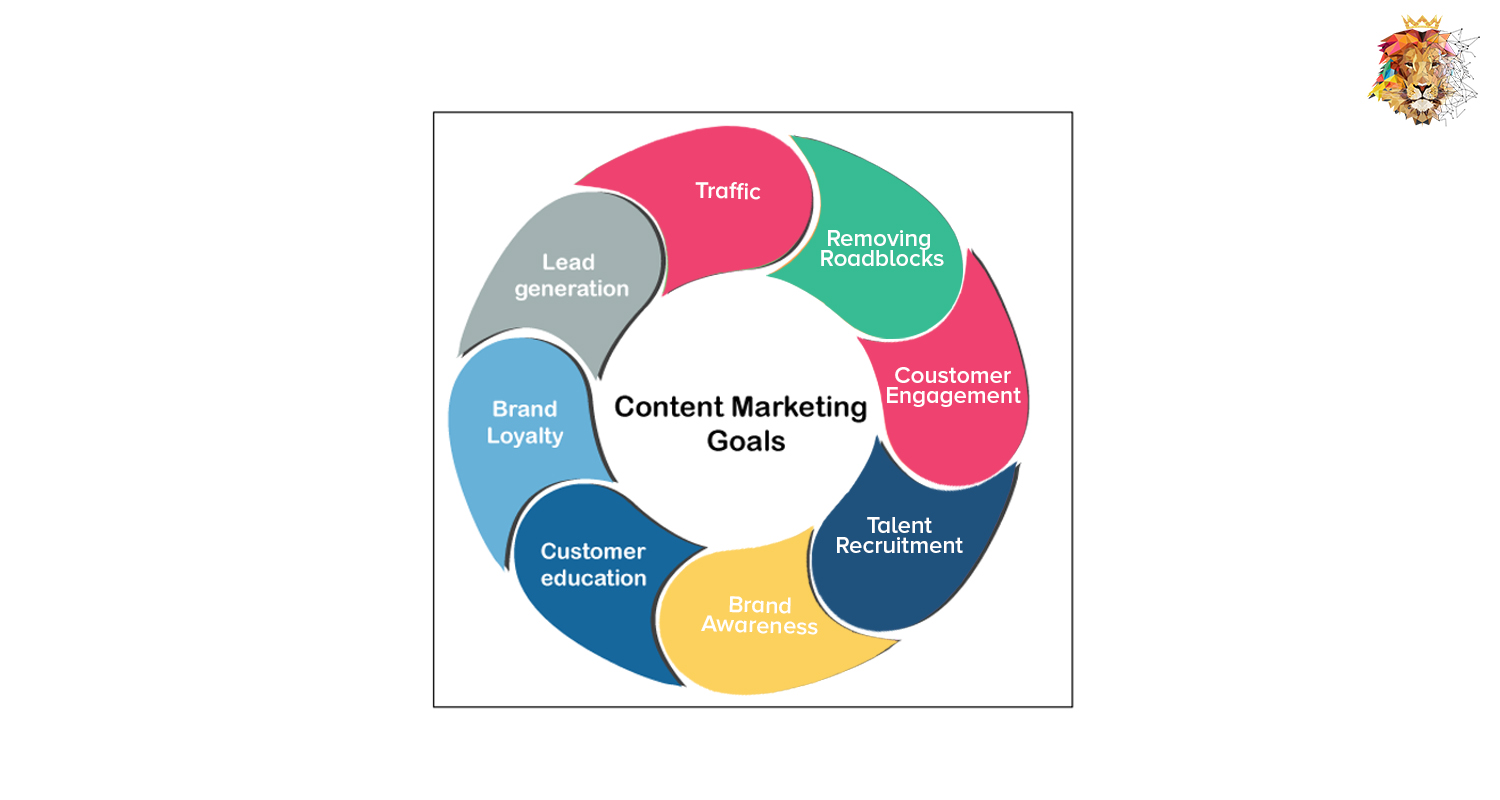
- Clarifies Goals: Establishing clear objectives helps measure success, whether it’s increasing website traffic, generating leads, or boosting brand awareness.
- Enhances Consistency: With a strategy, businesses can maintain a regular publishing cadence, helping to cultivate audience anticipation and loyalty.
- Optimizes Resource Allocation: A plan guides where and how to invest resources effectively, blending creativity with actionable insights.
To illustrate, imagine a startup with a detailed content strategy that identifies specific customer pain points, outlines the content types to use, and specifies distribution channels. This clarity can lead to increased engagement rates and a stronger connection with their audience.
In the following sections, we’ll explore how to effectively set campaign objectives and identify your target audience, setting the stage for creating high-impact content.
Setting Objectives and Target Audience
Transitioning from the foundational understanding of content marketing, it’s time to shift focus toward two critical elements in the content marketing equation: determining campaign goals and identifying the target audience. Without a well-defined direction and a clear audience in mind, even the most engaging content can fall flat.
Determining Campaign Goals
Setting specific objectives for your content marketing campaign is invaluable. Goals provide clarity and serve as a roadmap for all subsequent activities. Here are some effective approaches to establish measurable goals:
- SMART Goals: Aim for goals that are Specific, Measurable, Achievable, Relevant, and Time-bound. For example, rather than stating you want “more website traffic,” opt for “increase website traffic by 20% over the next three months.”
- Align with Business Objectives: Ensure that your goals sync seamlessly with broader business aims, such as increasing sales or enhancing customer retention rates.
- Consider Different Stages of the Funnel: Tailor your goals to various stages in the buyer’s journey. This might include awareness (attracting new visitors), consideration (engaging and nurturing leads), and conversion (driving sales).
For instance, if a local bakery wants to increase foot traffic, a goal might be to boost social media engagement by creating content that highlights daily specials, aiming for a 30% increase in comments and shares within a month.
Identifying Target Audience
Understanding who your audience is crucial for effective content marketing. This not only tailors your content but ensures it resonates deeply with the people you intend to reach. Here are some steps to identify your target audience:
- Conduct Market Research: Utilize surveys, social media insights, and analytics to gather data on demographics, interests, and behaviors.
- Create Buyer Personas: Form detailed profiles of ideal customers, which include information such as age, gender, income level, occupation, interests, and pain points.
- Analyze Competitors: Look at who your competitors are targeting and identify gaps in the market you could fill.
To illustrate, consider a tech startup focusing on innovative home solutions. Their target audience could include tech-savvy homeowners aged 30-45, interested in smart home gadgets. By defining this target market, they can tailor their content—whether blogs, videos, or infographics—to address specific needs and challenges faced by this group.
In the following sections, we will dive into crafting compelling content that aligns with these objectives and speaks directly to your target audience, ensuring maximum engagement and impact.
Crafting Compelling Content
With a clear understanding of your objectives and target audience established, it’s time to focus on what really brings your content marketing strategy to life: crafting compelling content. The right type of content can not only capture attention but also drive engagement and conversions.
Types of Content to Consider
Diversity is key when it comes to content formats. Different audiences prefer different types of content, and leveraging a variety can amplify your reach. Here are some popular content types to consider:
- Blog Posts: These are great for delivering valuable information, improving SEO, and showcasing your expertise.
- Videos: Engaging and visually appealing, videos can simplify complex topics and attract a wider audience on platforms like YouTube or TikTok.
- Infographics: These visually striking representations of information can effectively communicate data and complex ideas quickly.
- Podcasts: As the popularity of audio content grows, podcasts offer a chance to engage listeners during commutes or workouts.
- Webinars or Live Streams: Live interactions can help introduce a personal touch, allowing audiences to engage in real time and ask questions.
- Case Studies or Testimonials: Sharing customer success stories or reviews builds social proof and enhances credibility.
Suppose a fitness center decides to create a series of short videos demonstrating workouts or nutrition tips. This engaging format can resonate well with their audience looking for practical guidance, while also showcasing their trainers’ expertise.
Writing Engaging and Relevant Content
Crafting content is not just about creating something beautiful; it’s about ensuring that it resonates deeply with the audience. Here are some tips to write engaging and relevant content:
- Know Your Voice: Establish a brand voice that aligns with your audience’s tone, whether it’s informal, humorous, or professional.
- Use Storytelling: Share relatable anecdotes or narratives that tap into emotions, making the content more memorable.
- Incorporate Calls to Action: Encourage readers to take the next step, whether signing up for a newsletter, downloading a guide, or following on social media.
- Ask Questions: Interacting with your audience through questions can foster engagement and dialogue.
For example, a travel blog might recount a personal story from a recent trip, weaving in tips about the destination and prompting readers to share their own experiences in the comments. This interaction not only enhances engagement but also builds a sense of community.
In the next sections, we’ll explore how to leverage various platforms to disseminate the compelling content you’ve created, ensuring it reaches your audience effectively.
Leveraging Different Platforms
After crafting engaging and relevant content, the next step is to ensure it reaches your intended audience. Utilizing various platforms effectively can amplify your message and drive action. In this section, we’ll delve into two powerful channels: social media and email marketing.
Social Media Marketing
Social media platforms have revolutionized the way brands connect with their audiences. With billions of users worldwide, platforms like Facebook, Instagram, Twitter, and LinkedIn provide an incredible opportunity to share content and engage directly with followers. Here are a few strategies to consider for effective social media marketing:
- Choose the Right Platforms: Not all platforms are created equal. Know where your target audience spends their time and focus your efforts there. For instance, a visual-driven brand may thrive on Instagram and Pinterest.
- Create Shareable Content: Design visually appealing graphics and videos that encourage users to share your posts with their networks.
- Engage with Your Audience: Respond to comments and messages promptly. Building a personal connection fosters loyalty and encourages more interactions.
- Utilize Paid Advertising: Consider using paid ads to extend your reach, target specific demographics, or promote high-value content.
A digital marketing agency, for example, might run weekly “Tip Tuesdays” on Instagram, sharing short, actionable marketing tips designed to engage users and encourage sharing. This not only builds their reputation but also enhances their follower count as users spread the word.
Email Marketing Campaigns
Email marketing remains one of the most effective ways to communicate directly with your audience. Unlike social media, where algorithms can limit visibility, emailing allows for direct communication with those who consented to receive your messages. Here’s how to optimize your email marketing efforts:
- Segment Your Audience: Divide your email list into smaller groups based on demographics, interests, or behavior. This enables personalized messaging that resonates with specific audiences.
- Craft Attention-Grabbing Subject Lines: The subject line is your first—and often only—impression. Use intriguing language that encourages recipients to open the email.
- Provide Value in Every Email: Ensure each email contains something valuable, be it exclusive content, discounts, or useful tips.
- Test and Analyze: Use A/B testing to evaluate different subject lines, content formats, and send times, and refine your approach based on analytics.
For instance, an e-commerce store could send a monthly newsletter featuring new arrivals, exclusive discounts for subscribers, and content highlighting best-sellers. This combination nurtures customer relationships and drives sales.
As you explore these channels to amplify your content, remember that consistency and strategic planning can turn initial engagement into lasting customer relationships. In the following sections, we will discuss how to measure and analyze results to assess the effectiveness of your marketing efforts.
Measuring and Analyzing Results
After leveraging various platforms to distribute compelling content, it’s time to gauge the impact of your efforts. Measuring and analyzing results not only highlights areas of success but also reveals opportunities for improvement. This section focuses on key metrics to track and how to analyze performance data effectively.
Key Metrics to Track
Monitoring specific metrics can provide invaluable insights into your content marketing initiatives. Here are some essential metrics to keep an eye on:
- Website Traffic: Use tools like Google Analytics to measure total visits, unique users, and page views. This data indicates the effectiveness of your content in attracting visitors.
- Engagement Rates: Metrics such as likes, shares, comments, and retweets on social media can assess how audiences are interacting with your content.
- Conversion Rates: Track the percentage of users who complete desired actions, such as signing up for a newsletter or making a purchase. This number reflects how well your content drives conversion.
- Bounce Rate: A high bounce rate may indicate that visitors are not finding what they expect on your site, signaling a need for improvement.
- Email Open and Click-Through Rates: For email campaigns, measure how many recipients open your emails and click on links within them. These figures help gauge interest and optimize future messages.
For example, suppose a fashion retailer launches a new clothing line and shares it through social media and email campaigns. Monitoring engagement and conversion metrics can help determine if promotional strategies resonate with their audience.
Analyzing Performance Data
Once you’ve collected performance data, the next step is deep analysis. Here’s how to effectively analyze the results:
- Identify Trends: Look for patterns over time. Are certain types of content consistently generating more engagement or conversions? Use this insight to inform future campaigns.
- Compare Against Goals: Evaluate metrics against the initial objectives set. Did your website traffic increase by the targeted 20%? Were your email conversion rates on point? This comparison underscores the effectiveness of your strategies.
- Gather Audience Feedback: Encourage your audience to share their thoughts through surveys or direct questions. Their feedback can provide qualitative insights that data alone may not reveal.
For instance, if your content consistently draws high engagement but struggles with conversions, it may indicate that while audiences appreciate your content, they need clearer calls to action or a more compelling offer.
As you refine your strategies based on these insights, you will be better positioned to optimize future efforts, bringing us to our final focus: optimization and continuous improvement. This ongoing cycle fuels the effectiveness of your content marketing endeavors.

Optimization and Continuous Improvement
Having analyzed your performance data, the focus now shifts to optimization and continuous improvement. This step is essential for refining your content marketing efforts and ensuring that you remain agile and effective in a rapidly changing digital landscape. Two key strategies for this enhancement are A/B testing and implementing audience feedback.
A/B Testing Strategies
A/B testing, also known as split testing, involves comparing two variations of a piece of content to determine which performs better. This can yield valuable insights that guide your future content decisions. Here’s how to approach A/B testing effectively:
- Identify the Element to Test: Pick one variable to change at a time for clarity. This could be a subject line, call to action (CTA), image, or even the entire layout of an email.
- Determine Your Success Metrics: Decide on the metrics that will define success, such as open rates, click-through rates, or conversion rates.
- Run the Test: Use a tool like Google Optimize or Unbounce to implement your test and ensure that it runs long enough to gather meaningful data.
- Analyze Results: After your test concludes, compare the results of each variation, and draw conclusions based on the performance metrics.
For example, a nonprofit organization could test two different email subject lines for a fundraising drive. One subject line might focus on urgency (“Last Chance to Double Your Impact!”), while another emphasizes community impact (“Join Us in Changing Lives Together!”). By analyzing which one yields a higher open rate, they can optimize future email campaigns accordingly.
Implementing Feedback for Refinement
Feedback from your audience is a goldmine of insights that can drive continuous improvement. Here’s how to effectively incorporate it into your content strategy:
- Conduct Surveys: Periodically ask your audience for their thoughts on your content. Use simple, straightforward questions to gather actionable insights.
- Encourage Comments and Interactions: Foster an environment where your audience feels comfortable giving feedback—this not only builds community but also provides direct insights.
- Monitor Social Media Conversations: Keep an eye on what people are saying about your brand across social platforms. Use tools like Brandmentions or Hootsuite to stay updated.
Imagine a software company that implements regular user feedback sessions to enhance its app. Listening to user pain points leads them to simplify navigation and introduce new features, resulting in increased user satisfaction and retention.
As optimization becomes an ongoing process rather than a one-time effort, your content marketing strategy will grow dynamically, catering to audience needs and preferences. This cycle of testing, refining, and adjusting paves the way for sustained success in your content marketing journey.