

Introduction
Understanding Email Marketing
Email marketing is a powerful strategy for reaching and engaging customers. It involves sending targeted messages through email to promote products, services, or content. This form of marketing has evolved significantly, transitioning from mere promotional blasts to personalized communication that resonates with individual preferences. Many businesses, including small startups and large corporations, have found success by incorporating it into their marketing mix.
For example, a local coffee shop might gather email addresses from customers to share exclusive discounts or new menu items, creating a loyal customer base and fostering community relationships.
Importance of Email Marketing
The importance of email marketing cannot be overstated. Here are a few reasons why it remains a vital tool:
- High ROI : Email marketing can yield an impressive return on investment, often exceeding 40:1.
- Direct Communication : It allows for direct communication with consumers, ensuring they receive your messages straight to their inbox.
- Measurable Results : Businesses can track open rates, click-through rates, and conversions to refine their strategies effectively.
Harnessing the power of email marketing can truly help businesses thrive in today’s competitive landscape.

Building Your Email List
Strategies for Growing Your Email List
Building a robust email list is crucial for effective email marketing. Without a solid list, even the most beautifully crafted emails may go unnoticed. Here are some practical strategies to grow your list:
- Utilize Social Media : Promote your email sign-up form on various platforms like Facebook, Twitter, and Instagram. Engaging posts about what subscribers can gain from joining—like exclusive content or offers—can attract attention.
- Website Pop-ups : Implementing timed pop-ups on your website can capture visitors’ interest without being overly intrusive.
- Host Webinars or Workshops : Gathering emails for registration not only builds your list but also creates opportunities for engagement.
Creating Lead Magnets
Lead magnets are one of the most effective tools for attracting subscribers to your email list. A lead magnet is something of value that you offer for free in exchange for an email address.
Examples of lead magnets include:
- E-books or Guides : Detailed guides on topics relevant to your audience can entice sign-ups.
- Discount Coupons : Offering a discount on the first purchase encourages immediate action.
- Quizzes or Assessments : Interactive content like quizzes provides value while encouraging users to share their email for results.
Crafting genuine and appealing lead magnets can significantly boost your email list and enhance your email marketing efforts.

Crafting Compelling Emails
Writing Engaging Subject Lines
Once you’ve built your email list, the next crucial step is crafting emails that capture attention. It all begins with your subject line—this is your first impression and a deciding factor for whether your email gets opened. Engaging subject lines are concise, intriguing, and relevant. Here are some tips:
- Create Urgency : Phrases like “Limited Time Offer” can encourage immediate action.
- Personalization : Including the recipient’s name can make the email feel more tailored, increasing open rates.
- Ask Questions : Posing a thought-provoking question can pique curiosity.
For example, instead of a mundane “Monthly Newsletter,” try something like “Unlock Exclusive Tips for Spring Fashion!”
Designing Eye-catching Email Templates
Once recipients open your email, the design must keep them engaged. Eye-catching templates enhance readability and encourage interaction. Consider these design elements:
- Clear Layout : Use headings and bullet points for skimmable content.
- Images : Incorporating relevant images can add visual interest, but ensure they load quickly.
- Call to Action (CTA) : Make your CTA buttons bold and prominent to guide recipients on the next steps.
A well-designed email template, paired with engaging content, is key to ensuring your message resonates with your audience and encourages conversions.

Personalization and Segmentation
Segmenting Your Email List
After developing compelling email content, the next step is to dive into personalization and segmentation, which can significantly enhance engagement rates. Segmenting your email list means dividing it into smaller, more targeted groups based on specific criteria. Here are some effective segmentation strategies:
- Demographics : Age, gender, and location can help tailor messages that resonate with different audiences.
- Purchase History : Segmenting by past purchases allows you to send relevant product recommendations and reminders.
- Engagement Levels : Identify active subscribers and those who haven’t engaged in a while to tailor your approach accordingly.
For instance, a fitness brand could send workout tips to active participants while offering special re-engagement campaigns to inactive users.
Personalizing Email Content
With segmented lists, you can now personalize your email content to ensure it resonates with each group. Personalization goes beyond using a recipient’s name; it involves crafting relevant messages based on their preferences and behaviors. Consider these strategies:
- Dynamic Content : Use content blocks that change based on the recipient’s segment—like showing different products to different age groups.
- Behavioral Triggers : Send targeted messages based on user behavior, such as cart abandonment or browsing history.
Personalized, relevant emails not only enhance the customer experience but also drive higher open and click-through rates, leading to better overall results for your email marketing campaign.
Automation and Drip Campaigns
Implementing Automated Workflows
With a solid foundation in personalization and segmentation, it’s time to explore automation—a game-changer for email marketing efficiency. Implementing automated workflows allows you to send timely, relevant emails without the constant manual effort.
For instance, setting up a welcome series for new subscribers can introduce them to your brand effectively. A few guidelines to follow include:
- Identify Key Triggers : These could be actions like signing up for newsletters or making a purchase.
- Map the Customer Journey : Understand where your subscribers are in their journey and tailor workflows accordingly.
Automated workflows save time and ensure that your audience receives the right message at the right moment.
Setting Up Drip Campaigns
Drip campaigns take automation one step further by delivering a series of scheduled emails over time. This method keeps your brand top-of-mind while nurturing leads. Here’s how to set one up:
- Define Your Goals : What do you want to achieve? Whether it’s lead nurturing or re-engagement, clarity is key.
- Craft a Sequence : Plan out the series of emails—start strong with valuable content and gradually guide subscribers toward a desired action.
For example, a travel agency might use a drip campaign to send potential customers a series of emails highlighting different travel destinations, culminating in a tempting call to action to book a trip. By thoughtfully implementing automated workflows and drip campaigns, marketers can significantly enhance engagement and foster deeper connections with their audience.
A/B Testing and Analytics
Conducting A/B Tests
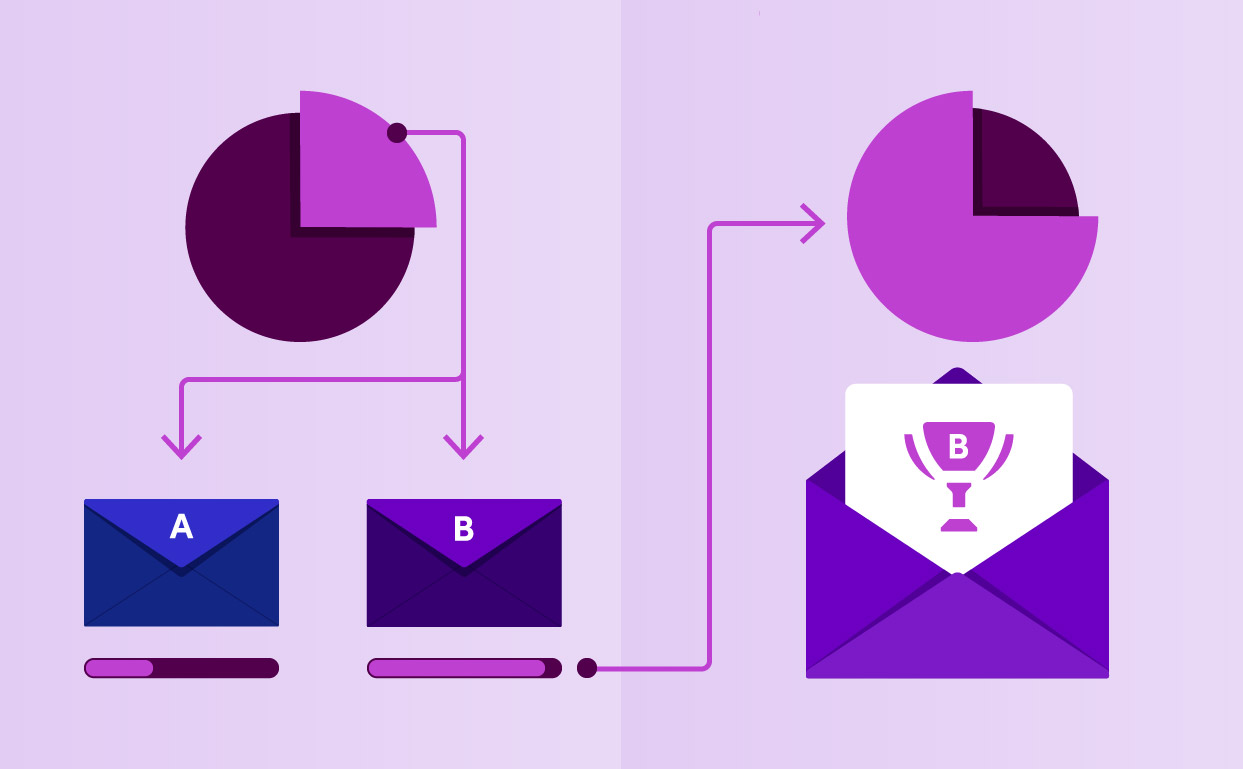
With automation and drip campaigns set up, the next crucial step is evaluating their performance through A/B testing. A/B testing involves sending two variations of an email to different segments of your audience to determine which performs better. Here’s how to get started:
- Choose One Variable : Focus on one element at a time—this could be the subject line, CTA button color, or even the email layout.
- Divide Your Audience : Randomly separate your audience into two groups to ensure unbiased results.
- Analyze Results : After sending, look at key performance indicators like open rates and click-through rates to determine the winner.
For example, a retail brand might test two subject lines, one focusing on urgency, like “Last Chance for 20% Off!” versus a value proposition, “Save 20% on Your Favorite Items.”
Analyzing Email Marketing Metrics
Once your tests are complete, analyzing the email marketing metrics will provide insight into what resonates with your audience. Key metrics to focus on include:
- Open Rate : Indicates how well your subject lines are performing.
- Click-Through Rate (CTR) : Shows how effectively your email content encourages action.
- Conversion Rate : Measures the percentage of recipients who took the desired action, such as making a purchase.
Understanding these metrics can greatly enhance your future campaigns. Regularly reviewing your A/B test results and email performance ensures continuous improvement, allowing you to refine your strategy and better engage with your audience over time.
Compliance and Best Practices
Understanding Email Marketing Laws
As you dive into email marketing, it’s essential to navigate the legal landscape. Understanding email marketing laws is critical to ensuring compliance and maintaining your brand’s reputation. For instance, regulations like the CAN-SPAM Act in the U.S. and GDPR in Europe set specific guidelines on how to handle subscriber data and communications. Here are some key points to remember:
- Consent : Always obtain explicit consent from subscribers before sending marketing emails.
- Clear Opt-out Options : Provide an easy way for recipients to unsubscribe from your emails, and promptly process their requests.
- Transparency : Clearly state the purpose of your emails and what subscribers can expect when they sign up.
Neglecting these laws could lead to hefty fines and damage to your brand.
Implementing Best Practices for Email Marketing
Beyond compliance, implementing best practices can significantly enhance the effectiveness of your email campaigns. Here are some best practices to keep in mind:
- Maintain a Clean List : Regularly update and clean your email list to remove inactive subscribers.
- Send at Optimal Times : Analyze past campaigns to determine the best times to send emails for maximum engagement.
- Quality Over Quantity : Focus on delivering valuable, well-targeted content rather than flooding your audience with frequent emails.
By understanding the laws and following best practices, you not only comply with regulations but also foster trust and loyalty among your subscribers—ultimately leading to stronger, more successful email marketing efforts.

Case Studies: Orchid’s Secret Weapon
How Orchid Utilizes Email Marketing
Orchid has masterfully leveraged email marketing as a cornerstone of its overall marketing strategy. Their approach combines personalized content with engaging visuals, ensuring that each message resonates with its target audience. For example, Orchid segments its email list based on customer preferences and behavior, tailoring campaigns to invite personalized offers on products customers are likely to love.
The brand employs automated workflows to send welcome emails, fostering a warm connection right from the start. Additionally, by utilizing A/B testing, they continually refine their subject lines and content for better engagement, reflecting their commitment to data-driven decisions.
Success Stories and Results
The results of Orchid’s email marketing efforts have been impressive:
- Increased Open Rates : Orchid saw a 35% increase in open rates after personalizing their subject lines.
- Higher Conversion Rates : By implementing targeted drip campaigns, they achieved a 25% increase in conversions for special promotions.
- Customer Loyalty : Their email feedback loop has generated higher customer satisfaction, evidenced by repeat purchases.
These case studies showcase how effective email marketing can serve as a secret weapon for brands like Orchid, driving engagement, boosting sales, and building lasting customer relationships.

Conclusion
Recap of Email Marketing Strategies
As we’ve explored throughout this journey, email marketing is a powerful tool that can elevate your business. From building a well-segmented email list to crafting compelling content, each strategy plays a critical role in your overall marketing success. Here’s a quick recap of essential strategies:
- Personalization and Segmentation : Tailoring messages to specific demographics and behaviors can significantly enhance engagement.
- Automation and Drip Campaigns : Automating workflows and setting up drip campaigns keep your audience nurtured throughout their journey.
- A/B Testing and Analytics : Continuous testing and monitoring of metrics allow for data-driven decisions, ensuring optimal performance.
Final Thoughts on Orchid’s Secret Weapon
Orchid’s success illustrates the importance of these strategies in action. By leveraging a comprehensive email marketing approach, they not only build strong customer relationships but also drive measurable business results.
For any brand looking to enhance its marketing efforts, the insights from Orchid’s journey serve as a tangible reminder that a well-crafted email marketing strategy can be your secret weapon. Embracing these practices can lead to increased engagement and growth for your business in today’s competitive landscape.