

Introduction to Content Marketing
What is Content Marketing?
Content marketing is a strategic approach focused on creating and distributing valuable, relevant content to attract and engage a clearly defined audience. The objective is not to sell directly but to inform, entertain, or educate potential customers. This type of marketing leverages various formats, including blog posts, videos, podcasts, and social media content, to build a connection between the brand and its audience.
For example, a company selling outdoor gear might create blog posts detailing hiking tips, videos showcasing product usage in real scenarios, or podcasts featuring interviews with outdoor enthusiasts. This approach adds value to the audience’s experience while subtly promoting the brand.
The Importance of Content Marketing
The significance of content marketing cannot be overstated. It has become a cornerstone of modern marketing strategies for several reasons:
- Builds Trust : Quality content nurtures trust among consumers. When a brand provides useful information, it positions itself as an authority in the industry.
- Enhances Brand Awareness : Regularly publishing content helps keep a brand top-of-mind for consumers, leading to increased recognition and familiarity.
- Boosts SEO and Visibility: High-quality content is favored by search engines, improving rankings and driving organic traffic.
- Encourages Customer Engagement : Engaging content invites comments, shares, and discussions, fostering a community around the brand.
- Supports Lead Generation : Content that addresses the needs and pain points of potential customers can guide them through the sales funnel more effectively.
In summary, content marketing is not just an optional tactic but a vital part of a successful marketing strategy that helps businesses connect engagingly and meaningfully with their audience.

Setting Clear Goals for Content Marketing
Defining Your Target Audience
To translate the potential of content marketing into tangible results, it is essential to start with a well-defined target audience. Understanding who your content is for shapes both the themes and tones you employ. After all, creating content for a diverse audience can dilute your messaging and impact.
Imagine writing a blog post aimed at young professionals in tech versus a piece targeting retirees. The language, examples, and topics of interest would differ dramatically. Here are some effective ways to define your audience:
- Demographics : Consider age, gender, profession, and location.
- Psychographics : Understand their interests, values, and lifestyle choices.
- Pain Points : Identify common challenges and needs they face.
Surveys, social media insights, and website analytics can offer valuable data in this process. Knowing your audience allows you to create content that truly resonates with them.
Establishing Measurable Objectives
Once the target audience is sorted, the next step is to establish clear, measurable objectives. Without specific goals, it’s challenging to gauge success. Consider incorporating the SMART criteria—Specific, Measurable, Achievable, Relevant, and Time-bound.
For instance, instead of stating, “I want to increase website traffic,” a SMART objective would be, “I aim to increase website traffic by 30% over the next three months through weekly blog posts.” Here are some examples of measurable objectives:
- Engagement Metrics : Aim for a specific number of comments or shares on content.
- Lead Generation : Set a goal for signing up a certain number of newsletter subscribers.
- Conversion Rates : Track the increase in sales attributed to content initiatives.
By defining prospects and setting measurable objectives, brands can navigate the content marketing landscape with purpose and precision. This approach not only drives results but also fosters a deeper connection with the audience.

Creating High-Quality Content
Types of Content to Consider
Having established your target audience and measurable objectives, the next step in your content marketing journey is to create high-quality content. The type of content you choose plays a significant role in engaging your audience effectively. Here are some popular formats to consider:
- Blog Posts : In-depth articles that provide valuable insights, tips, or tutorials on relevant topics.
- Infographics : Visual representations of data that make complex information digestible and shareable.
- Videos : Dynamic content that can demonstrate products, share customer testimonials, or offer tutorials.
- Podcasts : An engaging audio format for storytelling or discussions, ideal for audiences on the go.
- E-books and Whitepapers : Comprehensive resources that delve deeply into specific subjects, often used for lead generation.
Each type of content has its unique merits, and selecting a combination allows for broader audience reach.
Tips for Crafting Engaging Content
Once you’ve identified the types of content to produce, focus on crafting pieces that not only inform but keep your audience engaged. Here are some helpful tips:
- Know Your Voice : Your content should reflect the brand’s personality. Whether it’s casual, professional, or humorous, consistency is key.
- Start with a Strong Hook : Capturing attention in the first few sentences sets the tone. Use an intriguing question, a surprising statistic, or an anecdote to draw readers in.
- Include Visuals : Break up text with images, charts, or videos. It’s proven that visuals can enhance understanding and retention of the information.
- Maintain Clarity : Avoid jargon and overly complex language. Aim for clear and straightforward communication.
- Encourage Interaction : Pose questions or invite comments at the end of your content to foster engagement.
By focusing on delivering high-quality, engaging content, businesses can deepen relationships with their audience, ultimately driving loyalty and conversions. Quality content is the backbone of effective content marketing, leading to fruitful connections and meaningful outcomes.

Leveraging SEO in Content Marketing
Understanding SEO Basics
As you create more valuable content, it’s essential to ensure that it gets seen by the right audience. This is where Search Engine Optimization (SEO) becomes a game changer. At its core, SEO involves optimizing your content so that it ranks higher on search engine result pages (SERPs), making it more discoverable.
To grasp the basics of SEO, consider the following key elements:
- Keywords : These are the terms your audience is searching for. Selecting the right keywords and incorporating them strategically can significantly enhance visibility.
- On-Page SEO : This refers to optimizing individual pages of your website, including aspects like title tags, meta descriptions, and header tags.
- Backlinks : Links from other reputable websites pointing to your content can improve your site’s authority and ranking.
Personal experience has shown that alongside creating quality content, understanding these SEO basics has transformed the traffic levels on various websites.
Optimizing Content for Search Engines
Now that you grasp SEO fundamentals, it’s time to optimize your content effectively. Here are some actionable strategies:
- Conduct Keyword Research : Use tools like Google Keyword Planner or SEMrush to identify relevant keywords for your content. Aim for a balance of high search volume and manageable competition.
- Incorporate Keywords Naturally : Place keywords in headings, the introduction, and throughout the content, but avoid keyword stuffing. Content should flow naturally while still being search-friendly.
- Write Compelling Meta Descriptions : A well-crafted meta description can significantly impact click-through rates. Summarize your content concisely while incorporating your main keyword.
- Utilize Internal and External Links : Linking to other relevant content on your site and reputable external sources can enhance credibility and user experience.
- Optimize for Mobile : With the increasing use of mobile devices, ensure that your content is easily accessible and readable on smartphones and tablets.
By implementing these SEO strategies, you can significantly improve the performance of your content marketing efforts, driving more organic traffic and fulfilling your marketing goals. SEO is not merely a technical task; it’s an integral part of connecting with your audience authentically.
Building a Content Calendar
Planning Your Content Strategy
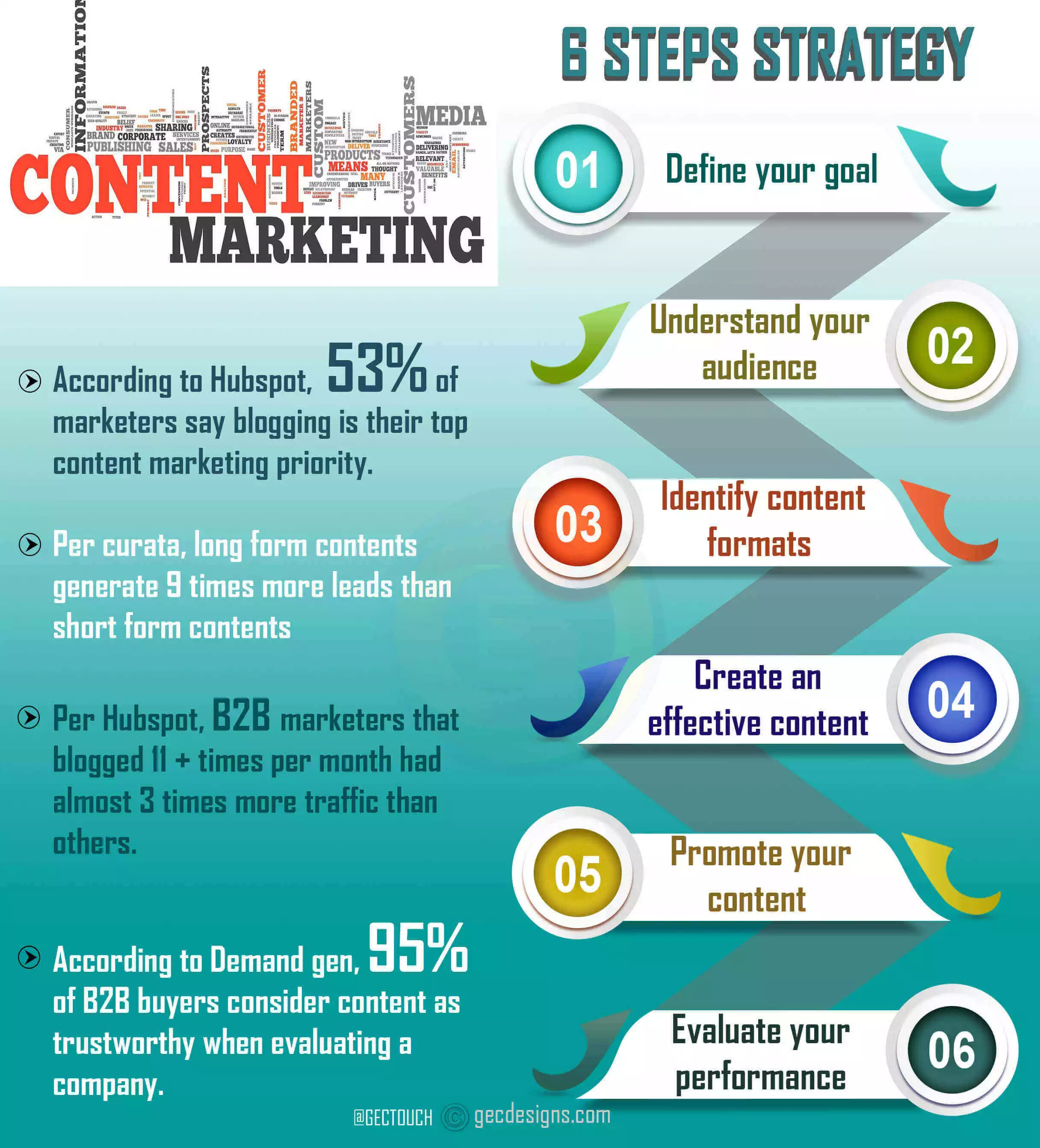
With a robust understanding of SEO and content creation under your belt, it’s time to take your efforts up a notch by building a content calendar. This tool is essential for maintaining organization, consistency, and direction in your content marketing strategy.
Start planning your content strategy by doing the following:
- Brainstorm Topics : Based on your audience’s needs and current trends. Engage your team to generate a diverse range of ideas.
- Set Milestones : Identify key events, holidays, or product launches relevant to your business. Align content creation to capitalize on these opportunities for maximum engagement.
- Identify Content Types : Determine which formats (blogs, videos, infographics) suit your topics. Mixing formats will keep your audience engaged.
For instance, if you’re launching a new product, you might schedule a blog post explaining its features, followed by a tutorial video and a live Q&A session on social media. This staggered approach keeps the content fresh while focusing on one central theme.
Scheduling and Publishing Content
Once your topics are laid out, it’s time to schedule and publish your content strategically. Here are some practical steps to consider:
- Choose a Posting Frequency : Decide how many times a week or month you want to publish content. Regularity is key to maintaining audience interest.
- Use a Content Calendar Tool : Tools like Trello, Asana, or Google Calendar can help you visualize deadlines, topics, and publishing dates.
- Assign Responsibilities : Clearly designate who is responsible for writing, editing, and publishing each piece of content. This not only improves accountability but also streamlines the workflow.
- Monitor Analytics : After publishing, consistently review the performance of your content. Use insights to adjust future content strategies based on what resonates most with your audience.
By systematically planning and scheduling your content, you create a clear roadmap that not only enhances efficiency but also allows you to maintain a steady flow of engaging content. This proactive approach ensures that your marketing efforts align with your overall goals while keeping your audience engaged and informed.
Promoting Your Content
Utilizing Social Media Platforms
After meticulously planning and scheduling your content, the next crucial step is promotion. Social media platforms serve as powerful vehicles to increase the reach of your content and engage with your audience effectively.
First, identify the platforms where your target audience is most active. Whether it’s Instagram, LinkedIn, Facebook, or Twitter, each platform has its unique style and audience. Here are some strategies for promoting your content on social media:
- Share Snippets : Create enticing teasers or quotes from your content. Eye-catching visuals or videos can further enhance engagement.
- Use Hashtags : Research and utilize relevant hashtags to expand your reach organically. This helps your content appear in search results for specific topics.
- Engage with Your Audience : Respond to comments, ask questions, and encourage discussions around your content. Building relationships can foster loyalty and increase your brand’s visibility.
From personal experience, I’ve found that running polls or asking for feedback on social media not only draws in engagement but also provides valuable insights for future content.
Collaborating with Influencers
In addition to leveraging social media, collaborating with influencers can dramatically amplify your content’s reach. Influencers have established credibility and a loyal following which can help introduce your brand and content to a wider audience. Here’s how to get started:
- Identify Relevant Influencers : Look for individuals whose audience aligns with your target demographic. Micro-influencers often generate high engagement rates.
- Create Authentic Partnerships : Rather than pitching outright promotions, collaborate on content that feels genuine to both parties. This could involve co-creating blog posts, hosting webinars, or live Q&A sessions.
- Offer Value in Return : Most influencers are approached by multiple brands. To stand out, consider offering exclusive insights, products, or experiences in exchange for their help in promoting your content.
By utilizing social media effectively and collaborating with influencers, you can significantly boost the visibility of your content. This two-pronged approach not only enhances outreach but also builds a community around your brand, creating lasting connections with your audience.

Analyzing and Measuring Results
Key Metrics to Track
After implementing your promotion strategies, it’s crucial to analyze and measure the results of your content marketing efforts. Understanding how well your content is performing not only guides future strategies but also enhances your overall approach to marketing.
Here are some key metrics to track:
- Website Traffic : Monitor the number of visitors to your website. Tools like Google Analytics can provide detailed insights about where your traffic is coming from.
- Engagement Metrics : Look at likes, shares, comments, and click-through rates. High engagement often indicates that your content resonates with your audience.
- Conversion Rates : Measure how many visitors take a desired action after consuming your content, such as signing up for a newsletter or making a purchase. This metric is crucial for assessing the effectiveness of your lead generation efforts.
- Bounce Rate : This reflects the percentage of visitors who leave your site after viewing only one page. A high bounce rate may suggest that your content isn’t meeting visitor expectations.
Reflecting on my experiences, I’ve found that tracking these metrics allows me to adapt my content strategy effectively, ensuring continuous improvement.
Tools for Monitoring Performance
To efficiently analyze these metrics, various tools can simplify the process, providing comprehensive insights into your content’s impact. Here are some popular options:
- Google Analytics : This free tool is essential for tracking website traffic, user behavior, and conversion metrics, offering a goldmine of information.
- Social Media Analytics : Platforms like Facebook, Instagram, and Twitter provide built-in analytics tools to help you assess engagement rates and audience demographics.
- SEMrush or Ahrefs : These platforms allow you to track keyword rankings, backlinks, and competitive analysis, aiding your SEO efforts.
- Buffer or Hootsuite : These tools help manage social media campaigns and monitor engagement across multiple platforms, simplifying your content scheduling and performance tracking.
By leveraging these metrics and tools, content marketers can gain invaluable insights that inform future strategies. This cycle of analysis and adjustment ensures that your content continually meets the needs of your audience, driving sustained growth and engagement.

Adapting and Improving Your Strategies
Continuously Evaluating Performance
As you embark on your content marketing journey, it’s vital to remember that the landscape is ever-changing. Adapting and improving your strategies is essential for sustained success. The first step in this process is to continuously evaluate your performance.
This involves regularly reviewing the metrics discussed earlier—like website traffic, engagement rates, conversion rates, and bounce rates. By creating a schedule for these evaluations (monthly or quarterly), you can spot trends and pinpoint areas that require adjustment.
For instance, if you notice that blog posts on a particular topic consistently outperform others, it might be worth expanding on that subject or creating a series around it. Personal experience showed me that regularly revisiting performance metrics not only informs content direction but also inspires creativity.
Incorporating Feedback for Growth
Another critical aspect of improving your strategies is actively incorporating feedback from your audience. Engaging with your followers through social media, surveys, or comments can provide insights into what they appreciate or what could be improved. Here’s how to effectively gather and implement this feedback:
- Surveys and Polls : Use these to solicit direct input on content preferences or new topics.
- Comment Sections : Monitor discussions on your blog and social media to gauge audience sentiment.
- Analytics Comparison : Compare the performance of different content types—what resonates most with your audience may shift over time.
By making adjustments based on feedback, you turn your content marketing from a one-way street into a dynamic conversation with your audience. This approach not only fosters loyalty but drives growth as well.
Content Marketing Voorbeelden
For an innovative perspective, consider exploring “content marketing voorbeelden” (examples). Look at successful case studies or campaigns from brands that adapted their strategies effectively. Brands like HubSpot and Buffer have both leveraged consumer feedback and performance metrics to refine their content.
By taking inspiration from these examples, you can identify best practices and tailor them to fit your own business goals, ensuring your content marketing strategy evolves into a vibrant and responsive effort that resonates deeply with your audience.