
Introduction
Importance of Google SEO Ranking
In the digital landscape, mastering Google SEO ranking is not just advantageous; it’s essential for any business or individual seeking visibility online. With over 3.5 billion searches conducted each day, being on the first page of Google can significantly impact website traffic, lead generation, and ultimately, revenue. For instance, consider a small local bakery that optimizes their website for search. By implementing effective SEO strategies, they could receive thousands of additional visitors each month, which can easily translate into increased sales.
Furthermore, a higher SEO ranking establishes credibility and trust with potential customers. Sites that appear at the top of search results are often perceived as the most relevant and authoritative, reinforcing the idea that investing time and resources into SEO is invaluable.
Overview of the 10 Proven Tactics
To navigate the complex world of SEO, implementing proven strategies is crucial. Here’s a sneak peek at ten tactics that can elevate your Google ranking:
- Keyword Research : Identifying the right keywords, especially long-tail keywords, is foundational to effective SEO.
- On-Page Optimization : Quality content and well-structured meta tags and headers can significantly improve relevance.
- Mobile-Friendly Design : With mobile searches surpassing desktop, optimizing for mobile is non-negotiable.
- Backlink Building : Securing quality backlinks from authoritative sites enhances credibility.
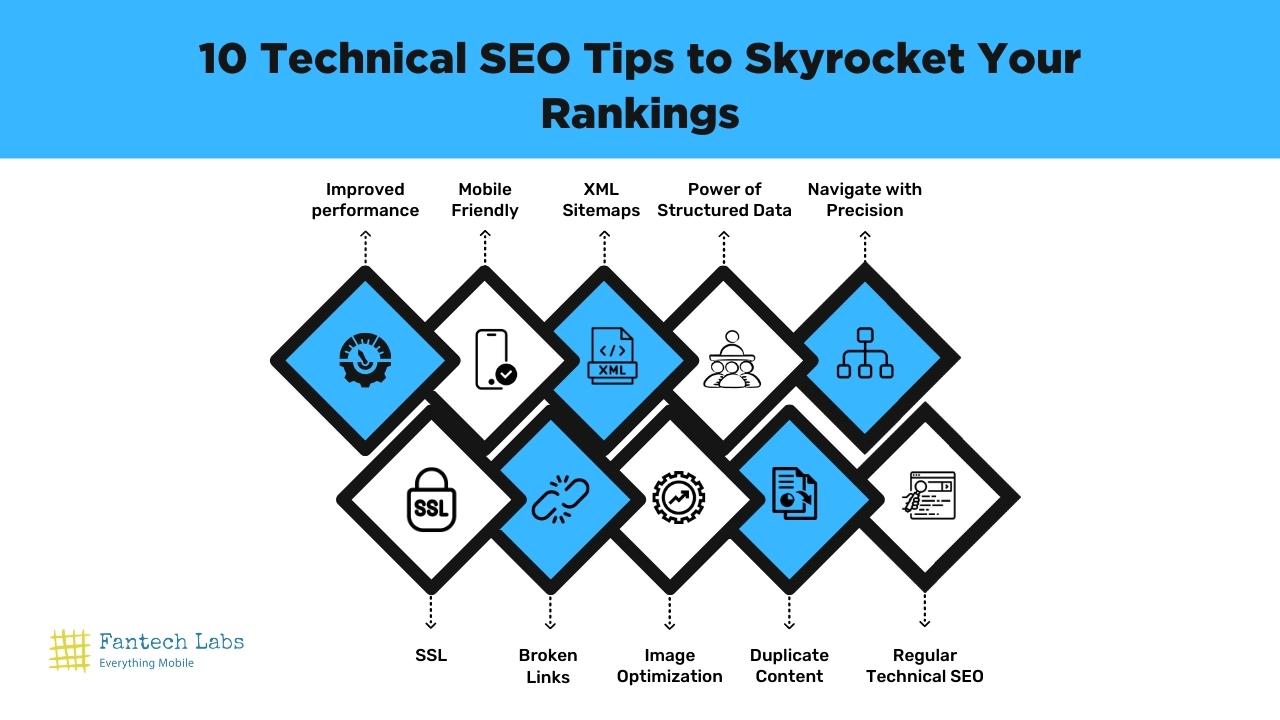
- Technical SEO Audit : A site speed audit and fixing broken links can boost user experience and rankings.
- Social Media Integration : Engaging with audiences on social platforms can drive traffic and amplify your SEO efforts.
- Local SEO : For businesses servicing specific areas, optimizing for local searches is vital.
- User Experience : Site navigation and engaging content can dramatically reduce bounce rates.
- Performance Analysis : Regularly monitoring keyword rankings and organic traffic growth allows for agile strategy adjustments.
These techniques form the pillars of a well-rounded SEO strategy, ensuring you stay ahead in the competitive online arena.

Keyword Research
Understanding Long-tail Keywords
When diving into keyword research, one of the most powerful tools at your disposal is long-tail keywords. These are phrases that typically contain three or more words and are incredibly specific to users’ search intent. For example, instead of targeting a broad keyword like “shoes,” a long-tail variation could be “best running shoes for flat feet.”
Utilizing long-tail keywords has several benefits:
- Lower Competition : Many businesses aim for more general terms, leaving long-tail keywords with less competition. This makes it easier to rank higher in search results.
- Higher Conversion Rates : Users searching with specific phrases are often closer to making a purchase, leading to higher conversion rates.
- Targeted Traffic : You attract a more relevant audience that is likely looking for exactly what you offer.
Actually, a friend of mine started a small online shop selling handmade soap. By focusing on long-tail keywords like “organic lavender handmade soap” instead of just “soap,” she quickly found her products ranking higher, which significantly increased her sales.
Utilizing Keyword Planner Tools
Once you understand the importance of long-tail keywords, the next step is knowing how to find them, and this is where keyword planner tools come in handy. Tools like Google Keyword Planner, SEMrush, or Ahrefs offer insights into search volume, competition, and related keywords.
Here’s how to effectively use these tools:
- Start with Seed Keywords : Enter broad keywords related to your business. For example, if you run a bakery, you might start with “cakes.”
- Analyze Suggestions : Review the long-tail keywords generated and consider factors like average monthly searches and competition levels.
- Filter by Location : If your business has a local focus, filter keywords by geographic location to find what potential customers in your area are searching for.
By leveraging keyword planner tools, you can efficiently gather the data needed to shape your content and marketing strategies, ensuring you’re always targeting the most effective keywords.
On-Page SEO Optimization
Writing High-Quality Content
In the world of on-page SEO, high-quality content reigns supreme. It’s not just about filling your website with text; it’s about creating engaging, informative, and valuable content that resonates with your audience. Quality content is essential because it directly influences how users perceive your brand and, more importantly, how search engines rank your pages.
To ensure your content stands out, consider the following tips:
- Provide Value : Your content should address your readers’ questions and offer solutions to their problems.
- Use Clear Language : Avoid jargon unless necessary, and always aim for clarity to keep your audience engaged.
- Incorporate Visuals : Images, infographics, and videos can enhance your content and make it more shareable.
For example, a local gardening center I know created a guide on “Caring for Indoor Plants.” Not only was it well-researched, but it also featured beautiful images and tips that made it popular among plant enthusiasts.
Optimizing Meta Tags and Headers
After crafting compelling content, the next step is ensuring that it’s structured effectively through meta tags and headers. These elements help search engines understand your content and improve your visibility.
Here are some practices to optimize meta tags and headers:
- Craft Descriptive Title Tags : Title tags should be concise yet descriptive, ideally incorporating your primary keyword to enhance SEO.
- Utilize Header Tags (H1, H2, H3) : Organize your content with header tags, using H1 for the main title and H2 or H3 for subheadings. This helps both readers and search engines navigate your content easily.
- Write Engaging Meta Descriptions : Although meta descriptions don’t directly impact ranking, they can increase click-through rates by providing a compelling summary of your content.
By combining high-quality content with well-optimized meta tags and headers, you’ll create a robust on-page SEO strategy that not only attracts visitors but also keeps them engaged.

Mobile-Friendly Website Design
Importance of Mobile Optimization
As we transition into a technology-driven world, mobile optimization has become paramount. With over half of global web traffic coming from mobile devices, having a mobile-friendly website isn’t just a luxury; it’s a necessity. For instance, I recall a friend who launched an online boutique with a non-optimized website. Despite having great products, he quickly lost potential customers because the site wouldn’t load properly on their phones.
Mobile optimization is essential for several reasons:
- Enhanced User Experience : Users expect websites to be easy to navigate and visually appealing, regardless of the device they’re using.
- Improved SEO Rankings : Google prioritizes mobile-friendly sites in its search rankings. If your website isn’t optimized, you risk losing visibility.
- Higher Conversion Rates : A seamless mobile experience can lead to increased sales, as customers are more likely to make purchases when they can navigate effortlessly.
Responsive Web Design Best Practices
Implementing responsive web design is a key factor in mobile optimization. This approach ensures your website adapts to different screen sizes and devices. Here are some best practices to follow:
- Fluid Grid Layouts : Use percentage-based widths for page elements, so they resize dynamically with screen size.
- Flexible Images : Images should scale appropriately, preventing overflow from the layout and maintaining quality.
- Mobile-Friendly Navigation : Simplify menus and use touch-friendly buttons to enhance the user experience on smaller screens.
In my experience, focusing on responsive design not only improved my friend’s website performance but also boosted customer satisfaction. By catering to mobile users effectively, businesses can enhance engagement, retain audiences, and ultimately drive growth.
Backlink Building Strategies
Guest Blogging for SEO
As we delve deeper into the realm of backlink building, one powerful strategy stands out: guest blogging. This involves writing and publishing articles on other websites or blogs in your niche. Not only does this build backlinks, but it also expands your reach and establishes authority in your field.
Here are the benefits of guest blogging:
- Enhanced Online Presence : By contributing to reputable blogs, you increase your visibility and attract new audiences to your own site.
- Strengthened Credibility : Being featured on respected platforms helps bolster your credibility and showcases your expertise.
- Quality Backlinks : Most guest posts allow you to include a link back to your site, which can significantly improve your SEO efforts.
For instance, a colleague in the fitness industry began guest blogging on well-known health websites, leading to a noteworthy increase in both traffic and follower engagement on her own site.
Utilizing High Authority Websites for Backlinks
Another effective strategy is to target high authority websites for backlinks. When your site is linked by reputable sources, it signals to search engines that your content is trustworthy and relevant. Here’s how to approach this:
- Create Link-Worthy Content : Focus on producing high-quality, insightful articles that others would want to reference. Think of infographics, comprehensive guides, or original research.
- Reach Out : Use tools like BuzzSumo to identify high authority sites discussing topics related to your content. Then, reach out to them, suggesting your work as a potential resource.
- Engagement : Participate in online discussions and forums, which can naturally lead to opportunities for backlinks from those communities.
By strategically leveraging guest blogging and focusing on high authority websites, businesses can significantly enhance their backlink profile, improve SEO rankings, and drive meaningful traffic.

Technical SEO Audit
Improving Site Speed
As we dive into the critical aspects of a technical SEO audit, one factor that’s impossible to overlook is site speed. A fast-loading website not only improves user experience but is also a ranking factor for Google. Imagine clicking on a website and waiting ages for it to load—frustrating, right? In fact, studies show that if a website takes longer than three seconds to load, visitors are likely to abandon it.
To improve site speed, consider implementing the following strategies:
- Optimize Images : Compress images without sacrificing quality to ensure they load quickly.
- Minimize HTTP Requests : Reduce the number of elements on your page to lower the load time.
- Leverage Browser Caching : Enable caching so that repeat visitors experience faster load times.
A friend of mine saw a remarkable improvement in user engagement after he optimized his website’s speed; his bounce rate decreased, and his page view numbers soared.
Fixing Broken Links and Redirects
Another crucial element of a thorough technical SEO audit is addressing broken links and redirects. Broken links can damage user experience and diminish your site’s credibility. They not only frustrate visitors but also signal to search engines that the site is poorly maintained.
To tackle broken links and redirects:
- Use Tools : Tools like Screaming Frog and Google Search Console can help identify broken links and redirect issues on your site.
- Regular Audits : Schedule self-audits every few months to continuously monitor the health of your links.
- Implement 301 Redirects : For any removed pages, use 301 redirects to guide users to the relevant content.
By focusing on improving site speed and fixing broken links, you create a robust technical foundation that enhances user experience and supports your overall SEO strategy.

Social Media Integration
Leveraging Social Signals for SEO
As we explore the intersection of social media and SEO, it’s important to recognize the role of social signals in boosting your search rankings. Social signals refer to the engagement your content receives on social media platforms, including shares, likes, and comments. While search engines like Google don’t directly use these signals in their ranking algorithms, a strong social presence can dramatically increase your content’s visibility.
When content is shared extensively, it often leads to:
- Increased Traffic : More shares bring in more visitors to your website, potentially enhancing your SEO metrics.
- Backlinks : High engagement can attract the attention of influencers and bloggers, leading to valuable backlinks.
- Brand Visibility : A strong social media presence increases brand awareness, making it more likely for people to seek you out.
For example, a small tech startup I know saw a surge in web visitors after one of their blog posts went viral on Twitter, resulting in both increased sales and enhanced search rankings.
Best Practices for Social Media Sharing
To effectively integrate social media with your SEO strategy, consider the following best practices for sharing:
- Create Shareable Content : Craft engaging, valuable content that your audience will be excited to share. Infographics and how-to guides tend to perform well.
- Utilize Social Sharing Buttons : Place prominent sharing buttons on your website and blog posts to make sharing effortless.
- Post Consistently : Regularly share your content across various platforms to keep your audience engaged and informed.
By leveraging social signals and implementing effective sharing practices, businesses can maximize their online presence, drive traffic, and significantly boost their SEO efforts. Social media isn’t just a platform for interaction; it’s a powerful tool that can amplify your SEO strategy when used effectively.
Local SEO Optimization
Setting Up Google My Business
As we venture into local SEO optimization, one of the most powerful tools at your disposal is Google My Business (GMB). Setting up a GMB account is essential for any local business looking to increase visibility and attract nearby customers. With a properly configured GMB profile, your business can show up in local search results, Google Maps, and even in the Knowledge Panel.
Here’s how to get started:
- Claim Your Listing : If your business is not already listed, you can create a new one. It’s crucial to claim it to manage your information thoroughly.
- Complete Your Profile : Fill in all relevant information such as your address, phone number, business hours, and services. The more details you provide, the better.
- Use High-Quality Images : Adding engaging photos can significantly enhance your profile’s appeal, making it more inviting to potential customers.
One example comes from a local coffee shop that improved foot traffic tenfold after optimizing their GMB listing with stunning images and updated hours.
Optimizing Local Citations and Reviews
Once your Google My Business profile is up and running, the next step is to optimize local citations and reviews. Local citations are mentions of your business name, address, and phone number (NAP) across various online platforms. Consistent and accurate citations can boost your rankings in local search results.
Consider these practices:
- Ensure NAP Consistency : Make sure your NAP information is identical on all platforms—your website, social media, and directories.
- Encourage Customer Reviews : Positive reviews are critical for local SEO. Encourage satisfied customers to leave reviews on Google and other platforms.
- Engage with Reviews : Whether the feedback is positive or negative, responding to reviews shows that you value customer input and can help improve your online reputation.
By establishing a strong Google My Business profile and optimizing your local citations and reviews, you’ll strengthen your local SEO strategy, attract more customers, and enhance your business’s online presence in the community.

User Experience Enhancement
Improving Site Navigation
As we shift our focus to user experience enhancement, one of the cornerstones is improving site navigation. A well-organized menu not only helps users find what they’re looking for but also keeps them engaged longer. Think about it: if someone lands on your site and feels confused about where to go next, they’re likely to leave quickly.
To improve navigation, consider these strategies:
- Simplify Menu Structure : Keep the number of menu items to a minimum to avoid overwhelming visitors. Stick to the most essential categories.
- Use Descriptive Labels : Ensure that buttons and links clearly describe their destination. Avoid jargon that could confuse users.
- Incorporate a Search Bar : Offering a search feature allows users to quickly find specific content or products, improving their overall experience.
A local bookstore implemented these changes, and within weeks they noticed a decrease in bounce rates and an increase in sales, simply due to enhanced navigability.
Reducing Bounce Rate with Engaging Content
While navigation is crucial, creating engaging content is equally important in reducing your bounce rate. If users land on your site only to find uninspiring content, they’ll likely leave immediately. Engaging content invites visitors to stay, explore, and interact.
Here are some tactics to enhance content:
- Use Compelling Headlines : Create attention-grabbing titles that draw readers in and encourage them to dig deeper.
- Break Up Text : Incorporate bullet points, images, and videos to make your content more digestible and visually appealing.
- Tell Stories : Personal anecdotes or relatable narratives can forge a deeper connection with your audience.
For example, a travel blog I follow saw a significant drop in bounce rates after they switched to more engaging storytelling formats, complemented by vibrant images. By enhancing site navigation and focusing on rich content, you can create a user experience that not only attracts visitors but keeps them coming back for more.
Analyzing SEO Performance
Monitoring Keyword Rankings
As we wrap up our SEO strategy discussion, the final piece of the puzzle is analyzing your performance. One of the critical aspects of this analysis is monitoring keyword rankings. Keeping an eye on how your target keywords are performing helps you understand what’s working and what needs adjustments.
To effectively monitor your keyword rankings, consider these tips:
- Use SEO Tools : Platforms like SEMrush, Moz, or Google Search Console provide valuable insights into your keyword rankings and can help identify fluctuations.
- Check Rankings Regularly : Make it a routine to check your keyword rankings at least once a month. This ensures you stay ahead of any changes in performance.
- Analyze Competitors : Keeping an eye on your competitors’ keyword strategies can uncover new opportunities that you might want to explore.
A colleague of mine implemented a regular keyword tracking schedule, and he reported significant improvements in visibility and traffic after making targeted content adjustments based on the data.
Tracking Organic Traffic Growth
In addition to monitoring keyword rankings, tracking your organic traffic growth provides a comprehensive overview of your SEO health. Organic traffic is visitors that come to your site through search engine results rather than paid ads, and it’s a direct reflection of your SEO effectiveness.
Here’s how to effectively track organic traffic:
- Use Google Analytics : This free tool allows you to view total traffic, user behavior, and specific sources contributing to your organic traffic.
- Set Up Goals : Establish specific goals in Google Analytics to better understand how well your site converts visitors into customers.
- Analyze Trends : Regularly review your traffic data to identify patterns, spikes, or drops, which can help inform your ongoing SEO strategy.
For instance, I tracked my blog’s organic traffic growth over a few months and discovered that certain blog topics brought in a higher audience engagement. By focusing on those topics, I was able to maintain a steady increase in visitors. By consistently monitoring keyword rankings and tracking organic traffic, you can make data-driven decisions that enhance your SEO performance and ultimately propel your online success.