

Introduction
What is SEO?
Search Engine Optimization (SEO) is the practice of enhancing a website to improve its rank on search engine results pages (SERPs). It involves various strategies and techniques aimed at increasing both the quality and quantity of organic traffic to your site. To put it simply, SEO is how you get noticed online. Imagine opening a storefront in a bustling market; SEO is the signage and layout that attracts customers to your shop. Key components of SEO include:
- Keywords : Phrases that potential customers enter into search engines.
- Content : Providing valuable information that answers users’ queries.
- Backlinks : Links from other websites which lend authority to your own site.
Importance of SEO in Online Marketing
In today’s digital landscape, great products aren’t enough; they must also be discoverable. That’s where SEO steps in. Effective SEO strategies can drastically improve a brand’s online presence. A few reasons why SEO is pivotal in online marketing include:
- Visibility and Branding : Higher rankings lead to increased visibility, and with that comes enhanced brand recognition.
- Cost-Effectiveness : Unlike paid ads, organic traffic generated through SEO is free, making it a sustainable strategy for businesses.
- User Trust : Users trust organic results more than paid ads, which can significantly impact decision-making.
To illustrate, consider two businesses offering the same product. If one ranks first on Google due to solid SEO practices, while the other lingers in obscurity, it’s clear which one will likely attract more customers. Thus, mastering SEO is not just an option; it’s a necessity for anyone serious about their online marketing efforts.
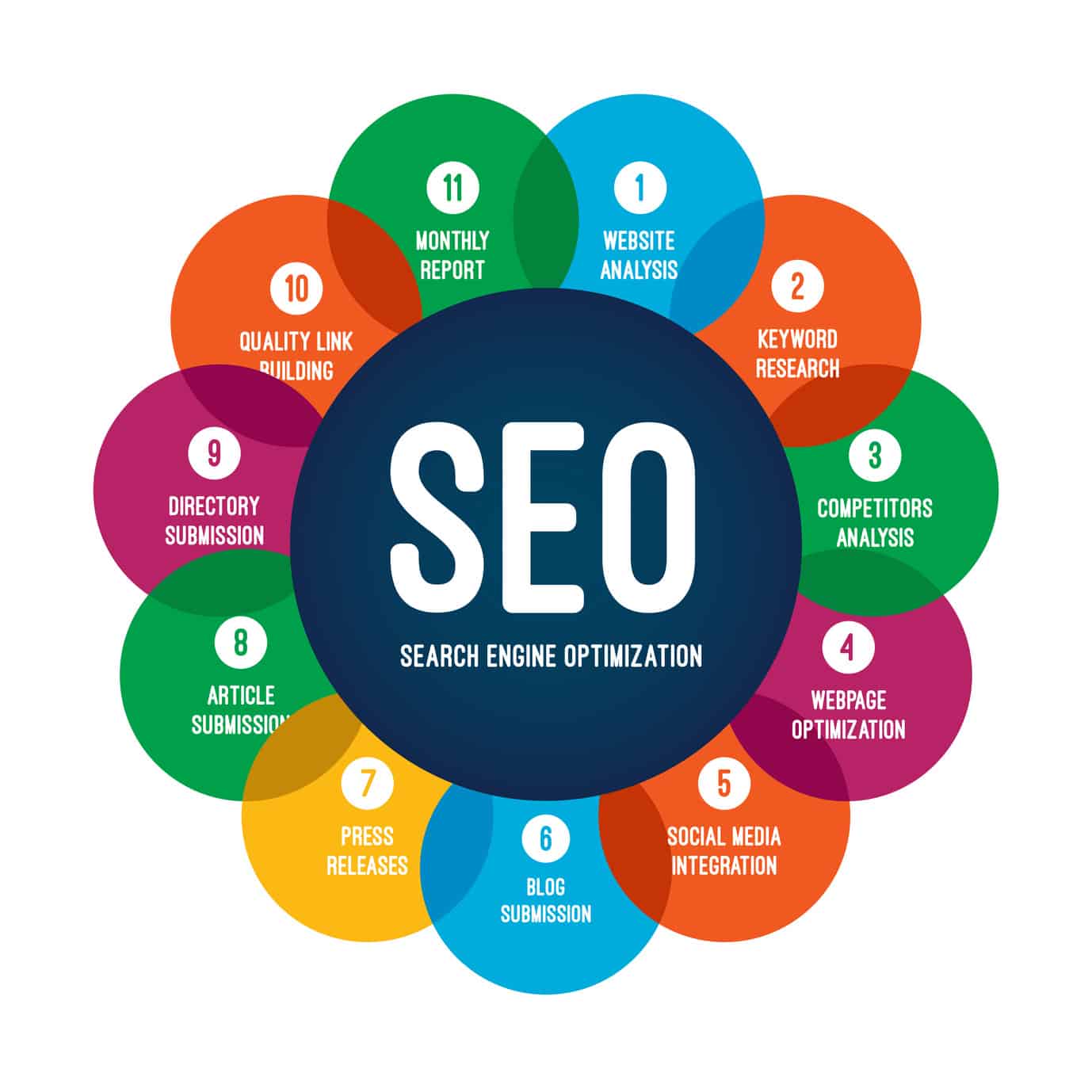
Understanding Search Engines
How Search Engines Work
To truly grasp the significance of SEO, it’s essential to understand how search engines operate. At their core, search engines like Google are sophisticated programs that help users navigate the vast ocean of information available online. Here’s a simplified breakdown of the process:
- Crawling : Search engines deploy bots, also known as crawlers or spiders, to scan the internet. These bots discover new pages and return to the search engine to assess what they’ve found.
- Indexing : Once a page is crawled, the content is analyzed and stored in a vast database called an index. This index is essentially a giant library of all the web pages, categorized for quick retrieval.
- Serving Results : When a user enters a query, the search engine sifts through its index, applying complex algorithms to determine the most relevant pages to display on the search results page.
Search Engine Algorithms
Now, let’s talk about search engine algorithms. These algorithms are what set the ranking of pages and essentially determine how well a site performs in search results. Each algorithm considers various factors, including:
- Content relevance to the search query
- Quality of backlinks from other authoritative sites
- User experience , including site speed and mobile friendliness
For instance, Google’s algorithm is frequently updated to improve user experience. An example is the Panda update, which penalizes low-quality content while favoring high-quality, engaging websites.
Understanding these mechanisms can empower businesses and marketers to align their SEO strategies effectively, improving their chances of being seen and clicked on by potential customers. Embracing these insights is crucial for anyone looking to thrive in the online marketplace.
Keyword Research and Analysis
Identifying Relevant Keywords
After understanding how search engines work, the next key step in your SEO journey is keyword research. Identifying relevant keywords is crucial because these words and phrases are what potential customers type into search engines. Think of keywords as the bridge connecting you with your audience. To find the best keywords for your business, consider these approaches:
- Brainstorming : Start by listing down words related to your business and industry.
- Search Suggestions : Type your main ideas into a search engine and pay attention to the autocomplete suggestions.
- Keyword Tools : Utilize tools like Google Keyword Planner or Ubersuggest to identify search volumes and competition levels for specific keywords.
For instance, if you run a bakery, relevant keywords might include “best chocolate cake” or “gluten-free bread recipe”. These insights not only help in content creation but also in tailoring your website for maximum reach.
Competitor Analysis for Keywords
Once you have a list of keywords, it’s time to analyze your competitors. Understanding what keywords similar businesses are targeting can provide a wealth of information. Here’s how to approach competitor analysis:
- Identify Competitors : List your top competitors in the market.
- Analyze Their Keywords : Use tools like SEMrush or Ahrefs to find out which keywords are driving traffic to their sites.
- Evaluate Content and Rankings : Review how they structure their content around these keywords and their ranking positions.
For example, if a competing bakery ranks highly for “custom wedding cakes”, consider creating unique content around that keyword to compete. By leveraging competitor insights, you can refine your keyword strategy, identify gaps in the market, and ultimately gain a competitive edge in your industry. With well-researched keywords, you are better positioned to attract the right audience.

On-Page SEO Techniques
Optimizing Meta Tags
Having identified relevant keywords and analyzed competitors, the next step in enhancing your website’s visibility is to focus on on-page SEO techniques. One of the most critical components of this is optimizing meta tags. Meta tags are snippets of text that describe a page’s content and can directly influence search engine rankings. Here’s how to optimize them effectively:
- Title Tags : Ensure that your title tag is compelling and includes your primary keyword. A well-crafted title should be under 60 characters to ensure it’s fully displayed in search results.
- Meta Descriptions : While meta descriptions don’t directly impact rankings, they influence click-through rates. Write a concise, persuasive summary of your page’s content, ideally between 150-160 characters.
- Header Tags : Use header tags (H1, H2, H3, etc.) to structure your content. This not only helps with readability but also emphasizes important keywords.
For example, if you run a fitness blog, a title tag like “10 Essential Tips for Your Home Workout” paired with a catchy meta description can attract more clicks.
Developing High-Quality Content
Once your meta tags are optimized, the next essential on-page technique is developing high-quality content. Content is truly king in the world of SEO. Here’s how to create engaging material that resonates with your audience:
- Value-Driven : Make sure your content answers questions users are asking. Write how-to guides, listicles, or in-depth articles that provide real value.
- Keyword Placement : Use your keywords naturally within the content. Aim for a good keyword density, but avoid keyword stuffing, as it can negatively impact readability.
- Visuals : Incorporate images, infographics, and videos to break up text and make your content more engaging.
For instance, if you’re writing a blog post on recipe tips, adding high-quality images of each step or a video tutorial can significantly enhance user engagement.
By optimizing your meta tags and creating valuable content, you’re not just improving your chances of ranking higher in search results; you’re also creating a better experience for your visitors. When they find what they’re looking for, they are more likely to stay longer, share, and return.
Off-Page SEO Strategies
Building Quality Backlinks
While on-page SEO focuses on optimizing elements within your own website, off-page SEO strategies are equally vital to improve your site’s authority and search visibility. One of the most effective off-page techniques is building quality backlinks. Backlinks are links from other websites to yours, acting as endorsements of your content. Here’s how to build effective backlinks:
- Guest Blogging : Reach out to reputable blogs in your niche and contribute guest posts. This not only provides a backlink but also exposes your brand to a wider audience.
- Skyscraper Technique : Identify high-performing content within your industry, create even better content, and then reach out to those who linked to the original source, encouraging them to link to your piece instead.
- Online Directories : Submit your site to relevant online directories to gain backlinks while simultaneously improving your online visibility.
For instance, when a well-known food blog links to your recipe, it not only drives traffic but also boosts your credibility in the culinary space.
Utilizing Social Media for SEO
In addition to backlinks, leveraging social media can amplify your off-page SEO efforts. While social media signals may not directly influence search rankings, they play a significant role in driving traffic and enhancing brand recognition. Here’s how to optimize your social media strategy for SEO:
- Share Your Content : Regularly post new blogs or articles on social media platforms to increase their reach. The more engagement your content receives, the more likely it is to attract backlinks.
- Engage with Your Audience : Respond to comments, join relevant groups, and actively participate in discussions related to your niche. This not only builds relationships but can lead to natural backlink opportunities.
- Visual Content : Create shareable visual content such as infographics or short videos that summarize key points of your blog. Visuals tend to get shared more, increasing exposure.
For example, if you posted a vibrant infographic of health tips on Instagram, followers are likely to share it, potentially inviting backlinks from their networks.
By building quality backlinks and effectively utilizing social media, you broaden your outreach and significantly enhance your website’s authority. Together, these off-page strategies contribute to a robust SEO foundation that attracts more visitors and drives engagement.

Technical SEO Optimization
Improving Site Speed
As you refine your off-page SEO strategies, it’s time to turn your attention to technical SEO optimization. One of the most crucial aspects of technical SEO is improving site speed. A fast-loading website not only enhances the user experience but also positively impacts your search rankings. Here are some practical steps you can take:
- Image Optimization : Compress images without sacrificing quality. Use formats like JPEG or WebP, and consider using tools like TinyPNG or ImageOptim.
- Minimize HTTP Requests : Reduce the number of elements on a page (like images, scripts, and stylesheets) to decrease load times. You can achieve this by combining files or using CSS image sprites.
- Leverage Browser Caching : Enabling browser caching allows frequently accessed resources to be stored for a set period, which speeds up subsequent visits.
For example, a retail website that loads quickly can dramatically improve its conversion rates during peak shopping seasons, making site speed a vital focus.
Mobile-Friendly Website Design
As site speed is addressed, ensuring your site is mobile-friendly is another cornerstone of technical SEO. With the majority of users accessing websites via mobile devices, search engines prioritize mobile optimization. Here’s how to ensure your website meets mobile standards:
- Responsive Design : Implement a responsive design that adapts seamlessly to various screen sizes, ensuring content is easily readable and navigable on any device.
- Mobile-Friendly Testing : Use Google’s Mobile-Friendly Test tool to evaluate how easily a visitor can use your web page on a mobile device. This tool provides suggestions for improvement.
- Avoid Flash : Since many mobile devices don’t support Flash, it’s best to avoid it in favor of HTML5 for interactive content.
For instance, a local restaurant that optimizes its website for mobile will likely attract more reservations as customers can easily browse menus, read reviews, and make bookings on their smartphones.
By focusing on improving site speed and adopting a mobile-friendly design, you create a more accessible and appealing experience for your visitors. These technical SEO practices form the backbone of your website, ensuring that your audience can navigate with ease, regardless of how they access your content.

Local SEO Optimization
Claiming and Optimizing Google My Business
As you enhance your overall SEO strategy, it’s essential to focus on local SEO optimization, especially if you operate a brick-and-mortar business or serve specific geographical areas. One of the first steps in local SEO is claiming and optimizing your Google My Business (GMB) listing. This free tool allows businesses to manage how they appear on Google Search and Maps. Here’s how to make the most of it:
- Complete Your Profile : Ensure all fields are filled out, including your business name, address, phone number (NAP), and website URL. Accuracy is crucial for local visibility.
- Use High-Quality Images : Add engaging images of your business, products, and staff. Photos help to draw customers in and give them a sense of what to expect.
- Encourage Reviews : Ask satisfied customers to leave positive reviews on your GMB listing. Responding to reviews, both positive and negative, also shows that you value customer feedback.
For example, a local coffee shop that optimizes its GMB profile might see increased foot traffic from nearby customers searching for “coffee near me.”
Implementing Local Keywords
Along with maximizing your GMB presence, implementing local keywords in your content can significantly enhance your search visibility. Local keywords are search terms that include your geographic location; they help target customers in your area. Here’s how to effectively incorporate them:
- Research Local Keywords : Use tools like Google Keyword Planner or Ubersuggest to find keywords that are relevant to both your business and location, such as “best pizza in [City].”
- Optimize Website Content : Include local keywords naturally in your website copy, meta descriptions, and headings. This helps search engines understand your relevance to local searches.
- Create Localized Content : Consider writing blog posts or articles that speak to local events, news, or activities related to your business. For instance, a landscaping company might post about tips for garden maintenance specific to local climate conditions.
By claiming and optimizing your Google My Business listing and implementing local keywords throughout your website, you create a strong foundation for local SEO. These strategies not only improve your search rankings but also help local customers find and connect with your business. As you cultivate a strong local online presence, you position your business for sustained growth and success in your community.
Measuring SEO Success
Setting KPIs for SEO
As your local SEO optimization efforts begin to take shape, it becomes essential to measure your SEO success to ensure that your strategies are effective. One of the first steps in this process is setting clear Key Performance Indicators (KPIs) for SEO. KPIs help you gauge the health of your SEO initiatives and determine whether your goals are being met. Here are some crucial KPIs to consider:
- Organic Traffic : Monitor the number of visitors arriving at your site through organic search. This is a direct measurement of your SEO effectiveness.
- Keyword Ranking : Track how your target keywords are performing in search engine results. Increased rankings for important keywords indicate that your optimization efforts are paying off.
- Conversion Rate : Ultimately, the goal is to not just attract visitors but to convert them. Measure the percentage of users completing desired actions, such as signing up for a newsletter or making a purchase.
For instance, if a local bakery initializes an online ordering system, their conversion rate from organic traffic can be a telling indicator of their SEO success.
Analyzing SEO Data
Once you’ve established your KPIs, the next step is to analyze the collected SEO data. This analysis helps identify trends, strengths, and areas for improvement. Here are some effective strategies for analyzing SEO data:
- Utilize Analytics Tools : Platforms like Google Analytics and Google Search Console provide valuable insights into user behavior, keyword performance, and traffic sources. Regularly review these tools to stay informed.
- Monitor Bounce Rate : A high bounce rate may indicate that visitors are not finding what they expect on your site. Analyzing this metric can help you identify content gaps or usability issues.
- Competitor Benchmarking : Regularly compare your performance against competitors. Understanding where you stand can inform your strategy and highlight opportunities for improvement.
For instance, if your analysis shows that users frequently leave your site after viewing only one page, it may be time to reassess your content or optimize your website layout.
By setting clear KPIs and diligently analyzing SEO data, you can ensure that your efforts lead to tangible improvements. This ongoing measurement and analysis form the backbone of a successful SEO strategy, allowing you to adapt continuously and optimize your approach for even greater gains in the future.
Tools and Resources for SEO
Google Search Console
As you delve into measuring SEO success, having the right tools and resources can significantly enhance your efforts. One of the most powerful, yet free, resources available is Google Search Console (GSC). This tool provides valuable insights into how your website interacts with Google’s search engine. Here’s what makes GSC a must-have for any SEO strategy:
- Performance Tracking : GSC allows you to track your website’s performance in search results, providing data on impressions, clicks, and average position for keywords.
- Indexing Insights : It helps you understand how well your site is indexed by Google and alerts you to any indexing issues that may be holding back your visibility.
- URL Inspection Tool : Use this feature to check how Google views a specific page on your site and see if there are any optimization opportunities.
For example, when I started monitoring my own blog with GSC, I was able to identify pages that weren’t indexed properly, allowing me to take corrective actions that significantly improved traffic.
SEO Analytics Platforms
In addition to GSC, various SEO analytics platforms can provide deeper insights into your website’s performance and growth. These tools often offer advanced features that can help you refine your strategy. Some popular options include:
- SEMrush : Known for its comprehensive keyword analysis and competitor tracking, SEMrush helps identify opportunities in your market.
- Ahrefs : This platform is invaluable for backlink analysis, site audits, and keyword tracking. Its user-friendly interface makes it an excellent choice for both newbies and seasoned pros.
- Moz : Besides offering robust SEO tools, Moz is known for its informative blog and community support, providing valuable learning resources.
For instance, using SEMrush, I once discovered a competitor’s successful keyword strategy, which inspired me to pivot my content approach and directly led to a traffic increase.
By leveraging tools like Google Search Console and sophisticated SEO analytics platforms, you can gain richer insights into your website’s performance. These resources not only facilitate better decision-making but also empower you to enhance your SEO strategies over time, ensuring that you stay ahead of the competition.
SEO Trends for the Future
Voice Search Optimization
As the digital landscape continuously evolves, staying abreast of emerging SEO trends is crucial for maintaining visibility. One significant trend on the horizon is voice search optimization. With the rise of smart speakers and voice assistants like Siri, Alexa, and Google Assistant, more users are relying on voice commands to conduct searches. Here’s why optimizing for voice search is essential:
- Conversational Keywords : Voice searches tend to be more conversational. Instead of typing “best pizza near me,” users might say, “What’s the best pizza place nearby?” Adjusting your keyword strategy to include longer, question-based phrases can help you capture this traffic.
- Local Focus : Many voice searches are location-based, making it imperative for local businesses to optimize their Google My Business listings and include local keywords in their content.
For instance, after I optimized my restaurant’s website for voice search, I noticed an uptick in reservations from customers who used voice commands to find local dining options.
Featured Snippets Optimization
Alongside voice search, another promising trend is featured snippets optimization. Featured snippets are selected search results that appear at the top of Google’s search results page, often referred to as “position zero.” They provide direct answers to users’ queries, enhancing visibility and driving traffic. Here’s how to optimize for them:
- Content Structure : Organize content with clear headings, bullet points, and tables. This makes it easier for search engines to pull concise answers to questions.
- Answer Questions : Identify common questions in your niche and provide straightforward answers early in your content. Tools like AnswerThePublic can help find popular queries.
- Use Schema Markup : Implementing schema markup can help search engines understand your content better, increasing your chances of being featured.
When I tailored my blog posts to include clear, concise answers to common questions, several of my articles were featured in snippets, resulting in increased traffic.
By focusing on voice search and featured snippets optimization, businesses can stay ahead of the curve and cater to changing search behaviors. As these trends continue to shape the future of SEO, adapting your strategies to meet them will be key to maintaining a competitive edge.