
Introduction
In the fast-evolving world of e-commerce, establishing a successful online store requires more than just enticing products and great customer service. To thrive—especially on platforms like Shopify—effective Search Engine Optimization (SEO) is essential. This process helps increase your store’s visibility in search engines, ultimately driving more traffic and potential sales.
Imagine you have a fantastic line of handmade jewelry, but if no one can find your shop, then sales will be merely a dream. This is where SEO comes into play. When implemented correctly, SEO acts as a powerful amplifier for your business.
Here are some key benefits:
- Increased Visibility : Being on the first page of search results can dramatically boost your traffic.
- Enhanced User Experience : Good SEO practices lead to better structured websites, making it easy for customers to navigate.
- Higher Conversion Rates : By targeting the right keywords, your store attracts more relevant visitors, increasing the likelihood of purchases.
Throughout this guide, we’ll dive deep into various SEO strategies tailored specifically for Shopify stores. You’ll learn everything from optimizing on-page elements to utilizing off-page strategies, all aimed at increasing your online presence and boosting sales. Ready to unlock the full potential of your Shopify store? Let’s get started!
Introduction
As the digital marketplace continues to expand, e-commerce entrepreneurs face the exciting yet challenging task of standing out among countless online competitors. In this bustling environment, simply having a Shopify store is not enough; businesses must also engage in comprehensive Search Engine Optimization (SEO) to capture the attention of potential customers.
Think of SEO as the behind-the-scenes effort that makes your online store accessible and appealing to search engines like Google. A few months back, a friend of mine launched her own custom t-shirt business. Initially, she struggled to drive traffic to her store. It wasn’t until she invested time in learning about SEO that she saw a turning point in her sales.
What did she do? Here are some essential actions she took:
- Keyword Research : Identified specific phrases her target audience was searching for.
- Optimized Product Pages : Crafted unique descriptions that included relevant keywords.
- Built Quality Backlinks : Collaborated with bloggers to drive traffic and increase credibility.
By adopting strategic SEO practices, her store not only gained more visitors but also increased her conversion rates significantly.
In the sections ahead, we’ll explore effective SEO techniques tailored for Shopify stores. This guide will equip you with the knowledge to enhance your online presence and ultimately grow your business. Let’s embark on this journey together!

II
Understanding SEO for Shopify Stores
Understanding SEO can feel overwhelming, especially for new Shopify store owners. Think of SEO (Search Engine Optimization) as the bridge connecting your online store to potential customers searching for products in search engines. It encompasses various techniques and strategies aimed at improving your site’s visibility and ranking in search results.
Importance of SEO for E-commerce Websites
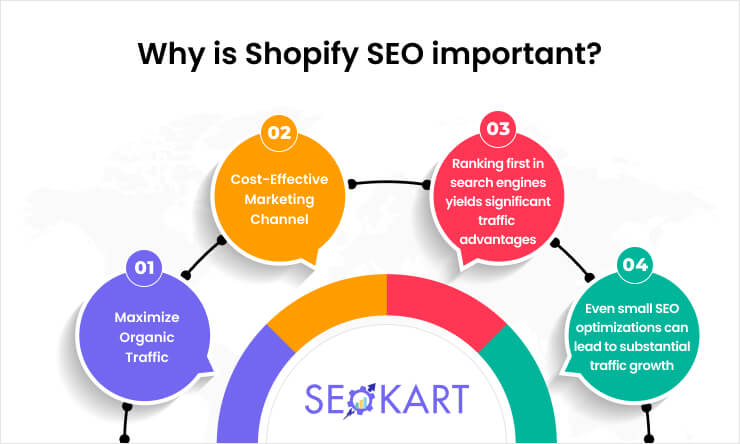
So, why is SEO especially important for e-commerce websites? The answer lies in the numbers. According to studies, nearly 75% of users never scroll past the first page of search results. This means that if your store isn’t visible on that coveted first page, you lose potential sales. Here are a few reasons why prioritizing SEO is crucial:
- Increased Traffic : Effective SEO practices lead to more visitors discovering your store.
- Cost-Effective Marketing : Unlike paid ads, organic traffic from SEO is free, providing long-term benefits for your business.
- Credibility and Trust : High search rankings build credibility among customers, leading to increased conversions.
Key SEO Elements for Shopify Stores
When it comes to optimizing your Shopify store, there are several key elements to focus on:
- Keyword Strategy : Research and incorporate relevant keywords into your product titles and descriptions.
- Meta Tags : Optimize title tags and meta descriptions to entice users to click through to your site.
- Mobile Optimization : Ensure your store is mobile-friendly, as a significant portion of online shopping is conducted on mobile devices.
By honing in on these key elements, you’ll set a solid foundation for your Shopify store’s SEO success. Stay tuned as we delve deeper into optimizing on-page SEO in the next section!

III
Optimizing Your Shopify Store’s On-Page SEO
Having established the importance of SEO for your Shopify store, it’s time to dive into the nitty-gritty of on-page SEO optimization. This involves fine-tuning various elements on your website to make it more attractive to search engines and users alike. On-page SEO is not just about packing keywords into your content; it’s about creating a seamless and engaging experience for your visitors.
Keyword Research and Implementation
Keyword research is the cornerstone of effective on-page SEO. Imagine you’re a customer searching for stylish running shoes. Chances are, you’d use phrases like “best running shoes for athletes” or “affordable running sneakers.” To ensure your products show up in search results, you need to identify and implement those keywords.
Here’s how you can effectively conduct keyword research:
- Use Tools : Platforms like Google Keyword Planner or Ahrefs can help you find relevant keywords.
- Consider Long-Tail Keywords : Phrases that are specific and longer tend to have less competition but attract highly targeted traffic.
Once you have your keywords, make sure to incorporate them into your product titles, headings, and meta descriptions.
Creating SEO-Friendly Product Descriptions
Next, let’s focus on product descriptions—these are your sales pitches for search engines. Here are essential tips for crafting SEO-friendly descriptions:
- Unique Content : Avoid using manufacturer descriptions; write your own to stand out.
- Include Keywords Naturally : Seamlessly weave your researched keywords into the text.
- Engaging and Informative : Highlight the product’s features and benefits while keeping a conversational tone.
By optimizing your on-page SEO through strategic keyword research and compelling product descriptions, you pave the way for higher search engine rankings and enhanced user experience. Up next, we’ll explore off-page SEO strategies to further boost your visibility.
IV
Utilizing Off-Page SEO Strategies
Having optimized your Shopify store’s on-page elements, it’s time to explore off-page SEO strategies. These techniques can significantly enhance your online presence and drive traffic to your store. While on-page SEO focuses on elements within your site, off-page SEO encompasses actions taken outside your site to influence your ranking.
Building Quality Backlinks
One of the most impactful off-page SEO strategies is building quality backlinks. Think of backlinks as votes of confidence from other websites. The more reputable websites link to your store, the more credible your site appears to search engines. Here are a few tactics to earn backlinks:
- Guest Blogging : Contribute articles to industry-relevant blogs, linking back to your store.
- Influencer Collaborations : Partner with influencers who can promote your products to their audience.
- Resource Pages : Reach out to blogs or websites with resource pages and ask to be included.
Leveraging Social Media for SEO
Social media is another powerful tool for off-page SEO. Sharing your products and content on platforms like Instagram or Facebook can help drive traffic to your store. Regularly engaging with your audience not only builds your brand but also increases the likelihood of shares and backlinks.
Enhancing User Experience for Better SEO
A good user experience is crucial for SEO. A seamless, easy-to-navigate site encourages longer visits and reduces bounce rates—factors that search engines consider when ranking your site.
Improving Site Speed and Mobile Responsiveness
Ensure your website loads quickly, especially on mobile devices. Shopify sites can benefit from choosing a fast, optimized theme and compressing images. A study showed that 53% of mobile users leave a web page that takes over three seconds to load.
Implementing Clear Navigation and Structure
Organize your site with clear navigation and logical structure. Intuitive menus and categories help visitors find what they need easily, reducing frustration and boosting retention.
By harnessing these off-page SEO strategies, you can effectively elevate your Shopify store’s visibility and drive more sales. In the next section, we’ll discuss how to analyze and monitor your SEO performance to ensure your efforts are paying off.
VI
Analyzing and Monitoring Your SEO Performance
With your SEO strategies in place, it’s crucial to analyze and monitor your performance to ensure your efforts yield the desired results. Tracking how well your site is performing allows you to make informed adjustments and stay ahead of the competition.
Using Google Analytics for SEO Insights
Google Analytics is an invaluable tool for gathering SEO insights about your Shopify store. By setting up Google Analytics, you can track user behavior and performance metrics. Here’s what you should focus on:
- Organic Traffic : Monitor the amount of traffic coming from search engines to see how your SEO efforts are paying off.
- Bounce Rate : A high bounce rate may indicate that visitors aren’t finding what they are looking for, prompting a need for adjustments.
- Conversion Rate : Analyze the percentage of visitors who complete desired actions, such as making a purchase or signing up for a newsletter.
For instance, when my colleague started using Google Analytics on her store, she discovered that most visitors abandoned their carts on the payment page. This insight prompted her to streamline the checkout process, leading to a notable increase in conversions.
Tracking SEO Progress with Tools like SEMrush
In addition to Google Analytics, utilizing tools like SEMrush can elevate your SEO tracking. SEMrush offers features such as:
- Keyword Rankings : Track how your targeted keywords are ranking over time.
- Site Audit : Identify technical issues with your site that could hinder performance.
- Backlink Tracking : Monitor your backlinks and discover new linking opportunities.
Using these insights, you can continuously refine your SEO strategies. Regular performance analysis not only helps you understand your current standing in the competitive e-commerce landscape but also empowers you to pivot and adapt for future success. Stay tuned for our next discussion on advanced SEO techniques tailored for Shopify stores!
VII
Advanced SEO Techniques for Shopify Stores
As you dive deeper into the world of e-commerce, mastering advanced SEO techniques can set your Shopify store apart from the competition. These tactics may require a bit more effort, but the rewards can be significant in enhancing your store’s visibility and user engagement.
Structured Data Markup for Rich Snippets
One of the most effective advanced techniques is implementing structured data markup. This practice helps search engines understand the context of your content, making rich snippets possible. Rich snippets provide additional information in the search results, such as star ratings, product availability, and images.
Here’s a quick rundown on how structured data can benefit you:
- Improved Click-Through Rates : Enhanced listings attract more clicks due to the visually appealing format.
- Increased Visibility : Rich snippets can help your products stand out in the crowded search results.
For instance, when a friend of mine updated her store’s structured data, her click-through rate improved by 20% within weeks. Those extra details made a huge difference!
Implementing Schema.org for Enhanced SEO
To implement structured data effectively, you can utilize Schema.org, a collaborative project designed to provide a universal vocabulary for structured data. This allows you to mark up:
- Product Information : Details like price, availability, and product reviews.
- Breadcrumb Navigation : Help search engines understand the hierarchy of your site.
Using tools like Google’s Structured Data Markup Helper can simplify the markup process. Implementing this structured data not only enhances your SEO but provides more informative search result displays that can drive traffic to your store.
With these advanced techniques, you’re on your way to boosting your Shopify store’s presence in search engines. Next, we’ll tackle common SEO challenges specific to Shopify and how to overcome them.

VIII
Overcoming Common SEO Challenges on Shopify
Even after implementing proactive SEO strategies, Shopify store owners often face several common challenges that can hinder their performance in search engines. Understanding and effectively addressing these issues is vital for your online success.
Dealing with Duplicate Content Issues
One of the most prevalent issues in e-commerce is duplicate content, which can confuse search engines and lead to lower rankings. This typically occurs when variations of the same product or description appear on multiple pages. To tackle this issue, consider these strategies:
- Canonical Tags : Use canonical tags to indicate the original version of a page to search engines, preventing dilution of your content’s authority.
- Unique Product Descriptions : Rewrite product descriptions for similar items to make each one unique, which can also enhance user engagement.
When a client of mine faced duplicate content issues due to numerous colors of a popular shoe, implementing unique descriptions and canonical tags improved their site rankings significantly.
Handling URL Structure and Redirects
A well-structured URL is essential for both users and search engines. Shopify automatically generates URLs, but you can customize them to be shorter and keyword-rich. Additionally, when changing product URLs, proper redirects are key:
- 301 Redirects : Ensure users and search engines are directed to the correct page, thereby preserving link equity.
- Consistent Structure : Maintain a uniform URL structure across your site to enhance readability and predictability.
By proactively addressing these common SEO challenges, you can strengthen your Shopify store’s foundation for long-term success. Next, we’ll explore how to expand your reach through local SEO strategies to further enhance your visibility.