
:max_bytes(150000):strip_icc()/Term-Definitions_Digital-Marketing-5ae6ea1aee934b02a94a1a4d9401443d.jpg)
Introduction
Understanding the Importance of SEO
In today’s digital landscape, the significance of Search Engine Optimization (SEO) cannot be overstressed. With millions of websites competing for attention, understanding SEO becomes crucial for anyone looking to establish an online presence. This practice not only enhances visibility but also significantly impacts traffic flow, credibility, and ultimately, conversions.
Imagine you own a quaint bakery. If someone searches for “best chocolate cake near me,” do you want your shop to pop up? Absolutely! Without SEO, potential customers may never find you amid the vast sea of online options. Thus, SEO serves as your digital storefront, guiding visitors seamlessly to your products or services.
Benefits of Implementing SEO Techniques
The benefits of SEO extend beyond mere visibility. Here are some of the primary advantages:
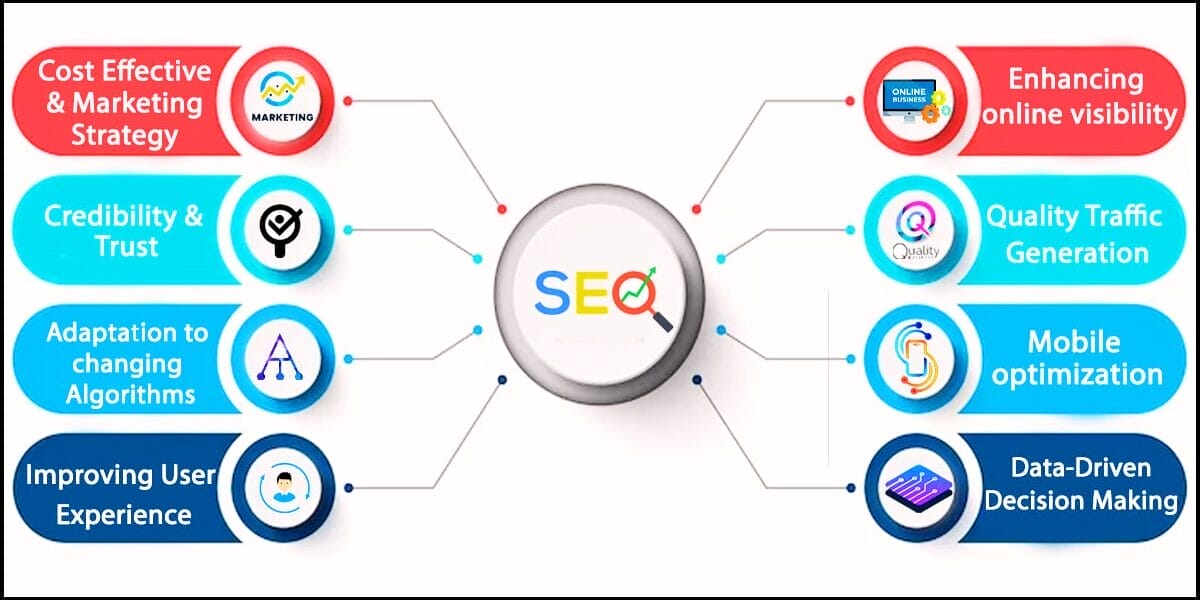
- Increased Organic Traffic : Effective SEO strategies help drive more organic traffic to your website, raising the number of potential customers.
- Cost-Effective Marketing : Compared to paid advertising, SEO can provide higher ROI in the long run, making it a budget-friendly option for many businesses.
- Enhancement of User Experience : A well-optimized site leads to better usability, encouraging potential customers to stay longer and interact with your content.
- Builds Brand Credibility : Ranking high in search results enhances trust among users. People often perceive top-ranking sites as credible and reliable.
- Long-Term Results : While it requires continuous effort, the results from effective SEO campaigns contribute to lasting online visibility.
These points underscore why SEO is an essential strategy for any online endeavor, solidifying its role as a key player in the marketing toolkit.

Setting the Foundation for SEO Success
Conducting Website Audits
Before diving into the world of SEO tactics, it’s essential to establish a strong foundation. The first step? Conducting a thorough website audit. This examination provides invaluable insights into your current performance and pinpoints areas for improvement.
Consider it like a health check-up for your website. Just as one would monitor cholesterol levels and blood pressure, website audits assess key metrics such as:
- Site Speed : How quickly does your site load? A delay of just a few seconds can lead to higher bounce rates.
- Mobile Friendliness : Is your website responsive across devices? With mobile traffic on the rise, this is crucial.
- Content Quality : Does your content engage visitors? Reviewing existing articles ensures that they fulfill user intent and remain updated.
- Technical Issues : Identifying broken links, duplicated content, or crawl errors can dramatically affect your SEO performance.
Conducting periodic audits illuminates the path toward optimization while offering a roadmap for success.
Keyword Research and Analysis
Once your website is in check, it’s time to focus on keyword research and analysis. Think of keywords as the bridge connecting your content to search engine queries. Finding the right keywords can significantly enhance the visibility of your website.
To get started, consider leveraging tools such as Google Keyword Planner or SEMrush. Here’s a simple process to follow:
- Brainstorm Core Topics : Identify main topics relevant to your business. For example, if you run a fitness blog, topics might include “weight loss,” “healthy recipes,” or “fitness tips.”
- Expand with Keywords : For each topic, create a list of related keywords. Think about what your target audience might search for. Long-tail keywords like “best healthy recipes for weight loss” can often yield better results.
- Analyze Competitors : Observe which keywords competitors rank for and use this information to fine-tune your strategy.
- Prioritize : Focus on keywords with high search volume and low competition to increase your chances of ranking.
By combining a solid website audit with comprehensive keyword research, businesses lay a sturdy groundwork for SEO success, driving targeted traffic and enhancing user engagement.
On-Page Optimization Strategies
Creating SEO-Friendly Content
Now that you’ve laid the groundwork with website audits and keyword research, it’s time to dive into on-page optimization strategies. The first and foremost aspect to consider is creating SEO-friendly content. Quality content not only engages readers but also satisfies the search engines that rank it.
To craft compelling, SEO-friendly content, keep these tips in mind:
- Prioritize User Intent : Before writing, ask yourself what your audience is genuinely interested in. Address their questions and problems directly within your content.
- Use Keywords Naturally : Incorporate relevant keywords organically within the text. This includes headings, subheadings, and throughout the main body, but remember, keyword stuffing can harm your SEO.
- Engaging Formatting : Break up text with bullet points, tables, and images to make it visually appealing and easier to digest. For instance, in a how-to article, lists can be remarkably effective.
- Length Matters : Aim for in-depth content; industry experts often suggest articles of 1,500 words or more. Longer content tends to rank better as it covers topics comprehensively.
As an example, consider a blog post about “eco-friendly home tips.” Including sections tailored to specific areas like energy efficiency or sustainable materials enhances its value.
Optimizing Meta Tags and URLs
Next up is optimizing meta tags and URLs, crucial elements that help search engines and users understand your content better.
- Meta Title and Description : Craft engaging and relevant meta titles (around 60 characters) and descriptions (around 160 characters) for each page. Use your primary keyword and make it compelling in a way that prompts clicks.
- Heading Tags : Utilize H1, H2, and H3 tags appropriately to structure your content. Headings help search engines interpret page hierarchy and improve readability.
- URL Structure : Keep URLs concise and descriptive. For example, a URL like “yourwebsite.com/eco-friendly-home-tips” is clearer than “yourwebsite.com/post12345.”
By focusing on creating valuable content alongside effective meta tags and URLs, you can significantly improve your website’s visibility and ranking in search engine results. These strategies work hand-in-hand to enhance the overall user experience and foster greater engagement, leading to better SEO performance.

Off-Page SEO Techniques
Building High-Quality Backlinks
Having established your on-page SEO, it’s time to turn your attention to off-page techniques that can elevate your site’s authority and visibility. One of the most effective methods is building high-quality backlinks. Think of backlinks as votes of confidence from other websites, signaling to search engines that your content is valuable.
Here’s how to go about it:
- Guest Blogging : Contributing articles to reputable blogs within your niche can not only provide backlinks but also position you as an authority. Remember to choose sites relevant to your industry for maximum impact.
- Create Shareable Content : Develop unique and informative resources like infographics, research papers, or comprehensive guides that others naturally want to link to. For instance, a detailed eBook on sustainable living can attract links and shares from various eco-friendly websites.
- Network and Build Relationships : Engaging with influencers and bloggers in your field can open doors for collaboration. Consider reaching out for interviews, podcasts, or social media mentions, which can result in valuable backlinks.
In my experience, a single quality backlink from a well-respected site can drive significant traffic and improve search rankings beyond what many internal efforts yield.
Utilizing Social Media for SEO
Now, let’s talk about utilizing social media as a powerful tool in your off-page SEO strategy. Although social media signals may not directly impact ranking, they can significantly enhance your online presence and drive traffic to your website.
Here’s how to effectively leverage social media:
- Promote Content : Share your content across different platforms. Tailor your posts to fit the style of each platform—what works on LinkedIn may differ from Instagram.
- Engagement is Key : Interact with your audience by responding to comments, joining relevant groups, and participating in discussions. This not only builds community but can also lead to organic shares and backlinks.
- Influencer Collaborations : Partnering with social media influencers can dramatically expand your reach. Their followers trust their recommendations, making it an excellent avenue for driving traffic to your site.
By combining high-quality backlink building with strategic social media efforts, you create a robust off-page SEO strategy that enhances your website’s authority and visibility. This dual approach can significantly impact your overall SEO performance, establishing you as a recognized leader in your industry.
Technical SEO Best Practices
Improving Site Speed and Mobile-Friendliness
Transitioning from off-page efforts, it’s crucial to focus on technical SEO best practices, which can significantly influence both user experience and search engine rankings. A key aspect of this is improving site speed and mobile-friendliness.
Consider this: When you visit a website, how do you feel when it takes forever to load? Frustrated, right? Users expect quick access, and search engines align with this expectation. Here are some effective strategies to enhance site speed:
- Optimize Images : Compress image sizes without losing quality using tools like TinyPNG or ImageOptim. Properly formatted images can decrease loading times substantially.
- Leverage Browser Caching : Set up caching so that browsers can store certain elements of your site, making future visits faster.
- Minimize HTTP Requests : Limit the number of elements on your page, such as scripts and images, as each one requires an HTTP request that can slow down load time.
Additionally, with mobile traffic surging, ensuring your site is mobile-friendly is non-negotiable. Use responsive design principles and check how your site performs using Google’s Mobile-Friendly Test tool.
Enhancing Site Structure and Navigation
Next, let’s dive into enhancing site structure and navigation. An intuitive website layout not only helps visitors find what they need but also assists search engines in indexing your pages effectively.
Here are some tips to consider:
- Clear Hierarchy : Use a clear and logical hierarchy for your site structure. Start with broad categories and drill down into more specific subcategories. This organization helps users navigate effortlessly.
- Descriptive URLs : Keep URLs short and descriptive. Using words rather than numbers in URLs can help both users and search engines understand page content quickly. For instance, “yourwebsite.com/eco-friendly-products” is far more informative than “yourwebsite.com/page123.”
- Internal Linking : Make use of internal links to connect related content on your site. This not only helps users discover more of your content but also assists search engines in understanding your site’s layout.
By prioritizing site speed, mobile friendliness, and a well-structured navigation system, you establish a robust technical foundation for your SEO strategy. These best practices will enhance user experience, leading to longer site visits and higher search rankings.
Measuring and Analyzing SEO Performance
Tracking Key Performance Indicators
With a solid technical foundation in place, the next step is measuring and analyzing your SEO performance. This is essential to understand what works, what doesn’t, and how you can refine your strategies going forward. The best way to do this? By tracking Key Performance Indicators (KPIs).
KPIs provide measurable values that demonstrate how effectively you’re achieving your SEO objectives. Here are several important metrics to keep an eye on:
- Organic Traffic : This measures the number of visitors arriving at your site through organic search. An increase here indicates better visibility in search results.
- Bounce Rate : This metric shows the percentage of visitors leaving your site after viewing only one page. A high bounce rate may suggest that content isn’t meeting user expectations.
- Average Session Duration : This indicates how long users are spending on your site. Longer sessions usually mean users are engaged and finding value in your content.
- Conversion Rate : Ultimately, how many of your visitors are taking desired actions, be it purchasing a product or signing up for a newsletter? This KPI is critical for assessing overall success.
Monitoring these KPIs allows you to adapt and fine-tune your strategies to drive continuous improvement.
Using Google Analytics for Insights
One of the most powerful tools for measuring these KPIs is Google Analytics. This free platform offers in-depth insights into user behavior that can inform your SEO strategies.
- Setting Up Goals : By configuring goals in Google Analytics, you can track specific user actions, such as form submissions or purchases. This helps align your KPIs with strategic business objectives.
- Acquisition Reports : Use these reports to determine where your traffic is coming from. Understanding which channels bring the most visitors can help prioritize your marketing efforts.
- User Flow Visualization : Google Analytics allows you to see how users navigate through your site. Analyzing this flow can highlight potential sticking points or areas for improvement.
- Content Performance : Track how individual pages are performing. Sometimes, certain blog posts or product pages might be driving the bulk of your traffic, which could influence your content strategy.
Incorporating these practices gives you a data-driven approach to optimize your SEO efforts continually, ensuring you’re not just creating content, but also understanding its impact effectively. With ongoing analysis, you can adapt your strategies to align with user needs and market changes, ultimately leading to sustained SEO success.

Advanced SEO Strategies for Web Agencies
Implementing Schema Markup
Now that you’ve got a solid grasp on measuring your SEO performance, it’s time to explore advanced strategies that can set your web agency apart from the competition. One such strategy is implementing schema markup.
Schema markup is a form of microdata that makes your website more understandable to search engines. By providing additional context about your content, you can enhance how your website appears in search results, often resulting in richer snippets, which are more visually appealing and informative.
Consider these key benefits of schema markup:
- Improved Visibility : Websites that use schema often show up with rich snippets, which can lead to higher click-through rates. For example, a recipe with cooking time and star ratings can attract more engagement.
- Enhanced Local Search : For businesses with physical locations, schema allows you to include important details like address, phone number, and business hours.
- Better Targeting : By defining your content clearly, schema helps search engines serve the right information to users, leading to a more relevant audience discovering your site.
Implementing schema might seem technical, but using tools like Google’s Structured Data Markup Helper can make it much simpler.
Leveraging Local SEO Tactics
In addition to schema markup, leveraging local SEO tactics is essential for web agencies, especially if they serve local or regional clients. Local SEO focuses on optimizing your online presence to attract more business from relevant local searches.
Here’s how to effectively enhance your local SEO strategy:
- Google My Business : Claim and optimize your Google My Business listing. Ensure all information is accurate and regularly updated with posts, images, and client reviews. This can significantly boost local visibility.
- Local Keywords : Integrate local keywords naturally into your content, including your city or region in titles and descriptions. This helps search engines associate your services with local searches.
- Local Backlinks : Encourage collaborations with local businesses, blogs, or directories to build backlinks. This not only improves your SEO but also fosters community relationships.
- Customer Reviews : Actively seek and respond to customer reviews. Positive feedback not only enhances credibility but also plays a role in local ranking.
By implementing schema markup and local SEO tactics, web agencies can drive targeted traffic and improve online visibility. These advanced strategies help establish authority in local markets while maximizing engagement, ultimately contributing to sustained growth in client acquisition and retention.

Staying Ahead with SEO Trends
Voice Search Optimization
As the SEO landscape continues to evolve, staying ahead of new trends is essential for long-term success. One of the most significant shifts in recent years is the rise of voice search. With devices like Siri, Google Assistant, and Alexa becoming an integral part of daily life, optimizing for voice search can give your agency a competitive edge.
So, how do you adapt? Here are some tips to optimize for voice search:
- Focus on Conversational Keywords : People use natural language when voice searching. Instead of targeting short, generic phrases, create content around long-tail keywords that mimic how people speak. For example, instead of “best coffee shop,” optimize for “what is the best coffee shop near me?”
- Answer Questions Directly : Voice searches often come in the form of questions. Incorporate FAQs into your content to address common queries concisely and clearly.
- Enhance Local SEO : Since many voice searches are location-based, ensure your business information is crystalline across platforms to improve local visibility.
By embracing voice search optimization, you position your content to reach users where they are increasingly looking for information—conveniently and efficiently.
Video SEO Strategies
Another trend that cannot be ignored is the growth of video content. Platforms like YouTube are dominating, and video is projected to account for over 80% of all online traffic in the coming years. To capitalize on this shift, effective video SEO strategies are crucial.
Here’s how to optimize your video content:
- Keywords in Titles and Descriptions : Just like written content, use relevant keywords in your video titles and descriptions to help search engines understand the context. A clear title like “How to Brew the Perfect Cup of Coffee” paired with a detailed description can improve visibility.
- Create Engaging Thumbnails : Thumbnails are the first impression users get of your video. Design visually appealing thumbnails that tell viewers what to expect and encourage clicks.
- Utilize Tags and Transcriptions : Tags help categorize your video while transcriptions make your content accessible, allowing search engines to crawl the spoken words.
- Encourage Engagement : Engagement metrics, such as likes, comments, and shares, signal to search engines that your video is valuable. Prompt viewers to interact by asking questions or encouraging comments.
By integrating voice search optimization and video SEO strategies into your approach, you can effectively stay ahead of the competition. These trends highlight the need for adaptability in a rapidly changing digital landscape, ensuring your agency continues to capture and engage audiences effectively.