

Introduction to SEO
What is SEO?
Search Engine Optimization, or SEO, is the practice of enhancing a website to improve its visibility on search engines like Google, Bing, and Yahoo. Imagine you have a fantastic new bakery, but no one knows about it because it’s tucked away in a corner. SEO is like putting a big, colorful sign outside your bakery that guides passersby right to your door.
At its core, SEO involves a mix of strategies aimed at attracting organic (unpaid) traffic to your website. This includes optimizing your content, improving your site’s technical structure, and building external links to establish authority. The ultimate goal? Rank higher on search engine results pages (SERPs) so that potential customers can discover your products or services.
Importance of SEO for Business Owners
For business owners, SEO isn’t just a buzzword; it’s a necessity. Without effective SEO strategies, a company might as well be invisible. Here are a few reasons why SEO is crucial:
- Increased Visibility : A well-optimized page can significantly increase organic traffic, making it easier for potential customers to find your business online.
- Cost-Effective Marketing : Compared to traditional advertising, SEO offers a high return on investment (ROI). Once a site starts to rank, it can pull in visitors without ongoing pay-per-click costs.
- Building Credibility : Websites that appear on the first page of search results are often perceived as more trustworthy. By achieving that ranking, businesses can enhance their credibility in the eyes of consumers.
In today’s digital age, not investing in SEO is like not having a storefront in a busy shopping district. It’s an essential pillar for long-term growth and a way to stand out in a crowded marketplace. Remember, SEO is not a one-time effort; it’s an ongoing process, and staying ahead of the game is key for any business owner looking to thrive online.
Key Components of SEO
On-Page SEO
On-Page SEO refers to the elements you can control directly on your website to improve its rankings. Think of it like cooking; the ingredients you choose and how you prepare them can make a delicious dish or a bland meal. Here are some essential components:
- Keyword Optimization : Incorporate relevant keywords naturally into your titles, headers, and throughout your content. For example, if you run a dog grooming service, keywords like “dog grooming tips” or “best dog groomers near me” should feature prominently.
- Meta Tags : These snippets of text help search engines understand your page’s content. Optimizing the meta title and description can entice users to click on your link over others.
- Quality Content : Engaging, informative content is a must. It should answer users’ questions or solve their problems. A story about a dog transformation, for instance, not only engages readers but can also bring in potential customers.
Off-Page SEO
Off-Page SEO encompasses actions taken outside of your own website to boost its credibility and authority. It’s akin to word-of-mouth marketing—getting others to talk about and link to your site. Here are key strategies to consider:
- Backlinking : Building high-quality backlinks from reputable sites signals to search engines that your content is valuable. Think guest blogging or collaborations with industry influencers.
- Social Media Engagement : Sharing your content on platforms like Facebook, Instagram, and Twitter can drive traffic back to your site and improve its visibility.
- Local Listings : Ensure your business is listed accurately on platforms like Google My Business. This boosts your local SEO and makes it easier for customers to find you.
Both On-Page and Off-Page SEO are crucial for creating a comprehensive SEO strategy. They work together holistically to enhance your site’s authority and visibility, ensuring you capture the attention of searchers in your target market. Each component complements the other, setting the stage for sustained online success.
Understanding Keywords
Importance of Keywords in SEO
Keywords are the lifeblood of SEO—they bridge the gap between what people are searching for and what you offer on your website. Imagine running a bicycle shop: if the buzz in the market is “best mountain bikes” and your content revolves around “bicycle accessories,” you risk missing out on valuable traffic. Here’s why keywords matter:
- Targeted Traffic : By embedding the right keywords into your content, you attract visitors who are genuinely interested in what you provide. This targeted approach means higher conversion rates.
- Search Intent : Understanding the intent behind keywords—whether users are looking to buy, seek information, or compare products—enables you to create content that meets their needs, shaping their journey more effectively.
- Competitive Advantage : Analyzing your competitors’ keywords can unveil opportunities or gaps in the market. If they’re ranking well for particular terms, you may want to consider targeting those keywords or related variations.
Keyword Research Strategies
To maximize the power of keywords, effective research strategies are essential. Here are some techniques to get you started:
- Use Keyword Research Tools : Tools like Google Keyword Planner, SEMrush, or Ahrefs can provide insights into search volumes, competition levels, and related keyword suggestions.
- Explore Long-Tail Keywords : These longer, more specific phrases often have lower competition and can bring in highly relevant traffic. For example, “how to maintain mountain bikes” is more targeted than just “bikes.”
- Analyze Competitors : Look at the keywords your competitors rank for by using SEO tools. This can highlight potential areas for your content to target.
By understanding the importance of keywords and employing effective research strategies, you position your content to resonate with your audience. Keywords drive not only your content strategy but also your overall SEO success, making them a critical element in attracting and retaining visitors.

Optimizing Website Content
Creating SEO-friendly Content
Creating SEO-friendly content is akin to crafting a compelling story that resonates with your audience while also appeasing search engines. This balance is crucial for optimizing website content effectively. Here’s how to do it:
- Know Your Audience : Understanding who your readers are allows you to tailor your content to their needs. For instance, if you run a fitness blog, focus on their interests—like healthy recipes or workout tips—while incorporating relevant keywords.
- Structure Your Content : Use headings (H1, H2, H3) to structure your content clearly. This not only makes it easier for readers but also helps search engines understand the hierarchy of your information. Imagine reading a novel without chapters; it would quickly become overwhelming!
- Engaging First Paragraph : The opening lines should grab attention and provide a clear idea of what the content covers. Like a good book trailer, it should entice the reader to continue.
Best Practices for Content Optimization
To ensure your content stands out, consider these best practices for optimization:
- Keyword Placement : Naturally incorporate keywords throughout the content, especially in the introduction and headings, without stuffing them. Aim for a smooth reading experience that flows well.
- Use Internal and External Links : Linking to related content boosts user engagement and improves site navigation. Additionally, linking to reputable external sources can enhance your content’s credibility.
- Optimize Images : Use relevant images with alt text descriptions that include keywords. This not only aids in SEO but also makes your site more visually appealing.
- Regular Updates : Keeping your content fresh and updated signals to search engines that your site is active. This can lead to improved rankings over time.
By following these strategies, business owners can create effective SEO-friendly content that resonates with their audience while boosting search engine rankings. The right content can be a game-changer in attracting and retaining the right visitors to your website.

Technical SEO Overview
Website Structure and SEO
When it comes to technical SEO, website structure plays a pivotal role in how search engines perceive and index your site. Think of your website as a well-organized library. If books (or pages) aren’t sorted correctly, visitors (and search engines) will have a tough time finding what they need. Here are some essential elements of a well-structured site:
- Clear Navigation : Ensure your site has a logical navigation structure that allows users—and search engines—to move seamlessly between pages. A clear menu with categories can make all the difference.
- URL Structure : Crafting user-friendly URLs not only helps visitors understand where they are but also assists search engines in indexing your pages effectively. For example, instead of a URL like
www.example.com/page123, considerwww.example.com/dog-grooming-tips. - Sitemaps : Having an XML sitemap is crucial. It serves as a roadmap for search engines, detailing which pages to crawl and their relationships. Submitting this sitemap through tools like Google Search Console enhances your site’s visibility.
Mobile Optimization for SEO
With mobile devices accounting for a significant portion of internet traffic, mobile optimization cannot be overlooked. In fact, Google employs mobile-first indexing, meaning it prioritizes the mobile version of sites for ranking. Here’s how to ensure your site is mobile-friendly:
- Responsive Design : Adopt a responsive web design that adapts to various screen sizes. This ensures that users have a consistent experience, whether they’re browsing on a smartphone, tablet, or desktop.
- Fast Loading Speed : Mobile users are impatient. According to studies, if a page takes more than a few seconds to load, many will bounce. Use tools like Google PageSpeed Insights to assess and improve loading times.
- Touch-Friendly Elements : Ensure buttons and links are easily clickable, with adequate spacing to avoid accidental clicks. Mobile users typically navigate with their fingers, so a little extra padding goes a long way.
By paying attention to website structure and mobile optimization, businesses can enhance their technical SEO and ultimately improve their ranking. It sets the groundwork for a user-friendly experience that attracts and retains visitors, making it an essential part of any comprehensive SEO strategy.
Local SEO Strategies
Importance of Local SEO
In today’s fast-paced digital landscape, Local SEO is more crucial than ever for businesses that serve specific geographic areas. Imagine you own a cozy coffee shop. When someone nearby types “best coffee shop near me” into their search bar, you want to ensure that your café pops up first! Here’s why Local SEO matters:
- Targeted Traffic : Local SEO ensures that you reach potential customers who are actively looking for your services nearby, increasing the likelihood of foot traffic and sales.
- Enhanced Visibility : With the rise of mobile searches, optimizing for local results helps your business show up prominently on maps and local listings. This is especially vital for brick-and-mortar establishments.
- Community Engagement : Local SEO can help your business establish ties with the community. When your café appears in nearby searches, you’re not just a business; you become a part of the local fabric.
How to Optimize for Local Search
Optimizing for local search involves several strategic steps that can significantly enhance your online presence:
- Google My Business : Claiming and optimizing your Google My Business listing is foundational. Ensure all information—like your address, phone number, and hours of operation—is accurate and up to date. Add engaging photos of your coffee shop that capture its ambiance.
- Local Keywords : Incorporate location-specific keywords into your website content, such as “best coffee in [Your City].” This helps search engines associate your business with local searches.
- Citations and Reviews : Ensure your business information appears consistently across directories like Yelp, Yellow Pages, and TripAdvisor. Encourage satisfied customers to leave positive reviews, as high ratings can enhance your visibility in search results.
- Community Involvement : Participate in local events or sponsor community activities. This not only promotes your business but can earn you valuable backlinks from local websites.
By implementing these Local SEO strategies, businesses can create a strong foothold in their communities, connecting with customers on a more personal level. When done correctly, Local SEO turns your unique offerings into a go-to option for nearby searchers, fueling business growth and customer loyalty.
Link Building Tactics
Benefits of Link Building in SEO
Link building is a vital component of any effective SEO strategy, acting as a vote of confidence from one website to another. Think of links as endorsements; the more quality endorsements your site has, the more credible it appears to search engines. Here are the key benefits of link building:
- Improved Search Rankings : Search engines like Google consider backlinks a major ranking factor. Quality links from authoritative sites can significantly boost your own site’s visibility on search results.
- Increased Referral Traffic : Links not only improve SEO but also drive direct traffic. If a reputable site links to your content, users are likely to click through, increasing your web traffic.
- Brand Authority : Being featured on respected websites helps establish your brand’s authority. Over time, this can lead to increased trust and recognition in your niche.
Effective Link Building Strategies
Implementing effective link building strategies can seem daunting, but with the right approach, it becomes manageable. Here are some tactics to consider:
- Guest Blogging : Writing quality guest posts for reputable sites in your industry allows you to share your expertise while securing a backlink to your site. For example, if you run a pet supply shop, contributing an article to a popular pet care blog can drive traffic from a relevant audience.
- Create Shareable Content : Develop valuable resources, such as infographics, how-to guides, or original research. High-quality content is more likely to be shared and linked back, attracting organic backlinks.
- Networking : Building relationships with industry influencers or other businesses can lead to collaboration opportunities. Attend local events or online webinars to connect and discuss mutual benefits.
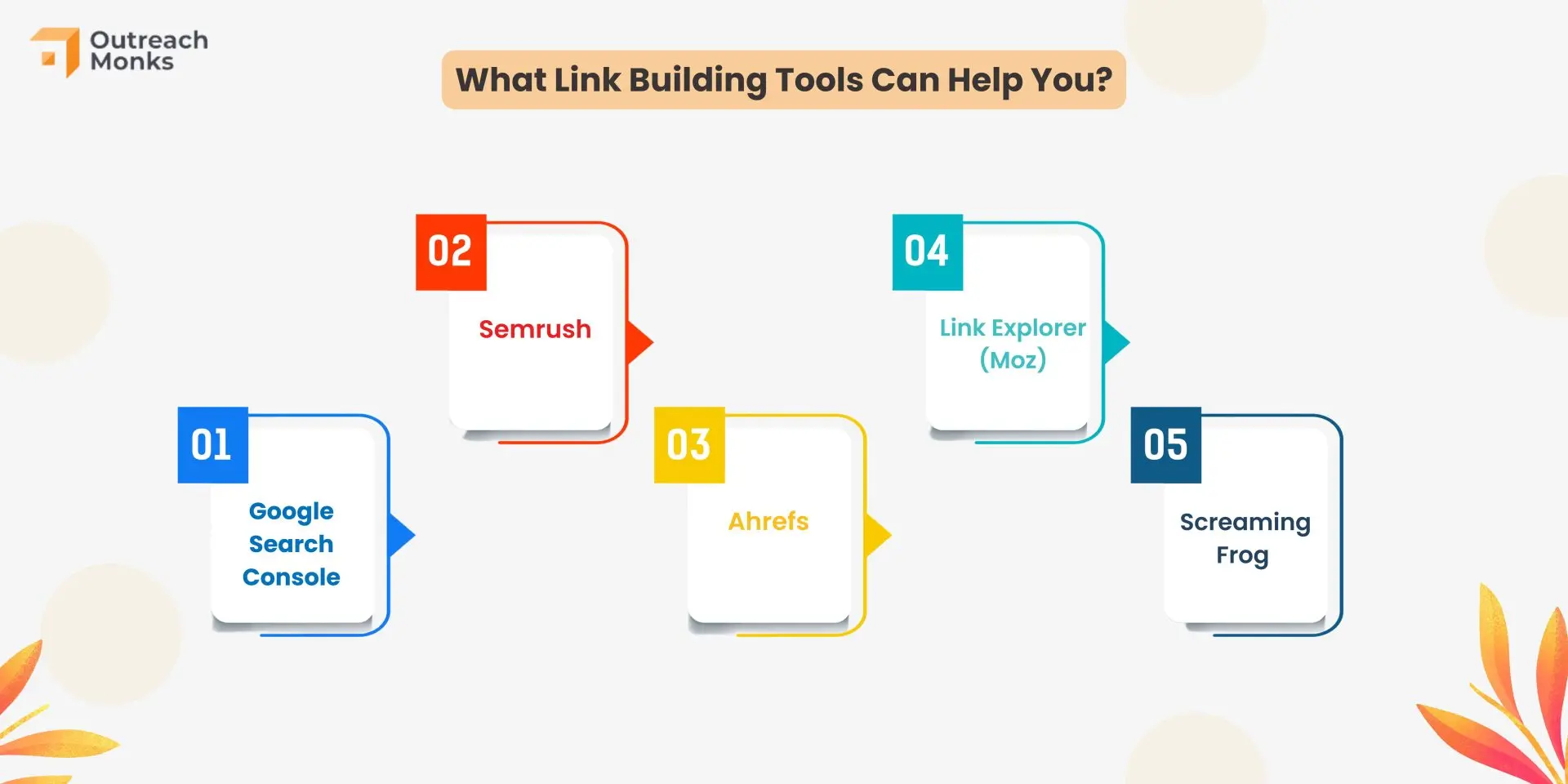
- Broken Link Building : Use tools to find broken links on websites relevant to your niche. Reach out to those site owners and suggest your resource as an alternative for their broken link.
By employing these link building tactics, businesses can gradually strengthen their link profiles, enhance their SEO performance, and create valuable connections within their industry. Strong link building isn’t just about quantity; it’s about quality and relevance, which can lead to lasting benefits over time.

Measuring SEO Success
Key Metrics to Track
Measuring SEO success is essential to understanding the effectiveness of your strategies and making informed decisions for future initiatives. Think of it like checking your fitness progress; without tracking key metrics, you might not realize how far you’ve come or where to improve. Here are the key metrics you should keep an eye on:
- Organic Traffic : The number of visitors arriving at your site through organic search results indicates the effectiveness of your SEO efforts. Tools like Google Analytics can help you track this over time.
- Bounce Rate : A high bounce rate might suggest that visitors aren’t finding what they expect on your site. Aim for a low bounce rate, which indicates that your content engages users and encourages them to explore further.
- Keyword Rankings : Monitor how your targeted keywords rank in search engine results. Regularly tracking your keyword performance helps you understand if your optimization efforts are paying off.
- Conversion Rate : Ultimately, SEO is about driving business results. Track how many visitors take the desired actions—like signing up for a newsletter or making a purchase—to assess the effectiveness of your traffic.
Tools for Monitoring SEO Performance
Several tools can assist you in tracking these metrics effectively. Here are some popular options:
- Google Analytics : This powerful platform provides in-depth insights into website traffic, user behavior, and conversion tracking. Setting up goals in Google Analytics can directly measure your SEO performance related to specific business objectives.
- Google Search Console : This tool helps monitor and maintain your site’s presence in Google search results. It offers insights on keyword performance, indexing issues, and other crucial SEO data.
- SEMrush or Ahrefs : Both of these comprehensive SEO tools provide keyword tracking, backlink analysis, and competitor insights, helping you evaluate your position in the market effectively.
- Moz : Known for its user-friendly interface, Moz is great for tracking domain authority, keyword rankings, and overall site health.
By thoroughly measuring SEO success through key metrics and leveraging the right tools, businesses can make data-driven adjustments to their strategies, ensuring their efforts lead to meaningful engagement and increased traffic. Ultimately, consistent monitoring sets the stage for continuous improvement and a stronger online presence.