

Introduction to SEO
What is SEO?
Search Engine Optimization (SEO) is the practice of enhancing different aspects of a website to improve its visibility on search engines like Google. It encompasses various techniques, including on-page optimization, keyword research, and backlink strategies, aimed at gaining higher rankings in search results. Imagine having a wonderful shop but hiding it in an alley; SEO helps move that shop to the busiest street.
Importance of SEO for Businesses
In today’s digital age, the importance of SEO for businesses cannot be overstated. It serves as a fundamental element in driving organic traffic and increases brand awareness. Here are a few reasons why SEO is crucial:
- Increases Visibility: Better rankings lead to more clicks.
- Builds Credibility: Rising to the top of search results lends authority to your brand.
- Long-Term Gains: Unlike paid ads, the benefits of SEO are long-lasting.
In essence, effective SEO strategies provide businesses with a competitive edge in the digital landscape.

Getting Started with SEO
Setting up a Website
Now that you understand the significance of SEO, the first step is setting up a website. Choosing the right platform is vital, whether it’s WordPress, Wix, or Shopify. I remember when I first set up my website; it felt like laying the foundation of a house.
Here are a few key elements to consider during setup:
- Domain Name: Select a relevant and memorable domain name.
- Hosting Service: Opt for a reliable hosting provider to ensure uptime.
- Responsive Design: Ensure your website is mobile-friendly; users expect quick loading times.
Basics of Keyword Research
Once your website is ready, the next step involves keyword research. This is about discovering the terms your audience uses to find services or products. Think of it as listening in on conversations to tailor your offerings.
To kickstart your keyword research:
- Brainstorm Topics: Identify themes related to your business.
- Use Tools: Employ tools like Google Keyword Planner to discover popular search terms.
- Analyze Competitors: See what keywords similar businesses rank for.
Solid keyword research lays the groundwork for your SEO strategy, guiding your content creation and optimization efforts.
On-Page Optimization Techniques
Creating High-Quality Content
Having conducted essential keyword research, it’s time to focus on creating high-quality content. This is the heart of your website and a determining factor for SEO success. I vividly recall how a single blog post improved my site’s traffic dramatically.
To create compelling content:
- Relevance: Ensure your content answers the questions your audience is asking.
- Clarity and Brevity: Write in simple, concise language; less is often more.
- Engaging Format: Use headings, bullet points, and images to make your content visually appealing.
Optimizing Meta Tags and Descriptions
After creating captivating content, don’t forget to optimize meta tags and descriptions. These elements are the first things users see in search results, so they must catch attention.
Follow these tips:
- Title Tags: Incorporate your primary keyword while keeping it enticing (around 60 characters).
- Meta Descriptions: Summarize the page’s content in 150-160 characters, enticing users to click.
Optimizing these aspects not only boosts your SEO but also enhances the user experience, drawing more visitors to your site.

Off-Page SEO Strategies
Building Backlinks
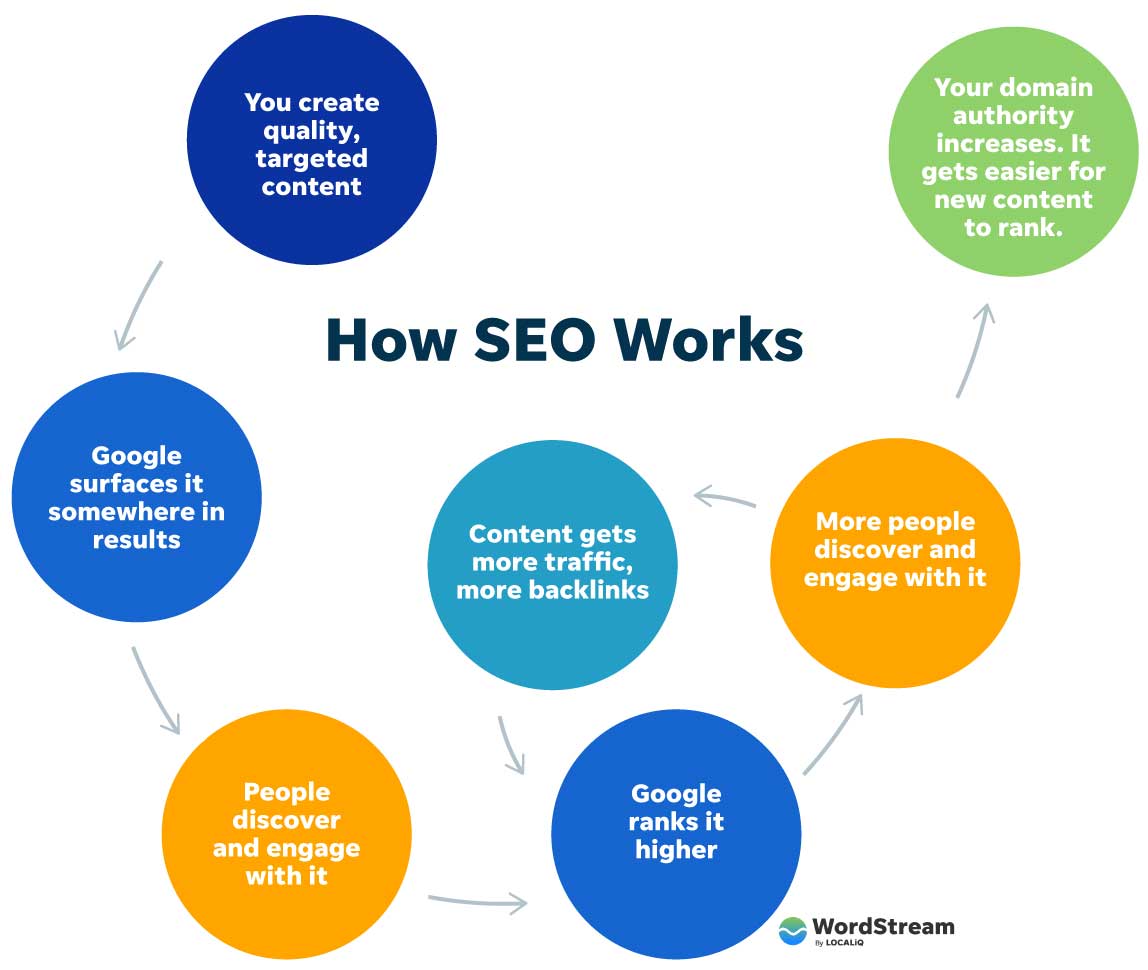
Having optimized your website’s content and structure, it’s now time to focus on off-page SEO strategies, starting with building backlinks. Backlinks act like votes of confidence for your site from other websites. I found that reaching out for backlinks not only improved my site’s authority but also drove referral traffic!
Here are effective ways to build backlinks:
- Guest Blogging: Write articles for other reputable sites in exchange for a link back.
- Resource Pages: Get featured on pages that list helpful resources related to your niche.
- Influencer Outreach: Collaborate with influencers who can link to your content within their platforms.
Utilizing Social Media for SEO
In addition to backlinks, utilizing social media can enhance your SEO efforts. Social media platforms are invaluable for promoting your content and reaching a broader audience.
Consider these strategies:
- Share Your Content: Regularly post engaging content on social media channels.
- Engage with Followers: Respond to comments and participate in conversations to foster relationships.
- Utilize Shareable Formats: Create visually appealing infographics or videos that encourage shares.
Integrating these off-page strategies will not only amplify your website’s visibility but also establish valuable connections within your industry.

SEO Tools for Newcomers
Keyword Research Tools
With a solid understanding of off-page strategies, it’s essential to equip yourself with the right tools to further enhance your SEO journey. One of the first tools newcomers should explore are keyword research tools. These help you identify the best keywords to target and can be game-changers for your strategy. I remember using a specific tool that unveiled keywords I had never considered, significantly boosting my content visibility!
Some effective keyword research tools include:
- Google Keyword Planner : Great for discovering relevant keywords tied to your business.
- Ubersuggest : Offers keyword suggestions and competitive analysis.
- SEMrush : A comprehensive tool for in-depth keyword research and tracking.
Website Audit Tools
Another vital category is website audit tools, which allow you to analyze your website’s performance and identify areas for improvement. They provide insights into SEO elements, usability, and overall health.
Key audit tools include:
- Screaming Frog SEO Spider : Scans your website to uncover SEO issues.
- Ahrefs Site Audit : Offers in-depth analysis of your site’s health and optimization suggestions.
Utilizing these tools will allow newcomers to streamline their SEO efforts and set the stage for success.
Local SEO for Beginners
Importance of Local SEO
As you dive deeper into the world of SEO, it’s important not to overlook local SEO, especially for businesses targeting specific geographical areas. Local SEO optimizes your online presence for local searches, making it easier for nearby customers to discover your business. I recall how focusing on local SEO helped my local bakery attract more foot traffic, simply by being visible to nearby customers searching for baked goods.
Why is local SEO crucial?
- Targeted Visibility: Connects your business with people in your area actively searching for services you provide.
- Increased Foot Traffic: Boosts the likelihood of in-store visits from potential customers.
- Enhanced Trust: Appearing in local search results establishes credibility within your community.
Optimizing Google My Business Profile
One of the most effective ways to enhance your local SEO presence is by optimizing your Google My Business (GMB) profile. This free tool allows businesses to manage how they appear in Google search results and maps.
Here are key steps to optimize your GMB profile:
- Complete Your Profile: Ensure all sections are filled out, including business hours, contact information, and a brief description.
- Add Photos: Aesthetic visuals draw attention and give potential customers a glimpse into your business.
- Gather Reviews: Encourage satisfied customers to leave positive reviews to improve your credibility.
By prioritizing local SEO and utilizing tools like Google My Business, you can significantly increase your visibility and attract local clientele.

Mobile SEO Tips and Tricks
Mobile-Friendly Website Design
As local SEO takes shape, it’s essential to consider mobile SEO, especially since a significant portion of users access the web via mobile devices. Having a mobile-friendly website design is no longer optional; it’s a necessity. I remember the first time I optimized my website for mobile, and the boost in user engagement was incredible.
Key elements of mobile-friendly design include:
- Responsive Design: Ensure your site adjusts seamlessly to different screen sizes.
- Load Speed: Optimize images and streamline code to improve loading times.
- Easy Navigation: Use clear menus and large buttons to enhance user experience on smaller screens.
Accelerated Mobile Pages (AMP) Optimization
Another way to enhance your mobile SEO is by implementing Accelerated Mobile Pages (AMP). This technology enables quicker loading of web pages on mobile devices, which can improve user experience and lower bounce rates.
Consider these tips for AMP optimization:
- Simplified HTML: Use a streamlined version of HTML to enhance loading speed.
- AMP Components: Utilize AMP-specific components instead of standard HTML elements.
- Validation Tools: Regularly use AMP validation tools to ensure all pages conform to AMP standards.
By focusing on mobile-friendly design and AMP optimization, businesses can significantly enhance their visibility and user experience on mobile search results.

Measuring SEO Success
Tracking Website Traffic
As you implement mobile SEO strategies, measuring your progress becomes crucial. One of the first steps in evaluating SEO success is tracking website traffic. I remember when I started analyzing my traffic; the insights were eye-opening.
Utilizing tools like Google Analytics allows you to observe:
- Total Visits: Understand how many visitors land on your site.
- Traffic Sources: Identify where your visitors are coming from, whether organic search, social media, or referrals.
- Bounce Rate: Analyze the percentage of visitors who leave after viewing just one page, helping you gauge content engagement.
Understanding Key SEO Metrics
In addition to tracking traffic, understanding key SEO metrics is essential for adapting your strategies. Some metrics to focus on include:
- Keyword Rankings: Monitor how well your targeted keywords perform over time.
- Conversion Rate: Assess how many visitors are completing desired actions, such as filling out contact forms or making purchases.
- Page Load Time: Ensure fast-loading pages to reduce bounce rates and enhance user experience.
By consistently tracking website traffic and understanding these essential metrics, you will be well-equipped to optimize your SEO efforts and achieve better results.

Advanced SEO Strategies for Growth
Structured Data Markup
Now that you have a grasp of measuring SEO success, let’s explore advanced strategies that can significantly boost your growth. One effective way to enhance your site’s visibility is through structured data markup. This coding helps search engines understand your content better, which can lead to rich snippets in search results. I remember implementing structured data, and it felt like adding a spotlight to my most valuable content.
Here are some advantages of structured data:
- Improved Visibility: Enhanced listings can increase click-through rates.
- Rich Snippets: Display additional information like star ratings and prices directly in search results.
- Voice Search Optimization: Helps your content appear in voice search results.
Advanced Link Building Techniques
Shifting gears, let’s discuss advanced link building techniques. While traditional link building can be effective, getting creative can yield even better results.
Some strategies to consider include:
- Content Partnerships: Collaborate with businesses for co-branded content that benefits both parties and generates backlinks.
- Broken Link Building: Identify broken links on authoritative sites and offer your content as a replacement.
- Influencer Collaborations: Partner with industry influencers to share your content with their audiences.
By implementing structured data markup and advanced link building techniques, you’ll set your website on the path to sustained growth and enhanced authority in your niche.

Tips for Voice Search Optimization
Understanding Voice Search Technology
As SEO continues to evolve, one of the most significant trends is the rise of voice search technology. This shift in how users search online requires a fresh approach to content optimization. I remember when I first tried using voice search; it was fascinating how naturally I spoke compared to typing.
Understanding the technology is crucial because:
- Natural Language Processing (NLP): Voice search algorithms utilize NLP to interpret user queries more conversationally.
- Contextual Answers: They focus on providing answers that are contextually relevant, identifying the intent behind the questions.
Optimizing Content for Voice Search
Next, let’s discuss optimizing content for voice search. To effectively reach voice search users, your content must align with how people talk.
Consider these tips:
- Use Conversational Phrases: Incorporate natural language and long-tail keywords that mimic how people speak.
- Answer Questions: Provide clear, concise answers to common queries related to your niche.
- Featured Snippets: Aim for positions that can appear as featured snippets since these are often the first responses to voice search queries.
By understanding voice search technology and optimizing your content accordingly, you can tap into this growing user preference and enhance your site’s visibility.

The Future of SEO
AI in SEO
As we look towards the future of SEO, one of the most transformative elements is the integration of Artificial Intelligence (AI). AI technologies are already reshaping how search engines analyze content and user intent. I remember using an AI-driven tool that suggested content improvements based on current trends, which significantly boosted my search rankings.
Here’s how AI is influencing SEO:
- Content Personalization: AI algorithms can analyze user behavior to serve more personalized content recommendations.
- Predictive Analysis: It can anticipate trends based on data patterns, helping businesses stay ahead of the curve.
- Automated Insights: AI can analyze vast amounts of data quickly, providing actionable insights for optimization.
Predictions for SEO Trends
With AI at the forefront, several key trends can be expected in the SEO landscape:
- Voice Search Growth: As voice search becomes more prevalent, optimizing for conversational queries will be essential.
- Mobile-First Indexing: Websites that prioritize mobile design will have a competitive edge.
- Video Content Dominance: Video SEO will become increasingly critical as users turn to visual content for information.
By embracing AI technologies and staying attuned to these trends, businesses can strategically position themselves for success in the inevitable evolution of SEO.

XII. Avoiding Common SEO Mistakes
Keyword Stuffing
As you advance in your SEO journey, it’s crucial to avoid common mistakes that could hinder your progress. One major pitfall is keyword stuffing. While using targeted keywords is important, cramming them into your content disrupts readability and can lead to penalties from search engines. I recall an early blog post where I overused keywords, thinking it would boost my rankings, but it only hurt my credibility.
To prevent keyword stuffing, consider:
- Natural Integration: Use keywords seamlessly within your content to maintain flow.
- Synonyms and Variations: Employ related terms to diversify language and keep content engaging.
- Focus on Quality: Prioritize valuable content that answers users’ questions.
Ignoring Mobile Optimization
Another critical mistake is ignoring mobile optimization. With the growing number of users accessing the web via smartphones, having a mobile-unfriendly site can severely damage your SEO efforts.
Keep these tips in mind:
- Responsive Design: Ensure your site adapts to various screen sizes.
- Fast Loading Times: Optimize images and simplify navigation for smoother mobile experiences.
- Test Regularly: Use tools like Google’s Mobile-Friendly Test to check site performance.
By avoiding these common SEO mistakes, you can enhance your website’s performance and ensure a better experience for your users.

XIII. Creating an SEO Strategy
Setting Goals
As you refine your SEO efforts, creating a structured SEO strategy is vital for long-term success. The first step in this process is setting clear, measurable goals. When I first began my SEO journey, I made the mistake of aiming for vague objectives. However, once I defined specific goals, I noticed a significant improvement in my focus and outcomes.
Consider these tips for setting effective SEO goals:
- Specificity: Define what you want to achieve (e.g., increasing organic traffic by 20%).
- Measurable Metrics: Use analytics to track progress towards your goals.
- Realism: Ensure your goals are attainable within a reasonable timeframe.
Developing a Content Strategy
Once your goals are set, it’s time to develop a content strategy that aligns with them. Content is at the heart of SEO, and having a well-thought-out plan can propel your efforts forward.
Here are elements to include in your content strategy:
- Audience Research: Understand your target audience’s needs and preferences.
- Content Calendar: Plan and schedule content to ensure consistency and relevancy.
- SEO Optimization: Incorporate targeted keywords and engaging media to enhance each piece.
By setting clear goals and developing a robust content strategy, you’ll pave the way for a successful SEO journey that boosts visibility and user engagement.

XIV. SEO Case Studies
Successful SEO Campaigns
Examining SEO case studies can provide invaluable insights into what works and what doesn’t in the digital landscape. For instance, a small e-commerce company I know implemented a targeted SEO campaign focusing on long-tail keywords. Within six months, their organic traffic skyrocketed by 150%, significantly increasing sales.
Key takeaways from successful campaigns include:
- Targeted Content: Focusing on niche markets can yield big results.
- Data-Driven Decisions: Analyzing user behavior can help refine strategies.
- Continuous Optimization: Regularly updating content keeps it relevant.
Lessons Learned from SEO Failures
On the flip side, learning from failures is equally important. A well-known SaaS company once launched an aggressive backlink strategy without ensuring relevance, leading to a Google penalty that severely affected their rankings.
Some critical lessons from such failures:
- Quality Over Quantity: Focus on relevant, high-quality backlinks rather than just the numbers.
- Transparency: Maintain ethical SEO practices to avoid penalties.
- Adaptability: Being flexible and responsive to algorithm changes is crucial.
By studying both successful campaigns and failures, you can craft a more effective SEO strategy for your own endeavors.

XV. Conclusion and Next Steps
Summary of Key Takeaways
As we wrap up this exploration of SEO, it’s essential to highlight the key takeaways that can guide your ongoing journey. From understanding the importance of keyword research to optimizing for local search and voice technology, each aspect plays a vital role in improving your visibility online. Personally, implementing structured data and focusing on mobile design led to tangible improvements in my site’s performance.
Here’s a quick recap:
- Foundation Matters: Start with a solid website setup.
- Content is King: Quality, relevant content drives traffic.
- Adapt and Evolve: Stay updated with trends like AI and voice search.
Next Steps for Mastering SEO
To truly master SEO, consider taking the following next steps:
- Continuous Learning: Regularly read industry blogs and attend webinars.
- Practical Application: Experiment with different strategies and analyze results.
- Networking: Join SEO communities for insights and support.
By focusing on these areas, you can enhance your SEO expertise and effectively grow your online presence.