
Introduction
Understanding Content Marketing
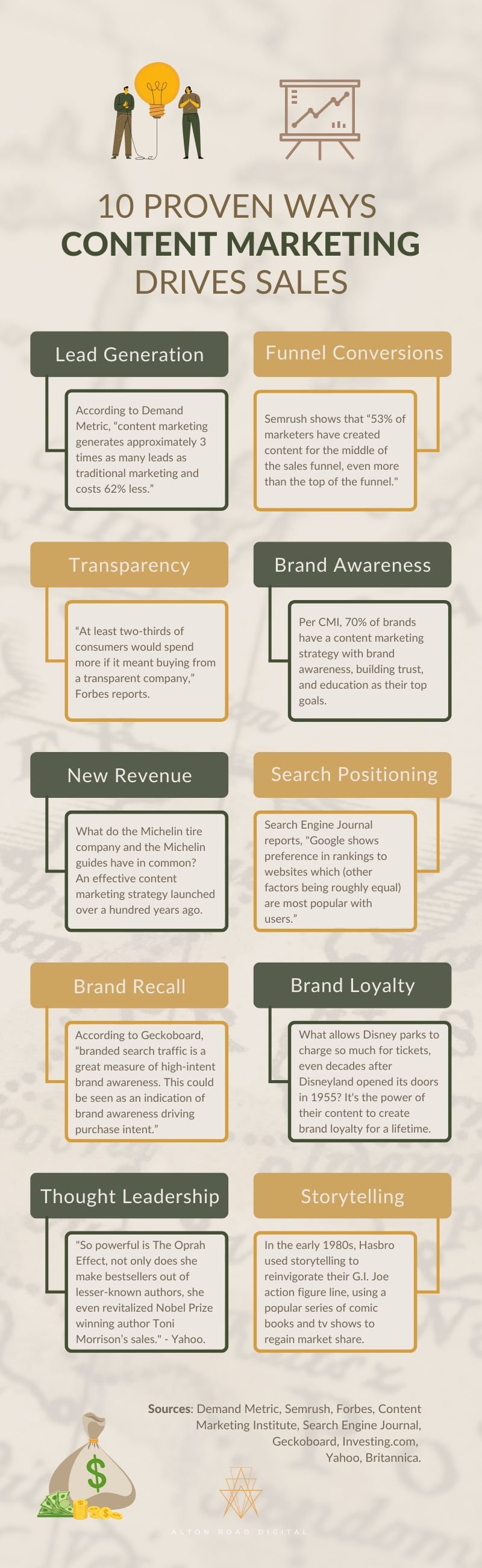
In today’s digital landscape, content marketing stands out as a powerful strategy for businesses seeking to engage their audience and drive conversions. At its core, content marketing involves creating valuable, relevant content to attract and retain a clearly defined audience. This isn’t just about selling; it’s about building relationships and providing insights that resonate with consumers.
For instance, a local bakery that shares recipes for their signature pastries not only showcases their products but also connects with food enthusiasts. This approach not just highlights their expertise, but it also positions them as a trusted source in the community. It’s these personal touches that make content marketing effective – the concept of sharing knowledge rather than just promoting a service.
Content marketing encompasses a variety of formats, including blog posts, videos, infographics, and podcasts. The effectiveness of this strategy lies in its ability to create a narrative that engages users, answering their questions and solving their problems. In fact, most consumers and businesses alike prefer to consume content that is informative and relatable rather than solely promotional.
Importance of Tailored Strategies
With the vast array of content available, having a one-size-fits-all strategy simply doesn’t cut it anymore. Tailored strategies are crucial for ensuring that the content resonates with the specific needs and preferences of an audience. Developing a customized approach allows businesses to delve deeper into the psyche of their target market, enabling them to deliver what truly matters to their consumers.
When creating customized strategies, it is beneficial to consider:
- Audience Segmentation : Understanding different segments of the audience allows businesses to craft specific messages. For example, a fitness brand might target different content toward beginners versus seasoned athletes.
- Personalization : Using data analytics to personalize content can dramatically improve user engagement. Personalized emails have been shown to increase transaction rates significantly.
- Flexibility : The digital world changes rapidly. A strategy tailored to current trends and audience feedback can improve flexibility and responsiveness, ultimately leading to better results.
A real-life example of the success of tailored strategies can be seen in Starbucks’ use of data-driven insights to personalize customer experiences. By analyzing purchasing habits through their loyalty app, Starbucks delivers tailored offers directly to customers, enhancing engagement and driving sales.
In summary, understanding content marketing and the significance of tailored strategies lays the foundation for effective engagement with audiences. As businesses embrace this dynamic approach, they are better equipped to meet consumer needs and foster lasting relationships. Through strategic content creation, companies can not only attract attention but also retain loyal customers who feel valued and understood.

Analyzing Your Target Audience
Consumer Behavior Insights
Once a business understands the fundamentals of content marketing and the need for tailored strategies, the next step is to analyze the target audience. This vital process involves delving into consumer behavior insights, which help businesses unravel the motivations and preferences of their potential customers.
Consumer behavior encompasses the decisions and actions taken by individuals when they choose to purchase products or services. Understanding these factors can significantly influence content marketing strategies. For instance, consider how a travel agency produces content. By analyzing consumer behavior, the agency might discover that potential travelers often seek advice on budgeting, local cuisine, or adventure activities. Recognizing this behavior, they can create focused blogs or videos that give travel tips, thus positioning themselves as a helpful resource.
Key insights include:
- Buying Patterns : Observing how often and when customers make purchases can inform promotional campaigns. For example, if research indicates that a high percentage of customers buy gym equipment during January for New Year’s resolutions, targeting these months with tailored content will likely yield better results.
- Feedback Mechanisms : Actively soliciting feedback through surveys or social media can provide direct insight into customer preferences. Brands like Netflix often tweak their recommendation algorithms based on viewer feedback, ensuring higher satisfaction rates.
By understanding consumer behavior, businesses can effectively respond to their audience’s needs, enhancing engagement and driving conversions.
Demographic Research
Along with behavioral insights, demographic research is another critical aspect of analyzing target audiences. Demographics refer to statistical data relating to the population and particular groups within it, including age, gender, income level, education, and geographical location.
For example, consider a brand that specializes in high-end cosmetics. If demographic research indicates that their primary users are women aged 25 to 35 with higher disposable income, the brand can concentrate its content efforts on platforms like Instagram and Pinterest, where this demographic is most active.
Key demographic factors include:
- Age Groups : Younger consumers might resonate more with trendy, visual content, while older consumers may prefer in-depth articles that provide detailed product information.
- Income Level : Understanding the spending power of a target audience can help shape product offerings and pricing strategies.
- Geographical Location : Regional content might include local events or community involvement, appealing to consumers’ sense of identity.
In practice, companies like Spotify take advantage of demographic research to tailor their playlists and advertisements. By analyzing who is listening to what, they create targeted ad campaigns that significantly resonate with their users.
In essence, analyzing consumer behavior and conducting thorough demographic research enables businesses to deeply understand their audience. By harnessing these insights, companies can craft highly effective content strategies that resonate with their target market, leading to increased engagement and conversion rates.
Creating Engaging Content
Storytelling Techniques
With a solid understanding of the target audience established, the next step in effective content marketing is creating engaging content. A powerful way to achieve this is through storytelling techniques. Storytelling has been a fundamental way for humans to communicate and connect, making it an invaluable tool in content marketing.
When a brand tells a compelling story, it transcends mere information sharing and fosters an emotional connection. For instance, consider how Nike employs storytelling in its campaigns. Instead of simply advertising sports gear, they share tales of athletes overcoming challenges, which resonates deeply with their audience. By invoking feelings of inspiration and motivation, consumers are more likely to engage and remember the brand.
Key storytelling elements include:
- Relatability : The best stories reflect the audience’s experiences or aspirations. When content feels personal, it creates stronger connections. A company like Airbnb often showcases personal stories from hosts and guests, allowing viewers to identify with real experiences rather than mere transactions.
- Conflict and Resolution : A good story usually involves overcoming hurdles. By illustrating the challenges faced by a character or brand, followed by their triumphs, businesses can convey a powerful message that motivates and inspires.
- Clear Messaging : Every story should have a central message or call to action. Whether it’s promoting a new product or encouraging social change, clarity keeps the audience focused on the desired outcome.
By harnessing the art of storytelling, businesses can enhance engagement levels and foster a sense of community around their brand.
Visual Content Development
In tandem with storytelling, visual content development plays a critical role in making marketing efforts more engaging. Humans are inherently visual creatures, often processing images faster than text. Thus, incorporating visuals into content strategies significantly boosts audience engagement.
For example, think about how a blog post about healthy eating can be enhanced with appealing graphics. Infographics showcasing nutritional facts or even a short video tutorial on preparing a healthy meal can captivate an audience more effectively than text alone.
When developing visual content, consider the following approaches:
- Infographics : These combine data and visuals to present complex information in easily digestible formats. They are particularly effective in educational content, helping readers understand the information quickly.
- Videos : Short, engaging videos allow brands to tell stories dynamically. Many companies share product demos or customer testimonials, creating a multi-dimensional experience that can drive higher engagement rates.
- Consistency in Design : Maintaining consistent branding, colors, and fonts across visual content fosters recognition and trust. Brands like Coca-Cola excel in keeping a cohesive visual identity that reinforces their messaging.
Combining storytelling with impactful visuals creates a winning formula for content marketing. Brands can convey their messages more effectively, engaging audiences on a deeper level, and inspiring action. By focusing on these techniques, companies can enhance user experience and drive higher engagement and conversions in their marketing efforts.
Choosing the Right Channels
Social Media Platforms
As brands begin to create engaging content, the next crucial step is deciding on the right channels to disseminate that content effectively. The choice of social media platforms plays a pivotal role in reaching and engaging your target audience. Depending on the demographics and preferences of the audience, different platforms can offer unique advantages.
For instance, Instagram is a visually driven platform that thrives on beautiful imagery and short videos. A fashion retailer might find that showcasing their latest collections through glamorous photos or influencer partnerships yields great results. On the other hand, LinkedIn is a powerhouse for B2B strategies, allowing brands to share professional insights and connect with industry leaders.
When selecting social media channels, consider:
- Audience Demographics : Understanding where your target audience spends their time online is crucial. Younger audiences might favor TikTok or Instagram, while older demographics might be more engaged on Facebook.
- Content Type : Think about the formats that best fit your content. Platforms like Pinterest excel with infographics and how-tos, while YouTube is ideal for in-depth video storytelling.
- Engagement Opportunities : Each platform offers different ways to interact with audiences. Twitter allows for real-time conversations, while Facebook Groups can foster community discussions.
For example, a small bakery could share daily specials on Facebook, while showcasing visually appealing pastries on Instagram. By adapting their content strategy to fit each platform, they can maximize their reach and engagement.
Email Marketing Campaigns
In addition to social media, email marketing campaigns remain one of the most effective channels for reaching consumers directly. This method not only allows for personalized communication but also enables brands to cultivate relationships over time. Imagine receiving a tailored email from your favorite online retailer that announces a limited-time discount just for you – it’s a powerful feeling.
When developing email marketing strategies, consider these essential practices:
- Segmentation : Tailoring emails to different segments of your audience enhances relevance. For instance, sending product recommendations based on previous purchases creates a more personalized experience. A company like Amazon uses segmentation effectively to suggest products, based on browsing history.
- Compelling Subject Lines : First impressions matter. A captivating subject line can significantly increase your open rates. For example, instead of simply announcing a sale, consider using something like “Treat Yourself: Exclusive Discounts Await!”
- Clear Call to Action (CTA) : Every email should guide the recipient towards a specific action, whether that’s making a purchase, reading a blog post, or participating in a survey. Ensure that your CTA is visually appealing and easy to find.
By skillfully combining social media engagement with thoughtful email marketing campaigns, businesses can create a cohesive and effective content distribution strategy. These channels not only help reach broader audiences but also deepen connections with existing customers. Ultimately, the right channel choices can lead to increased visibility and greater success in achieving marketing goals.
Measuring Success and Iterating
Key Performance Indicators
After implementing your content marketing strategy through carefully chosen channels, the next critical component is measuring success and iterating based on the results. One of the most effective ways to assess performance is by utilizing Key Performance Indicators (KPIs). KPIs are quantifiable metrics that help you understand how well your marketing efforts are resonating with your target audience.
Different types of KPIs can provide insights into various aspects of your campaign. Here are a few essential KPIs to consider:
- Website Traffic : Tracking the number of visitors to your website can help gauge the effectiveness of your content. An increase in traffic usually indicates that your content is engaging and relevant.
- Conversion Rate : This metric measures how many visitors take a desired action, such as signing up for a newsletter or making a purchase. A higher conversion rate suggests that your content is effectively driving users towards your goals.
- Engagement Rates : Likes, shares, comments, and time spent on your content are all indicators of how well it resonates with your audience. For example, if a particular blog post attracts increased comments, this may signal a need for more similar content.
Consider a personal anecdote from a small online retailer that tracked their social media engagement. They observed that posts showcasing customer testimonials received significantly more likes and shares compared to promotional images. By concentrating on user experiences, they began crafting content around customer stories, leading to a noticeable improvement in engagement.
A/B Testing Strategies
In addition to monitoring KPIs, employing A/B testing strategies can further refine your content marketing approach. A/B testing involves comparing two versions of a piece of content—say an email subject line or a call-to-action button—to determine which performs better among your audience.
Here’s how to implement successful A/B testing:
- Choose Specific Goals : Define what you want to achieve with the test. Are you testing to increase open rates, click-through rates, or conversions? Narrowing your focus will yield clearer insights.
- Test One Variable at a Time : To get accurate results, change only one element between the two versions. For instance, if you’re testing an email campaign, modify only the subject line while keeping the content identical.
- Analyze Results : Collect data and analyze performance based on your defined KPI. If Version A significantly outperforms Version B, you’ll gain actionable insights into what resonates with your audience.
For example, an e-commerce site might conduct an A/B test to determine if “Get 20% Off Today!” performs better than “Limited Time Offer: 20% Off!” Analyzing the results will reveal which message drives higher engagement and conversions.
In summary, measuring success through well-defined KPIs and employing A/B testing strategies are essential for optimizing content marketing efforts. By continuously monitoring performance and iterating based on data-driven insights, brands can refine their approach, enhancing engagement and boosting conversions over time. Embracing this iterative process not only leads to immediate improvements but also fosters long-term success in the ever-evolving digital landscape.