
Introduction
Overview of Emma Email Marketing
In the ever-evolving landscape of digital marketing, Emma Email Marketing stands out as a powerful tool designed to enhance communication efforts for businesses of all sizes. This platform specializes in delivering personalized, targeted email campaigns that not only engage recipients but also nurture loyal relationships.
With its user-friendly interface, Emma is designed for marketers who may not necessarily have advanced tech skills, allowing them to focus on crafting the perfect message rather than getting bogged down by complex processes.
Some of its key features include:
- Customizable Templates : Users can create visually appealing emails that embody their brand identity.
- Segmentation Tools : Marketers can divide their audience based on behavior, demographics, and preferences, ensuring the right message reaches the right people.
- Analytics : Insightful reporting helps teams understand engagement metrics and tailor future campaigns.
Importance of Maximizing Conversions
Maximizing conversions is not just about increasing sales—it’s about fostering a relationship with your audience that encourages repeated interactions. Emma Email Marketing showcases how effective email strategies can transform casual observers into dedicated customers.
Consider a scenario where a small boutique leverages Emma to send targeted emails to their audience. By studying customer behavior and preferences through segmentation, they send personalized offers, resulting in a noticeable uptick in both click-through rates and conversions.
To effectively maximize conversions, businesses should focus on:
- Understanding Customer Needs : Tailored offers resonate better and drive action.
- Innovative Email Strategies : Introducing elements like countdown timers or limited-time offers can create urgency and prompt quicker decisions.
- Regular Testing and Optimization : Continuous improvement is key. Testing various elements—subject lines, layouts, and calls to action—ultimately refines what resonates with subscribers.
In summary, Emma Email Marketing provides the vital tools needed for businesses to maximize their outreach efforts, fostering connections that translate to meaningful conversions. Through a strategic blend of engagement and personalization, marketers can seize every opportunity to convert leads into loyal customers.
Understanding Your Audience
Creating Buyer Personas
To truly maximize the impact of your email marketing efforts, a deep understanding of your audience is crucial. One effective method to achieve this is by creating buyer personas. These semi-fictional representations of your ideal customers are grounded in real data and market research, revealing insights into their demographics, behaviors, challenges, and goals.
Creating a buyer persona can be an eye-opening experience. For instance, a friend of mine who runs an online fitness coaching business began with a vague understanding of his audience. After buckling down to create detailed buyer personas, he discovered that his target clients were primarily busy professionals aged 30-45, looking for quick and efficient workout solutions that fit into their hectic schedules.
Here are steps to consider when crafting buyer personas:
- Conduct Surveys and Interviews : Gather insights directly from your current customers or potential leads.
- Analyze Customer Data : Look into purchase histories, website interactions, and any engagement patterns.
- Identify Pain Points and Goals : Understand what challenges your audience faces and what aspirations they have.
With clear buyer personas in hand, marketers have an invaluable tool that guides content creation and campaign strategies.
Segmenting Your Email List
Once you’ve established your buyer personas, the next step is to segment your email list effectively. Segmentation allows marketers to send more relevant emails corresponding to the different needs and preferences of distinct audience groups, ultimately enhancing engagement and conversion rates.
For example, a clothing retailer might segment its list by factors such as:
- Purchase History : Send tailored recommendations based on previous buys.
- Geographic Location : Local offers can drive in-store visits and attendance at region-specific events.
- Engagement Level : Re-engagement campaigns can be crafted for inactive users.
Benefits of email list segmentation include:
- Higher Open Rates : Relevant messages catch attention more effectively.
- Increased Click-Through Rates : When recipients find the content valuable, they’re more likely to take action.
- Improved Customer Relationships : Personalized communication fosters loyalty and trust.
In summary, understanding your audience through creating detailed buyer personas followed by strategic email segmentation is paramount to achieving success in email marketing. By aligning your efforts with the preferences and behaviors of your target audience, your campaigns can yield greater engagement and close the gap to conversion.
Designing Engaging Email Campaigns
Crafting Compelling Subject Lines
With your audience identified and segmented, the next critical step in maximizing your email marketing effectiveness is designing engaging email campaigns. The journey begins with crafting compelling subject lines, an essential element that can make or break your email’s success. After all, the subject line is often the first—and sometimes the only—thing your readers see before deciding whether to open your email.
A friend of mine, who runs a travel blog, once experimented with various subject lines for her newsletter. When she switched from “February News” to “Top 5 Travel Destinations to Explore This Spring,” her open rates skyrocketed. This experience highlighted several vital elements to consider:
- Be Concise : Aim for clarity and brevity. Subject lines with fewer than 50 characters often perform better.
- Create Urgency : Incorporating phrases like “limited time only” or “last chance” can spur readers into action.
- Use Personalization : Adding a subscriber’s name or location can create a unique connection.
Consider this table summarizing successful subject line strategies:
| Strategy | Example |
|---|---|
| Urgency | “Only 24 Hours Left to Save! ⏳” |
| Curiosity | “You Won’t Believe What Just Launched!” |
| Personalization | “Sarah, Explore Your March Offers!” |
Optimizing Email Content
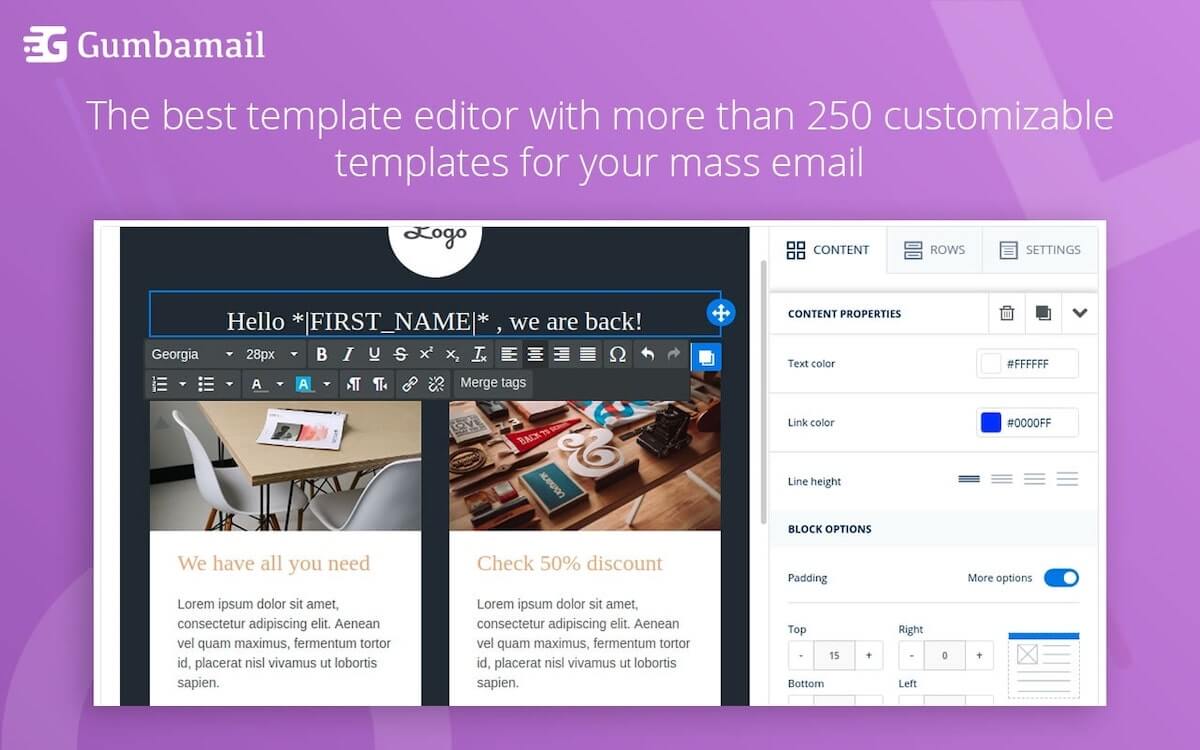
Once your readers open the email, the content inside needs to be just as engaging. Optimizing email content is about delivering value that resonates with your readers, keeping them interested and encouraging them to take action.
Here are some tips for creating effective email content:
- Focus on Value : Start with an engaging hook. What problem does your email solve? How does it benefit the reader?
- Keep It Skimmable : Use headings, bullet points, and short paragraphs so readers can quickly digest the information.
- Incorporate Visuals : Eye-catching images or videos can enhance understanding and retention.
For example, consider an email from a health supplement company. Instead of a long block of text explaining the benefits of a new product, they could use succinct bullet points followed by before-and-after images to convey results effectively.
In summary, designing engaging email campaigns hinges on compelling subject lines and optimized content that captures attention and maintains interest. By focusing on these elements, marketers can significantly increase their chances of driving engagement and conversions through email marketing.
Implementing Call-to-Actions
Placement Strategies
Having designed engaging email campaigns with compelling content and subject lines, the next crucial element to focus on is the call-to-action (CTA). A well-placed CTA button can dramatically affect conversion rates because it directs your audience towards the next step you want them to take—whether that’s making a purchase, signing up for a webinar, or downloading a free resource.
When it comes to placement strategies, context is key. For instance, the leading stack of a marketing email might be an enticing first paragraph that hooks the reader, but without a clear CTA early on, they might lose interest before scrolling further down. Here are some effective strategies for placement:
- Above the Fold : Position a prominent CTA near the top of the email to catch the reader’s attention.
- After Compelling Content : After providing value, such as tips or a solution, follow up with a CTA that encourages the reader to take action.
- In Multiple Locations : Don’t be afraid to repeat your CTA in various sections of the email, as some readers may want to act after different pieces of information.
Consider a scenario where a local coffee shop promotes its new seasonal blend. They could include a vibrant “Order Now” button both right after announcing the new blend and again at the end of the email to maximize effectiveness.
A/B Testing for Effectiveness
Once you’ve implemented your CTAs, the next stage is optimizing them for effectiveness through A/B testing. This involves creating two versions of an email to test different features—such as the wording, color, or placement of your CTA—to assess which performs better.
Here’s how to run a successful A/B test:
- Identify one variable to test : Focus on one element at a time, such as the CTA text (e.g., “Shop Now” vs. “Get Yours Today”).
- Send to a small sample : Send both versions to a small subset of your audience to gather preliminary data.
- Analyze results : Measure which version had a higher click-through rate and determine what made that version more effective.
By running tests consistently, marketers can fine-tune their approach based on real data, leading to improved conversion rates over time.
In conclusion, effectively implementing CTAs with strategic placements and using A/B testing can significantly enhance the impact of email campaigns. By carefully considering these elements, businesses can more reliably convert their audiences into engaged customers.
.jpg)
Leveraging Automation Features
Setting Up Automated Workflows
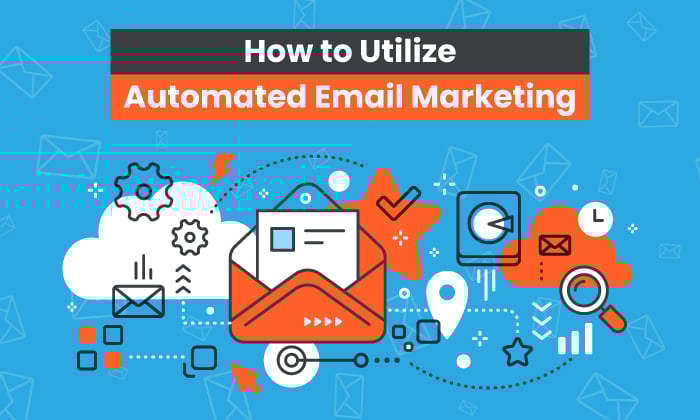
As marketing strategies mature, leveraging automation features becomes increasingly vital for efficiency and effectiveness. Setting up automated workflows is one of the best ways to streamline your email marketing efforts. Automated workflows allow marketers to send timely, relevant messages based on specific triggers, such as user behavior or special dates.
For instance, a local gym can set up an automated welcome series for new members. As soon as someone signs up, they automatically receive a sequence of emails introducing them to classes, sharing workouts, and encouraging them to book their first session. This not only saves time but also enhances member engagement right from the start.
Here’s how to set up automated workflows:
- Identify Key Triggers : Determine what actions (or lack thereof) should initiate automated emails—such as signing up, making a purchase, or revisiting the site after a long absence.
- Map the Workflow : Outline the sequence of emails for each trigger. For example:
- Email 1: Welcome message with a special offer
- Email 2: Tips for using facilities
- Email 3: Invitation to attend a group class
- Test and Optimize : Launch the workflow, monitor engagement metrics, and adjust content and timing based on performance.
Personalizing Automated Emails
Once your workflows are in place, the next step is to focus on personalization. Automated emails can often feel generic, but adding a personal touch can significantly enhance their effectiveness. Personalization isn’t just about using someone’s name; it’s about making the content relevant to the recipient’s interests and behaviors.
For example, consider an online book retailer that analyzes past purchases. When setting up an automated workflow, they might send a personalized recommendation email featuring books from a genre the customer has previously browsed. Here are some strategies for creating personalized automated emails:
- Use Dynamic Content : Incorporate elements that change based on the recipient’s data, such as product recommendations or location-based offers.
- Tailor Timing : Send emails when recipients are most likely to engage (e.g., weekends for leisure products).
- Segment Lists for Relevance : By dividing your audience into specific segments, you can tailor your messaging and products to meet their unique interests.
In summary, leveraging automation features through setting up automated workflows and personalizing automated emails can hugely enhance the effectiveness of your marketing strategy. By implementing these practices, businesses can ensure they remain relevant and connected with their audience while saving valuable time.
Analyzing Metrics for Optimization
Key Performance Indicators to Track
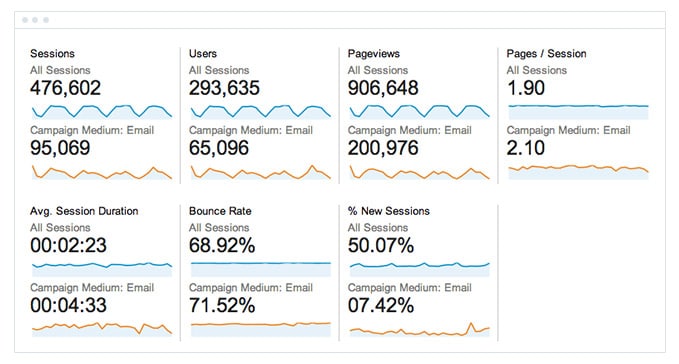
After successfully implementing your email marketing strategies, the next step is to dive into analyzing metrics for optimization. Understanding how your campaigns perform is crucial for continual improvement. It’s not just about sending out emails; it’s about ensuring those emails achieve the desired results.
When trying to gauge the effectiveness of your campaigns, focus on several key performance indicators (KPIs):
- Open Rate : This metric indicates how many recipients opened your email. A low open rate may signal that your subject lines are not enticing enough.
- Click-Through Rate (CTR) : This measures the percentage of people who clicked on links within your email. A higher CTR indicates relevant content and effective CTAs.
- Conversion Rate : Ultimately, this tells you how many recipients took the desired action after clicking through, be it making a purchase, signing up for a webinar, or downloading a resource.
For example, I once worked with a small local bakery that sent out weekly emails with recipes and promotions. By analyzing their open and click-through rates, they realized that adding vibrant images of their pastries dramatically improved engagement.
Interpreting Data for Improvements
Once you have your KPIs tracked, the next challenge is interpreting the data for improvements. It’s not enough to just look at the numbers; you need to make sense of them to inform future strategies.
Here are some tips to effectively interpret the data:
- Look for Patterns : Over time, analyze which subject lines or offers generate the best response. For instance, if themed emails around holidays show higher open rates, consider planning more for future holidays.
- Segment Results : Break down the data by audience segments. See how different groups respond to the same campaign—this can provide insight into varying preferences.
- Iterate on Insights : If you spot a trend in your data, implement changes in a systematic manner. For instance, if click-through rates for CTA buttons were lower than expected, consider testing different colors, phrasing, or placements.
By setting wrap-up meetings to discuss insights and craft an adjustment plan, teams can stay proactive in refining their approach.
In conclusion, regularly analyzing key performance indicators and interpreting the data strategically is vital for optimizing email marketing efforts. By honing in on these metrics and their implications, businesses can enhance engagement, improve conversions, and ultimately, drive greater success in their campaigns.