
Introduction
Understanding SEO Tools
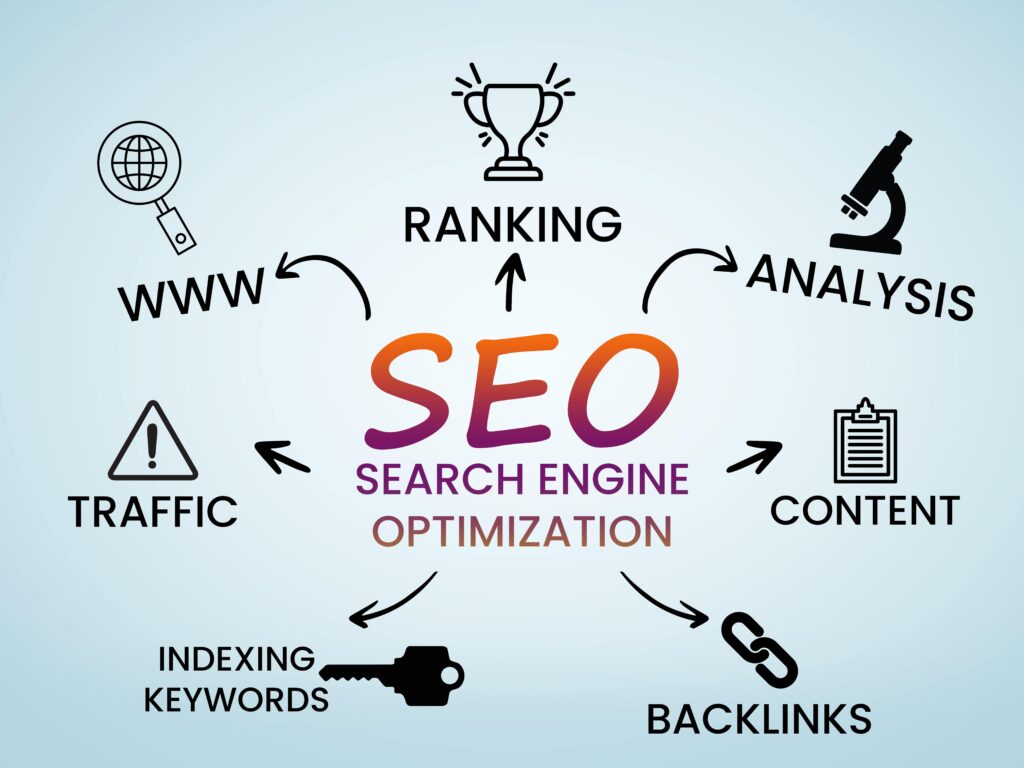
In today’s digital landscape, having a strong online presence is not just an option; it’s essential for success. This is where SEO tools come into play. SEO, or Search Engine Optimization, refers to the strategic techniques used to enhance a website’s visibility in search engine results. SEO tools are crucial in facilitating this process, enabling businesses and individuals to optimize their digital content effectively.
With a myriad of tools available, understanding what they do can seem overwhelming. These tools can assist with keyword research, analyze webpage performance, track rankings, and much more. Each category of SEO tools addresses specific needs, helping users navigate the complex world of digital marketing.
Importance of SEO for Online Presence
Why is SEO so critical? Consider this: when you search for something online, how often do you look beyond the first page of results? Most people don’t.
Here are a few reasons highlighting the importance of SEO for online presence:
- Increased Visibility: Better ranking translates to more traffic.
- Credibility and Trust: High-ranking websites are often perceived as more credible.
- Cost-Effective Marketing: SEO offers a long-term return on investment compared to paid advertising.
- Enhanced User Experience: SEO practices improve the overall quality of a website.
By investing in effective SEO tools and practices, businesses can ensure they remain visible and relevant in a continually evolving online marketplace.

Keyword Research Tools
Overview of Keyword Research
Building on the importance of SEO, the first step in optimizing online content is usually keyword research. This vital process involves identifying the specific words and phrases that potential visitors use when searching for information, products, or services related to your website. Think of keywords as the bridge connecting searchers to your content.
For instance, when I started my blog, I initially focused on broad terms like “travel.” After conducting keyword research, I discovered more specific phrases like “budget travel tips for Europe,” leading to more targeted traffic and engagement.
Popular Keyword Research Tools
Several tools can aid in uncovering effective keywords. Here are some popular options:
- Google Keyword Planner: A free tool that provides insights into search volume and helps to find relevant keywords.
- Ahrefs: A comprehensive tool providing not just keyword data, but also competitor analysis and backlinks.
- SEMrush: Known for its extensive keyword database and features tailored for both SEO and PPC campaigns.
- Ubersuggest: Offers keyword suggestions along with data related to keyword difficulty, search volume, and trends.
How to Use Keyword Research Tools Effectively
To maximize the impact of keyword research tools, consider these tips:
- Focus on Long-Tail Keywords: These often have less competition and can lead to higher conversion rates.
- Analyze Competitor Keywords: Understand which keywords your competitors are ranking for and identify gaps.
- Prioritize Relevance and Search Intent: Choose keywords that align with your content goals and user search intent.
- Regularly Update Your Keyword List: Trends change, so keep your keyword strategy fresh.
By implementing these strategies, effective keyword research can lay a strong foundation for your SEO success.

On-Page SEO Tools
Importance of On-Page SEO
Continuing from our keyword research discussion, the next crucial step in your SEO strategy is on-page SEO. This refers to the practice of optimizing your website’s individual pages to rank higher and earn more relevant traffic from search engines. It’s about both the content you create and the HTML elements you use.
Understanding the importance of on-page SEO can significantly influence your site’s performance. It ensures that search engines can effectively read and interpret your website’s content. Here’s why it matters:
- Higher Rankings: Properly optimized pages have a better chance to rank higher on search engine results pages (SERPs).
- Enhanced User Experience: Good on-page SEO enhances user engagement, making it easier for visitors to navigate and consume your content.
- Better Conversion Rates: Well-structured and informative pages are more likely to convert visitors into customers.
Top On-Page SEO Tools
To assist with on-page optimization, several tools can simplify the process:
- Yoast SEO: A popular plugin for WordPress that helps optimize blog posts and pages, providing real-time feedback.
- Moz Pro: Offers various tools for keyword suggestions, on-page optimization insights, and page analysis.
- Screaming Frog SEO Spider: An efficient tool that crawls your website to identify on-page issues like broken links and missing meta tags.
Utilizing On-Page SEO Tools for Optimization
Using these tools effectively requires a strategic approach:
- Conduct a Content Audit: Regularly assess your current content for areas of improvement.
- Optimize Titles and Meta Descriptions: Ensure they are compelling and keyword-rich to attract clicks.
- Utilize Internal Linking: Use relevant internal links to guide users and improve website navigation.
By incorporating these practices and leveraging on-page SEO tools, you can significantly enhance your website’s optimization efforts, ultimately driving higher traffic and conversions.
Off-Page SEO Tools
Significance of Off-Page SEO
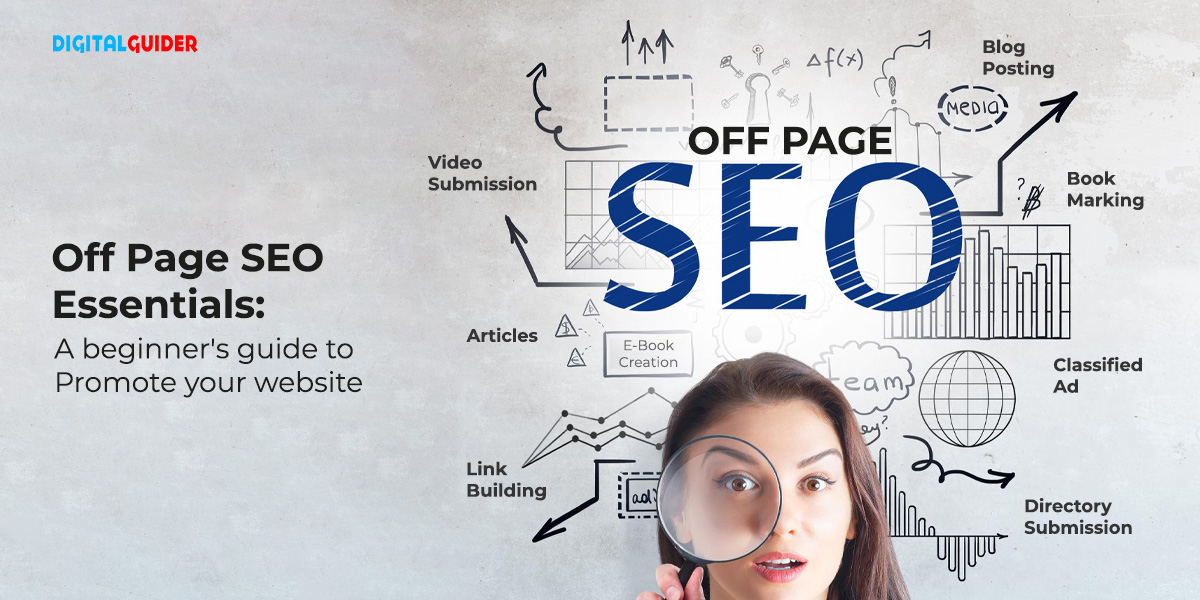
After diving into on-page SEO, it’s essential to explore off-page SEO, which plays an equally critical role in enhancing your website’s authority and search engine rankings. Off-page SEO refers to the actions taken outside your own website to impact your rankings within search engine results pages (SERPs).
Why is off-page SEO significant? Consider the following:
- Building Credibility: Backlinks from reputable sites signal to search engines that your content is valuable.
- Increasing Visibility: Engaging in off-page strategies like social media marketing can lead to higher exposure for your content.
- Enhancing Brand Recognition: The more people see and talk about your brand, the more it gains trust and visibility in the online community.
Leading Off-Page SEO Tools
There are several tools available to assist with off-page SEO efforts. Some of the leading options include:
- Ahrefs: Excellent for analyzing backlink profiles and conducting competitor analysis.
- Majestic SEO: Focuses on link intelligence and helps track backlinks effectively.
- BuzzSumo: A fantastic tool to identify content that performs well and to track social shares.
Implementation of Off-Page SEO Tools for Link Building
To effectively implement off-page SEO tools for link building, you can follow these tips:
- Conduct Competitor Backlink Analysis: Use tools like Ahrefs to discover where competitors are getting their links and explore similar opportunities.
- Engage in Outreach: Utilize email templates to reach out to websites for guest blogging or backlinking opportunities.
- Create Shareable Content: Focus on creating high-quality, valuable content that others will want to link to; think infographics, videos, and detailed guides.
Implementing these strategies with the right tools can elevate your off-page SEO efforts, driving more traffic to your site and improving your overall online presence.
Technical SEO Tools
Understanding Technical SEO
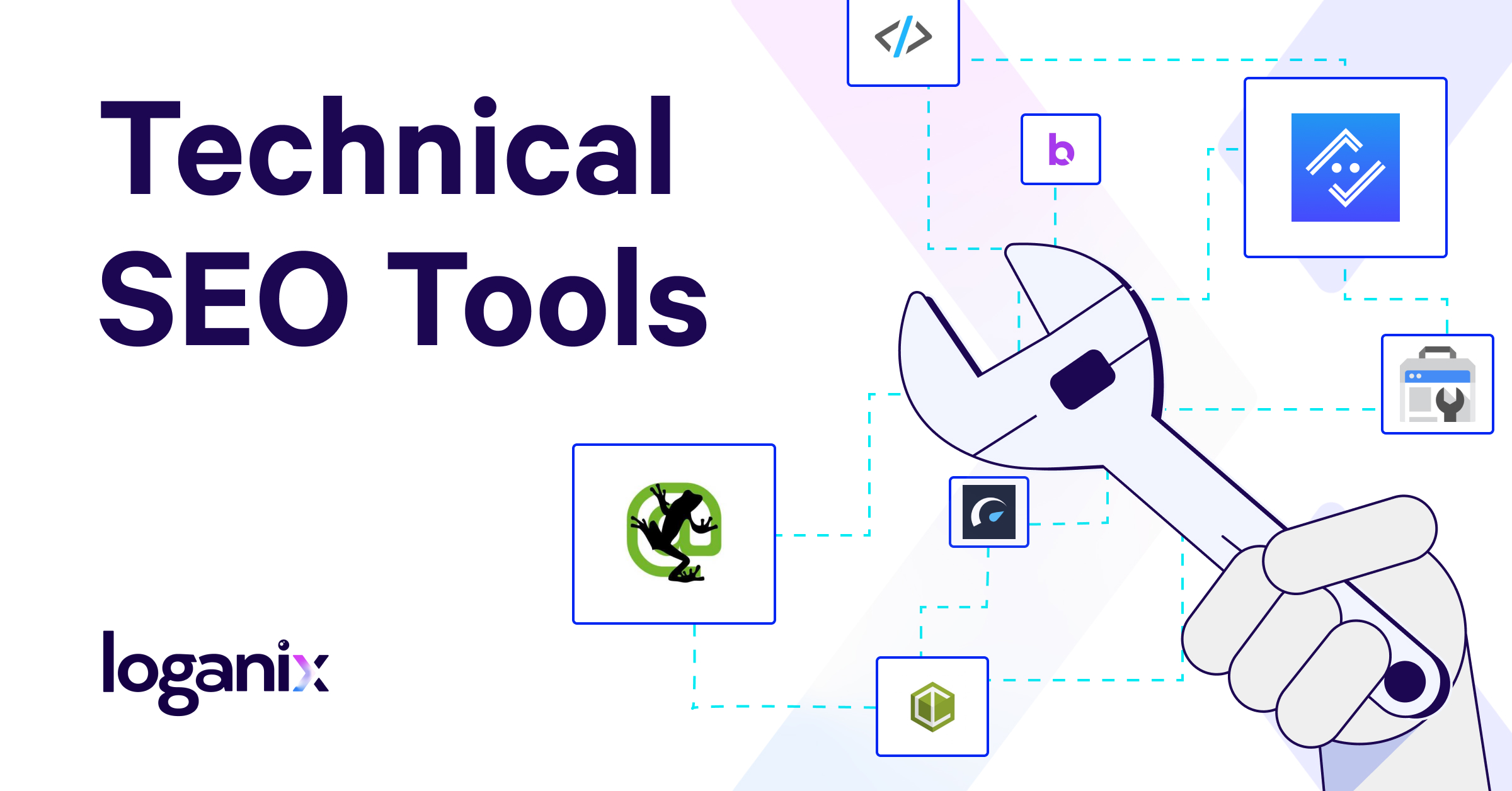
As we venture further in our comprehensive exploration of SEO, it’s time to focus on technical SEO. Unlike on-page and off-page SEO, technical SEO deals with the underlying infrastructure of your website. This area ensures that your website meets the technical requirements of search engines, helping them crawl and index your site more effectively.
Understanding technical SEO is crucial because even the best content can’t perform well if your website structure is flawed. Common technical SEO elements include website speed, mobile-friendliness, and secure connections (HTTPS). For instance, when I revamped my website, focusing on speed and mobile optimization resulted in a significant uptick in traffic and engagement.
Essential Technical SEO Tools
When tackling technical SEO, several tools can help streamline the process:
- Google Search Console: Offers invaluable insights into your site’s visibility, indexing, and search performance.
- GTmetrix: Analyzes your page speed and provides suggestions for improvement.
- Screaming Frog SEO Spider: A desktop program that crawls your website to identify technical issues, such as broken links and duplicate content.
Application of Technical SEO Tools for Website Performance
To effectively apply these technical SEO tools, consider these strategies:
- Regularly Monitor Site Health: Use Google Search Console to check for issues like crawl errors or security problems.
- Optimize Loading Speed: With GTmetrix, identify elements slowing down your site and implement their recommendations, such as image compression or caching.
- Ensure Mobile Optimization: Conduct regular tests using tools like Google’s Mobile-Friendly Test to ensure users have a seamless experience on all devices.
By combining these tools and approaches, your website’s technical health can vastly improve, setting a stable foundation for further SEO success.
Rank Tracking Tools
Importance of Rank Tracking
Shifting our focus to rank tracking, it’s vital in assessing the success of your SEO efforts. Rank tracking refers to the process of monitoring your website’s position in search engine results for specific keywords. Understanding your rankings can directly influence your SEO strategy and marketing decisions.
Why is rank tracking important? Here are a few key reasons:
- Performance Evaluation: Knowing how your keywords are performing helps you assess the effectiveness of your content and overall SEO strategy.
- Identifying Trends: Monitoring changes in rankings can alert you to shifts in search behavior or algorithm updates, enabling you to adapt quickly.
- Competitive Analysis: Keeping track of your rankings allows you to gauge how you stack up against competitors, which can inform your future strategies.
Popular Rank Tracking Tools
To assist with rank tracking, there are several top tools available:
- SEMrush: Offers comprehensive rank tracking alongside a plethora of other SEO insights.
- Moz Pro: Known for its user-friendly interface, it provides detailed ranking metrics and historic data.
- AccuRanker: A fast and accurate tracking tool, ideal for agencies or large-scale operations with extensive keyword portfolios.
Monitoring and Analyzing Rankings using Rank Tracking Tools
To effectively monitor and analyze rankings, consider these steps:
- Set Up Tracking for Essential Keywords: Focus on keywords that align with your business goals and track their performance regularly.
- Analyze Changes Over Time: Use graphs and analytics provided by these tools to spot upward or downward trends in your rankings.
- Adjust Your Strategy Accordingly: If you notice a drop in rankings for specific keywords, delve deeper to identify the cause, whether it’s increased competition or changes in search algorithms.
By regularly monitoring your rankings with effective tools, you can fine-tune your SEO strategy for sustained visibility and performance.
Analytics Tools for SEO
Role of Analytics in SEO
As we delve into the realm of analytics tools for SEO, it’s essential to recognize the pivotal role that analytics play in shaping your SEO strategy. At its core, analytics allows you to collect and interpret data about how users interact with your website. Understanding this data is crucial for optimizing your site effectively.
Through analytics, you can discover insights such as:
- User Engagement: Knowing which pages attract the most visitors helps tailor your content to audience interests.
- Traffic Sources: Identifying where your traffic comes from—whether organic search, social media, or referrals—guides your marketing efforts.
- Conversion Tracking: Analytics metrics allow you to see how well your site converts visitors into leads or customers, helping you refine your strategies.
Top Analytics Tools for SEO
Several analytics tools stand out, offering invaluable insights to inform your SEO decisions:
- Google Analytics: A free powerhouse that tracks website traffic, user behavior, and conversion metrics.
- Adobe Analytics: Offers advanced data analytics capabilities, perfect for larger organizations needing deeper insights.
- Clicky: Provides real-time analytics with a user-friendly interface, making it ideal for small businesses.
Leveraging Analytics Tools for Performance Measurement
To maximize the benefits of analytics tools for performance measurement, consider these steps:
- Set Clear KPIs: Define what success looks like for your website. Are you focusing on traffic, engagement, or conversions?
- Regularly Review Data: Schedule time weekly or monthly to analyze your data, noting trends or anomalies.
- A/B Testing: Utilize your analytics data to conduct A/B tests on landing pages, optimizing for higher performance based on user behavior.
By effectively leveraging analytics tools, you can make informed decisions that enhance your SEO efforts and drive continuous improvement for your online presence.

SEO Audit Tools
Conducting SEO Audits
Transitioning to SEO audit tools, it’s important to first understand the significance of conducting regular SEO audits. An SEO audit is a comprehensive analysis of your website’s performance in search engine rankings. This process helps identify issues that may hinder your site’s visibility and provides actionable insights for improvement.
Think of an SEO audit as a health check-up for your website. Just like visiting a doctor, you evaluate various aspects like “site speed,” “mobile-friendliness,” and “content quality.” For instance, after performing an SEO audit on my blog, I discovered slow-loading pages that directly impacted user retention—fixing these issues led to a noticeable increase in traffic!
Prominent SEO Audit Tools
There are several prominent tools specifically designed for performing SEO audits effectively:
- SEMrush: Offers a robust site audit feature that identifies issues like broken links, duplicate content, and SEO performance.
- Ahrefs Site Audit: Provides an in-depth analysis along with actionable insights to boost your SEO performance.
- Screaming Frog SEO Spider: A downloadable tool that crawls your website to uncover technical issues affecting your SEO.
Enhancing Website Health with SEO Audit Tools
Now that you know how to conduct audits using these tools, consider these strategies for enhancing your website’s health:
- Set a Regular Audit Schedule: Monthly or quarterly audits keep your SEO strategy aligned with changing algorithm trends and business goals.
- Prioritize Issues: Not all issues are created equal; focus on high-impact problems first (like site speed and mobile usability).
- Implement Changes Promptly: After identifying issues, act on the recommendations to improve your site’s performance continuously.
By leveraging SEO audit tools, you can maintain your website’s health and ensure sustained performance in search engine rankings.
Conclusion
Importance of Utilizing SEO Tools
As we wrap up this comprehensive exploration of SEO tools, it’s crucial to emphasize their importance in today’s digital landscape. SEO tools are not merely options; they are necessary instruments for anyone looking to enhance their online presence. Whether you’re a seasoned marketer or a small business owner, utilizing these tools can help you navigate the complexities of SEO efficiently.
From keyword research to technical audits, each type of tool plays a vital role in ensuring your website performs optimally. For instance, after investing in various SEO tools, I witnessed firsthand how targeted insights led to improved traffic and better user engagement on my site.
Final Recommendations for Improving Online Presence
To help you harness the power of SEO tools effectively, here are some final recommendations:
- Start with a Solid Plan: Identify your business goals and tailor your SEO strategy accordingly.
- Integrate SEO Tools: Use a combination of tools—from keyword research to rank tracking—to get a holistic view of your website’s performance.
- Stay Updated: SEO trends and algorithms are constantly changing; keep your tools updated and engage with the latest SEO practices.
- Regular Monitoring: Make it a habit to analyze your performance regularly and adjust your strategies based on data insights.
By implementing these recommendations and leveraging the right SEO tools, you can significantly enhance your online presence, driving meaningful results for your business.