

Introduction
Overview of SEO Competition
In today’s digital landscape, search engine optimization (SEO) has become an essential component for businesses looking to thrive online. The reality is that every industry has its own set of competitors vying for the top spot on search engines like Google. Understanding SEO competition means recognizing that you are not just competing with a few businesses; instead, you are part of a vast ecosystem of companies actively working to improve their online visibility.
For instance, if you run a local bakery, it’s not just about appealing to your neighborhood; you’re also competing with other bakeries, cafes, and even grocery stores offering similar products. Analyzing competitors, their SEO strategies, and how they rank can help you position your business more effectively.
Why Beating the Competition is Crucial
Beating the competition in SEO is essential for several reasons:
- Increased Visibility : Higher rankings lead to more organic traffic, which is crucial in today’s crowded marketplace.
- Brand Credibility : Appearing at the top of search results instills trust among potential customers.
- Higher Conversion Rates : The more visible you are, the higher the chances of converting visitors into customers.
Imagine you have two coffee shops on the same street. The one that consistently appears at the top of search results tends to attract more foot traffic. This is because consumers often gravitate towards established brands they can trust.
Ultimately, understanding the landscape of SEO competition and emphasizing the importance of beating competitors sets the stage for a successful online presence. The goal is to ensure that your business not only keeps pace but stands out in the eyes of potential customers searching for products or services you offer.

Understanding SEO Competitors
Identifying Your Competitors
Now that we’ve explored why beating the competition is essential, it’s time to shift focus on understanding your SEO competitors. The first step in this journey is identifying who your true competitors are. This process goes beyond merely looking at businesses that offer similar products or services.
To effectively identify your competitors, consider the following approaches:
- Keyword Analysis : Start by examining the keywords relevant to your business. Perform searches on those keywords and take note of the businesses that consistently appear in the top results.
- Local Listings : If you operate a local business, check Google My Business listings to see which other companies show up alongside you.
- Social Media : Review social media platforms to see which brands are engaging with similar audiences through ads or organic content.
For example, if you run an online fitness store, chances are that other e-commerce sites specializing in fitness equipment, apparel, or supplements will also be vying for the same search terms.
Analyzing Competitors’ Strategies
Once you’ve identified your competitors, the next step is to analyze their strategies. Understanding what they do well—and where they fall short—can provide valuable insights for your own SEO efforts. Here are some key areas to focus on:
- Content Quality : Evaluate the type of content your competitors produce. Are they blogging regularly? What topics do they cover? High-quality, valuable content often drives traffic.
- Backlink Profiles : Use SEO tools to analyze competitors’ backlinks. A robust backlink strategy can significantly enhance search rankings. Identify potential link-building opportunities for your business by looking at where competitors are getting links from.
- User Experience : Check their websites for user-friendliness. Fast loading times, intuitive navigation, and mobile optimization are vital for retaining visitors.
By taking the time to thoroughly understand your competitors’ strengths and weaknesses, you can craft a well-informed SEO strategy that stands out. This meticulous analysis not only highlights gaps in your competitors’ strategies but also inspires innovative approaches that set your business apart.

Developing Your SEO Strategy
Keyword Research and Selection
With an understanding of your competitors in hand, the next step is to develop your SEO strategy. The foundation of this strategy lies in effective keyword research and selection. Identifying the right keywords can make or break your SEO efforts.
To conduct thorough keyword research, consider these strategies:
- Brainstorm Relevant Topics : Start by listing out topics that are relevant to your business. For example, if you specialize in eco-friendly products, think about terms like “sustainable living” or “green products.”
- Use SEO Tools : Platforms like Google Keyword Planner, Ubersuggest, and SEMrush can provide insights into search volumes, competition levels, and related keywords.
- Long-Tail Keywords : Don’t overlook long-tail keywords. Phrases such as “best eco-friendly cleaning products for home” might have less competition and a higher likelihood of conversion.
Once you’ve identified your target keywords, it’s time to move onto optimization.
On-Page Optimization Tactics
On-page optimization is where you can make immediate improvements to enhance your SEO performance. It ensures that both search engines and users find your content relevant.
Here are some essential on-page tactics:
- Optimal Keyword Placement : Incorporate your chosen keywords naturally within titles, headings, and throughout the body of your content.
- Meta Tags : Write compelling title tags and meta descriptions that accurately reflect your content while including target keywords to encourage click-throughs from search results.
- Internal Linking : Utilize internal links to guide users to relevant content on your site, helping to keep them engaged longer.
Off-Page SEO Techniques
While on-page tactics are critical, off-page SEO techniques also play a significant role in your overall strategy. Off-page SEO focuses on increasing your site’s authority and trustworthiness through external factors.
Consider these off-page strategies:
- Building Backlinks : Aim to get backlinks from reputable sites in your industry. Guest blogging, partnerships, and collaborations can help in acquiring valuable links.
- Social Media Engagement : Actively promote your content across social media platforms to drive traffic back to your site and establish a community around your brand.
- Online Reputation Management : Encourage happy customers to leave positive reviews on platforms like Google My Business, as this can bolster your brand’s credibility.
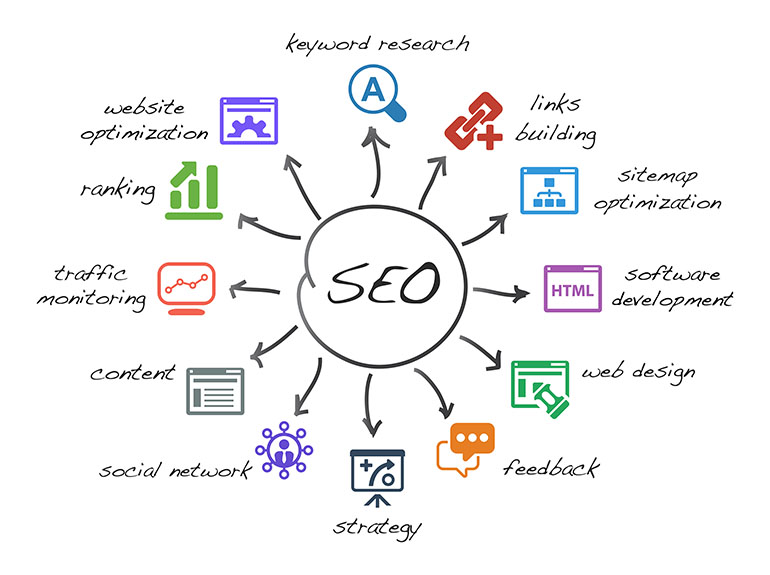
By effectively combining keyword research, on-page optimization, and off-page techniques, businesses can create a robust SEO strategy that elevates their online presence and drives organic traffic effectively.
Content Creation and Optimization
Creating High-Quality Content
Having established a solid SEO framework, it’s time to dive into content creation and optimization—a critical element for driving traffic and engaging your audience. High-quality content not only attracts visitors but also encourages them to stay longer on your site, increasing the chances of conversions.
When creating content, consider these tips:
- Understand Your Audience : Start by identifying who your target audience is. What are their needs and interests? For instance, if you own a travel agency, your content could range from destination guides to travel tips.
- Tell Compelling Stories : People connect with stories. Sharing personal anecdotes or customer experiences can make your content relatable and memorable. For example, narrating a travel story about a customer’s transformative journey can resonate well with readers.
- Diverse Content Formats : Mix it up! Use blog posts, infographics, videos, and podcasts to cater to varied content consumption preferences. For instance, a video tutorial can explain complex processes better than text alone.
Optimizing Content for SEO
Once you’ve created high-quality content, it’s crucial to optimize it for SEO. This step ensures that search engines recognize your work and deliver it to users searching for relevant information.
Here are some optimization strategies to keep in mind:
- Strategic Keyword Usage : Incorporate your target keywords seamlessly throughout the content. Aim for natural placement, particularly in the introduction, headings, and conclusion to maximize visibility.
- Formatting for Readability : Use headings, bullet points, and short paragraphs to enhance readability. Online readers often skim content; well-structured text keeps them engaged.
- Image Optimization : Don’t forget to optimize images by using descriptive file names and alt text. This not only helps with SEO but also improves accessibility.
- Internal and External Links : Include links to other relevant pages on your site, as well as credible external sources. This boosts your content’s authority and enhances user experience.
By mastering the art of creating high-quality content and optimizing it for SEO, businesses can effectively increase their search visibility while delivering value to their audience.

Technical SEO Enhancements
Improving Site Speed and Performance
As we continue refining your SEO strategy, it’s time to focus on the technical aspects of your website. One vital area that cannot be overlooked is site speed and performance. Today’s digital users expect quick-loading pages; slow sites can lead to high bounce rates and lost opportunities.
Here are a few tips to enhance site speed:
- Optimize Images : Large image files can slow down your website significantly. Tools like TinyPNG or ImageOptim can help compress your images without sacrificing quality.
- Minimize HTTP Requests : Keep your webpage design clean and simple. Fewer elements mean fewer HTTP requests, which can dramatically speed up loading times.
- Leverage Browser Caching : Browser caching allows your website to store some data temporarily, enabling repeat visitors to load pages faster. Tools like W3 Total Cache for WordPress can help set this up effectively.
For example, after implementing these optimizations, one of my clients saw a 50% decrease in load time, leading to a notable 30% increase in user engagement!
Mobile-Friendliness and Responsiveness
Another critical component of technical SEO is ensuring that your website is mobile-friendly and responsive. With more users accessing the internet via mobile devices, search engines prioritize sites that offer mobile-optimized experiences.
To ensure your site meets mobile-friendly standards, consider the following:
- Responsive Design : Use a responsive design framework that adjusts your website layout according to the device’s screen size. This ensures a seamless user experience regardless of whether visitors are using smartphones, tablets, or desktops.
- Touch-Friendly Navigation : Simplify your navigation to make it easy for users to click on links or buttons without zooming in. Larger buttons and well-spaced links reduce frustration for mobile users.
- Test with Google’s Mobile-Friendly Test : Utilize Google’s free tool to check how well your site performs on mobile devices. This tool offers insights and suggestions for improvements.
By focusing on technical SEO enhancements—such as site speed and mobile-friendliness—businesses can create an optimal user experience that not only pleases visitors but also aligns with search engine ranking criteria. Such improvements lay the groundwork for lasting success in the competitive online arena.

Monitoring and Measuring Success
Tracking SEO Performance Metrics
As we move further along in refining your SEO efforts, it’s crucial to establish a system for monitoring and measuring success. Understanding the outcomes of your strategies can help you make informed decisions moving forward. Tracking SEO performance metrics provides insights into how well your strategies are working and where improvements are needed.
Some key performance indicators (KPIs) to monitor include:
- Organic Traffic : This shows how many visitors are coming to your site from search engines. Google Analytics offers a comprehensive overview of organic traffic trends over time.
- Keyword Rankings : Knowing where your targeted keywords rank regularly helps you evaluate the effectiveness of your content. Tools like SEMrush or Ahrefs can help you track keyword performance.
- Bounce Rate : A high bounce rate can indicate that visitors are not finding what they expected. Aim for a bounce rate of under 50% to ensure user engagement.
I once worked with a client who was puzzled by a high bounce rate; after analyzing their landing pages, we discovered that the content wasn’t aligned with users’ search intent. A few adjustments led to a significant drop in the bounce rate and an increase in engagement!
Analyzing Competitor Performance
While tracking your performance is vital, understanding your competitors can provide invaluable insights as well. Analyzing competitor performance can unveil areas where you can improve and help you stay ahead in your industry.
Here are some strategies for effective competitor analysis:
- Content Review : Look at what kind of content your competitors are producing. Which topics garner the most engagement? Doing a content gap analysis can reveal topics you might be missing.
- Backlink Analysis : Use tools like Moz or Ahrefs to investigate where your competitors are getting their backlinks. This can help you identify potential opportunities for your own link-building efforts.
- Social Media Engagement : Observe how competitors interact with their audience. Identifying the platforms and types of content that lead to high engagement can inform your own social media strategy.
By diligently tracking your SEO performance metrics and analyzing competitor performance, you can continually fine-tune your approach. These insights not only inform your content and marketing strategies, but they also help ensure you remain competitive in a rapidly evolving digital landscape.

Adapting and Evolving Your Strategy
Staying Updated with SEO Trends
With all the monitoring and measuring you’ve done to evaluate your SEO performance, it’s essential to adapt and evolve your strategy continually. The world of SEO is dynamic, with search engine algorithms frequently updated and new trends emerging. Staying informed about these changes can be the difference between leading the pack and falling behind.
Here are some ways to keep your finger on the pulse of SEO trends:
- Follow Industry Leaders : Keep an eye on influential SEO blogs and websites like Moz, Search Engine Land, and Neil Patel’s blog. Regularly checking these sources can help you stay updated on best practices and emerging trends.
- Join SEO Forums and Groups : Engage with communities on platforms like Reddit and LinkedIn. Discussions and insights from practitioners can provide practical advice and highlight trends that you may not have come across.
- Webinars and Conferences : Attend webinars or industry conferences whenever possible. They often feature experts sharing the latest in SEO tactics and technologies, giving you a leg up on adopting new best practices.
For instance, I once attended a webinar on the importance of voice search optimization. Implementing strategies discussed there helped one of my clients improve their rankings and cater to a growing segment of their audience.
Continuous Optimization for Success
Adapting to new trends is just one part of the equation; continuous optimization is where the real magic happens. SEO is not a one-and-done effort; rather, it requires consistent fine-tuning and refinement.
To ensure ongoing success, consider these continuous optimization practices:
- Content Refreshing : Regularly revisit and update older content to keep it relevant. Updating statistics, adding new information, or optimizing for new keywords can breathe new life into established posts.
- A/B Testing : Experiment with different headlines, call-to-action buttons, or even layouts to see what resonates best with your audience. Analyzing results will help you optimize for conversions over time.
- Review Analytics Regularly : Conduct monthly or quarterly reviews of your SEO metrics. Identify what’s working well and where performance is lacking, allowing you to pivot your strategy as needed.
By staying updated with trends and implementing continuous optimization practices, businesses can build a resilient SEO strategy that adapts to changes and meets evolving user needs. This proactive approach not only drives ongoing traffic but also positions you favorably in the competitive digital landscape.