

Introduction
Understanding the Importance of Compelling Content
In today’s digital landscape, the phrase “content is king” has never been more accurate. Compelling content serves as the backbone of any successful marketing strategy. It captures attention, engages audiences, and drives them to take action. For instance, consider a blog post that effectively addresses a common pain point; readers are not just informed, they feel understood and valued. This emotional connection is precisely what compelling content achieves.
Here are a few key points that illustrate the significance of creating engaging content:
- Audience Engagement: Quality content fosters interaction, encouraging readers to leave comments and share their thoughts.
- Establishing Authority: Delivering well-researched information helps build trust, positioning the creator as an expert in their niche.
The Relationship Between Content and Conversions
Transitioning from engagement to conversion is where compelling content proves its worth. Merely attracting visitors to a website isn’t enough; the goal is to convert them into loyal customers.
Research shows that:
- Informative content can increase conversion rates by up to 20%.
- Case studies and testimonials effectively illustrate how a product can positively impact users, further driving conversions.
By aligning content with the buyer’s journey, businesses can create a seamless flow from engagement to conversion, demonstrating that effective content does far more than inform—it persuades.
Research and Planning
Identifying Your Target Audience
Once the groundwork of compelling content is laid, it’s time to dive into research and planning, starting with identifying your target audience. Understanding whom you’re speaking to is crucial; it’s akin to setting up a friendly chat—if you don’t know your audience, your message may fall flat.
For example, if you’re writing a health blog aimed at millennials, your tone, topics, and even the platforms you use will differ significantly from those targeting older adults. To pinpoint your audience:
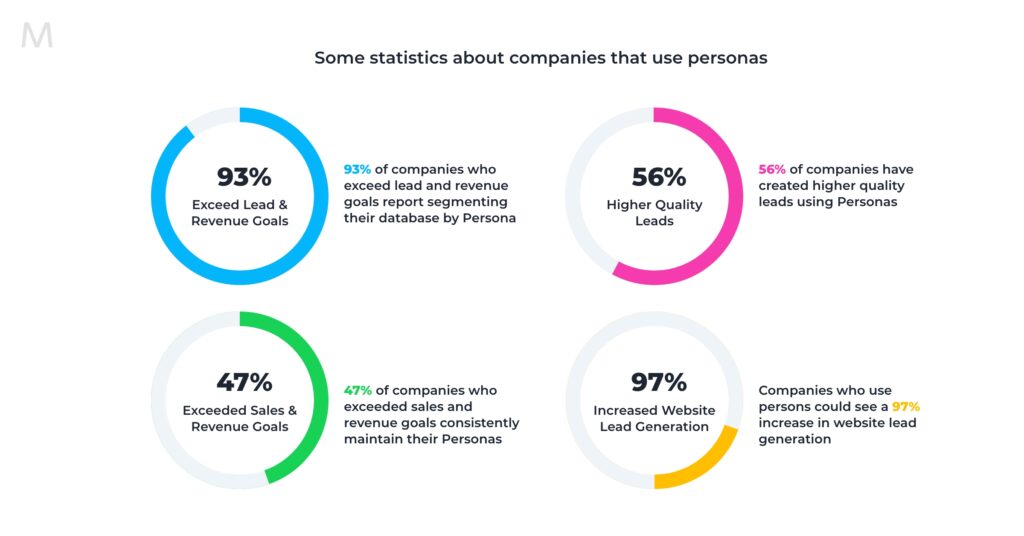
- Create buyer personas: Develop detailed profiles of ideal customers, including demographics, interests, and pain points.
- Engage on social media: Interact with your audience to gather insights about their preferences and behavior.
Conducting Keyword Research
With your target audience in mind, the next step is conducting effective keyword research. This process helps you identify the phrases and terms your audience uses when searching for information online. Using tools like Google Keyword Planner or SEMrush can streamline this task.
Consider these strategies:
- Use long-tail keywords: These more specific phrases often have less competition and can attract a more targeted audience.
- Analyze competitors: Look at what keywords successful competitors are ranking for to inform your own strategy.
By aligning your content strategy with relevant keywords, you not only enhance visibility but also position your content as a helpful resource, catering specifically to your audience’s needs.

Crafting Engaging Headlines
Utilizing Power Words
After identifying your target audience and conducting thorough keyword research, the next vital step is crafting engaging headlines. The headline is your first impression; it’s the hook that draws readers in. Utilizing power words can significantly elevate the appeal of your headlines.
Power words, such as “proven,” “ultimate,” or “exclusive,” carry emotional weight, prompting readers to click. For instance, rather than using a simple title like “Exercise Guide,” you could opt for something more compelling like “The Ultimate Guide to Transform Your Fitness Routine.”
Consider these tips when incorporating power words:
- Evoke curiosity: Create a sense of intrigue that encourages clicks.
- Inspire action: Use commanding language that pushes the reader toward engagement.
Understanding the Psychology Behind Headlines
To further enhance your headlines, it’s essential to tap into the psychology behind what makes a headline effective. Research shows that headlines with numbers, questions, or sensationalism tend to perform better.
For example:
- Listicles: “5 Secrets to a Healthier Lifestyle” promises concise and actionable insights.
- Questions: “Want to Boost Your Productivity?” directly engages the reader’s interest.
Remember, the ideal headline not only captures attention but also aligns with the content, ensuring reader satisfaction once they click through. By mastering the art of crafting engaging headlines, you significantly increase your chances of drawing in an audience eager to absorb your valuable content.
Creating High-Quality Content
Developing a Strong Unique Value Proposition
With engaging headlines set, it’s time to focus on creating high-quality content that resonates with your audience. A critical element in this process is developing a strong Unique Value Proposition (UVP). Your UVP clearly communicates what sets your content apart from the myriad of information available online.
To craft an effective UVP:
- Identify your niche: What specific area do you excel in that others may not?
- Focus on benefits: Highlight how your content solves a problem or fulfills a need for your audience.
For example, if you run a cooking blog, your UVP could be: “Quick, healthy meals for busy professionals.” This clearly speaks to a specific audience and their unique challenges.
Incorporating Visuals and Multimedia
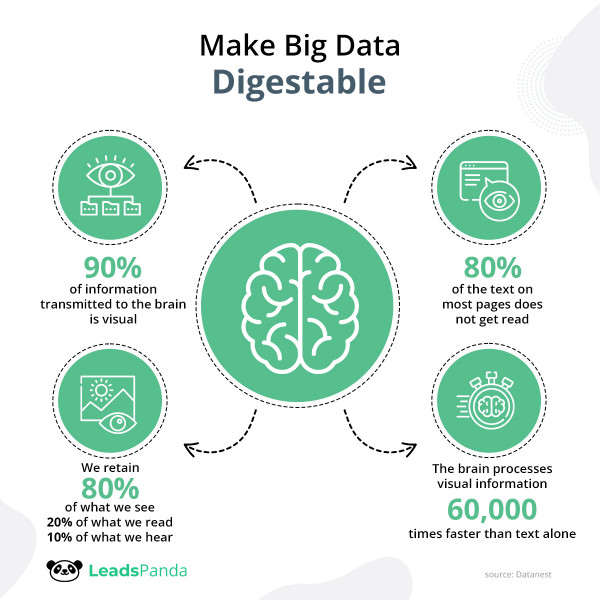
No matter how compelling your written content is, incorporating visuals and multimedia can enhance user experience and engagement. Studies show that content with relevant images receives 94% more views than text alone.
Consider these effective strategies:
- Use infographics: They simplify complex information, making it more digestible.
- Add videos: A short clip can explain a concept quickly, catering to those who prefer visual learning.
- Include interactive elements: Quizzes or polls can engage users, encouraging them to spend more time on your page.
By combining a strong UVP with engaging visuals and multimedia, you create a robust content experience that not only informs but also captivates your audience, keeping them coming back for more.

Implementing SEO Strategies
Optimizing for Search Engines
Now that high-quality content is in place, the next step is implementing SEO strategies to ensure that your great work reaches the right audience. Optimizing for search engines involves several techniques that help improve visibility and rank higher in search results.
Start with the following tips:
- Use relevant keywords: Naturally integrate your previously researched keywords into titles, headers, and throughout your content. Avoid keyword stuffing, as it can backfire.
- Meta descriptions: Craft compelling meta descriptions that summarize your content while enticing users to click on your link.
For example, a meta description for a travel blog post might be: “Discover the top 10 hidden gems in Europe that will make your next trip unforgettable!” This brief summary hints at valuable information and piques interest.
Building Internal and External Links
Next, focus on building internal and external links. This practice aids in SEO while also enhancing user experience.
- Internal links: Link to other relevant pages or posts within your website. This keeps readers engaged and helps search engines understand your website’s structure better.
- External links: Reference credible sources to enhance your content’s authority and reliability. Additionally, this can foster relationships with those external sites, opening doors for future collaborations.
By effectively optimizing for search engines and building a robust linking strategy, you not only improve your content’s visibility but also ensure a richer, more informative experience for your audience. This combination drives organic traffic and encourages users to explore more of what you have to offer.
Promoting Your Content
Leveraging Social Media Platforms
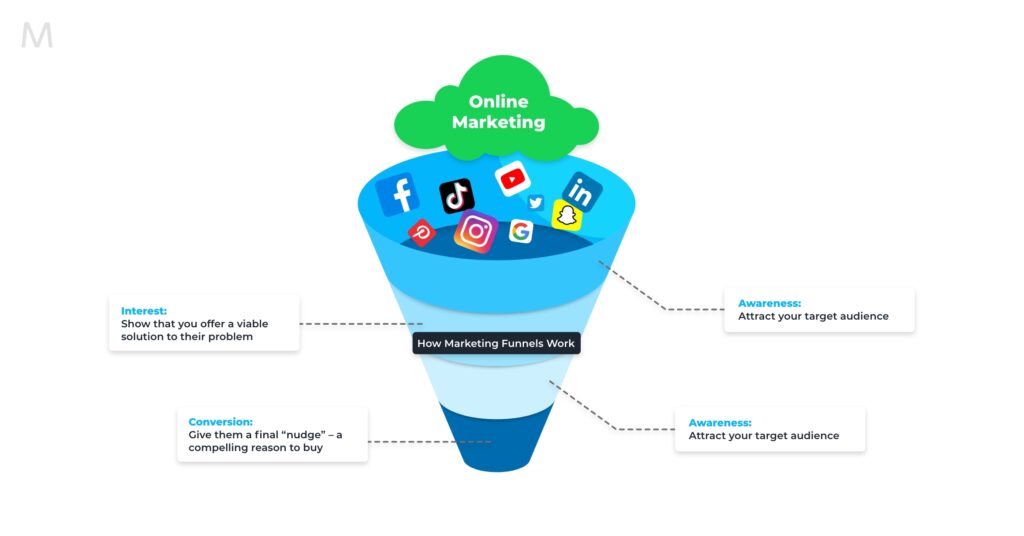
With your SEO strategies in place, it’s time to shift focus to promoting your content. One of the most effective ways to reach a broader audience is by leveraging social media platforms. Whether it’s Facebook, Twitter, Instagram, or LinkedIn, each platform offers unique opportunities to connect with diverse audiences.
Here are a few strategies to consider:
- Tailor your posts: Customize your content for each platform. For instance, a visually appealing infographic may work wonders on Instagram, while an insightful article link is better suited for LinkedIn.
- Utilize hashtags: Incorporate relevant hashtags to increase discoverability. For example, using #ContentMarketing on Twitter can draw in users interested in your insights.
- Encourage sharing: Create shareable content, like quizzes or interactive polls, that motivates your audience to spread the word.
Engaging with Online Communities
In addition to social media, engaging with online communities is essential for promoting your content. Platforms such as Reddit, Quora, or niche forums offer excellent venues to share expertise and connect with your target audience.
To effectively engage:
- Join relevant discussions: Contribute meaningful insights without being overly promotional. For example, if someone asks for travel tips, sharing your recent blog post can provide value.
- Network and build relationships: Establish genuine connections by helping others and offering guidance, which can lead to increased visibility for your content.
By actively promoting your content through social media and engaging with online communities, you can significantly expand your reach and establish yourself as a trusted resource in your field. This proactive approach not only drives traffic but also fosters a loyal audience eager to consume what you create.
Analyzing Performance and Making Improvements
Tracking Key Metrics
With promotional efforts underway, it’s crucial to shift gears toward analyzing performance and making improvements. Tracking key metrics allows you to understand how well your content is resonating with your audience. This data-driven approach helps refine your content strategy for better results.
Here are several metrics to keep an eye on:
- Page Views: This shows how many times your content has been viewed, giving a general sense of reach.
- Bounce Rate: A high bounce rate may indicate that visitors aren’t finding what they expected, prompting a need for adjustments.
- Time on Page: This metric reveals how engaged readers are with your content. Longer times usually suggest that visitors find your content valuable.
For instance, after reviewing the analytics from a recent blog post, you might find a significant drop-off rate at a specific section. This insight could lead you to rework that section for improved clarity or engagement.
A/B Testing and Iterating
Another effective strategy for enhancing performance is A/B testing. This involves creating two variations of your content—such as headlines, images, or calls to action—and comparing their performance.
Consider these A/B testing tips:
- Test one element at a time: Whether it’s a different headline or button color, isolating variables provides clearer insights into what works.
- Analyze results over time: Gather enough data to make informed decisions. Testing for just a few days may not provide a complete picture.
Iterating based on these insights allows you to continually refine your approach, ensuring that your content remains impactful and appealing. By analyzing performance and embracing a culture of testing, you set the stage for ongoing success in your content marketing efforts.
Enhancing User Experience
Ensuring Mobile Responsiveness
Having analyzed performance and made necessary improvements, the next focus should be enhancing user experience. In today’s digital age, ensuring mobile responsiveness is paramount. With more users accessing content through smartphones and tablets, your website must adapt seamlessly to different screen sizes.
Here are a few pointers to guarantee mobile responsiveness:
- Responsive design: Implement fluid grid layouts that reformat content to fit various device screens.
- Touch-friendly interfaces: Ensure buttons and links are easily clickable without needing to zoom, making navigation user-friendly.
For instance, a travel blog that showcases stunning photography should ensure that images resize beautifully on any device, allowing users to enjoy the full visual experience.
Improving Website Speed and Navigation
Alongside mobile responsiveness, improving website speed and navigation is crucial in retaining visitors. Research suggests that even a one-second delay in load time can lead to significant drops in user satisfaction and engagement.
Consider these strategies:
- Optimize images and files: Compress images without sacrificing quality to enhance loading speeds.
- Streamline navigation: Use clear categories and a logical structure, enabling users to find what they’re looking for quickly.
An example might be organizing blog posts into specific categories, making it easier for readers to explore related content without confusion.
By ensuring mobile responsiveness and enhancing speed and navigation, you create a user-friendly environment that encourages visitors to linger on your site longer. This thoughtful approach not only boosts satisfaction but also increases the likelihood of repeat visits and conversions.
Understanding the Buyer’s Journey
Creating Content for Different Stages
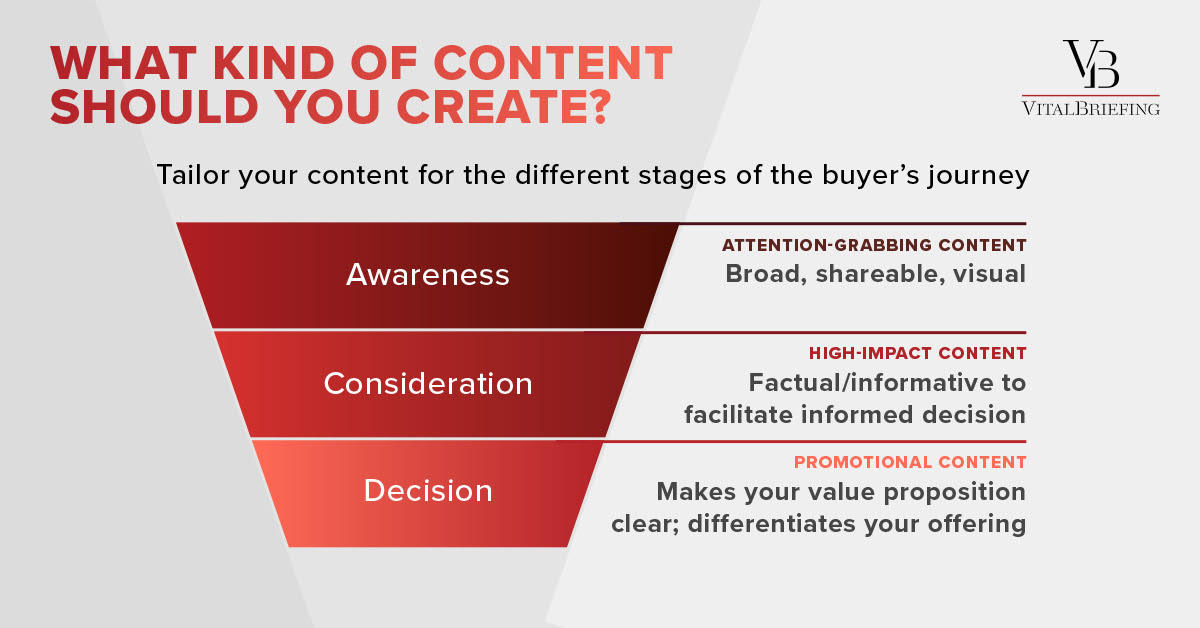
As you continue to enhance user experience, another critical component is understanding the buyer’s journey. This journey consists of several stages—awareness, consideration, and decision. Creating tailored content for each stage can significantly influence a potential customer’s path to conversion.
For instance:
- Awareness Stage: This is where potential customers identify a problem. Content such as blogs, infographics, or social media posts can introduce them to the issue while positioning your brand as a solution.
- Consideration Stage: Here, customers compare their options. Offering detailed guides, webinars, or case studies can help them evaluate their choices, emphasizing how your product addresses their needs.
- Decision Stage: At this point, a user is almost ready to buy. Crafting persuasive product descriptions, testimonials, and compelling offers can seal the deal and encourage action.
Personalizing Content for Conversion
Once you’ve mapped out the journey, the next strategy is personalizing content for better conversion rates. Personalization helps your audience feel seen and understood, ultimately driving them closer to making a purchase.
Consider these methods:
- Email Segmentation: Tailor your email content based on previous interactions—sending targeted offers, for instance, to ensure relevance.
- Dynamic Content: Using tools that adapt content on your website based on user behavior can significantly enhance the experience.
For example, if a user frequently searches for fitness equipment, a personalized landing page featuring those products can increase engagement and likelihood of purchase.
By creating stage-specific content and personalizing the user experience, you not only guide potential buyers along their journey but also foster trust and connection, ultimately leading to higher conversion rates. This holistic approach to understanding the buyer’s journey is instrumental in crafting a successful marketing strategy.
Conclusion
Recap of Key Strategies
As we wrap up this comprehensive overview of content marketing, it’s essential to recap the key strategies we’ve discussed. From crafting engaging headlines to understanding the buyer’s journey, each element plays a vital role in ensuring your content not only reaches an audience but resonates with them.
To summarize:
- Engaging Content Creation: Utilize power words and compelling visuals to attract and retain attention.
- SEO Implementation: Optimize for search engines and build quality links to boost visibility.
- Promotion and Engagement: Leverage social media and online communities to connect with audiences and encourage sharing.
- Performance Analysis: Track key metrics and employ A/B testing to iterate and refine your strategy.
Each strategy is interconnected, and success arises when they work in harmony.
Looking Ahead to Future Content Marketing Trends
As we step into the future of content marketing, it’s vital to stay ahead of emerging trends. With advancements in technology, consider how artificial intelligence and machine learning can enhance personalization.
Keep an eye on:
- Video Content: The rise of short-form video platforms continues to gain traction, making it essential to adapt to this trend.
- Voice Search Optimization: As voice-activated devices become more common, optimizing for voice search will ensure your content remains accessible.
The landscape of content marketing is ever-evolving, and those who adapt swiftly will thrive. By embracing innovation while applying foundational strategies, you can navigate the future confidently, providing value to your audience and driving growth for your brand.