

Understanding the Importance of Storytelling in iGaming Content
What is Storytelling in iGaming?
Storytelling in iGaming refers to the art of crafting engaging narratives that enhance the player experience. It transforms standard gaming elements into an immersive adventure, helping players connect with the game on a deeper level. Whether it’s through characters, plotlines, or captivating backstories, the right story can turn a simple slot machine into an exciting quest.
For example, a game centered around a heroic journey with vibrant characters and intriguing twists can lift the gaming experience from routine to riveting. This storytelling aspect isn’t just fluff; it’s a strategic mechanism that engages players, encouraging them to explore more and invest time in the game.
Impact of Storytelling on Player Engagement
The impact of storytelling on player engagement in iGaming is profound. Games with rich narratives often see significantly higher player retention and satisfaction rates. Here are a few key aspects of this impact:
- Emotional Connection: Players often form emotional bonds with characters, prompting them to play longer.
- Motivation to Explore: A well-constructed storyline can encourage players to uncover every detail and hidden feature, enhancing replayability.
- Social Interaction: Engaging stories often lead to discussions among players, fostering community involvement.
In summary, by incorporating storytelling, iGaming developers can significantly elevate the player experience, making their offerings not just games, but captivating journeys that players look forward to embarking on time and again.
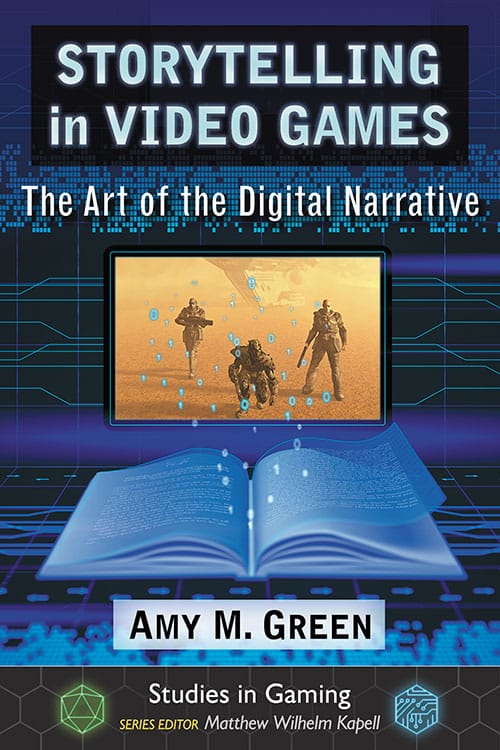
Elements of Compelling Storytelling in iGaming
Developing Characters and Plotlines
Developing strong characters and engaging plotlines is essential for creating memorable experiences in iGaming. Characters act as emotional anchors for players, allowing them to invest in their journeys. Successful games often feature:
- Relatable Heroes: Players tend to favor characters with traits they can identify with, making victories feel personal.
- Villains with Depth: A well-crafted antagonist can create conflict that drives the narrative, ensuring players remain engaged.
- Dynamic Relationships: Interactions between characters can add layers to the story, enhancing emotional stakes.
Take, for instance, a game where players assume the role of a brave knight facing off against a treacherous sorcerer. The evolving relationship between the knight and sorcerer creates tension, leading players to anticipate each twist and turn of the plot.
Creating Immersive Narratives through Visuals and Sounds
Beyond characters and plotlines, the integration of visuals and sound design plays a pivotal role in storytelling. An immersive narrative is achieved through:
- Stunning Graphics: Visuals should match the tone of the story, with lush environments that captivate players and enhance their immersion.
- Dynamic Soundtracks: A well-composed soundtrack can evoke emotions and reinforce key narrative moments, making the experience unforgettable.
- Sound Effects: Small details, like the clashing of swords or ambient sounds, can transport players into the game world.
For instance, a horror-themed slot game might use dark, suspenseful music coupled with eerie visual effects to amplify the experience, creating a chilling atmosphere that keeps players on the edge of their seats. Together, these elements forge an engaging narrative that pulls players in and keeps them returning for more.
Utilizing Story Arcs and Themes for iGaming Content
Incorporating Conflict and Resolution
To keep players engaged, conflict and resolution are essential components of any iGaming narrative. A compelling story often revolves around a central struggle—whether it’s an internal battle within a character or an external fight against formidable foes. This conflict not only captivates players but also adds depth to their gaming experience.
Consider this sequence:
- Introduction of Conflict: A player might discover that a beloved kingdom is under siege, prompting them to take action.
- Escalation: As they progress, players encounter various challenges that complicate their journey, such as treacherous characters or twisted plots.
- Climactic Resolution: The story peaks with an intense showdown where players use their skills and knowledge gained throughout the game to restore peace.
This structure provides a fulfilling arc that leaves players with a sense of accomplishment upon resolution. By integrating these elements seamlessly, developers can craft narratives that enrich gameplay and keep players coming back for more.
Exploring Different Storytelling Themes in iGaming
Diverse storytelling themes can elevate the gaming experience, offering players various emotional and intellectual explorations. Some popular themes in iGaming include:
- Adventure and Exploration: Players embark on quests in fantastical realms, discovering hidden treasures and long-lost secrets.
- Mystery and Intrigue: Engaging narratives filled with puzzles and cryptic clues challenge players to unravel complex stories.
- Fantasy and Mythology: Themes grounded in lore and myth allow players to immerse themselves in legendary quests, bringing rich narratives to life.
Each theme appeals to different player preferences and can encourage exploration within games, making storytelling an invaluable tool for extending gameplay lifespans and fostering player loyalty. By thoughtfully incorporating conflict and varying themes, developers can build compelling worlds that resonate deeply with players.

Implementing Emotional Appeal and Player Interaction
Eliciting Emotions through Storytelling
Eliciting emotions through storytelling is pivotal in forming strong connections between players and iGaming content. A well-told story can trigger various feelings, from joy to heartbreak, making the gaming experience much more memorable.
Here are ways to enhance emotional appeal:
- Relatable Scenarios: Sharing experiences that players can personally relate to—loss, victory, or friendship—helps in forging emotional ties. For example, a story of a character overcoming personal struggles resonates with many players who have faced similar challenges.
- Character Backstories: Rich backstories create depth, allowing players to empathize with characters on their journeys. The more invested they feel, the more likely they are to continue their quest.
- Climactic Moments: Key moments in the story—like sacrifices or unexpected plot twists—can evoke strong emotional responses, keeping players on the edge of their seats.
Enhancing Player Engagement with Interactive Elements
The integration of interactive elements can significantly elevate player engagement. By allowing players to make choices that affect the story, developers can enhance immersion and emotional involvement.
Consider these interactive strategies:
- Branching Storylines: Offering choices that lead to different story outcomes encourages players to explore various paths, making them feel in control.
- Quests with Meaningful Rewards: Designing tasks that yield emotional payoffs, such as reuniting loved ones or solving a mystery, keeps players invested.
- Multiplayer Elements: Incorporating social dynamics allows players to share their experiences and decisions, creating a community around the story.
By combining emotional storytelling with interactive elements, iGaming developers can craft experiences that captivate players, driving them to engage, explore, and ultimately bond with the narratives. This layered approach invites players into a world where every decision shapes their adventure, enhancing loyalty and enjoyment.

Leveraging Storytelling for Branding and Marketing in iGaming
Building Brand Identity through Stories
In the competitive realm of iGaming, storytelling is not just about captivating players; it’s also a powerful tool for building brand identity. A compelling narrative surrounding a brand can resonate deeply with its audience, fostering loyalty and recognition.
Here’s how storytelling can enhance brand identity:
- Creating a Unique Narrative: A distinctive backstory or mission can set a brand apart. For instance, a game developer might craft a lore about their mythical world, aligning their games under a unified theme that adds depth to the brand.
- Consistent Messaging: Through narratives, brands can communicate core values succinctly. A company that prioritizes social responsibility could develop storylines that highlight community help within the game.
- Character-Driven Marketing: Characters from games can become brand ambassadors. Think of how beloved characters attract fans’ attention and loyalty, giving the brand a human touch that builds connections.
Using Stories for Effective Marketing Campaigns
When it comes to marketing campaigns, narratives can be a game-changer. Stories not only attract attention but also encourage sharing and engagement.
Examples of effective storytelling in marketing include:
- Teaser Campaigns: Creating short, story-driven teasers that hint at upcoming game releases generates buzz and excitement among players.
- User-Generated Content: Encouraging players to share their own experiences and stories related to the game can amplify reach and create a sense of community around the brand.
- Emotional Advertising: Campaigns that tell touching stories—like those highlighting friendships formed through gaming—can evoke emotions, making the brand memorable.
By leveraging storytelling in brand identity and marketing, iGaming companies can create meaningful connections with their audience. Engaging narratives not only capture players’ attention but also make them feel a part of a larger story, ultimately fostering loyalty and community within the gaming universe.
Measuring the Effectiveness of Storytelling in iGaming Content
Analyzing Player Response and Engagement Metrics
To understand the impact of storytelling in iGaming, analyzing player responses and engagement metrics is crucial. Insightful data can help developers refine their narratives and ensure they resonate with the audience.
Key metrics to consider include:
- Time Spent in Game: Monitoring how long players engage with a story-driven game can indicate its appeal. An upward trend usually signifies a successful narrative that captivates players.
- Completion Rates: Tracking how many players finish a game or a specific storyline can provide insights into whether the narrative structure is compelling enough to keep them invested.
- In-Game Feedback: Player feedback through surveys or community forums can yield qualitative data about story effectiveness. Understanding what players love or dislike helps tailor future content.
For example, a noticeable drop-off in player engagement during a specific chapter might reveal that the storyline needs adjustments to maintain interest.
A/B Testing Storytelling Strategies
A/B testing is a powerful method for fine-tuning storytelling strategies. By comparing different narrative approaches, developers can identify what resonates best with players.
Consider these steps in A/B testing:
- Develop Parallel Narratives: Create two variations of a storyline and measure player reactions to each version.
- Monitor Engagement: Track metrics such as playtime, return rates, and user reviews for both narratives.
- Iterate Based on Results: Adjust the story based on data insights, focusing on elements that drive engagement and emotional connection.
In this way, A/B testing allows developers to make informed decisions, enhancing their storytelling techniques and ultimately creating more engaging iGaming experiences. By systematically measuring effectiveness, brands can craft narratives that resonate deeply with players, ensuring a lasting impact in the vibrant gaming landscape.

Case Studies and Examples of Successful Storytelling in iGaming
Case Study 1: Successful Integration of Story in Game Design
A prime example of successful storytelling in iGaming is The Witcher: Wild Hunt, a game celebrated for its deep narrative and character development. The game masterfully intertwines quest lines with rich lore, giving players a sense of purpose.
- Dynamic Characters: Players meet diverse characters, each with unique backstories and motivations. Their choices influence outcomes, immersing them in a living world.
- Branching Plotlines: The decisions players make affect the game’s ending, creating an interactive experience where every choice matters.
- Engaging Lore: The game’s world is infused with captivating stories that players uncover through exploration, enhancing the overall experience.
This integration of storytelling into game design ensures players remain invested in the universe and return to explore different narrative paths.
Case Study 2: Impact of Storytelling on Player Retention
Another compelling example is Game of Thrones Slots Casino. The game harnesses the franchise’s rich storytelling to enhance player retention.
- Emotional Connection: The character arcs from the often-turbulent plot of the series create an emotional pull. Players feel a connection as they spin the slots, reliving their favorite moments.
- Thematic Events: Seasonal events based on the storyline, such as battles or weddings, keep the content fresh and encourage players to return for new experiences.
- Community Engagement: The ongoing narrative fosters discussions among players, turning gameplay into a shared experience, thereby driving community loyalty.
These case studies exemplify how effective storytelling in iGaming not only enhances player engagement but also positively impacts game retention, providing insights for developers seeking to underline their storytelling strategies in future releases.
Best Practices and Tips for Mastering Storytelling in iGaming Content
Crafting Compelling Introductions and Endings
When it comes to storytelling in iGaming, crafting compelling introductions and satisfying endings is crucial. A strong introduction captivates players right from their first encounter, setting the tone for the entire experience. Here’s how to achieve that:
- Hook the Player: Start with an intriguing scenario or question that grabs attention. For example, beginning with a mysterious event or a character in peril can inspire immediate curiosity.
- Establish the Stakes: Clearly defining what’s at risk helps players invest emotionally in the story. This could be anything from a hero’s quest to reclaim a lost kingdom or a survivor’s battle against monsters.
Equally important is the ending, which should provide closure while leaving space for future adventures. Great endings:
- Resolve Key Conflicts: Players should feel that the main story arcs are wrapped up, rewarding their journey.
- Encourage Reflection: An emotional twist or revelation can linger in players’ minds, prompting them to discuss their experiences.
Balancing Storytelling with Gameplay Experience
While storytelling enhances the iGaming experience, it’s vital to balance narrative elements with gameplay mechanics. Here’s how to strike that balance:
- Avoid Overloading: Too much exposition can bog down gameplay. Maintain pacing by interspersing story elements naturally within gameplay.
- Integrate Gameplay and Story: Use gameplay mechanics to advance the narrative. For instance, players might unlock parts of the story through specific achievements or challenges.
- Feedback Loops: Allow player decisions to affect both the story and gameplay dynamics. This integration enhances immersion and creates a personalized experience.
In summary, effective storytelling in iGaming hinges on a strong beginning and satisfying conclusion while complementing the gameplay. By following these best practices, developers can create engaging narratives that resonate deeply with players, ensuring their stories are both memorable and enjoyable.

Future Trends and Innovations in Storytelling for iGaming
Emerging Technologies for Enhanced Storytelling
As technology evolves, so too does the potential for storytelling in iGaming. Emerging technologies are paving the way for more immersive and interactive experiences, transforming how narratives are delivered to players.
- Virtual Reality (VR): VR opens up an entirely new dimension for storytelling. Players can step into their favorite worlds, experiencing stories from a first-person perspective. Imagine exploring a fantasy realm where every choice and action has tangible consequences, creating a deeply immersive adventure.
- Augmented Reality (AR): AR blends the virtual world with the real one, allowing players to interact with characters and story elements in their surroundings. This innovation could bring games to life in unexpected ways, enabling players to embark on quests that blend seamlessly with their everyday environments.
- Artificial Intelligence (AI): AI can analyze player behavior in real-time, enabling dynamic storytelling. By adapting the narrative based on the player’s choices and preferences, games can create unique experiences tailored to individual journeys.
Personalization and Customization in Story-driven Games
Personalization is quickly becoming a key feature in iGaming, allowing players to shape their narratives. This trend can be observed in:
- Character Customization: Giving players the ability to create and customize their characters not only enhances engagement but makes their journey feel personal. Players are more likely to invest in a story that reflects their identity or aspirations.
- Story Branching: Allowing players to choose their path through narrative arcs fosters a sense of agency. The more choices players have in directing the story, the more emotionally connected they become.
- Player-Driven Narratives: Encouraging players to influence the storyline through decisions and actions can create a richer, more interactive experience, often leading to enhanced replayability.
In conclusion, the future of storytelling in iGaming is bright, driven by technological advancements and a focus on personalization. As these trends evolve, players can look forward to richer, more engaging narratives that resonate profoundly, turning games into captivating journeys shaped by their own choices and experiences.