

IIntroduction
Importance of Content Marketing
In today’s digital landscape, content marketing has emerged as a pivotal strategy for businesses aiming to capture audience attention and foster brand loyalty. Gone are the days when traditional advertisements could guarantee consumer engagement. Nowadays, consumers crave valuable, relevant content that resonates with their needs and interests. This shift underscores the significance of content marketing, which effectively builds relationships based on trust.
The stats speak volumes:
- Over 70% of marketers actively invest in content marketing — illustrating its critical role in overall marketing strategies.
- Content marketing generates three times as many leads as outbound marketing and costs 62% less.
This ensures that businesses not only reach their target audience effectively but also become thought leaders in their respective industries. By producing well-crafted content, businesses can establish themselves as reliable sources of information, leading to higher customer loyalty and retention rates.
Role of Storytelling in Content Marketing
While producing high-quality content is crucial, how marketers convey this information makes all the difference. This is where storytelling comes into play. Storytelling transcends the traditional methods of content distribution; it transforms the mundane into something engaging and memorable. For example, consider a company that sells sustainable coffee mugs. Instead of merely listing features such as “eco-friendly” or “insulated,” they could craft a compelling narrative about a traveler who discovers a unique local coffee shop, cracking the culture of coffee drinking around the world.
By incorporating storytelling, brands can:
- Evoke emotions : Humans inherently connect with stories on an emotional level. When a brand tells a relatable story, it fosters a deeper connection with the audience.
- Simplify complex information : Complex products or ideas can be broken down into digestible and memorable stories, making them easier for consumers to grasp.
- Create a shared experience : When consumers see a reflection of their values or desires in a story, it creates a sense of community around that brand.
Through storytelling, content marketing not only informs but also entertains and engages audiences. By weaving narratives into their content, businesses can transform their messaging from mere promotion to creating an experience that the audience wants to be a part of. This powerful combination of storytelling with strategic content marketing lays a solid foundation for building lasting relationships with consumers, ultimately leading to success in today’s competitive market.
As we delve deeper into the strategies of effective content marketing, the next step is understanding the audience, which is crucial for crafting narratives that resonate.
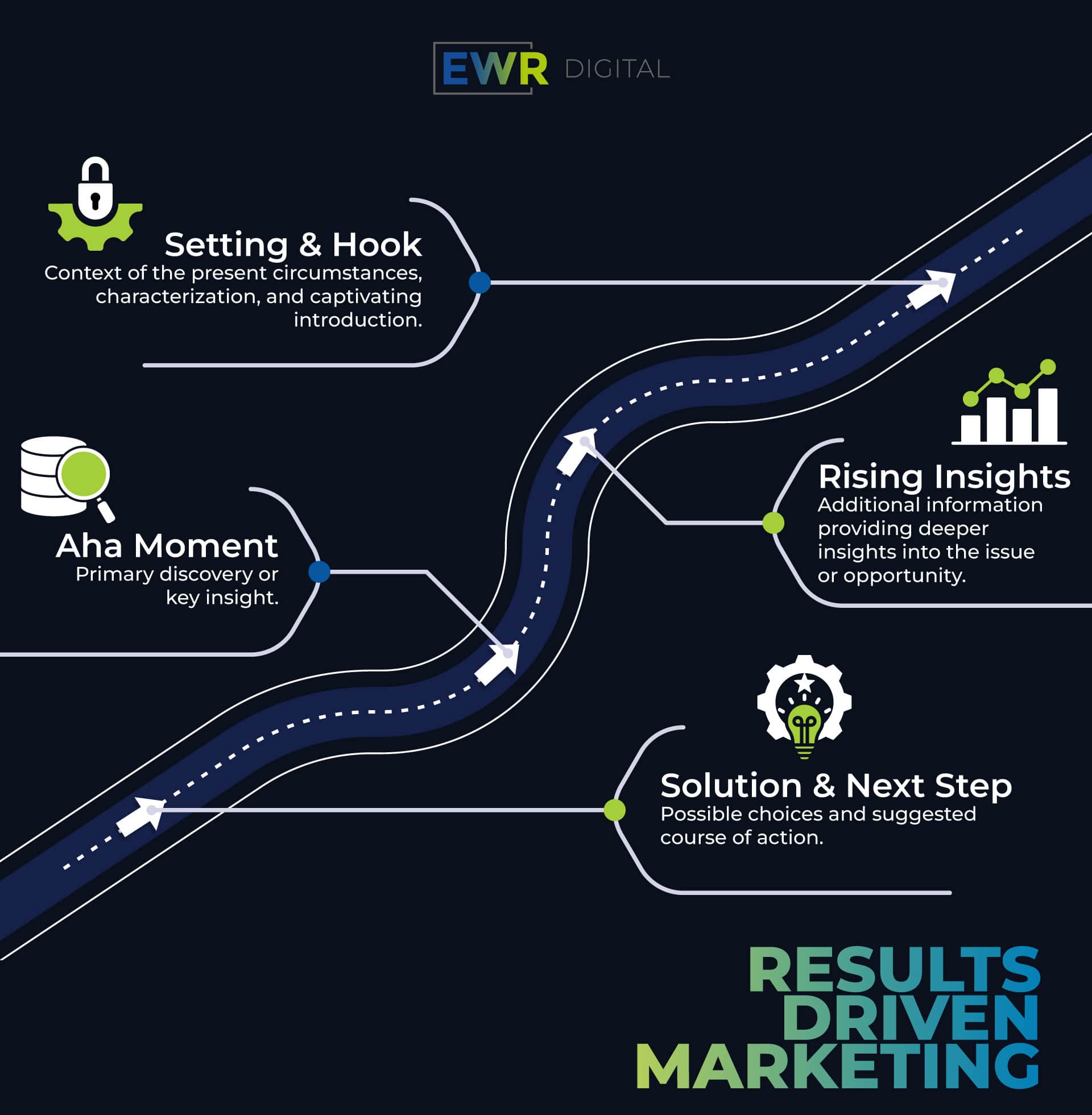
Understanding Your Audience
Identifying Target Clients
With a solid foundation established in the significance of content marketing and storytelling, the next critical step lies in understanding the audience. Knowing who your target clients are is essential for crafting content that resonates. This involves more than just basic demographics; it extends into understanding their preferences, challenges, and aspirations.
To effectively identify target clients, businesses should consider the following:
- Conducting Market Research : Utilize surveys, interviews, and focus groups to gather insights about potential customers. Ask questions related to their habits, expectations, and pain points.
- Creating Buyer Personas : Develop semi-fictional characters that represent segments of your audience. A persona might include details such as age, occupation, interests, and purchasing behaviors. For instance, a brand selling fitness gear may have a persona named “Active Alice,” a 28-year-old marketing executive who enjoys yoga and sustainable living.
- Analyzing Competitors : Examine the audience your competitors are targeting. What works for them? What gaps exist that your content can fill? This approach can provide invaluable insights into potential market segments.
By thoroughly understanding your audience, businesses can tailor their marketing strategies to speak directly to their needs and desires, positioning themselves effectively in the marketplace.
Crafting Engaging Narrative
Once target clients are identified, the next step is crafting engaging narratives that capture their attention. The power of a compelling story lies in its ability to engage emotions and evoke empathy. This is not just about telling any story; it’s about telling the right story that aligns with the audience’s experiences and values.
Here’s how to create impactful narratives:
- Start with a Conflict : Every great story has a challenge or conflict. For example, a skincare brand can highlight a user struggling with sensitive skin, drawing the audience in with a relatable problem.
- Make it Relatable : Use language and examples that resonate with your audience’s lifestyle. If targeting busy professionals, a narrative that reflects the chaos of a morning routine can strike a chord.
- Incorporate a Resolution : Show how your product or service resolves the introduced conflict. This not only highlights value but also suggests a solution, encouraging engagement and trust.
- Utilize Authentic Testimonials : Real stories from satisfied customers can provide authenticity and credibility to your narrative. Sharing genuine experiences can reinforce the message you want to convey.
By understanding and engaging with the audience through tailored narratives, businesses can enhance their content marketing efforts significantly. In the fast-paced digital world, where attention spans are shrinking, captivating stories that resonate with your targets will stand out.
Now that you have a grasp on audience understanding, let’s explore how to create compelling content that reflects your unique brand voice.

Creating Compelling Content
Developing Unique Brand Voice
Having established an understanding of your audience and the power of storytelling, the next essential phase is creating compelling content that captivates and engages. A critical element to achieve this is developing a unique brand voice. This voice embodies the personality of your brand and helps differentiate it from the competition.
Consider the distinct tone and language you choose. Is your brand playful or authoritative? Casual or formal? A clear brand voice not only communicates your values but also connects with your audience on a personal level. Here’s how to cultivate that voice effectively:
- Define Your Brand’s Personality : Begin by identifying three to five adjectives that describe your brand. Are you innovative, friendly, and adventurous? This will help guide your communication.
- Be Consistent Across Channels : Whether it’s social media posts, blog articles, or customer emails, consistency in tone is key. If your tweets are witty, ensure your newsletters carry a similar vibe.
- Use Relatable Language : Avoid jargon unless your audience is familiar with it. Opt for simple language that resonates with your target clients. For instance, if aiming for a younger crowd, a language with more pop culture references might hit the mark.
- Incorporate Story Elements : Use anecdotes and examples within your content that reflect your unique voice. This further humanizes your brand and allows for deeper connections with your audience.
By developing a recognized and relatable brand voice, your content can create a memorable experience, ensuring readers associate specific traits with your brand.
Utilizing Visual Storytelling
In conjunction with a compelling voice, visual storytelling has emerged as a prominent tool to enhance content appeal. The old saying “a picture is worth a thousand words” rings particularly true in today’s fast-paced digital landscape. Visuals complement your narrative, making it more engaging, shareable, and digestible.
To effectively leverage visual storytelling, consider these strategies:
- Infographics and Data Visualization : Complex information can be simplified and clarified using infographics. For example, a financial advisor might use charts to break down investment risks, making the information visually appealing and easier to understand.
- Compelling Photography and Graphics : Invest in high-quality images that reflect your brand ethos. Authentic photography, showcasing real customers or behind-the-scenes moments, can add depth and relatability to your marketing.
- Videos and Animations : Short, engaging videos can convey narratives quickly and effectively. Brands like Dollar Shave Club utilize humorous videos to explain their subscription model, making it not only easy to understand but also fun.
- Consistent Visual Style : Establish a standard for colors, fonts, and imagery that aligns with your brand voice. This consistency makes your content immediately recognizable to your audience.
By combining a unique brand voice with powerful visuals, businesses can craft content that makes a lasting impression. As the digital world becomes increasingly visual, mastering this art is essential for effective content marketing.
Now, let’s explore how to leverage social media effectively to engage with your audience and expand your reach.

Leveraging Social Media
Engaging with Followers
With a solid content creation strategy in place, the next step is to leverage social media effectively. Social media is not just a broadcasting platform; it’s a dynamic space for building relationships and engaging with followers. Genuine interaction can lead to a sense of community, fostering trust and loyalty toward your brand.
Engagement goes beyond answering comments or liking posts; it’s about creating two-way conversations. Here are some strategies to improve engagement with your audience:
- Ask Questions : Encourage feedback and discussion by posing questions in your posts. For instance, a clothing brand might ask followers to share their favorite fashion tips or trends, prompting more interaction.
- Use Polls and Quizzes : Platforms like Instagram and Twitter allow for interactive polls that can gauge consumer preferences. These fun features not only engage users but also provide valuable insights.
- Share User-Generated Content : Highlighting content created by your customers not only shows appreciation but also fosters a sense of belonging. For example, a coffee shop could repost images shared by customers enjoying their drinks, creating a community vibe.
- Host Live Q&A Sessions : A live session can provide real-time interaction and deepen relationships. Brands that offer expertise, such as skincare lines, can hold Q&As where experts answer follower queries.
By actively engaging with followers, brands can cultivate loyalty and strengthen connections, making customers more likely to advocate for their products.
Maximizing Platforms for Reach
As you engage with your audience, it’s essential to recognize that not all social media platforms are created equal. Each has its unique characteristics and audience demographics, so maximizing your presence requires a tailored approach.
Here’s a breakdown of how to maximize reach across different social media platforms:
- Facebook : Ideal for community groups and events. Utilize Facebook Live to showcase product launches or behind-the-scenes glimpses. Don’t forget to use Facebook Ads to target specific demographics with precision.
- Instagram : Harness the power of visuals with aesthetic posts and Stories. Utilize Instagram Reels for short, engaging video content that can easily go viral. Hashtags are crucial here—research effective ones that align with your brand.
- Twitter : This platform thrives on timely updates and interactions. Share industry news, engage in conversations with trending hashtags, and reply to mentions to keep the dialogue open.
- LinkedIn : Perfect for B2B marketing, LinkedIn allows for professional content. Share articles, industry insights, or updates, positioning your brand as a thought leader in your field.
- TikTok : This platform can reach a younger audience with fun, creative, and engaging videos. Participating in challenges or trends can rapidly increase visibility.
By selecting the right mix of platforms based on your target audience and crafting tailored content, brands can enhance visibility and engagement, ensuring their messages are heard loud and clear.
With a robust social media strategy in place, the final step is to measure the success of these efforts. Understanding metrics and analytics is crucial in refining and evolving your strategies for optimal outcomes.

Measuring Success
Setting KPIs
With a solid social media strategy and consistent engagement in place, the next important phase is measuring success. Understanding the effectiveness of your content marketing efforts is crucial for optimizing future strategies. This begins with setting Key Performance Indicators (KPIs).
KPIs help track progress and determine whether you’re on the right path toward achieving your goals. Here’s how to set meaningful KPIs:
- Align KPIs with Business Objectives : Your KPIs should reflect your overall business goals. For instance, if your aim is to boost brand awareness, your KPIs could focus on metrics like reach, impressions, and follower growth.
- Consider Different Stages of the Buying Journey : Create specialized KPIs for different stages. For example:
- Awareness Stage : Website traffic, social media impressions.
- Consideration Stage : Engagement rates, click-through rates (CTR) on email campaigns.
- Conversion Stage : Leads generated, sales revenue, customer acquisition cost.
- Be Specific and Measurable : Ensure your KPIs are tangible. Instead of setting a vague goal like “increase engagement,” aim for “raise engagement rate by 25% in three months.” This specificity makes tracking progress much easier.
- Review Regularly : Set up regular intervals to review your KPIs, such as monthly or quarterly. This allows for quick adjustments to your strategy as needed.
Setting clear KPIs creates a robust framework for evaluating success and ensures that every effort is aligned with trackable targets.
Analyzing Data and Metrics
Once KPIs are established, the next step is in-depth analysis of the data and metrics. This analysis not only reveals what’s working but also sheds light on areas needing improvement.
Start by aggregating data from various sources:
- Social Media Insights : Most platforms provide analytics tools to track performance. For instance, Facebook Insights and Instagram Analytics can show engagement rates, audience demographics, and post reach.
- Website Analytics : Tools like Google Analytics can help you track website traffic, user behavior, and conversion rates. This data can reveal which content resonates most with your audience.
- Email Marketing Metrics : If you use email campaigns, monitor the open rates, CTRs, and conversion rates to evaluate their effectiveness.
Once you gather your metrics, analyze them with these approaches:
- Identify Trends : Look for patterns over time. Are certain types of content performing better? Are there particular times when engagement peaks? Understanding these trends helps refine content strategies.
- Compare Against Benchmarks : Compare your KPIs against industry standards or historical data. This provides context, allowing you to assess whether your performance is in line with expectations.
- Solicit Feedback : Beyond data, listen to your audience. Engage with followers to collect qualitative data about their opinions and preferences.
By utilizing KPIs and analyzing data, businesses can gain critical insights into their content marketing performance. This data-driven approach allows brands to adapt and evolve their strategies, ultimately leading to more effective marketing outcomes and increased ROI.
With a thorough understanding of measuring success, the next discussion will focus on collaborating with influencers to enhance brand visibility and credibility.
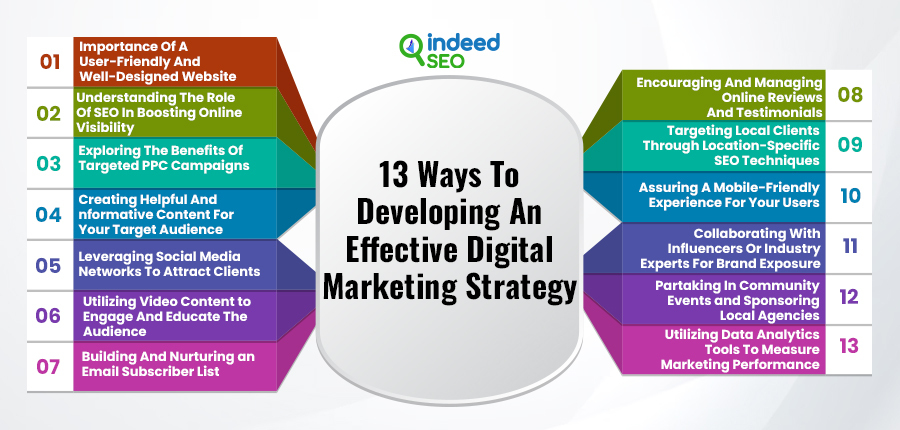
Collaborating with Influencers
Finding Relevant Partnerships
With a clear understanding of measuring success, the next strategy to enhance your content marketing efforts is collaborating with influencers. In today’s digital landscape, influencers provide a powerful avenue to reach wider audiences and establish credibility. However, choosing the right partnerships is crucial for maximizing impact.
When searching for influencers to collaborate with, consider the following:
- Relevance to Your Brand : Look for influencers whose niche aligns with your products or services. For example, if you’re selling health supplements, partnering with fitness influencers or nutritionists would be ideal. Their audience would likely trust their recommendations, making the partnership more effective.
- Engagement Over Follower Count : Rather than focusing solely on the number of followers, evaluate engagement rates. An influencer with 10,000 highly engaged followers can be more beneficial than one with 100,000 inactive followers. Tools like BuzzSumo or HypeAuditor can help analyze engagement metrics.
- Shared Values : Ensure that the influencer’s values resonate with your brand’s message. A mismatched partnership can confuse audiences and dilute your brand’s integrity. For instance, a sustainable fashion brand should collaborate with eco-conscious influencers who promote similar values.
- Content Style : Review the type of content the influencer produces. If their aesthetic or messaging doesn’t align with your brand, it’s best to look elsewhere. For example, if your brand has a luxurious vibe, partnering with an influencer known for casual, everyday content may not produce the desired effect.
By taking the time to find relevant influencer partnerships, brands can create authentic connections that resonate with their target audience.
Implementing Co-Branding Strategies
Once you’ve found the right influencers, the next step is implementing effective co-branding strategies that maximize the reach and benefits of your partnership. Co-branding can take various forms and, when done right, it can create mutual benefits for both brands involved.
Here are some approaches to consider:
- Collaborative Products or Services : One effective strategy is to co-create a product or service with your influencer. This could be a limited-edition item featuring the influencer’s branding or a curated collection based on their expertise. For instance, a makeup brand might collaborate with a beauty influencer to design a signature lipstick shade.
- Shared Campaigns : Develop marketing campaigns that feature both brands prominently. This could involve joint social media campaigns, giveaways, or contests, where followers of both brands can engage. For example, a fitness brand and a health food brand could team up for a 30-day wellness challenge, encouraging both their audiences to participate.
- Cross-Promotion : Utilize both brands’ platforms for promotion. This could mean the influencer shares their experience with your product on their channels, while you feature their content on your website or social media. This strategy amplifies reach and exposes both brands to new audiences.
- Storytelling Together : Share genuine stories that reflect the partnership. This could be a behind-the-scenes look at the collaboration or testimonials from the influencer about why they love your brand. Authentic storytelling strengthens the connection with the audience.
By effectively implementing co-branding strategies, brands can leverage influencer partnerships to expand their reach and enhance overall credibility. This collaborative approach not only benefits individual brands but also creates a richer experience for the audience, positioning both brands for success.
As you wrap up your influencer collaborations, it’s essential always to evaluate the outcomes and adapt your strategies for future partnerships effectively.