
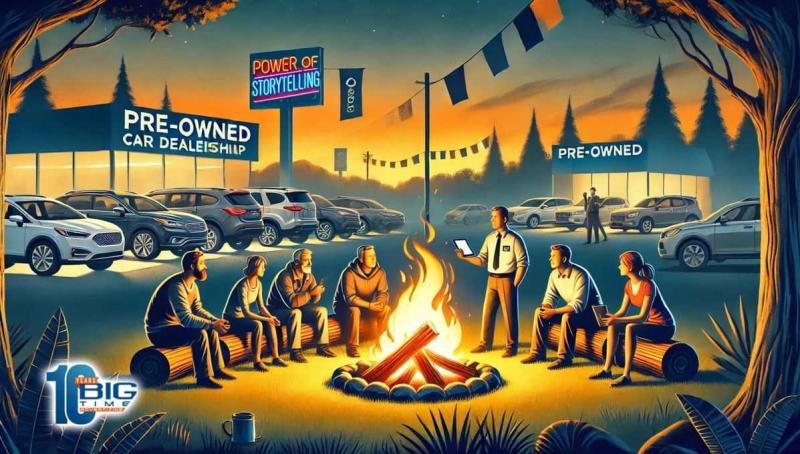
Introduction to Automotive Content Marketing
When diving into the realm of automotive marketing, it’s essential to understand the dynamic landscape shaped by the evolution of consumer expectations and technological advancements. As consumers are inundated with a multitude of options, they crave content that informs, engages, and captivates. That’s where content marketing comes into play.
Importance of Content Marketing in Automotive Industry
Content marketing has become a cornerstone in the automotive industry, with its importance only magnifying in today’s digital world. Here are a few reasons why it holds such weight:
- Building Brand Awareness : By creating valuable content, automotive brands can differentiate themselves in a crowded market. Engaging blog posts, informative videos, and eye-catching infographics can put brands in front of potential customers.
- Establishing Authority : Consumers often seek expert guidance before making a purchase. By sharing insights and expertise through knowledgeable content, automotive companies position themselves as authorities, boosting trust and credibility.
- Driving Engagement : Effective content marketing fuels interactions, guiding potential buyers down the sales funnel. Whether through tutorials on car maintenance or lifestyle pieces showcasing the brand’s vehicles in action, the content encourages consumers to connect with the brand.
- Enhancing Customer Relationships : Quality content fosters ongoing communication with customers, providing them with information beyond the initial purchase. Engaging newsletters, blog updates, and social media posts can keep customers involved and informed.
Just last summer, I found myself exploring the newest electric vehicles online. Several companies produced captivating articles and videos that highlighted their innovative technologies and eco-friendliness. As I read through their engaging content, my interest piqued significantly, leading me to request test drives. This firsthand experience reinforced the transformative power of content marketing within the automotive space.
Role of Storytelling in Marketing Cars
At the heart of successful content marketing lies storytelling. It’s not just about selling cars; it’s about crafting narratives that resonate with potential customers. Here’s how storytelling plays a vital role in marketing automobiles:
- Emotional Connection : Consumers are more likely to remember a story they can relate to. A well-told narrative about a family embarking on a memorable road trip in a spacious SUV can evoke emotions that make the audience feel connected with the brand.
- Differentiation : In a saturated market, storytelling can help brands stand out. It allows companies to present their unique value propositions in ways that traditional marketing methods often fail to achieve.
- Visual Engagement : Visual storytelling through images and videos can create lasting impressions. Car manufacturers that showcase their vehicles in real-life scenarios illustrate their capabilities effectively, making them more appealing.
- Brand Loyalty : When brands consistently tell compelling stories that align with their audience’s values, they cultivate loyal customers. A narrative that resonates with an eco-conscious audience, for instance, can foster deeper connections, encouraging word-of-mouth referrals.
In conclusion, understanding the importance of content marketing and the role of storytelling is crucial for automotive brands aiming to thrive in a competitive landscape. By harnessing these elements, they can transform the way they connect with potential customers, turning casual interest into lasting loyalty.

Understanding the Basics of Storytelling
Having explored the significance of content marketing and the powerful role of storytelling in the automotive industry, it’s time to delve into what constitutes a compelling story. Understanding the fundamentals can unlock the potential to resonate deeply with consumers, enhancing engagement and building loyalty.
Elements of a Compelling Story
A well-crafted story comprises various essential elements that work together to capture the audience’s attention and convey a message. Here are some key components of an engaging story:
- Relatable Characters : At the core of any compelling story are relatable characters that evoke empathy. In automotive marketing, these characters could be customers, families, or even fictional personas that showcase how a vehicle fits into their lives.
- Conflict and Resolution : Every great story has a conflict that the characters must face, leading to a resolution. This could involve a character overcoming obstacles—like a long journey through challenging terrain—to highlight the vehicle’s reliability.
- Setting : The environment or context in which the story takes place adds depth. An adventure story set on a scenic road trip in a stylish convertible captures the audience’s imagination while blending in product features.
- Emotional Impact : A successful story strikes an emotional chord. It can provide joy, nostalgia, or inspiration, nudging consumers toward action. For example, a tale of reconnecting with family on a cross-country drive can evoke feelings of warmth and nostalgia, increasing the affinity toward a brand.
- Call to Action : A compelling story often leads to a call to action, prompting the audience to take the next step, whether visiting a dealership or signing up for a test drive.
For instance, I still remember a video ad from an automotive company that featured a young couple who drove their newly purchased car to explore the beauty of national parks. As they ventured through the breathtaking landscapes, their shared moments of joy and laughter tugged at my heartstrings and made me want to embark on my own adventure in that car.
How Stories Impact Consumer Behavior
Understanding how storytelling influences consumer behavior can profoundly shape marketing strategies. Here are a few insights into this powerful relationship:
- Memory Retention : People remember stories far better than facts or figures. This aspect enhances brand recall—a crucial benefit for automotive companies looking to stand out in consumers’ minds.
- Increased Engagement : When stories are well-told, they captivate audiences, encouraging them to engage with the content. This can lead to higher shares on social media and discussions among peers.
- Informed Decision-Making : Stories can provide context and relevance to product features, helping consumers make informed purchasing decisions. For instance, a story illustrating how a vehicle’s advanced safety features helped a family avoid an accident can sway potential buyers.
- Building Brand Loyalty : Engaging narratives can create an emotional bond that fosters brand loyalty. When consumers feel connected to a brand’s story, they are more likely to return and advocate for the brand.
As brands embrace these storytelling elements, they can craft narratives that resonate deeply with their audience, driving engagement and loyalty while effectively promoting their vehicles. The next steps for automotive companies involve leveraging these narratives across various platforms, ensuring the stories are seen and appreciated by potential customers.
Leveraging Storytelling for Branding
Now that we’ve unpacked the components of storytelling and its impact on consumer behavior, the next step is to explore how automotive companies can leverage these narratives to enhance their branding. Storytelling isn’t just a marketing tactic; it’s an essential tool for forging a brand identity that resonates with consumers on a deeper level.
Crafting Brand Stories for Automotive Companies
Crafting a compelling brand story requires a blend of authenticity, creativity, and understanding of the target audience. Here are some strategies for developing effective brand stories in the automotive sector:
- Identify Core Values : A brand’s story should reflect its core values. For example, if a company focuses on sustainability, its narrative should highlight eco-friendly innovations and community engagement efforts.
- Showcase Unique Heritage : Many automotive companies possess rich histories that can be woven into their brand story. Sharing tales about the brand’s origins, milestones, and innovations can foster a sense of heritage and pride.
- User-Centric Narratives : Focusing on the experiences of real customers helps highlight how a vehicle fits into their lives. For instance, sharing testimonials or narratives from customers who have made unforgettable memories with their cars can bring relatability to the brand’s message.
- Visual Storytelling : In addition to written content, visual storytelling can be immensely effective. Videos, infographics, and photo essays can convey the brand story in dynamic ways. A video showcasing the engineering behind a new model—paired with testimonials from the engineers—can breathe life into the technical narrative.
Reflecting on my own experience, I recall a campaign by an electric vehicle manufacturer that showcased not just the vehicle’s features but also the stories of families who switched to electric. Their lives transformed for the better, emphasizing not just practicality but also environmental commitment. This approach left a lasting impression, making their brand feel personable and relatable.
Building Emotional Connections through Narratives
Creating emotional connections through storytelling is an art that can significantly elevate a brand’s presence and customer loyalty. Here’s how automotive brands can achieve this:
- Evoke Shared Experiences : Stories that tap into shared human experiences—like family road trips or the excitement of a first car—can create an emotional bond. This kind of connection resonates well with potential buyers, as they often see themselves in these narratives.
- Highlight Personal Journeys : Brands can use personal stories to illustrate broader themes like progress, innovation, or adventure. For instance, a narrative about a young entrepreneur navigating life’s challenges with their reliable car can inspire resilience and relatability among potential buyers.
- Connect through Values : Aligning stories with the values of the target audience can foster deeper connections. For example, automotive brands that focus on community engagement or family values in their storytelling can attract loyalty from consumers who share those values.
- Create a Sense of Belonging : Effective storytelling can create a community around a brand. When consumers feel they are part of a larger narrative, they are more likely to engage and remain loyal.
In conclusion, leveraging storytelling effectively allows automotive brands not only to communicate their identity but also to forge deep, emotional connections with consumers. As brands invest time and effort into creating these narratives, they can significantly enhance their brand reputation and customer loyalty, establishing a foothold in an ever-competitive marketplace.
Storytelling Strategies for Social Media
As we transition into the realm of social media, it’s essential to recognize that this platform presents unique opportunities for automotive companies to engage customers through storytelling. Harnessing the power of narrative in this fast-paced environment can create an impactful brand presence. Below, we discuss effective strategies for engaging audiences specifically through visual storytelling and user-generated content.
Engaging Audiences with Visual Storytelling
Visual storytelling is a critical component of social media engagement, as it combines images, videos, and graphics to communicate powerful narratives in brief, digestible formats. Here are some strategies to leverage visual storytelling effectively:
- Short-Form Videos : Platforms like Instagram and TikTok thrive on short, engaging video content. Automotive brands can create quick videos showcasing vehicle features, customer experiences, or even fun behind-the-scenes looks at the manufacturing process. A recent campaign by a car manufacturer featured 30-second clips of customers sharing their favorite road trip memories, capturing attention and fostering connection.
- Stunning Imagery : High-quality images that evoke emotion can make a lasting impression on social media. Using breathtaking landscapes or action shots of vehicles in motion can create a visual narrative that resonates with potential buyers. For example, posting striking photos of cars on a scenic coastal drive instantly transports the viewer to an aspirational setting, aligning the brand with adventure and lifestyle.
- Infographics : Sharing informative infographics that highlight vehicle comparisons, safety features, or environmental benefits can educate audiences while telling a compelling story. This approach not only provides valuable information but also encourages sharing, which expands the brand’s reach.
- Live Storytelling : Engaging audiences in real-time through live streams can humanize a brand. Hosting Q&A sessions or virtual car reveals can create excitement and allow interaction with fans. Last summer, I tuned into a live stream showcasing a highly anticipated model’s features, which felt much more engaging than traditional ad formats, as I could ask questions and share in the excitement.
Using User-Generated Content to Tell Stories
User-generated content (UGC) is an opportunity to leverage the authentic voices of customers in storytelling. Encouraging customers to share their experiences not only fosters community but also builds trust. Here’s how to integrate UGC into storytelling:
- Hashtag Campaigns : Creating specific hashtags for owners to share their experiences can generate a wealth of content. For instance, a campaign like #MyRoadtripWith[Brand] invites customers to post pictures and stories of their journeys, effectively showcasing the brand’s vehicles in real-life scenarios.
- Highlighting Testimonials : Sharing user-generated content in the form of testimonials can strengthen credibility. Curating stories of satisfied customers can act as powerful endorsements, reassuring potential buyers of the quality and reliability of the vehicles.
- Creative Contests : Running contests that encourage users to submit their photos or videos can stimulate engagement. Offering incentives like merchandise or a chance to win a free service can motivate participation, creating a collection of authentic content that highlights diverse experiences with the brand.
- Showcasing Customer Stories : Sharing full stories from customers, such as how their vehicle helped them through challenging times or enabled life-changing experiences, can create deeper emotional connections. Brands that take the time to highlight these narratives demonstrate a commitment to their customers beyond sales.
In conclusion, effective storytelling on social media hinges on visual engagement and the authentic voices of customers. By harnessing these strategies, automotive brands can foster a vibrant narrative that captures attention, creates community, and drives loyalty in an ever-evolving digital landscape.
Creating Story-Driven Campaigns
Having explored the significance of storytelling in social media, it becomes essential to lay the groundwork for creating effective story-driven campaigns. Automotive companies that successfully integrate narratives into their marketing efforts can connect with consumers on a personal level, fostering deep loyalty and recognition. This section will outline how to integrate stories into marketing campaigns and measure their success effectively.
Integrating Stories into Marketing Campaigns
To develop compelling marketing campaigns that resonate with target audiences, automotive brands can follow these strategies to integrate storytelling:
- Define Your Narrative Arc : Outline the core narrative that aligns with the brand’s values, target audience, and marketing goals. Every successful story follows a structure—beginning, middle, and end. For automotive companies, this might involve illustrating a transformational journey for customers who experience new models and features.
- Multi-Channel Approach : Utilize various platforms to tell a cohesive story. For instance, a campaign could kick off with a teaser on social media, followed by an interactive video on YouTube that dives deeper into the experience, and concludes with blog posts highlighting customer testimonials about the vehicle.
- User-Centric Focus : Always keep the audience in mind. Select stories that reflect the experiences and values of potential customers. By showcasing real-life stories of how a vehicle enriches lives—whether through family adventures or everyday commuting—a brand can enhance its relatability.
- Emphasize Visuals : Storytelling through visuals can’t be overstated. When rolling out a campaign, incorporate high-quality imagery, videos, and graphics that make the narrative come alive. Engaging elements draw in potential buyers and encourage sharing.
A great example I remember is a recent campaign by a luxury car manufacturer that showcased a story about a father gifting his daughter her first car. The emotional connection displayed resonated with many consumers and generated significant social media buzz.
Measuring the Success of Storytelling Campaigns
Once campaigns are launched, measuring their success becomes critical for understanding the efficacy of storytelling efforts. Here are some metrics and methods to evaluate storytelling campaigns:
- Engagement Metrics : Analyze likes, shares, comments, and overall engagement on social media posts and videos. High engagement indicates that the stories are resonating with audiences.
- Reach and Impressions : Track how many people have seen the campaign content across various channels. This can provide insights into the awareness generated and the effectiveness of promotional efforts.
- Website Traffic : Monitor traffic directed to the brand’s website from the campaign. Increased visits often indicate effective storytelling that piqued interest in the brand and its vehicles.
- Conversion Rates : Evaluate the number of leads or sales generated as a direct result of the campaign. Successful storytelling should lead to increased inquiries, test drives, or purchases.
- Customer Feedback : Gathering qualitative feedback via surveys, polls, or social media comments can provide deeper insights into how the stories influenced perceptions and decision-making.
In one case, I recall a campaign where an automotive brand encouraged customers to share their own stories in exchange for a chance to win a year of free maintenance. The feedback revealed not only high levels of engagement but also positive brand sentiment and enhanced perception of customer service.
In conclusion, integrating storytelling into marketing campaigns creates narratives that resonate with customers, driving engagement and loyalty. By employing a systematic approach to storytelling and measuring its success, automotive brands can fine-tune their strategies to foster lasting relationships with their audience, ultimately leading to increased sales and brand recognition.